Angela M. Coventry - Böcker
Visar alla böcker från författaren Angela M. Coventry. Handla med fri frakt och snabb leverans.
4 produkter
4 produkter
528 kr
Skickas inom 10-15 vardagar
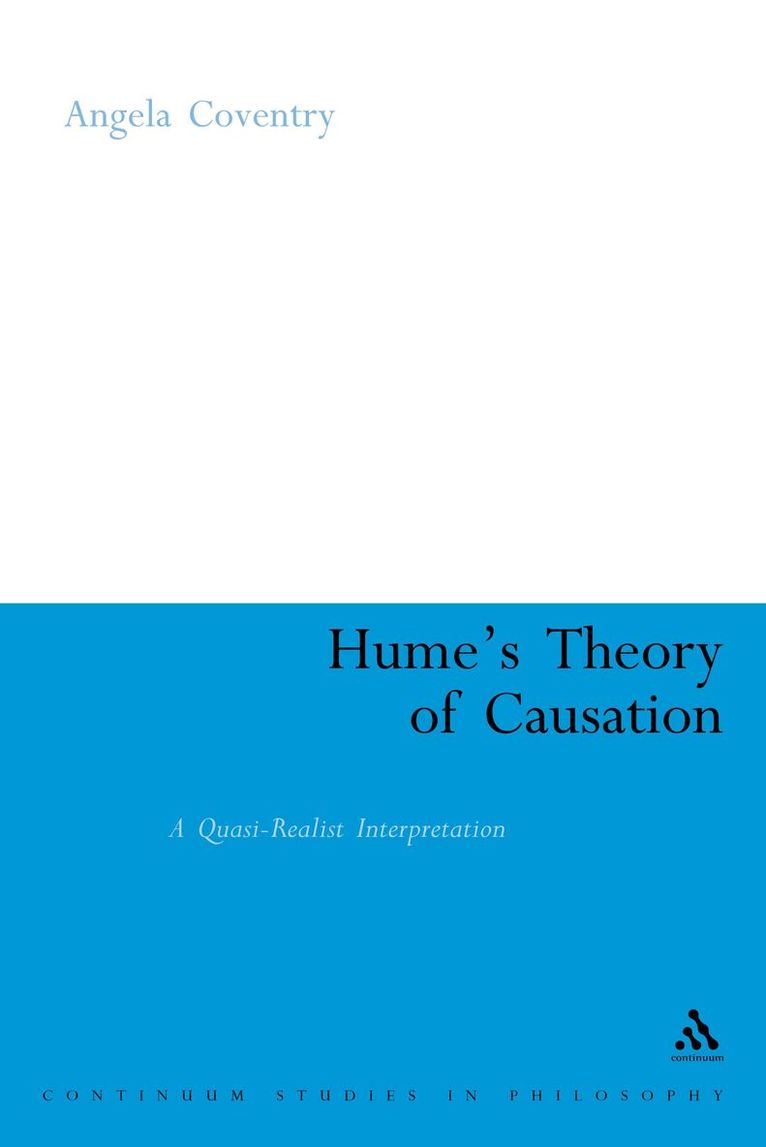
Causation has always been a central topic in the history of philosophy. Many theories causation have been advanced, but not one has approached anything like general acceptance. Yet the concept of causation is prevalent in many areas of contemporary philosophy: there are the causal theories of language, of action, of personal identity, of knowledge, of perception, of scientific explanation, and of reference. If causation is doing all this philosophical work, it seems essential to strive for an intelligible account of what a 'cause' actually is. One obvious place to start is Hume's analysis of causation, which is generally thought to be the most significant and influential single contribution to the topic. But despite the widely recognized importance of his analysis, many opposing interpretations surround his causal theory. There are some commentators who believe that his theory is a version of realism and many others who argue that it is a version of anti-realism. There is considerable textual evidence for, and also against, each interpretation. Angela Coventry develops a more conciliatory approach. She argues that Hume's causal theory is best understood as 'quasi-realist' - an intermediate position between realism and anti-realism. This makes sense of some seemingly contradictory passages in Hume's work and also provides an answer to a major objection which is commonly thought to devastate his causal theory. Coventry then goes on to outline a general, topic-independent, conception of quasi-realism as distinct from realistm and anti-realism that allows it to stand as a consistent third alternative.
1 964 kr
Skickas inom 10-15 vardagar
This is a brilliant new interpretation of one of the most famous, and yet one of the most puzzling, theories in the history of philosophy - David Hume's account of what a 'cause' is. Laying new emphasis on the connections between Hume's theories of cause, space and time, morals, and aesthetics, it will be of great value to anyone interested in Hume, causation, or metaphysics more generally. Causation has always been a central topic in the history of philosophy. Many theories of causation have been advanced, but not one has approached anything like general acceptance. Yet the concept of causation is prevalent in many areas of contemporary philosophy: there are the causal theories of language, of action, of personal identity, of knowledge, of perception, of scientific explanation and of reference. If causation is doing all this philosophical work, it seems essential to strive for an intelligible account of what a 'cause' actually is. One obvious place to start is Hume's analysis of causation, which is generally thought to be the most significant and influential single contribution to the topic.But despite the widely recognized importance of his analysis, many opposing interpretations surround his causal theory. There are some commentators who believe that his theory is a version of realism and many others who argue that it is a version of anti-realism. There is considerable textual evidence for, and also against, each interpretation. Angela Coventry develops a more conciliatory approach. She argues that Hume's causal theory is best understood as 'quasi-realist' - an intermediate position between realism and anti-realism. This makes sense of some seemingly contradictory passages in Hume's work and also provides an answer to a major objection that is commonly thought to devastate his causal theory. Coventry then goes on to outline a general, topic-independent, conception of quasi-realism as distinct from realism and anti-realism that allows it to stand as a consistent third alternative.
1 343 kr
Skickas inom 10-15 vardagar
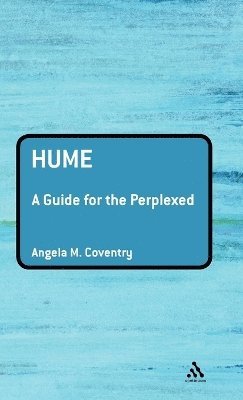
Continuum's "Guides for the Perplexed" are clear, concise and accessible introductions to thinkers, writers and subjects that students and readers can find especially challenging. Concentrating specifically on what it is that makes the subject difficult to fathom, these books explain and explore key themes and ideas, guiding the reader towards a thorough understanding of demanding material. David Hume is arguably one of the most important philosophers ever to have written in English. His monumental contributions to epistemology and metaphysics, represented in his two landmark works, "A Treatise of Human Nature" and "An Enquiry Concerning Human Understanding", were hugely influential on both sides of the Atlantic. Yet, he is also notorious as a puzzling and difficult thinker and students of his work and thought regularly face very particular intellectual challenges. "Hume: A Guide for the Perplexed" is a clear and thorough account of Hume's philosophy, his major works and ideas, providing an ideal guide to the important and complex thought of this key philosopher.The book covers the whole range of Hume's work, offering examination of the key areas of his thought, including the origin and association of ideas, space and time, causal (inductive) reasoning, necessary connexions, free will, personal identity, and scepticism. Geared towards the specific requirements of students who need to reach a sound understanding of Hume's thought, the book provides a cogent and reliable survey of his work and ideas. This is the ideal companion to the study of this most influential and challenging of philosophers.
354 kr
Skickas inom 10-15 vardagar
Continuum's "Guides for the Perplexed" are clear, concise and accessible introductions to thinkers, writers and subjects that students and readers can find especially challenging. Concentrating specifically on what it is that makes the subject difficult to fathom, these books explain and explore key themes and ideas, guiding the reader towards a thorough understanding of demanding material. David Hume is arguably one of the most important philosophers ever to have written in English. His monumental contributions to epistemology and metaphysics, represented in his two landmark works, "A Treatise of Human Nature" and "An Enquiry Concerning Human Understanding", were hugely influential on both sides of the Atlantic. Yet he is also notorious as a puzzling and difficult thinker and students of his work and thought regularly face very particular intellectual challenges. "Hume: A Guide for the Perplexed" is a clear and thorough account of Hume's philosophy, his major works and ideas, providing an ideal guide to the important and complex thought of this key philosopher.The book covers the whole range of Hume's work, offering examination of the key areas of his thought, including the origin and association of ideas, space and time, causal (inductive) reasoning, necessary connexions, free will, personal identity, and scepticism. Geared towards the specific requirements of students who need to reach a sound understanding of Hume's thought, the book provides a cogent and reliable survey of his work and ideas. This is the ideal companion to the study of this most influential and challenging of philosophers.