
Anis Ahmad – författare
Visar alla böcker från författaren Anis Ahmad. Handla med fri frakt och snabb leverans.
3 produkter
3 produkter
Häftad, Engelska, 2025
99 kr
Skickas inom 5-8 vardagar
Continuing with the Reflections series, this book focusses on the longest chapter in the Qur'an. Written in a simple and easy to read format, allowing the reader to absorb the key points that this chapter of the Qur'an is trying to convey.
Häftad, Engelska, 2026
99 kr
Skickas inom 5-8 vardagar
Continuing with the Reflections series, this book focuses on the third chapter in the Qur’an. Written in a simple and easy-to-read format, this chapter of the Qur'an allows the reader to absorb the key points that this chapter of the Qur’an is trying to convey.
Häftad, Engelska, 2025
127 kr
Skickas inom 5-8 vardagar
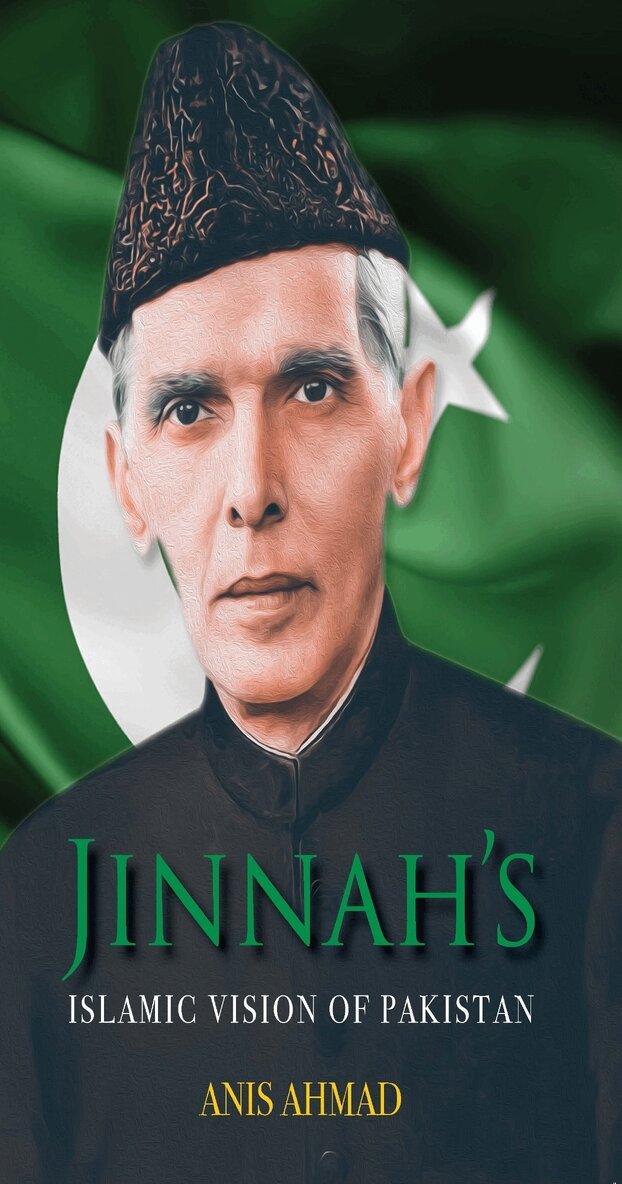
The crisis in thought we witness today, in the name of freedom of speech, did not exist half a century ago when Islam and Pakistan were understood as synonymous. In every stage of Pakistan’s liberation movement, the leadership of the Muslim League and the masses, as evidenced by the historic records in the form of archives, speeches, statements, and resolutions, endorsed this reality. Even today, it is an insignificant number of people, but vocal, who question this fact of the matter. Fabricated and fictitious ideas are attributed to the philosopher, sage, and ideologue Allama Iqbal and the great Muhammad Ali Jinnah, as well as about the well-established two-nation theory.Numerous efforts have taken place to portray the Quaid as a secular leader. In this quagmire, there are a handful of people loyal to Pakistan’s ideology, Islamic vision, and values who genuinely present the views of the Quaid. Dr. Anis is one such person who, in his over fifty years of academic career, has stood for this noble mission. How did the Quaid visualise Pakistan is a question that has been made controversial by a limited number of so-called liberal intellectuals. Dr. Anis in a dispassionate, logical, and evidence-based research, has provided an authentic narrative of the Quaid’s vision of Pakistan, in the Quaid’s own words, in a simple and satisfactory way in order to let the new generations see the truth as it is.