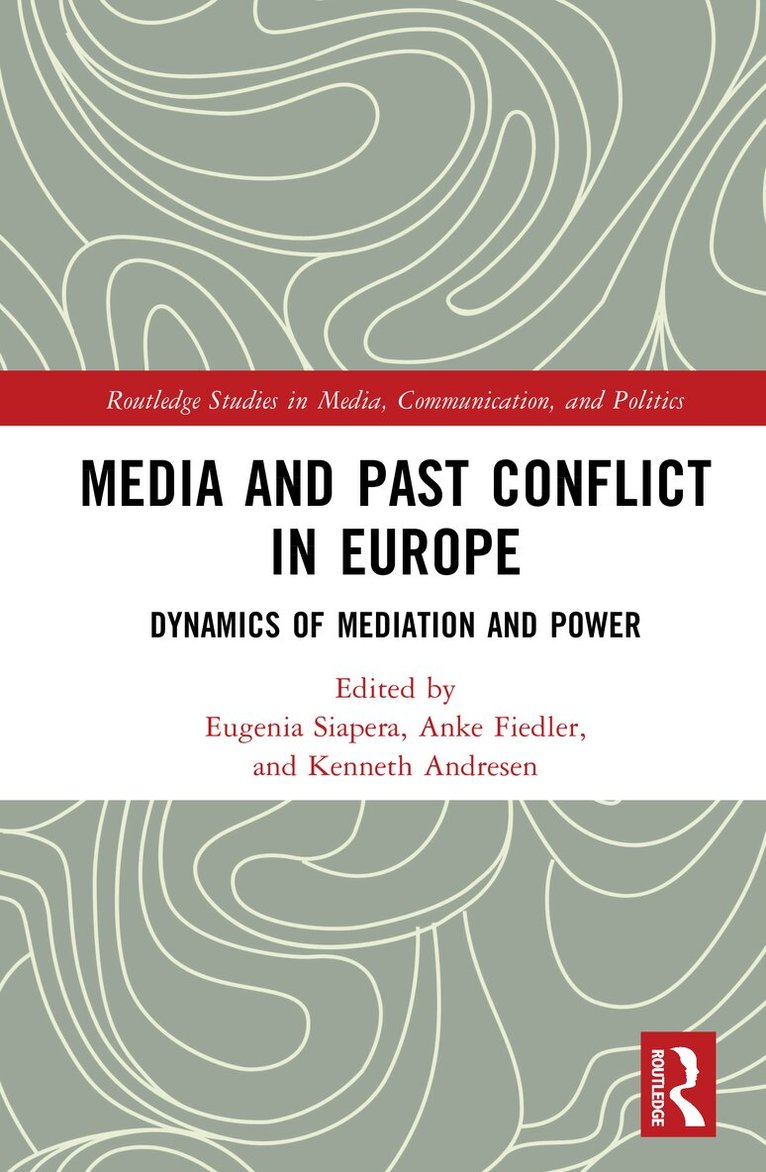
Focusing on how the history of past conflicts is mediated in the present and recent past in six European countries, this book explores media processes as they intersect with power dynamics and hegemonic narratives of history and historical memory.The analysis centers around six countries that have experienced past conflict and traumatic past histories–Bosnia and Herzegovina, Cyprus, Germany, Greece, Ireland, and Kosovo–selected based on the type of conflict (emanating from WWII, authoritarian past, colonial past, interethnic conflict, or communist past) and its ongoing relevance. Focusing on the mediation of past conflict, the book revolves around the following questions: How do countries that have gone through historical trauma mediate this troubled past? How do they navigate processes of production, representation, and reception? How do journalists negotiate the competing demands of professional values, political tensions, and the emotional fallout of conflict and trauma? How do audiences/publics engage with content that may misrepresent their community or experiences? How do representations of past conflict change over time? How are the mediations of the past involved in present-day politics?Setting out in each chapter the implications of their analysis for journalistic education and practice, the book will attract readers among academics in the area of media and conflict and media and memory; students of media, communications, and journalism; and journalists who write on past conflict and commemoration, as well as those writing and researching on the six countries that form the case studies.
Focusing on how the history of past conflicts is mediated in the present and recent past in six European countries, this book explores media processes as they intersect with power dynamics and hegemonic narratives of history and historical memory.The analysis centers around six countries that have experienced past conflict and traumatic past histories-Bosnia and Herzegovina, Cyprus, Germany, Greece, Ireland, and Kosovo-selected based on the type of conflict (emanating from WWII, authoritarian past, colonial past, interethnic conflict, or communist past) and its ongoing relevance. Focusing on the mediation of past conflict, the book revolves around the following questions: How do countries that have gone through historical trauma mediate this troubled past? How do they navigate processes of production, representation, and reception? How do journalists negotiate the competing demands of professional values, political tensions, and the emotional fallout of conflict and trauma? How do audiences/publics engage with content that may misrepresent their community or experiences? How do representations of past conflict change over time? How are the mediations of the past involved in present-day politics?Setting out in each chapter the implications of their analysis for journalistic education and practice, the book will attract readers among academics in the area of media and conflict and media and memory; students of media, communications, and journalism; and journalists who write on past conflict and commemoration, as well as those writing and researching on the six countries that form the case studies.
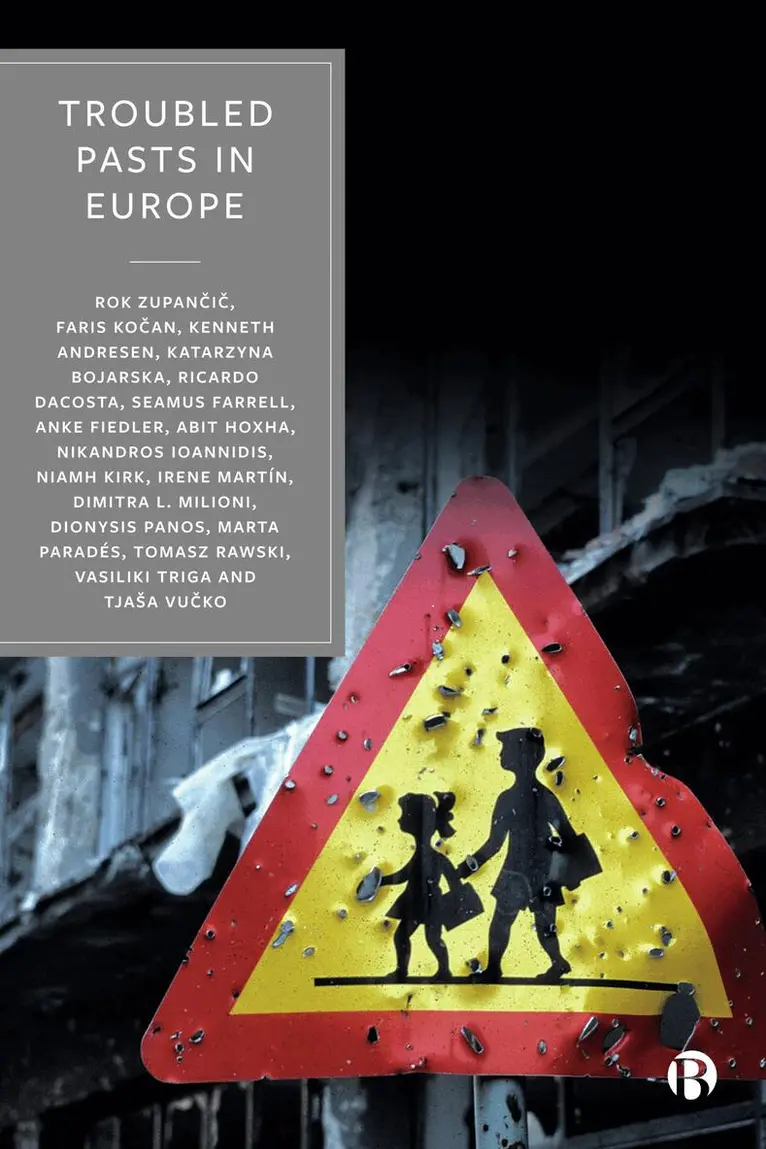
Based on the findings of a major research project, this book investigates how European societies confront their troubled pasts today. In particular, the text explores what kinds of measures can be taken and which strategies endorsed to facilitate the process of overcoming difficult historic legacies in seven European states: Kosovo, Bosnia and Herzegovina, Germany, Ireland, Spain, Cyprus and Poland. The book is written by an international team of experts and examines strategies and actions in both policy making and civil society of European countries, as well as throughout the EU as a collective.
Für die Medienlenkung in der DDR ist es bezeichnend, dass Freund- und Feindbilder mehrfach gewechselt wurden. Während Franz Josef Strauß in den DDR-Medien der 1960er Jahre noch als 'Drahtzieher der Revanchepolitik' galt, wurde zwei Jahrzehnte später nur noch Positives über den Bayern berichtet. Und umgekehrt fielen befreundete 'Bruderstaaten' wie Polen oder die UdSSR Ende der 1980er Jahre plötzlich in Ungnade. Personen kamen und gingen und einzelne Lenkungsinstanzen lösten sich entweder ganz auf oder wurden Makulatur. Wie und warum diese Prozesse in Gang gesetzt wurden und wer am Ende das Sagen hatte, ist Thema dieses Buches. Dabei werden auch die Machtkämpfe nachgezeichnet, die hinter den Kulissen stattfanden.
This volume proposes a “deep internationalization” of media and communication studies by offering insights and guidance on how to integrate a cosmopolitan perspective in a variety of subfields of this discipline. Building on debates on de-Westernization and cosmopolitanism, the contributors advocate for the inclusion of both global and local perspectives and context-led approaches. They argue that acknowledging and incorporating epistemologies, topics, and methodologies from diverse regions, contexts, and backgrounds will enhance the comprehensiveness and relevance of their discipline and foster a more inclusive and meaningful understanding in communication studies.