Ann Elias - Böcker
Visar alla böcker från författaren Ann Elias. Handla med fri frakt och snabb leverans.
6 produkter
6 produkter
1 814 kr
Kommande
396 kr
Kommande
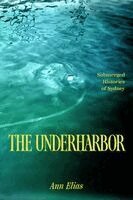
An underwater look at Sydney that surfaces new and unfamiliar histories of people, objects, spaces, and environmental and social change.The Underharbor places the ocean at the center of a cultural history of Sydney, Australia, a place built on and around seawater, where the community is linked historically, emotionally, and psychologically to the water. Drawing on a series of vignettes that focus on Sydney’s underwater dimensions—including the harbor’s relationship to technological modernity, Indigenous ideas and practices, artistic experimentation, and scientific inquiry—Ann Elias creates a unique portrait of a city and its past. By shifting the terrestrial perspective to the subaquatic, Elias uncovers an area filled with political meaning, poetic significance, and ideological struggles.Few harbors are as researched as Sydney’s, where fishing, exploration, colonialism, warfare, science, and industry all shaped cultural ideas about underwater space. Between 1850 to 1950, only a few groups of people had access to the remote underharbor: Indigenous divers and First Nations peoples, who were dispossessed by colonizers; divers working primarily to further the maritime industrialization of the growing city and to salvage objects from the harbor floor; researchers in the emerging field of marine science who dove for first-hand observation; and beachcombers, naturalists, and dredgers who got to know the underharbor by bringing it to the surface. Through press stories, models, illustrations, maps, and photographic and cinematic representations, The Underharbor reveals how these watery visions of Sydney shifted over the course of a century.
1 133 kr
Skickas inom 10-15 vardagar
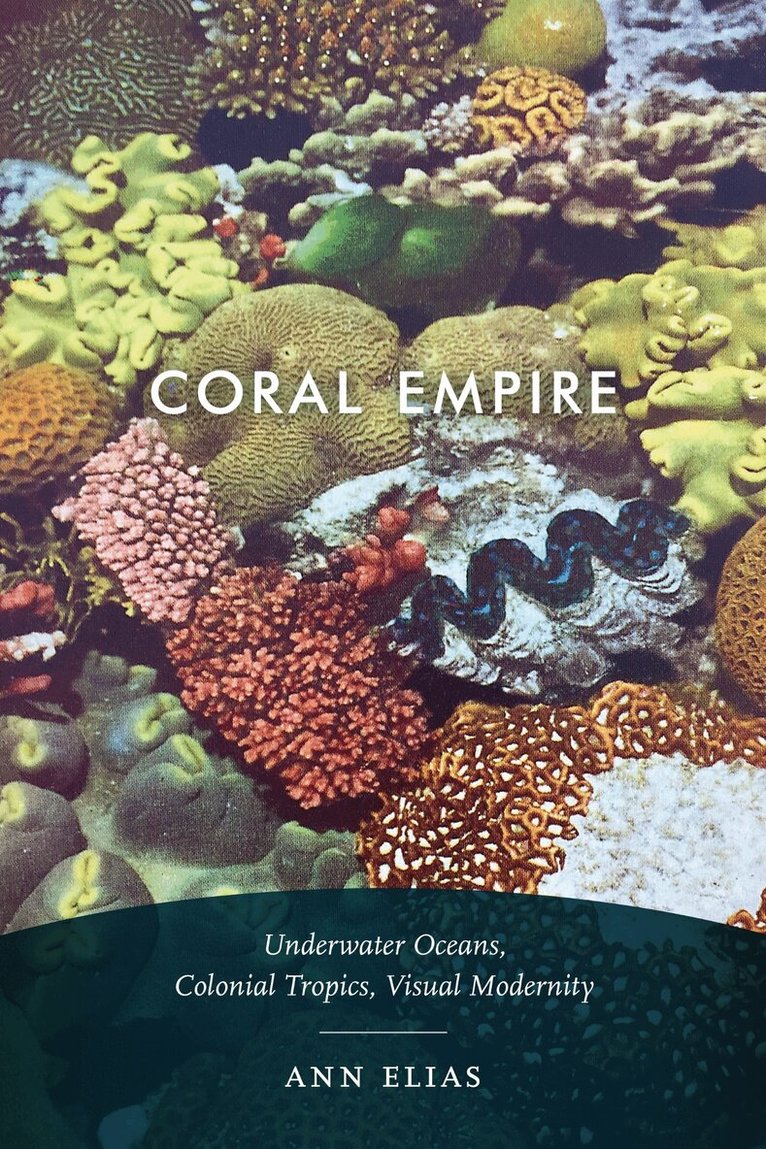
From vividly colored underwater photographs of Australia's Great Barrier Reef to life-size dioramas re-creating coral reefs and the bounty of life they sustained, the work of early twentieth-century explorers and photographers fed the public's fascination with reefs. In the 1920s John Ernest Williamson in the Bahamas and Frank Hurley in Australia produced mass-circulated and often highly staged photographs and films that cast corals as industrious, colonizing creatures, and the undersea as a virgin, unexplored, and fantastical territory. In Coral Empire Ann Elias traces the visual and social history of Williamson and Hurley and how their modern media spectacles yoked the tropics and coral reefs to colonialism, racism, and the human domination of nature. Using the labor and knowledge of indigenous peoples while exoticizing and racializing them as inferior Others, Williamson and Hurley sustained colonial fantasies about people of color and the environment as endless resources to be plundered. As Elias demonstrates, their reckless treatment of the sea prefigured attitudes that caused the environmental crises that the oceans and reefs now face.
296 kr
Skickas inom 10-15 vardagar
From vividly colored underwater photographs of Australia's Great Barrier Reef to life-size dioramas re-creating coral reefs and the bounty of life they sustained, the work of early twentieth-century explorers and photographers fed the public's fascination with reefs. In the 1920s John Ernest Williamson in the Bahamas and Frank Hurley in Australia produced mass-circulated and often highly staged photographs and films that cast corals as industrious, colonizing creatures, and the undersea as a virgin, unexplored, and fantastical territory. In Coral Empire Ann Elias traces the visual and social history of Williamson and Hurley and how their modern media spectacles yoked the tropics and coral reefs to colonialism, racism, and the human domination of nature. Using the labor and knowledge of indigenous peoples while exoticizing and racializing them as inferior Others, Williamson and Hurley sustained colonial fantasies about people of color and the environment as endless resources to be plundered. As Elias demonstrates, their reckless treatment of the sea prefigured attitudes that caused the environmental crises that the oceans and reefs now face.
364 kr
Skickas inom 5-8 vardagar
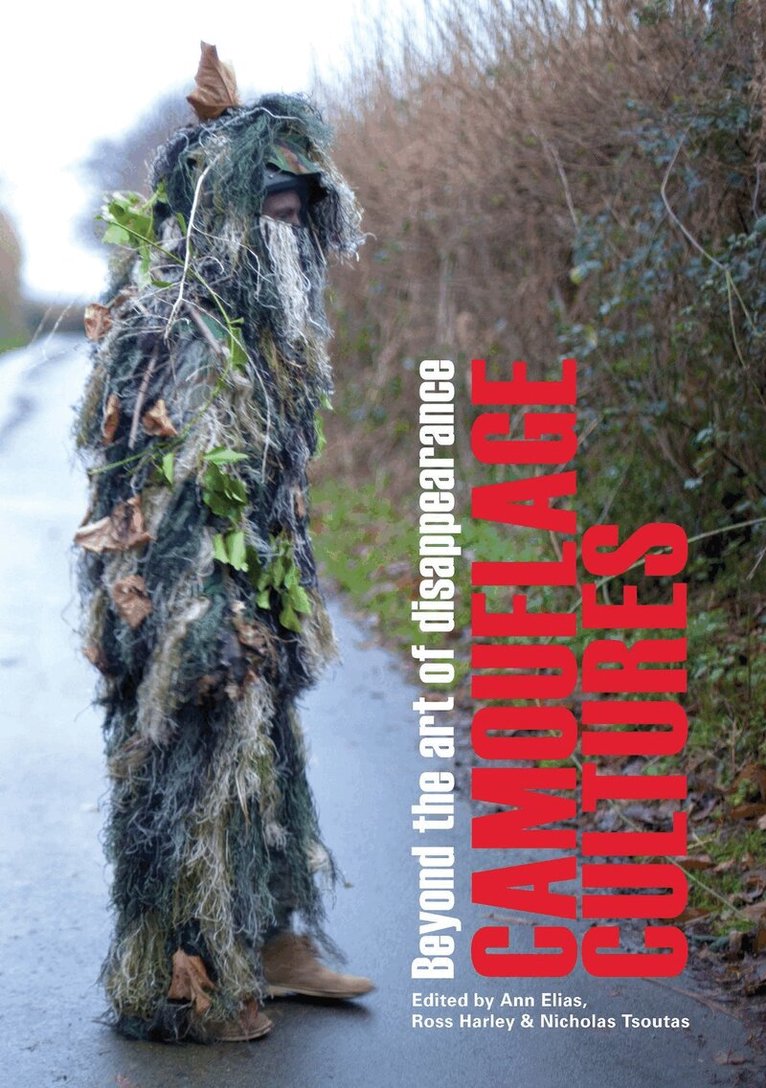
Interest in camouflage spans a wide range of disciplines, due to growing reflection, discussion and action on ecology, migration, visual deception and warfare.
462 kr
Skickas inom 5-8 vardagar
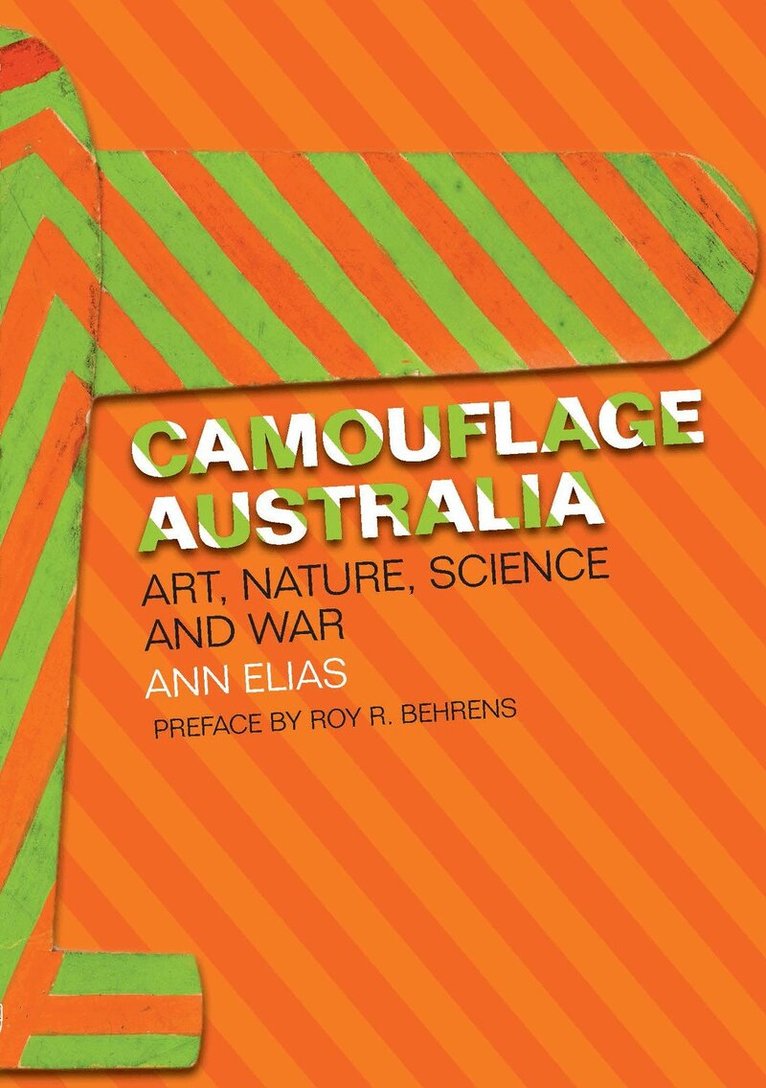
In 1939 a group of artists, designers, architects, scientists and military experts met in Sydney, Australia, to discuss the impending war. Convinced that the need for regional innovations in the military science of concealment and deception was urgent, they nominated a zoologist to lead a campaign to camouflage Australia.Camouflage Australia tells a once secret and little known story of how the Australian government accepted the advice of zoologist William John Dakin and seconded the country's leading artists and designers, including Max Dupain and Frank Hinder, to deploy optical tricks and visual illusions for civilian and military protection. Their work was an array of ingenious constructions for the purpose of disguise and subterfuge. Drawing on previously unpublished photographs and documents, Camouflage Australia exposes the story of fraught collaborations between civilian and military personnel who disagreed over camouflage's value to wartime operations and the usefulness of artists to warfare. In this engrossing book, Ann Elias provides international context for the historical circumstances and events of the organisation of camouflage in World War II in Australia and the Pacific region. She elaborates on the parallel involvement of British and American artists in the field of concealment and deception, and reveals the widespread interest shown by western naturalists and scientists in the application to warfare of the behaviours and aesthetics of animals.Camouflage Australia, by redressing the near invisible contribution of Australian artists and designers to defence in World War II, makes a major contribution to the history of art and to the history of Australia. Importantly, by discussing how citizens dutifully transformed themselves into servants of the war enterprise as camouflage labourers, camouflage designers and camouflage field officers, the author provides a valuable historical perspective for the 21st century, when ethical conflicts and moral struggles dominate debates on war participation. And camouflage itself, even in an age of nuclear warfare, retains many of its historical methods and controversies.