Anna Carastathis - Böcker
Visar alla böcker från författaren Anna Carastathis. Handla med fri frakt och snabb leverans.
4 produkter
4 produkter
597 kr
Skickas inom 10-15 vardagar
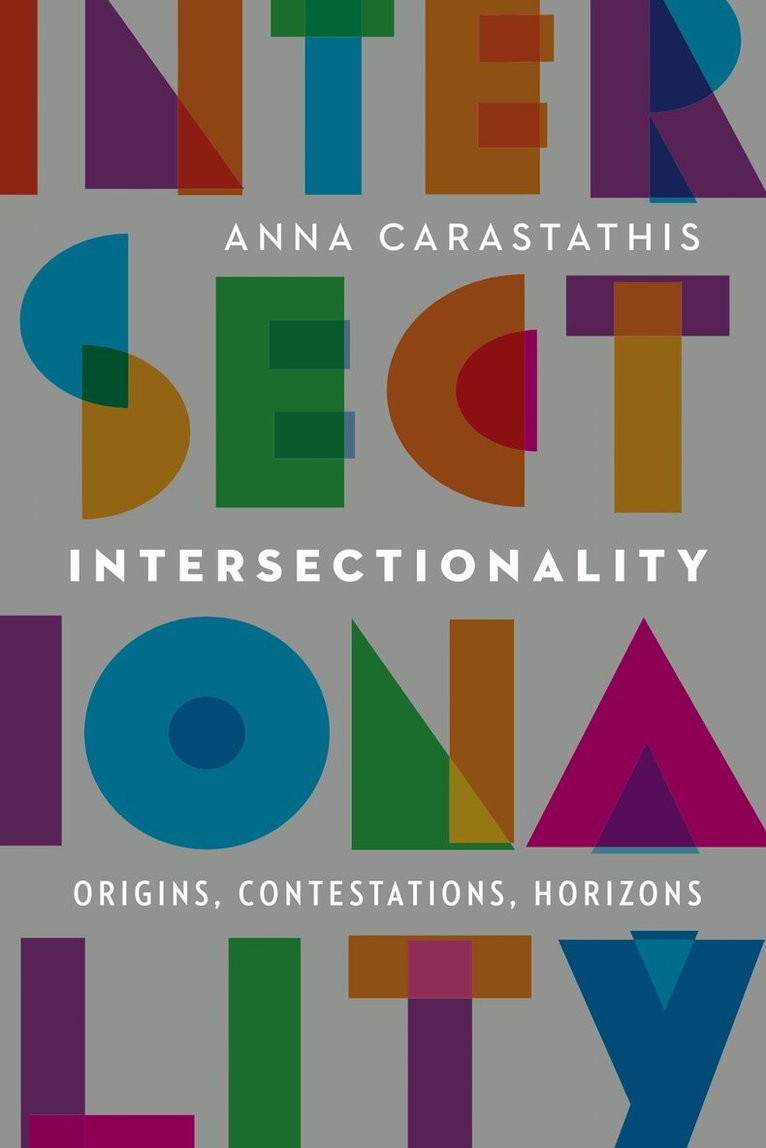
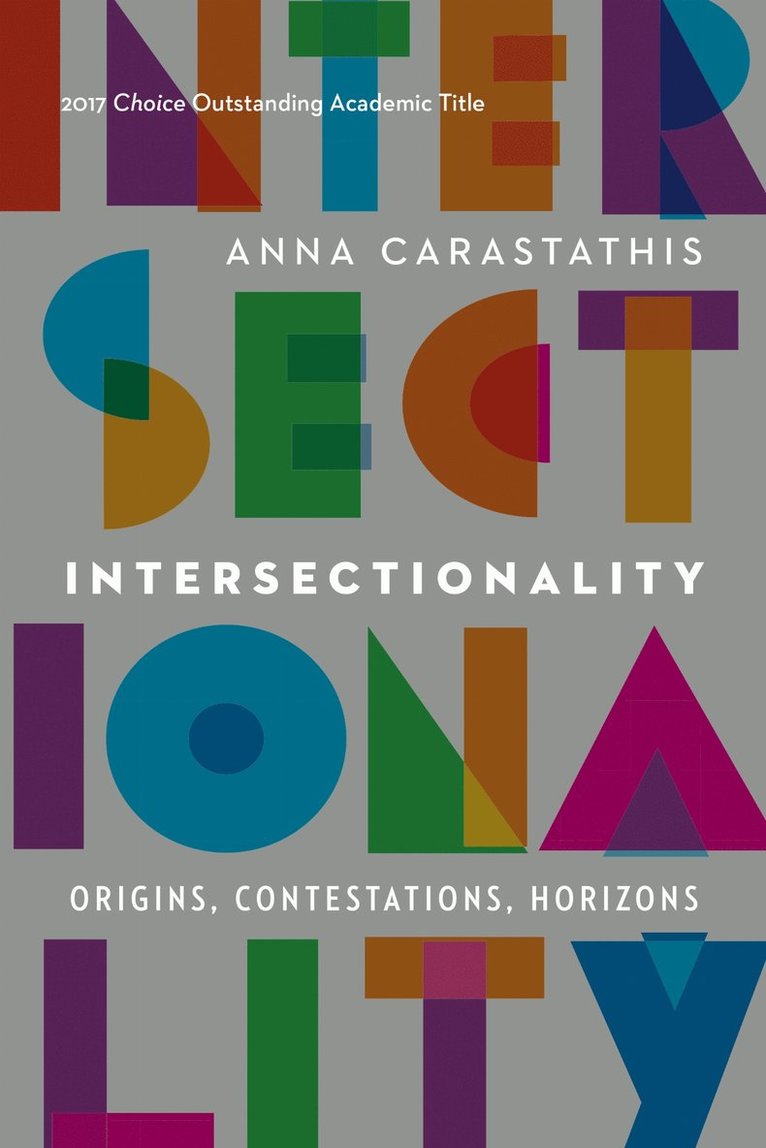
A 2017 Choice Outstanding Academic TitleIntersectionality intervenes in the field of intersectionality studies: the integrative examination of the effects of racial, gendered, and class power on people’s lives. While “intersectionality” tends to circulate merely as a buzzword, Anna Carastathis joins other critical voices in urging a more careful reading. Challenging the narratives of arrival that surround it, Carastathis argues that intersectionality is a horizon, illuminating ways of thinking that have yet to be realized; consequently, calls to “go beyond” intersectionality are premature. A provisional interpretation of intersectionality can disorient habits of essentialism, categorical purity, and prototypicality and overcome dynamics of segregation and subordination in political movements.Through a close reading of critical race theorist KimberlÉ Williams Crenshaw’s germinal texts, published more than twenty-five years ago, Carastathis urges analytic clarity, contextual rigor, and a politicized, historicized understanding of this pervasive concept. Intersectionality’s roots in social justice movements and critical intellectual projects-specifically black feminism-must be retraced and synthesized with a decolonial analysis so that its potential to actualize coalitions can be enacted.
315 kr
Skickas inom 10-15 vardagar
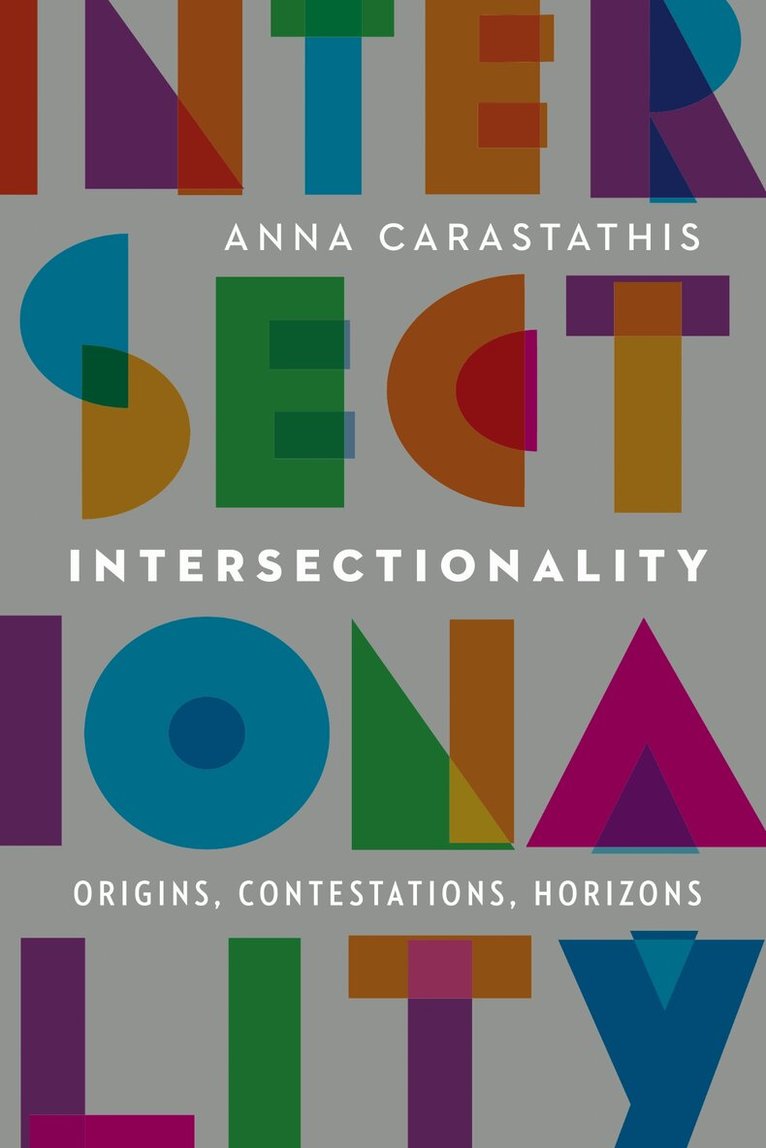
A 2017 Choice Outstanding Academic TitleIntersectionality intervenes in the field of intersectionality studies: the integrative examination of the effects of racial, gendered, and class power on people’s lives. While “intersectionality” tends to circulate merely as a buzzword, Anna Carastathis joins other critical voices in urging a more careful reading. Challenging the narratives of arrival that surround it, Carastathis argues that intersectionality is a horizon, illuminating ways of thinking that have yet to be realized; consequently, calls to “go beyond” intersectionality are premature. A provisional interpretation of intersectionality can disorient habits of essentialism, categorical purity, and prototypicality and overcome dynamics of segregation and subordination in political movements.Through a close reading of critical race theorist KimberlÉ Williams Crenshaw’s germinal texts, published more than twenty-five years ago, Carastathis urges analytic clarity, contextual rigor, and a politicized, historicized understanding of this pervasive concept. Intersectionality’s roots in social justice movements and critical intellectual projects-specifically black feminism-must be retraced and synthesized with a decolonial analysis so that its potential to actualize coalitions can be enacted.
434 kr
Skickas inom 10-15 vardagar
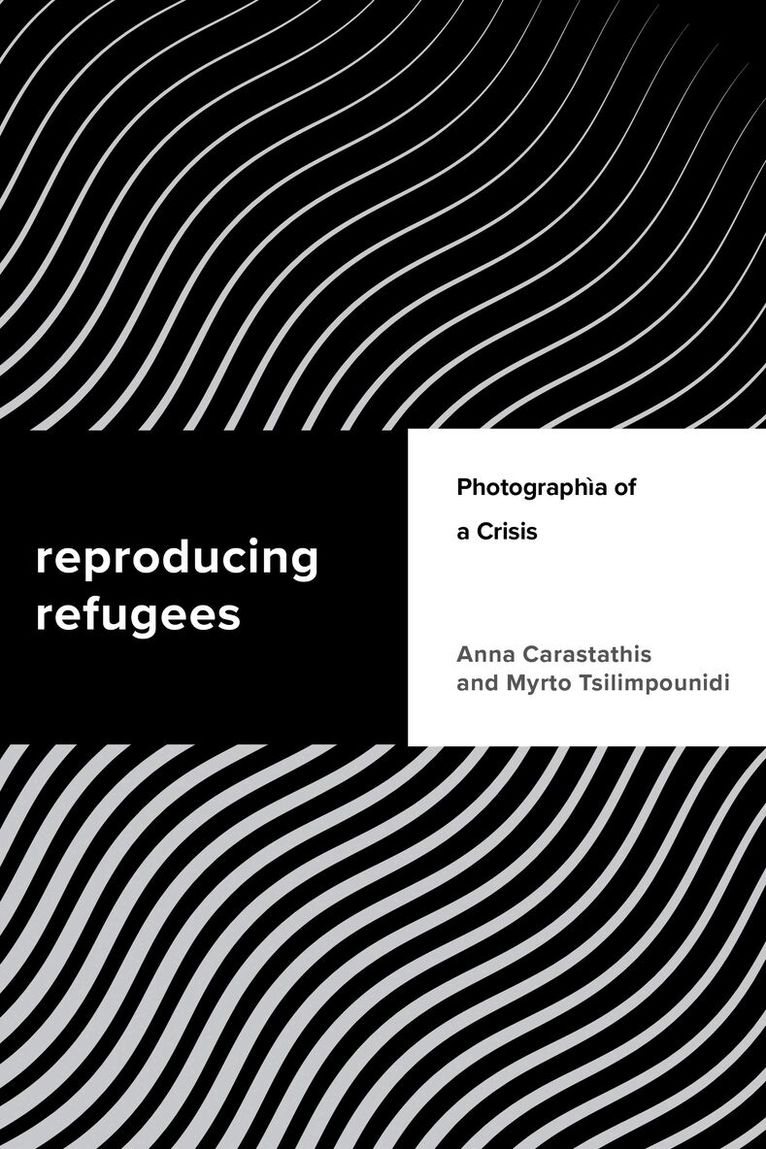
Since 2015, the ‘refugee crisis’ is possibly the most photographed humanitarian crises in history. Photographs taken, for instance, in Lesvos, Greece, and Bodrum, Turkey, were instrumental in generating waves of public support for, and populist opposition to “welcoming refugees” in Europe. But photographs do not circulate in a vacuum; this book explores the visual economy of the ‘refugee crisis,’ showing how the reproduction of images is structured by, and secures hierarchies of gender, sexuality, and ‘race,’ essential to the functioning of bordered nation-states. Taking photography not only as the object of research, but innovating the method of photographìa— the material trace of writing/grafì with light/phos— this book urges us to view images and their reproduction critically. Part theoretical text, part visual essay, Reproducing Refugees vividly shows how institutional violence underpins both the spectacularity and the banality of ‘crisis.’This book goes about synthesising visual studies with queer, feminist, postcolonial, post-structuralist, and post-Marxist theories. Carastathis and Tsilimpounidi offer theoretical frameworks and methodological tools to critically analyse representations, both those circulated through hegemonic institutions, and those generated from ‘below’.They carve a space between logos and praxis, ways of knowing and ways of doing, by offering a new visual language that problematises reified categories such as that of the ‘refugee’ and makes possible disruptive, alternative, resistant perceptions. The book contributes to the fields of migration and border studies, critically engaging visual narratives drawn from migration movements to question dominant categories and frameworks, from a decolonial, no-borders, queer feminist perspective.
1 703 kr
Skickas inom 10-15 vardagar
Since 2015, the ‘refugee crisis’ is possibly the most photographed humanitarian crises in history. Photographs taken, for instance, in Lesvos, Greece, and Bodrum, Turkey, were instrumental in generating waves of public support for, and populist opposition to “welcoming refugees” in Europe. But photographs do not circulate in a vacuum; this book explores the visual economy of the ‘refugee crisis,’ showing how the reproduction of images is structured by, and secures hierarchies of gender, sexuality, and ‘race,’ essential to the functioning of bordered nation-states. Taking photography not only as the object of research, but innovating the method of photographìa— the material trace of writing/grafì with light/phos— this book urges us to view images and their reproduction critically. Part theoretical text, part visual essay, Reproducing Refugees vividly shows how institutional violence underpins both the spectacularity and the banality of ‘crisis.’This book goes about synthesising visual studies with queer, feminist, postcolonial, post-structuralist, and post-Marxist theories. Carastathis and Tsilimpounidi offer theoretical frameworks and methodological tools to critically analyse representations, both those circulated through hegemonic institutions, and those generated from ‘below’.They carve a space between logos and praxis, ways of knowing and ways of doing, by offering a new visual language that problematises reified categories such as that of the ‘refugee’ and makes possible disruptive, alternative, resistant perceptions. The book contributes to the fields of migration and border studies, critically engaging visual narratives drawn from migration movements to question dominant categories and frameworks, from a decolonial, no-borders, queer feminist perspective.