Anna Mirga-Kruszelnicka – författare
Visar alla böcker från författaren Anna Mirga-Kruszelnicka. Handla med fri frakt och snabb leverans.
2 produkter
2 produkter
1 490 kr
Skickas inom 10-15 vardagar
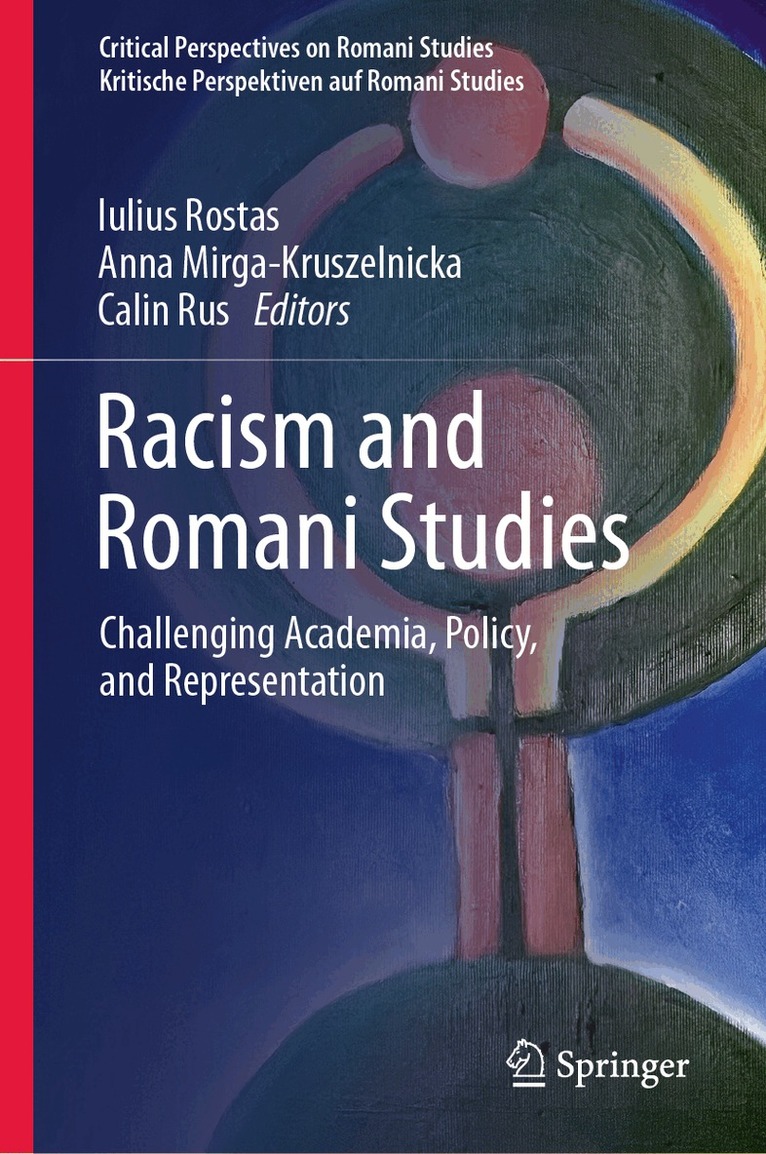
The volume explores how racism has shaped the lives of Roma across Europe and how scholarship itself has often perpetuated exclusion. The volume is structured into three parts and assembles empirical evidence, critical theoretical insights, and innovative strategies: Part I advances conceptual clarifications on racism and antigypsyism and examines academia's historical role in shaping Roma representations; Part II analyzes manifestations of antigypsyism across diverse contexts—from policing practices and institutional structures to labor market exclusion and media portrayals. Part III proposes innovative strategies and approaches for confronting racism against Roma, emphasizing the importance of Roma participation in knowledge production and policymaking. Contributions from a diverse pool of established and emerging scholars dissect topics such as the legacy of gypsylorism, systemic racism in welfare systems, education, visual misrepresentations in popular culture, and the role of racial capitalism in Roma marginalization. Through empirical studies, critical historiographies, and theoretical reflections, contributors illuminate the persistent entanglement between academic discourse, state practices, and racialized governance. In showing how racism operates at structural and individual levels, the volume stands as an essential resource for scholars of ethnic and racial studies, sociology, anthropology, political science, and policy studies, as well as activists, and policymakers committed to challenging centuries of discrimination.

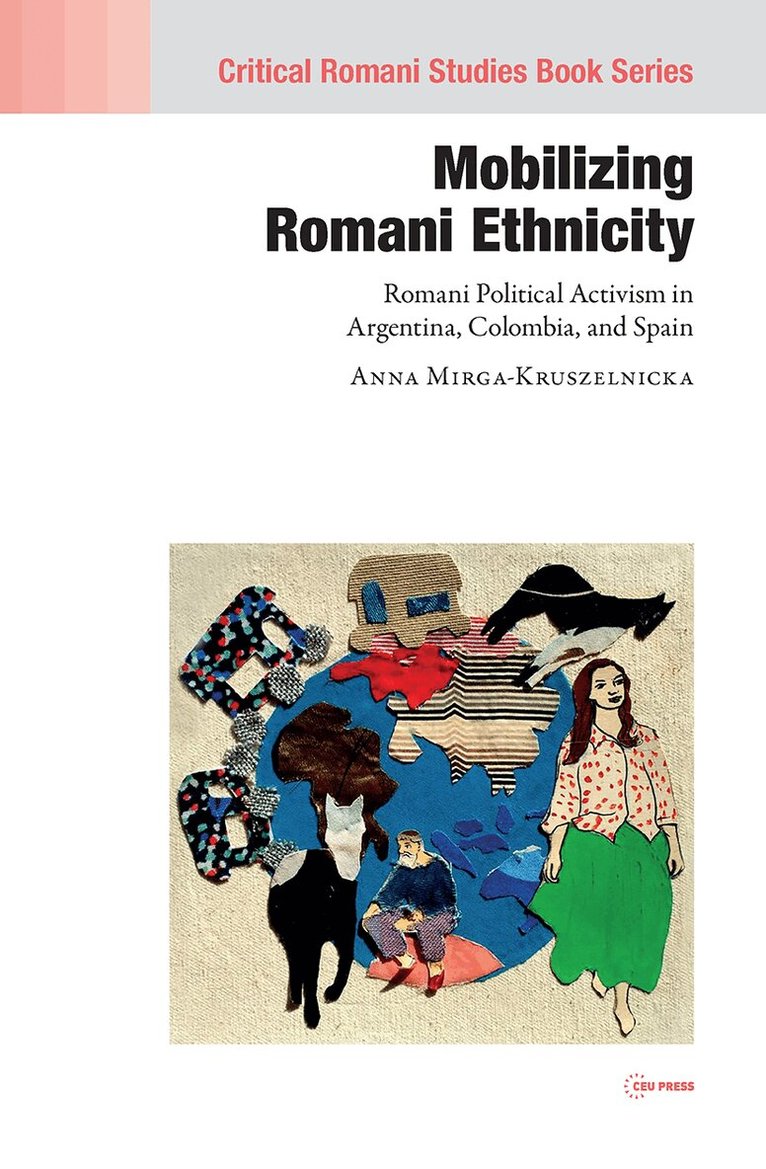
Mobilizing Romani Ethnicity
Romani Political Activism in Argentina, Colombia and Spain
Inbunden, Engelska, 2022
1 669 kr
Skickas inom 10-15 vardagar
The Roma issue is generally treated as a European matter. Indeed, the Roma are the largest European minority—their presence outside of Europe is a result of various waves of migration over the past four hundred years. Likewise, the stereotypes associated with the Roma—the problematized, stigmatized status of a “Gypsy” as well as the historical and contemporary manifestations of antigypsyism—are also of European origin. This book claims, however, that the perception of Roma being strictly a European issue is flawed, and that re-connecting the Roma issue globally represents an important learning experience and an added value.The book offers a critical exploration of Romani political activism in Colombia and Argentina, and compares it to that in Spain, narrated from the intimate perspective of Romani actors themselves. By outlining parallel lineages of Romani activism in three countries and on two continents, the author arrives at broad conclusions regarding the nature of ethnic mobilization. Mirga-Kruszelnicka proposes a new synergetic conceptualization of this multidirectional concept as an interplay between political opportunities, mobilizing structures, and frames of identity. Contributing to the vivid debate about the relationship between the researcher and the researched, the book also includes an original discussion of the positionality of scholars of Romani background.