Iulius Rostas – författare
Visar alla böcker från författaren Iulius Rostas. Handla med fri frakt och snabb leverans.
5 produkter
5 produkter
1 490 kr
Skickas inom 10-15 vardagar
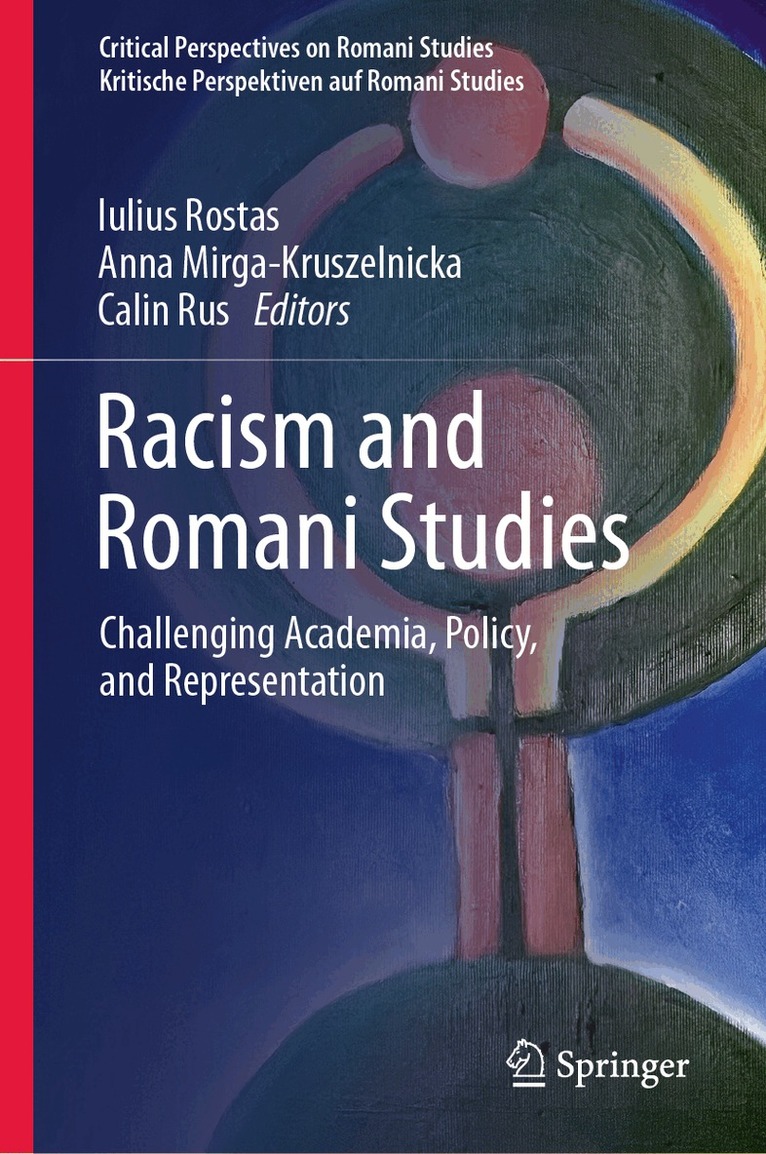
The volume explores how racism has shaped the lives of Roma across Europe and how scholarship itself has often perpetuated exclusion. The volume is structured into three parts and assembles empirical evidence, critical theoretical insights, and innovative strategies: Part I advances conceptual clarifications on racism and antigypsyism and examines academia's historical role in shaping Roma representations; Part II analyzes manifestations of antigypsyism across diverse contexts—from policing practices and institutional structures to labor market exclusion and media portrayals. Part III proposes innovative strategies and approaches for confronting racism against Roma, emphasizing the importance of Roma participation in knowledge production and policymaking. Contributions from a diverse pool of established and emerging scholars dissect topics such as the legacy of gypsylorism, systemic racism in welfare systems, education, visual misrepresentations in popular culture, and the role of racial capitalism in Roma marginalization. Through empirical studies, critical historiographies, and theoretical reflections, contributors illuminate the persistent entanglement between academic discourse, state practices, and racialized governance. In showing how racism operates at structural and individual levels, the volume stands as an essential resource for scholars of ethnic and racial studies, sociology, anthropology, political science, and policy studies, as well as activists, and policymakers committed to challenging centuries of discrimination.

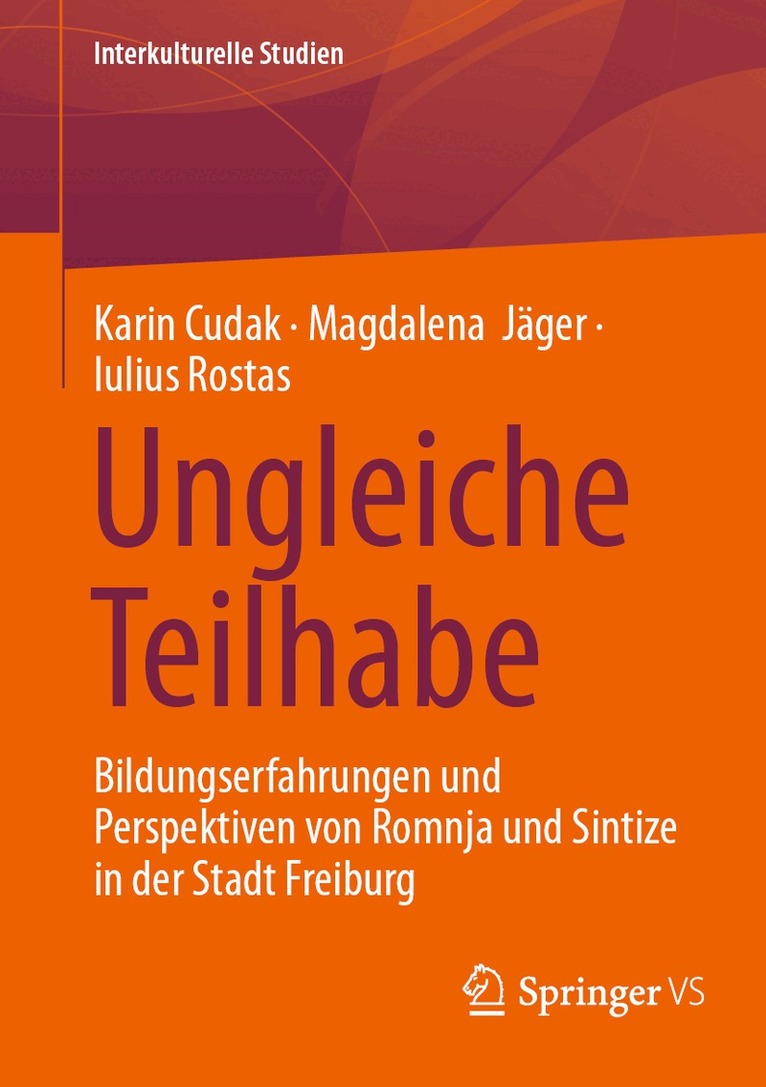
Ungleiche Teilhabe
Bildungserfahrungen und Perspektiven von Romnja und Sintize in der Stadt Freiburg
Häftad, Tyska, 2025
680 kr
Skickas inom 10-15 vardagar
Das Buch greift die Saunders’sche Idee der Arrival Cities (Saunders 2012) auf, die Stadtgesellschaften und Städte wie Freiburg heute intensiv prägt. Sie basiert darauf, Menschen in Städten Möglichkeiten zum Ankommen zu bieten. Die Idee geht dabei weit über konzeptionelle Überlegungen an der Oberfläche der Städte i.S. eines Stadtmarketings oder eines ‚inklusiven Anstrichs‘ der Stadt als diversitätsgeprägte Ankunftsstadt hinaus. Vielmehr geht es darum, Städte zu Lebensorten und -räumen für alle Bürger*innen zu machen – angefangen bei der Planung, über die Gestaltung bis hin zum urbanen Zusammenleben in allen Lebensbereichen. Dies betrifft die Schaffung von zugänglichem und bedarfsgerechtem Wohnraum, gleichberechtigtem Zugang zu gesundheitlicher Versorgung sowie zu inklusiver Bildung und Arbeit.Das Buch bietet vor diesem Hintergrund fundierte Einblicke in die Teilhabesituationen, -ansprüche und -perspektiven von Romnja und Sintize mit Fokus auf ihre Bildungsteilhabe. Untersucht werden Bildungserfahrungen und Perspektiven von Frauen aus der Minderheit der Sinti und Roma in Freiburg im Breisgau, Deutschland. Dabei liegt ein besonderer Schwerpunkt auf der Situation von Frauen, die während ihrer (frühen) Kindheit oder als Jugendliche mit ihrer Familie nach Freiburg geflüchtet sind.Auf Basis von qualitativen Interviewdaten werden in der Studie Bildungshindernisse, Unterstützungssysteme und Möglichkeiten zur Verbesserung der Teilhabe erforscht. Zu den wichtigsten Ergebnissen zählt die Analyse von strukturellen Barrieren, vielgestaltigen Diskriminierungserfahrungen sowie Unterstützungssystemen und Ressourcen, auf welche die Frauen in ihren Bildungsverläufen zurückgreifen. Daraus werden Handlungsbedarfe für eine teilhabe-orientierte und inklusive Stadtplanung und Organisationsentwicklung ermittelt.Zielgruppen:Studierende und Lehrende (u.a. Soziale Arbeit, Sozialpädagogik, Pädagogik und Erziehungswissenschaft, Soziologie)Pädagogische Fachkräfte (u.a. der Schulsozialarbeit, Soziale Arbeit, Beratung, Schule und Bildung)Verwaltungsmitarbeiter*innen der Kommunen, Kreise und der BildungPolitische und zivilgesellschaftliche Akteur*innen
Ten Years After
A History of Roma School Desegregation in Central and Eastern Europe
Inbunden, Engelska, 2012
1 887 kr
Skickas inom 10-15 vardagar
The volume presents the results collated in the frames of the fact finding project led by the editor. The analysis includes the examination of a large number of legal documents and policy statements issued by national authorities and the international community on the matter. A critical overview is also made about the various Roma-specific political campaigns on national and European scale. The second half of the book contains interviews with activists that assumed a leading role in school desegregation. These testimony pieces have been critically reviewed by educational and policy analysts from the concerned countries.
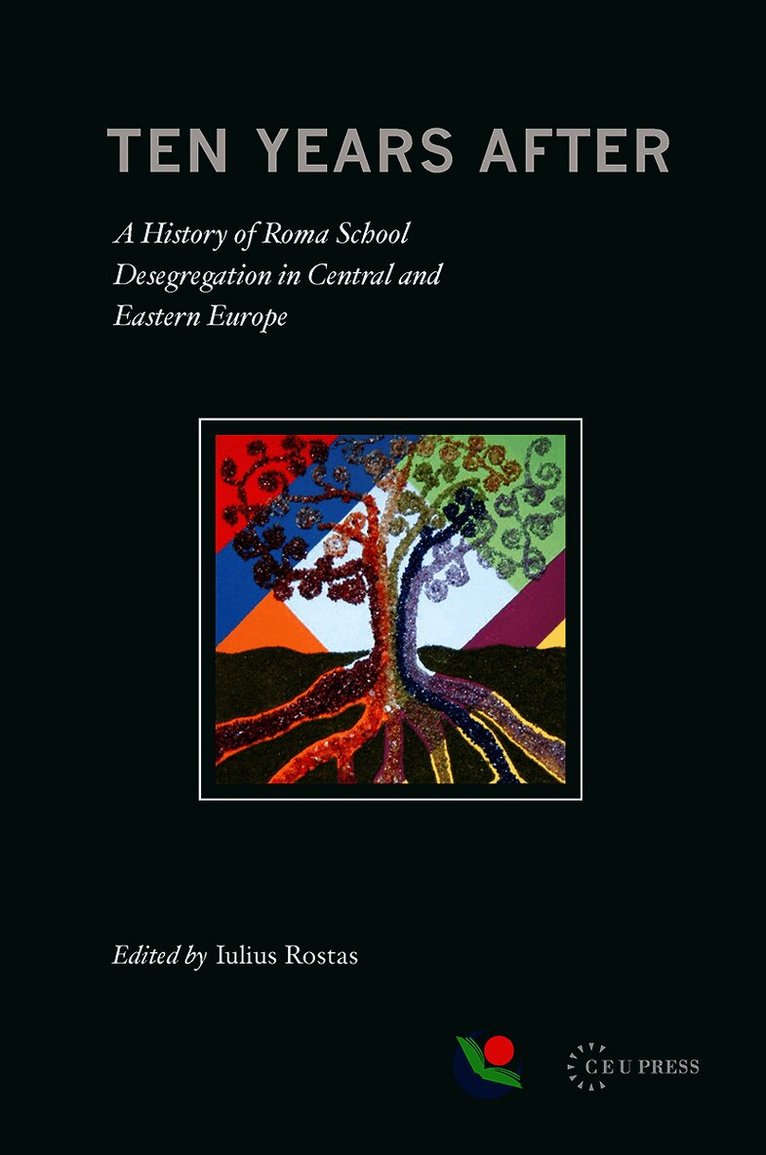
Ten Years After
A History of Roma School Desegregation in Central and Eastern Europe
Häftad, Engelska, 2023
933 kr
Skickas inom 10-15 vardagar
The volume presents the results collated in the frames of the fact finding project led by the editor. The analysis includes the examination of a large number of legal documents and policy statements issued by national authorities and the international community on the matter. A critical overview is also made about the various Roma-specific political campaigns on national and European scale. The second half of the book contains interviews with activists that assumed a leading role in school desegregation. These testimony pieces have been critically reviewed by educational and policy analysts from the concerned countries.
1 622 kr
Skickas inom 10-15 vardagar
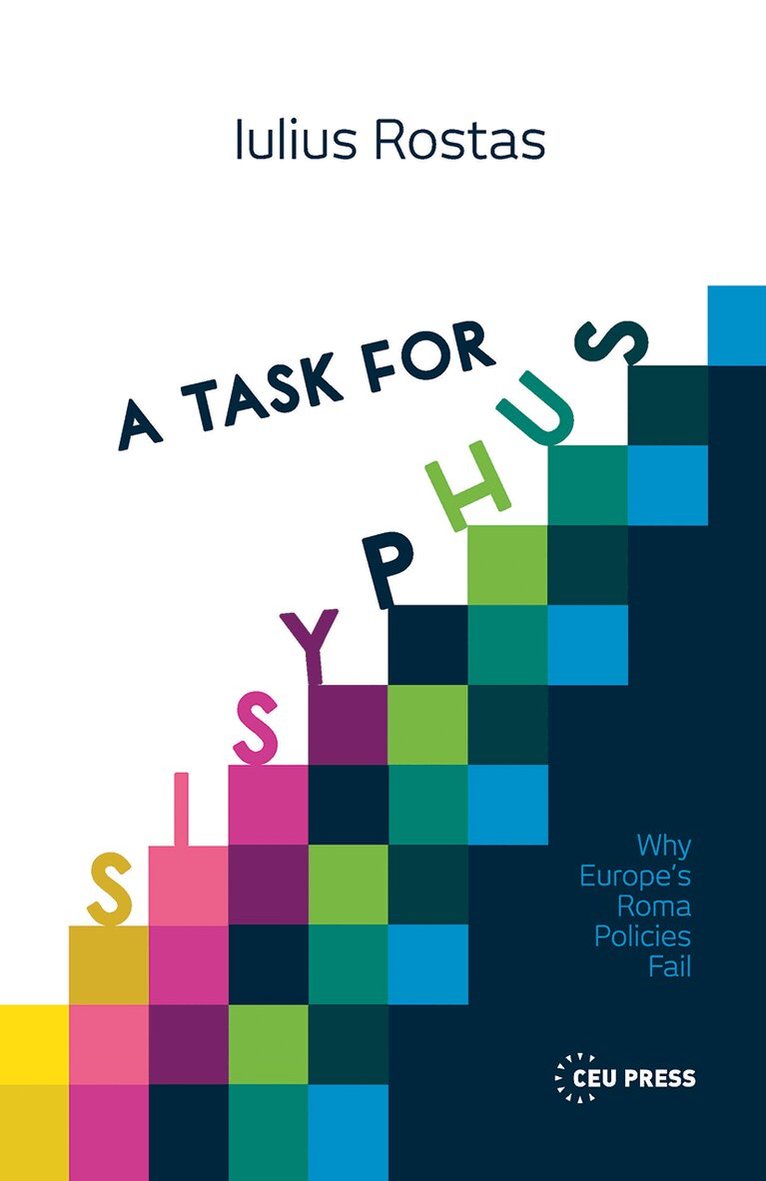
Despite an increasing number of EU and government initiatives in their favor, the situation of Roma in Europe has only worsened. This book explores the many miscalculations, misconceptions, and blunders that have led to this failure. Looking at Hungary, the Czech Republic, and Romania, Rostas shows how policy makers in each country have mishandled already confused EU policy, from failing to define “Roma” to not having a way to evaluate their own progress. Rostas further argues that the alleged successes of these policies were actually the product of poor information and sometimes outright deception. Examining perennial topics among Roma like school segregation and political representation, the author shows how often the so-called success of Roma policies can be fallacious and simply pave the way for further problems. Rostas maintains that when the EU’s Framework for Roma program comes to an end in 2020, there must be a fundamental shift in policy for there to be any real improvement for Roma. Policy makers will have to address Roma issues not only in terms of poverty and social exclusion but also in terms of the particular nature of Romani ethnic identity. This shift requires reconceiving Roma as a “politically insular minority” and rearranging the power dynamics of local government to ensure that when the new era of Roma policy begins Roma themselves will have a voice in its formulation.