Anne C. Vila – författare
Visar alla böcker från författaren Anne C. Vila. Handla med fri frakt och snabb leverans.
6 produkter
Enlightenment and Pathology
Sensibility in the Literature and Medicine of Eighteenth-Century France
Av Anne C. Vila
Häftad, 1998
523 kr
Lägg i varukorg
In Enlightenment and Pathology Anne Vila surveys the various understandings of sensibility that passed back and forth between different professional modes of discourse in eighteenth-century France. The thrills of the nervous system, the delectations of taste, and the pangs of the heart mattered as …
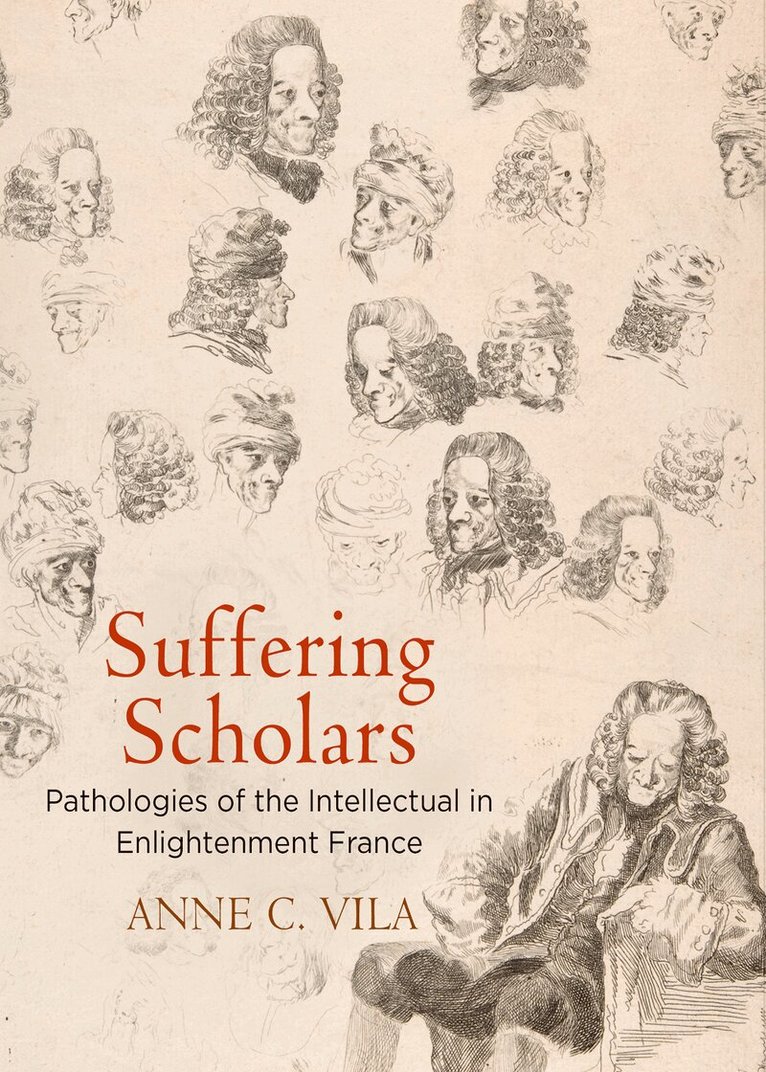
Suffering Scholars
Pathologies of the Intellectual in Enlightenment France
Av Anne C. Vila
Inbunden, 2018
822 kr
Lägg i varukorg
As early as Aristotle's Problem XXX, intellectual superiority has been linked to melancholy. The association between sickness and genius continued to be a topic for discussion in the work of early modern writers, most recognizably in Robert Burton's The Anatomy of Melancholy. But it was not until …
Suffering Scholars
Pathologies of the Intellectual in Enlightenment France
Av Anne C. Vila
E-bok, 2018
957 kr
Lägg i varukorg
As early as Aristotle's Problem XXX, intellectual superiority has been linked to melancholy. The association between sickness and genius continued to be a topic for discussion in the work of early modern writers, most recognizably in Robert Burton's The Anatomy of Melancholy. But it was not until …
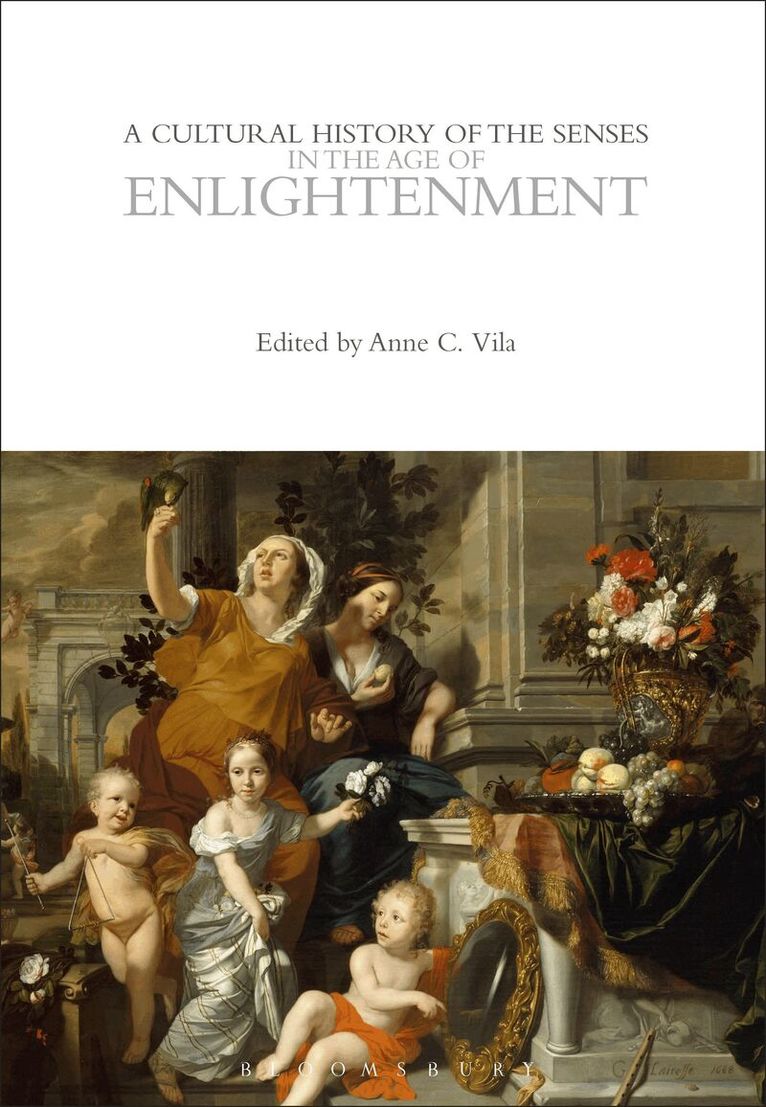
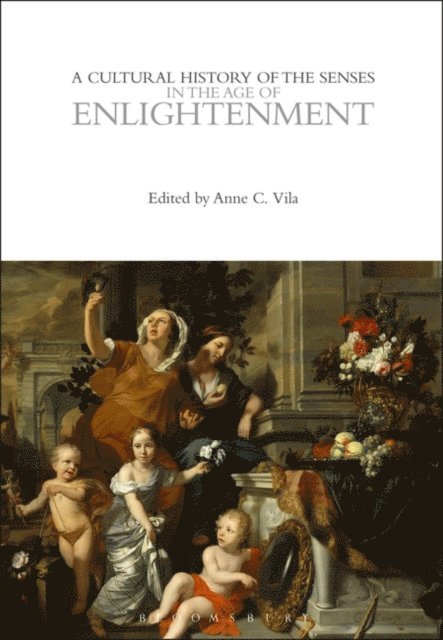
Cultural History of the Senses in the Age of Enlightenment
Av Anne C. Vila
Häftad, 2018
459 kr
Lägg i varukorg
This volume examines the varied ways in which the senses were perceived afresh during the Enlightenment. In addition to introducing new philosophical and scientific models which sometimes upended the classic hierarchy of the senses, this period witnessed major changes in living and working habits, …
Cultural History of the Senses in the Age of Enlightenment
Av Anne C. Vila
E-bok, 2014
499 kr
Lägg i varukorg
This volume examines the varied ways in which the senses were perceived afresh during the Enlightenment. In addition to introducing new philosophical and scientific models which sometimes upended the classic hierarchy of the senses, this period witnessed major changes in living and working habits, …
Cultural History of the Senses in the Age of Enlightenment
Av Anne C. Vila
E-bok, 2014
483 kr
Lägg i varukorg
This volume examines the varied ways in which the senses were perceived afresh during the Enlightenment. In addition to introducing new philosophical and scientific models which sometimes upended the classic hierarchy of the senses, this period witnessed major changes in living and working habits, …