Anne M. Boylan - Böcker
Visar alla böcker från författaren Anne M. Boylan. Handla med fri frakt och snabb leverans.
4 produkter
4 produkter
416 kr
Skickas inom 5-8 vardagar
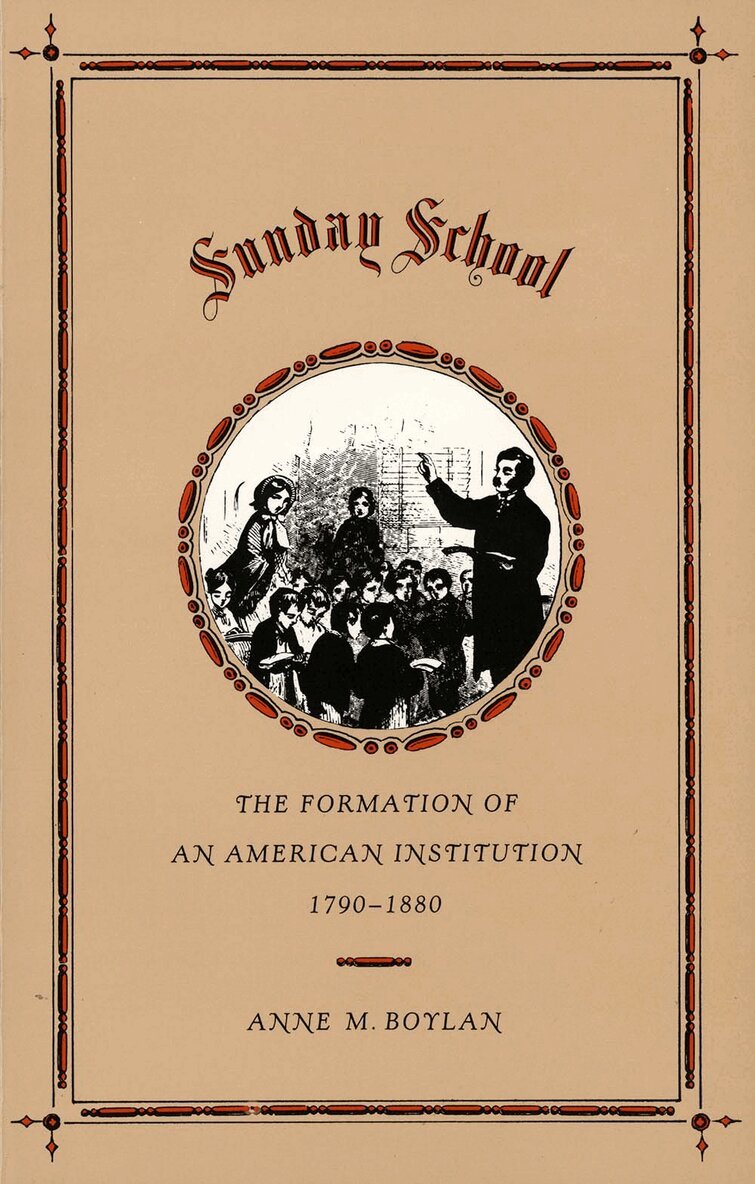
This engrossing book traces the social history of Protestant Sunday schools from their origins in the 1790s—when they taught literacy to poor working children—to their consolidation in the 1870s, when they had become the primary source of new church members for the major Protestant denominations. Anne M. Boylan describes not only the schools themselves but also their place within a national network of evangelical institutions, their complementary relationship to local common schools, and their connection with the changing history of youth and women in the nineteenth century. Her book is a signal contribution to our understanding of American religious and social history, education history, women’s history, and the history of childhood.
460 kr
Skickas inom 10-15 vardagar
Competition and cooperation among the first women's groups; Tracing the deep roots of women's activism in America, Anne Boylan explores the flourishing of women's volunteer associations in the decades following the Revolution. She examines the entire spectrum of early nineteenth-century women's groups - Protestant, Catholic, and Jewish; African American and white; middle and working class - to illuminate the ways in which race, religion, and class could bring women together in pursuit of common goals or drive them apart. Boylan interweaves analyses of more than seventy organizations in New York and Boston with the stories of the women who founded and led them. In so doing, she provides a new understanding of how these groups actually worked and how women's associations, especially those with evangelical Protestant leanings, helped define the gender system of the new republic. She also demonstrates as never before how women in leadership positions combined volunteer work with their family responsibilities, how they raised and invested the money their organizations needed, and how they gained and used political influence in an era when women's citizenship rights were tightly circumscribed.
1 118 kr
Skickas inom 7-10 vardagar
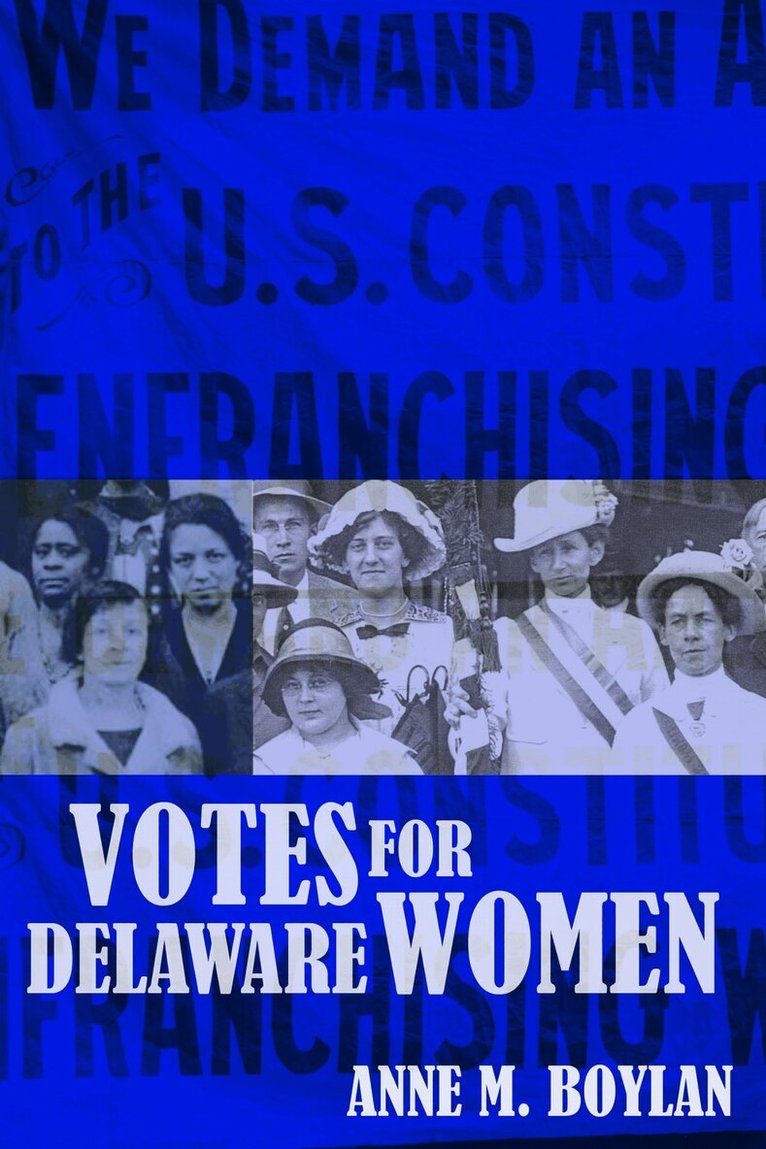
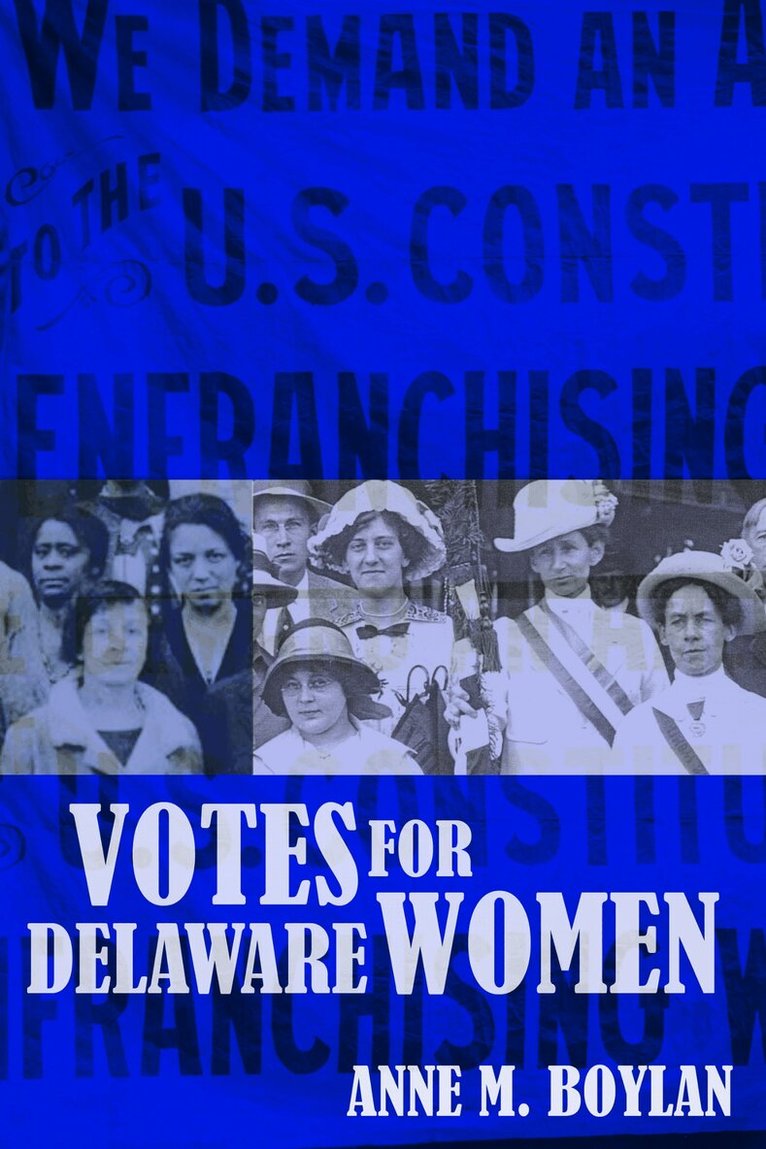
Votes for Delaware Women is the first book-length study of the woman suffrage struggle in Delaware, placing it within the rich historical scholarship of the national story. It looks especially at why, despite decades of suffrage organizing and an epic struggle in Dover, in the spring of 1920, the legislature refused to make Delaware the final state to ratify the Nineteenth Amendment. The book traces how, starting in the 1890s, white and African American women organized and advocated for "votes for women," first by revising the state constitution and then through a federal amendment. Within the state's two major suffrage organizations, the Delaware Equal Suffrage Association (DESA), an affiliate of the National American Women Suffrage Association (NAWSA), and the Delaware branch of the National Woman's Party (NWP), divisions over strategy and tactics widened into fissures, especially during the Great War, making it difficult to unite in a common endeavor. Delaware was unusual as a border state that was segregated but did not disfranchise African Americans. In the end, the book argues, a combination of racial and class issues doomed the ratification effort.
386 kr
Skickas inom 7-10 vardagar
Votes for Delaware Women is the first book-length study of the woman suffrage struggle in Delaware, placing it within the rich historical scholarship of the national story. It looks especially at why, despite decades of suffrage organizing and an epic struggle in Dover, in the spring of 1920, the legislature refused to make Delaware the final state to ratify the Nineteenth Amendment. The book traces how, starting in the 1890s, white and African American women organized and advocated for "votes for women," first by revising the state constitution and then through a federal amendment. Within the state's two major suffrage organizations, the Delaware Equal Suffrage Association (DESA), an affiliate of the National American Women Suffrage Association (NAWSA), and the Delaware branch of the National Woman's Party (NWP), divisions over strategy and tactics widened into fissures, especially during the Great War, making it difficult to unite in a common endeavor. Delaware was unusual as a border state that was segregated but did not disfranchise African Americans. In the end, the book argues, a combination of racial and class issues doomed the ratification effort.