Anne McNevin - Böcker
Visar alla böcker från författaren Anne McNevin. Handla med fri frakt och snabb leverans.
5 produkter
5 produkter
948 kr
Skickas inom 3-6 vardagar
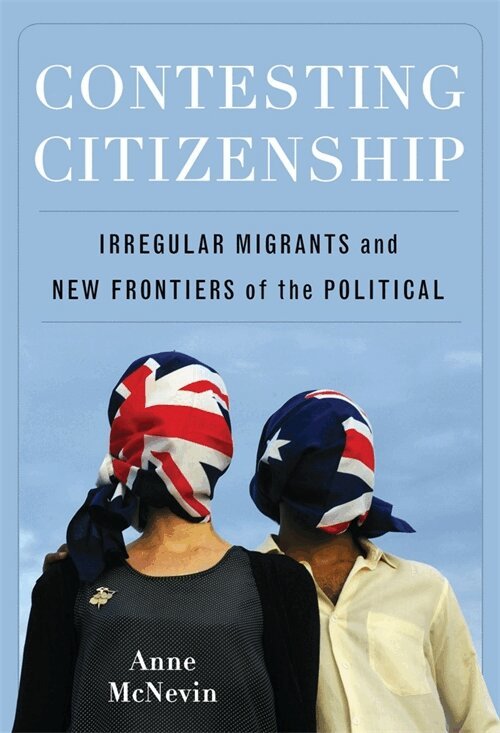
Irregular migrants complicate the boundaries of citizenship and stretch the parameters of political belonging. Comprised of refugees, asylum seekers, "illegal" labor migrants, and stateless persons, this group of migrants occupies new sovereign spaces that generate new subjectivities. Investigating the role of irregular migrants in the transformation of citizenship, Anne McNevin argues that irregular status is an immanent (rather than aberrant) condition of global capitalism, formed by the fast-tracked processes of globalization. McNevin casts irregular migrants as more than mere victims of sovereign power, shuttled from one location to the next. Incorporating examples from the United States, Australia, and France, she shows how migrants reject their position as "illegal" outsiders and make claims on the communities in which they live and work. For these migrants, outsider status operates as both a mode of subjectification and as a site of active resistance, forcing observers to rethink the enactment of citizenship. McNevin connects irregular migrant activism to the complex rescaling of the neoliberal state.States increasingly prioritize transnational market relations that disrupt the spatial context for citizenship. At the same time, states police their borders in ways that reinvigorate territorial identities. Mapping the broad dynamics of political belonging in a neoliberal era, McNevin provides invaluable insight into the social and spatial transformation of citizenship, sovereignty, and power.
2 289 kr
Skickas inom 10-15 vardagar
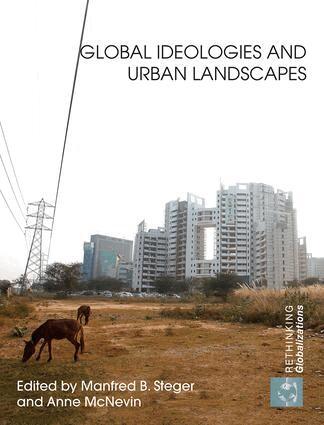
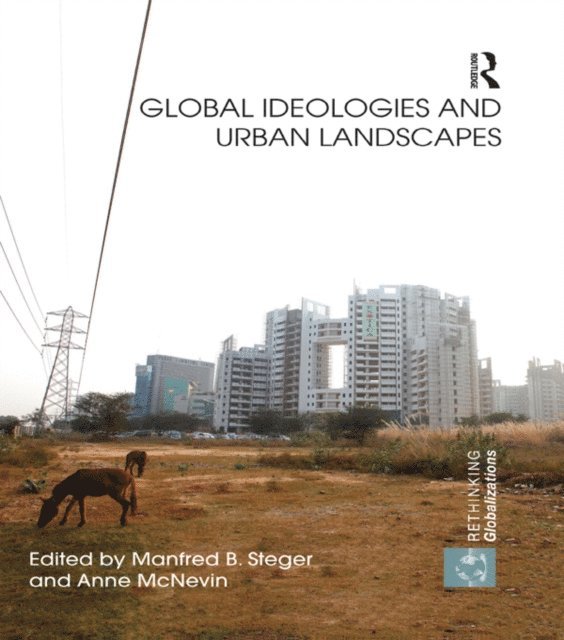
How do political ideologies and urban landscapes intersect in the context of globalization? This volume illuminates the production of ideologies as both discursive and spatial phenomena in distinct contributions that ground their analysis in cities of the Global North and South. From Sydney to Singapore, Hong Kong to Hanoi, Las Vegas to Macau, conventional public spaces are in decline as sites of ideological dissent. Instead, we are witnessing the colonisation of urban space by market globalism (today’s dominant global ideology) and securitised surveillance regimes. Against this backdrop, how should we interpret the proliferation of metaphors that claim to communicate the essence of global transformation? In what ways do space and language work together to normalise the truth claims of powerful ideological players? What kinds of social forces mobilise to contest the cooptation of language and space and to pose alternative local and global futures?This volume poses these questions against the collapse of old geographical scales and cartographic techniques for identifying the contours of civil society. The city acts as an entry point to a new spatial analytics of contemporary ideological forces.This book was published as a special issue of Globalizations.
671 kr
Skickas inom 10-15 vardagar
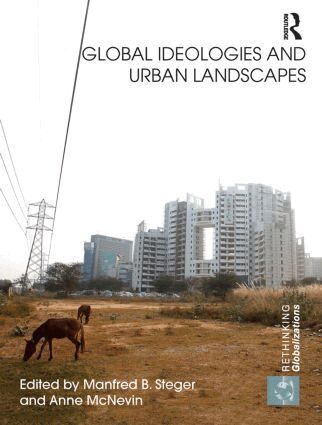
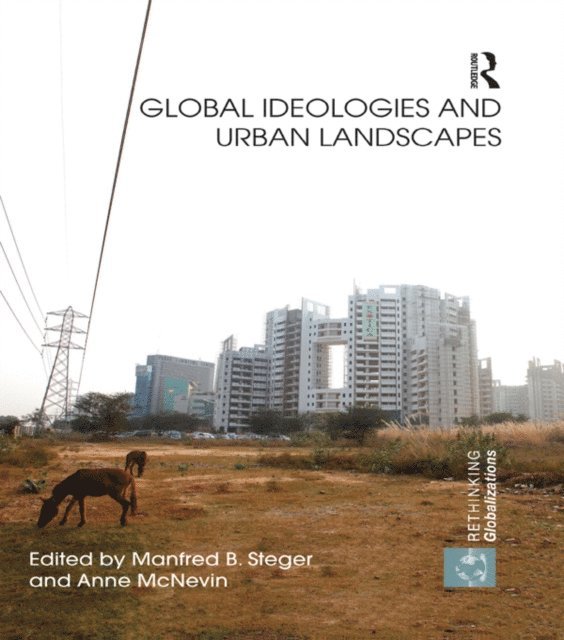
How do political ideologies and urban landscapes intersect in the context of globalization? This volume illuminates the production of ideologies as both discursive and spatial phenomena in distinct contributions that ground their analysis in cities of the Global North and South. From Sydney to Singapore, Hong Kong to Hanoi, Las Vegas to Macau, conventional public spaces are in decline as sites of ideological dissent. Instead, we are witnessing the colonisation of urban space by market globalism (today’s dominant global ideology) and securitised surveillance regimes. Against this backdrop, how should we interpret the proliferation of metaphors that claim to communicate the essence of global transformation? In what ways do space and language work together to normalise the truth claims of powerful ideological players? What kinds of social forces mobilise to contest the cooptation of language and space and to pose alternative local and global futures?This volume poses these questions against the collapse of old geographical scales and cartographic techniques for identifying the contours of civil society. The city acts as an entry point to a new spatial analytics of contemporary ideological forces.This book was published as a special issue of Globalizations.
1 200 kr
Kommande
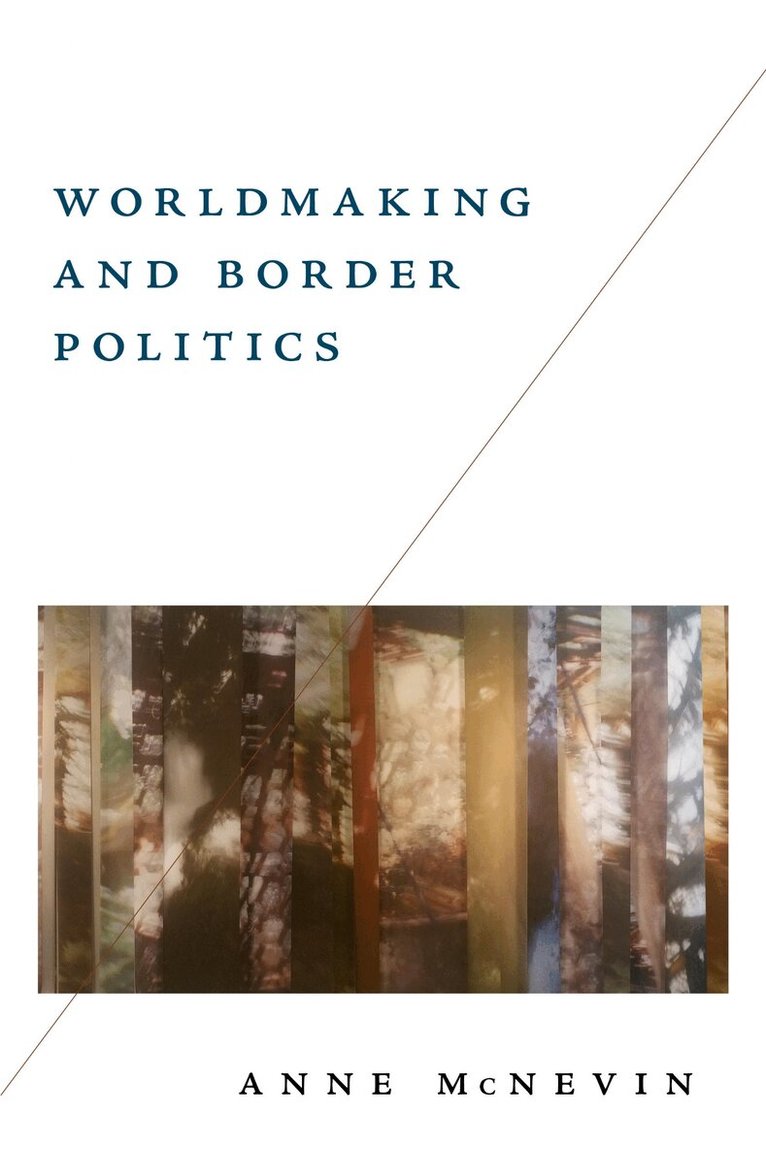
The need and desire for people to move from one place to another, including and especially from one state to another, generates responses from fear and hostility to welcome and compassion. At one extreme, closing borders is the most compelling option for many who wish to repel movements they do not endorse. Others struggle for open borders, but their demands are widely considered politically unfeasible. Between these two poles, the majority of public and scholarly debate pits the human rights of the migrant against the sovereign rights of the state. The sense that there is no escape from the tensions between contending rights gives rise to both enthusiastic and reluctant support for border controls, as either the best or the least-worst options available to deal with the existential stakes of human mobility.Anne McNevin shows why this impasse need not define the limits of political possibility. This book offers a vision of a different border politics, drawing on diverse examples, from a site of immigration detention in Papua New Guinea, to Australian Indigenous modalities of sovereignty to contemporary abolitionist movements. Highlighting inventive practices that prefigure a different kind of world, McNevin makes the case for imagination and experimentation as crucial practical components of geopolitical transformation.
271 kr
Kommande
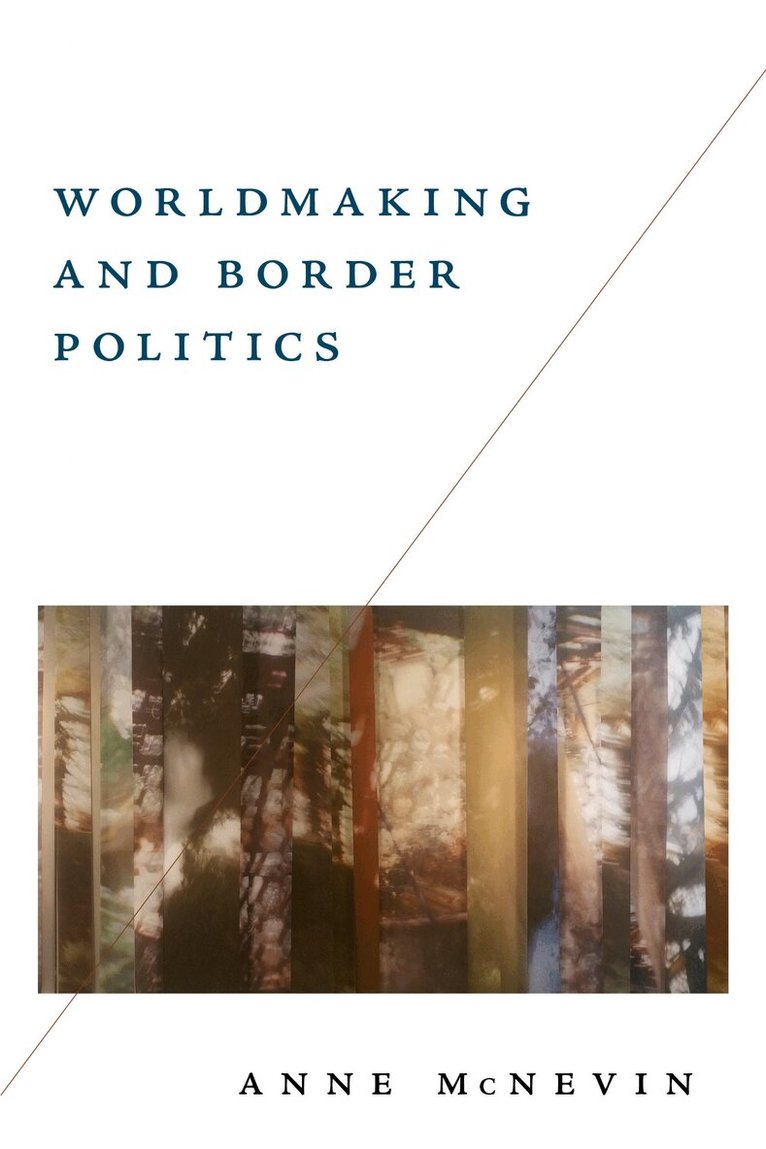
The need and desire for people to move from one place to another, including and especially from one state to another, generates responses from fear and hostility to welcome and compassion. At one extreme, closing borders is the most compelling option for many who wish to repel movements they do not endorse. Others struggle for open borders, but their demands are widely considered politically unfeasible. Between these two poles, the majority of public and scholarly debate pits the human rights of the migrant against the sovereign rights of the state. The sense that there is no escape from the tensions between contending rights gives rise to both enthusiastic and reluctant support for border controls, as either the best or the least-worst options available to deal with the existential stakes of human mobility.Anne McNevin shows why this impasse need not define the limits of political possibility. This book offers a vision of a different border politics, drawing on diverse examples, from a site of immigration detention in Papua New Guinea, to Australian Indigenous modalities of sovereignty to contemporary abolitionist movements. Highlighting inventive practices that prefigure a different kind of world, McNevin makes the case for imagination and experimentation as crucial practical components of geopolitical transformation.