Anny Gaul – författare
Visar alla böcker från författaren Anny Gaul. Handla med fri frakt och snabb leverans.
4 produkter
4 produkter
Del 87 - California Studies in Food and Culture
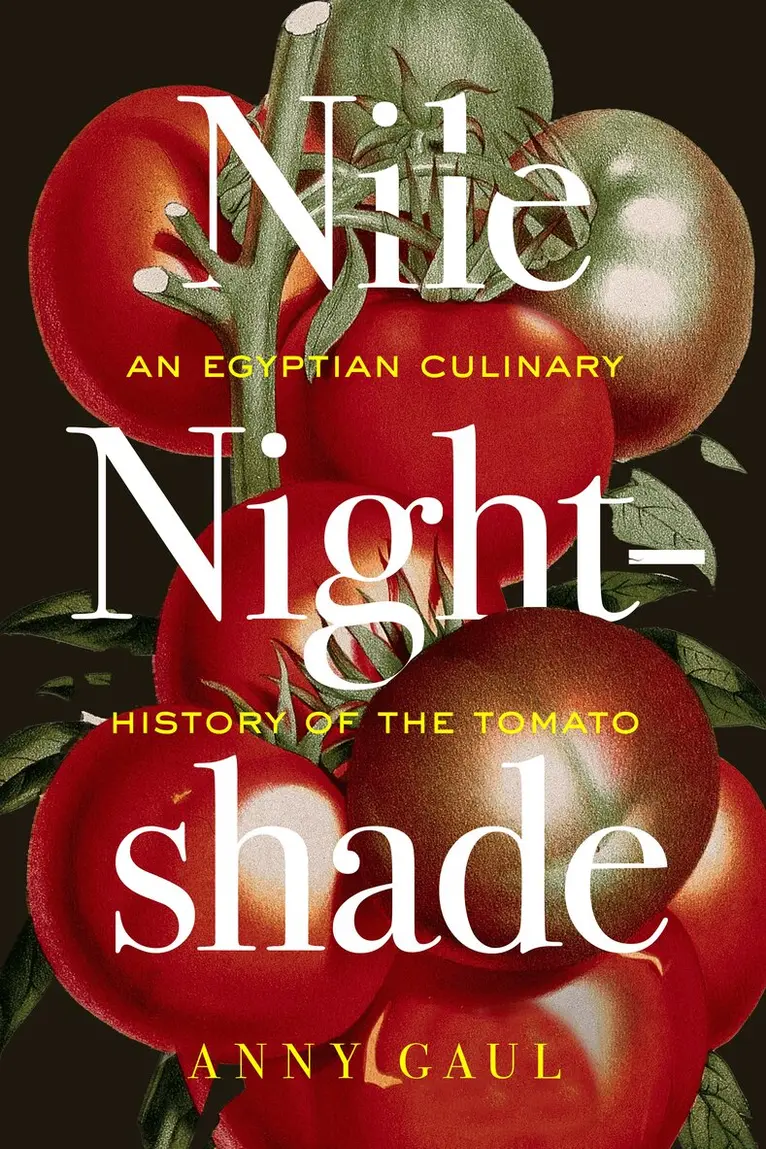
Nile Nightshade
An Egyptian Culinary History of the Tomato
Inbunden, Engelska, 2025
779 kr
Skickas inom 5-8 vardagar
Best Culinary History Book in the World, Gourmand World Cookbook Awards 2025“Leaves few cultural-societal stones unturned in chronicling how the tomato gradually came to be a constant presence in Egyptian life.”—The Wall Street JournalA cultural and culinary history of modern Egypt through the nation's beloved tomato. By the end of the twentieth century, the tomato—indigenous to the Americas—had become Egypt's top horticultural crop and a staple of Egyptian cuisine. The tomato brought together domestic consumers, cookbook readers, and home cooks through a shared culinary culture that sometimes transcended differences of class, region, gender, and ethnicity—and sometimes reinforced them. In Nile Nightshade, Anny Gaul shows how Egyptians' embrace of the tomato and the emergence of Egypt's modern national identity were both driven by the modernization of the country's food system. Drawing from cookbooks, archival materials, oral histories, and vernacular culture, Gaul follows this commonplace food into the realms of domestic policy and labor through the hands of Egypt's overwhelmingly female home cooks. As they wrote recipes and cooked meals, these women forged key aspects of public culture that defined how Egyptians recognized themselves and one another as Egyptian.
Del 87 - California Studies in Food and Culture
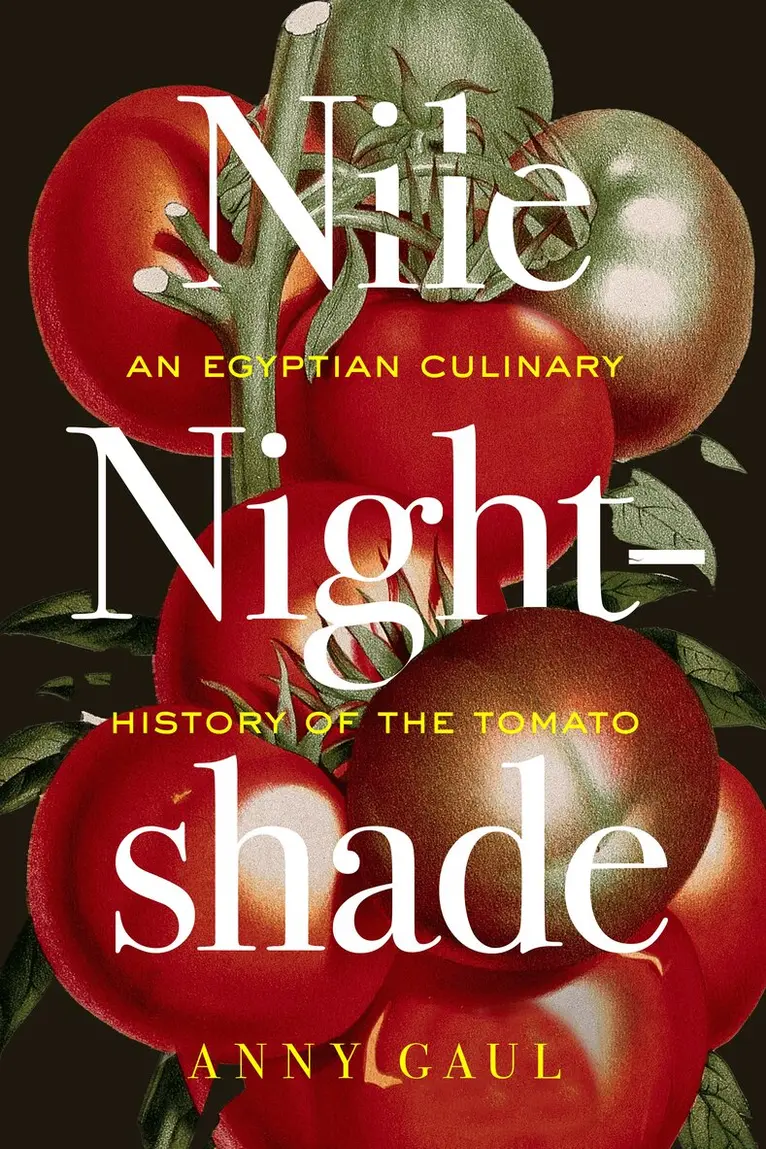
Nile Nightshade
An Egyptian Culinary History of the Tomato
Häftad, Engelska, 2025
234 kr
Skickas inom 5-8 vardagar
Best Culinary History Book in the World, Gourmand World Cookbook Awards 2025“Leaves few cultural-societal stones unturned in chronicling how the tomato gradually came to be a constant presence in Egyptian life.”—The Wall Street JournalA cultural and culinary history of modern Egypt through the nation's beloved tomato. By the end of the twentieth century, the tomato—indigenous to the Americas—had become Egypt's top horticultural crop and a staple of Egyptian cuisine. The tomato brought together domestic consumers, cookbook readers, and home cooks through a shared culinary culture that sometimes transcended differences of class, region, gender, and ethnicity—and sometimes reinforced them. In Nile Nightshade, Anny Gaul shows how Egyptians' embrace of the tomato and the emergence of Egypt's modern national identity were both driven by the modernization of the country's food system. Drawing from cookbooks, archival materials, oral histories, and vernacular culture, Gaul follows this commonplace food into the realms of domestic policy and labor through the hands of Egypt's overwhelmingly female home cooks. As they wrote recipes and cooked meals, these women forged key aspects of public culture that defined how Egyptians recognized themselves and one another as Egyptian.
507 kr
Skickas inom 10-15 vardagar
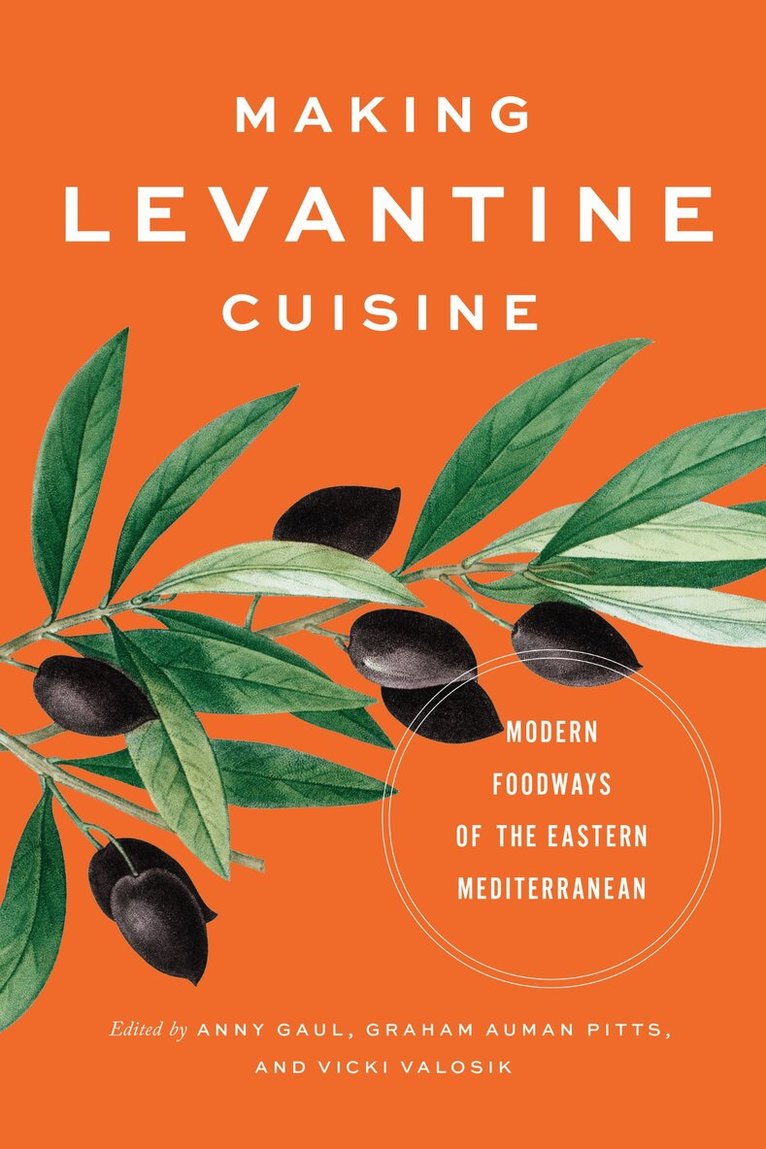
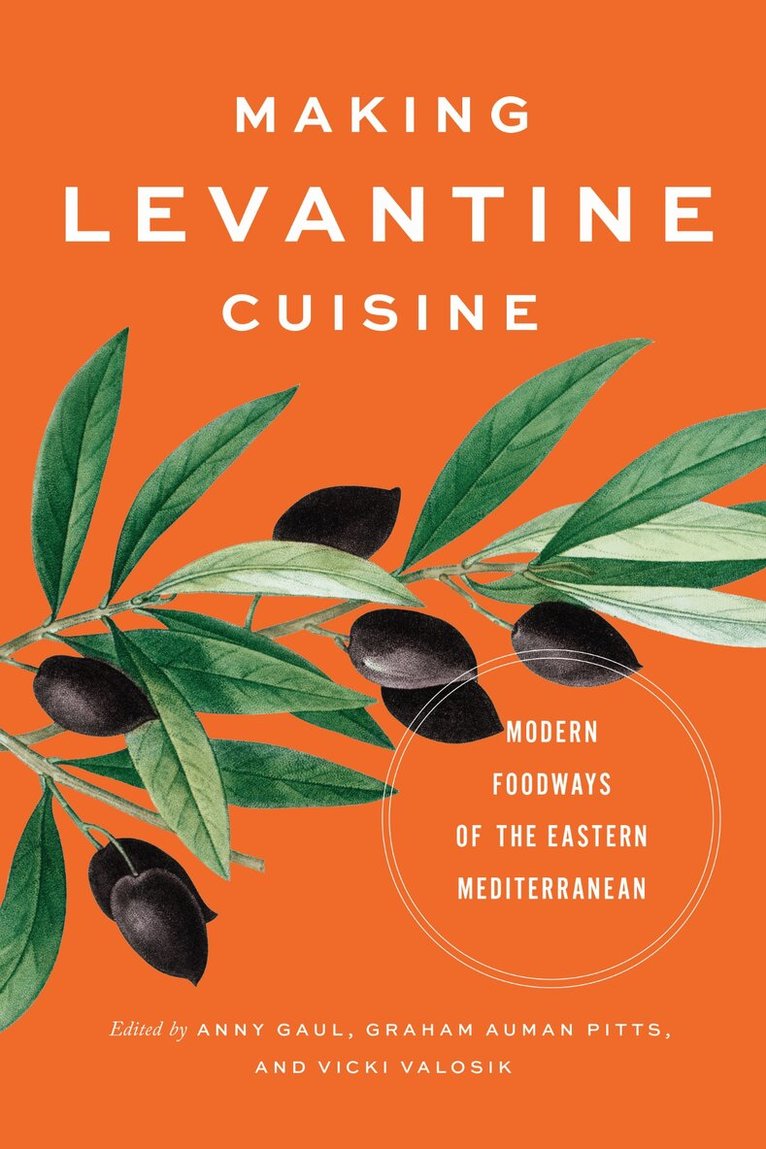
Melding the rural and the urban with the local, regional, and global, Levantine cuisine is a mÉlange of ingredients, recipes, and modes of consumption rooted in the Eastern Mediterranean. Making Levantine Cuisine provides much-needed scholarly attention to the region’s culinary cultures while teasing apart the tangled histories and knotted migrations of food. Akin to the region itself, the culinary repertoires that constitute Levantine cuisine endure and transform-are unified but not uniform. This book delves into the production and circulation of sugar, olive oil, and pistachios; examines the social origins of kibbe, Adana kebab, shakshuka, falafel, and shawarma; and offers a sprinkling of family recipes along the way. The histories of these ingredients and dishes, now so emblematic of the Levant, reveal the processes that codified them as national foods, the faulty binaries of Arab or Jewish and traditional or modern, and the global nature of foodways. Making Levantine Cuisine draws from personal archives and public memory to illustrate the diverse past and persistent cultural unity of a politically divided region.
368 kr
Skickas
Melding the rural and the urban with the local, regional, and global, Levantine cuisine is a mÉlange of ingredients, recipes, and modes of consumption rooted in the Eastern Mediterranean. Making Levantine Cuisine provides much-needed scholarly attention to the region’s culinary cultures while teasing apart the tangled histories and knotted migrations of food. Akin to the region itself, the culinary repertoires that constitute Levantine cuisine endure and transform-are unified but not uniform. This book delves into the production and circulation of sugar, olive oil, and pistachios; examines the social origins of kibbe, Adana kebab, shakshuka, falafel, and shawarma; and offers a sprinkling of family recipes along the way. The histories of these ingredients and dishes, now so emblematic of the Levant, reveal the processes that codified them as national foods, the faulty binaries of Arab or Jewish and traditional or modern, and the global nature of foodways. Making Levantine Cuisine draws from personal archives and public memory to illustrate the diverse past and persistent cultural unity of a politically divided region.