Anthony J. Spurgin – författare
Visar alla böcker från författaren Anthony J. Spurgin. Handla med fri frakt och snabb leverans.
4 produkter
4 produkter
Häftad, Engelska, 2024
671 kr
Skickas inom 10-15 vardagar
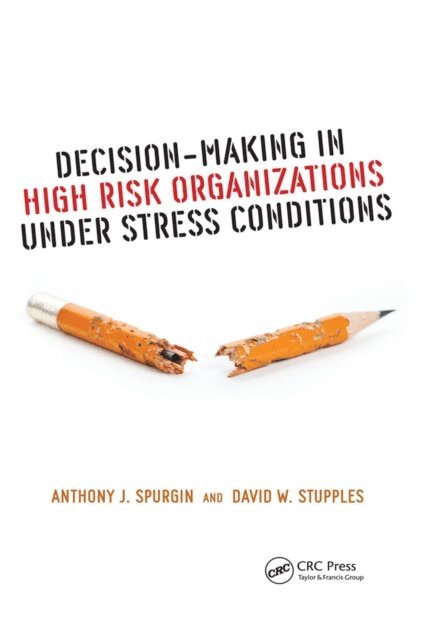
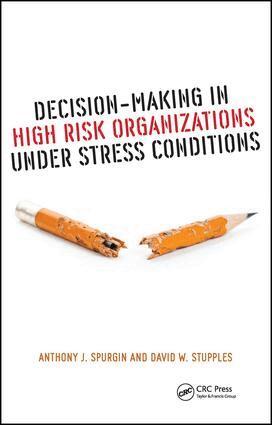
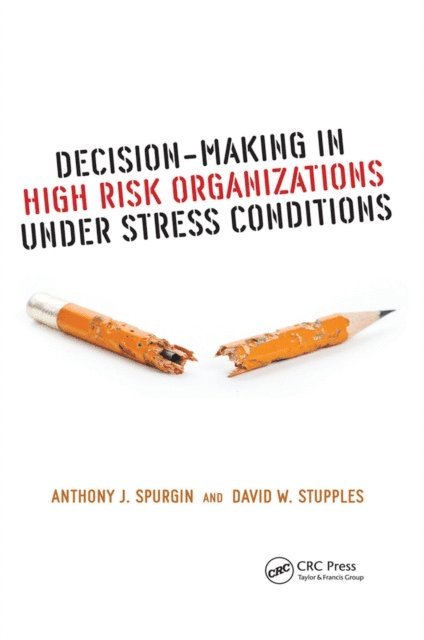
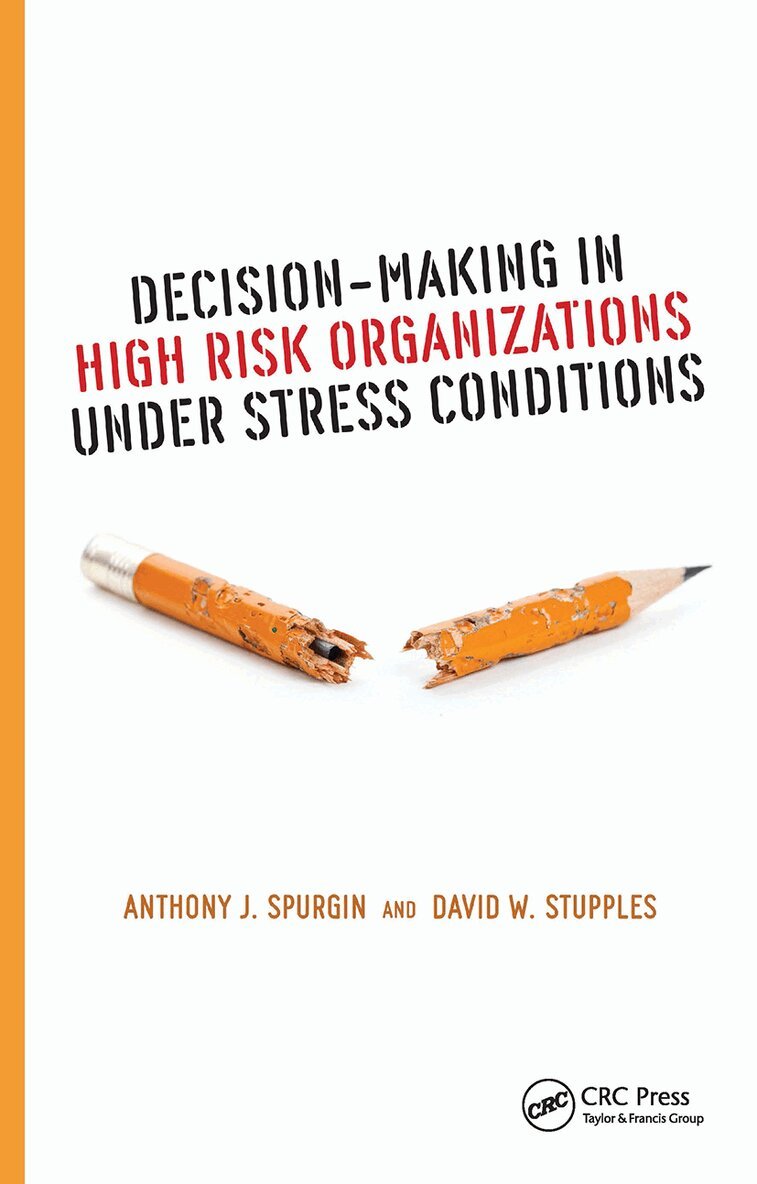
This book discusses management decision-making under accident conditions as a vehicle to confirm the importance of clear decision-making guided by a systems approach on how an organization functions related to the role of managers, operators, and the operation of the plant. The book shows how to effectively assess the reliability of an organization particularly those organizations responsible for critical infrastructure. The authors have used Stafford Beer’s cybernetic model as a basis to model the behavior and reliability of such organizations. A series of case studies are used to draw conclusions not only how training, experience, and education can improve the strategy and response of management to reduce the probability of an economic or social disaster, but also draw attention to the fact that managers need to be made aware of the consequences of their decisions. Poor management decisions made under stress conditions can lead to the collapse of an organization together with its underlying business, possibly linked to a social disaster with loss of life. Some technology-ignorant management decisions even under non-stress conditions can lead to dangerous situations, which can increase the economic burden placed on an organization. This book describes such situations in order to promote improvement in organizational preparedness by training, experience, and education to reduce safety and economic risks. This book offers:• Case studies of accidents that have affected different HROs (high-risk organizations) and others, due to poor decision-making by management• Training methods (advocated by Admiral Hyman Rickover, adopted by military bodies and others) to prepare staff to make critical decisions under difficult conditions and examine their applicability to training managers of high-risk facilities• Documentation on how making decisions in difficult situations have psychological constraints related to the degree of preparedness and the tools available to aid the decision maker(s)• Studies on the key actions taken before, during, and after accidents and how these management decisions can affect accident propagation, and how one could improve management decision-making by the use of training in decision-making and an understanding of Ross Ashby’s Law of Requisite Variety.• Simulation techniques to improve training of front-line operators and management• Consideration of cost and investment evaluations and how they can distort the selection of tactics and measures that ensure successful operations and avoidance of accidents

Häftad, Engelska, 2017
1 127 kr
Skickas inom 10-15 vardagar
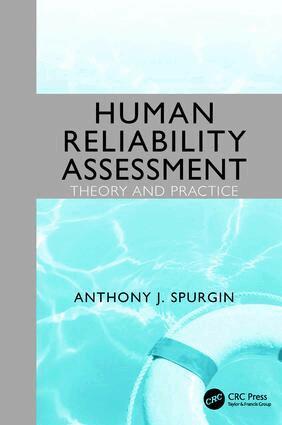
A continually evolving discipline, human reliability assessment (HRA) has elements of controversy from the definition of terms to the application of appropriate methods for the representation of human failure probability. The idea that human error is a random event is falling out of favor and the concept that humans can be set up to fail or succeed depending on context is gaining credibility. An in-depth exploration of current theories, Human Reliability Assessment Theory and Practice demonstrates how to model, change, and apply new approaches to a number of different high-risk industries.The book covers data and data sources, choice of methods, training of individuals, use of simulators for HRA purposes, and the relationship between psychology, human factors, accident analyses, and human reliability. Author Anthony Spurgin has been in the forefront of HRA development for the past 20 years and has contributed to developing human reliability methods and tools that have been applied to the enhancement of nuclear power plant and space vehicle safety. He explores reactor performance and the demands it makes on operators to ensure plant safety. He also covers the roles of plant management in the decision-making applied to both design and operation. The book includes a number of accident studies that illustrate the key roles of operators and managers in accident mitigation and control. The heart of HRA will always be to find creative ways of helping designers, management, operators, and authorities increase the safety and profitability of technological systems. Drawing on his personal experience, Spurgin reviews HRA from the viewpoint of the operator. The book uses examples from the nuclear industry, always on the forefront of safety, and translates how to apply the concepts to other high risk industries.
Inbunden, Engelska, 2009
2 964 kr
Skickas inom 10-15 vardagar
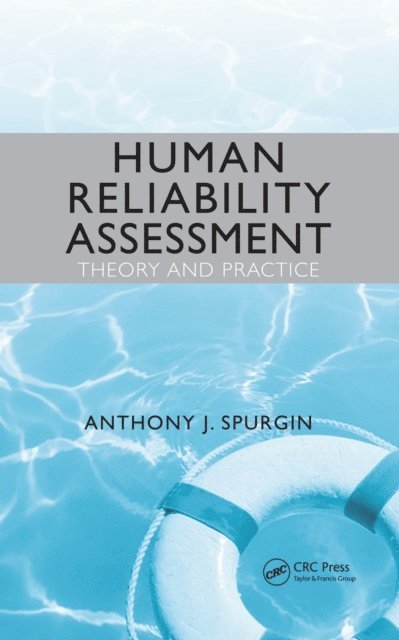
A continually evolving discipline, human reliability assessment (HRA) has elements of controversy from the definition of terms to the application of appropriate methods for the representation of human failure probability. The idea that human error is a random event is falling out of favor and the concept that humans can be set up to fail or succeed depending on context is gaining credibility. An in-depth exploration of current theories, Human Reliability Assessment Theory and Practice demonstrates how to model, change, and apply new approaches to a number of different high-risk industries.The book covers data and data sources, choice of methods, training of individuals, use of simulators for HRA purposes, and the relationship between psychology, human factors, accident analyses, and human reliability. Author Anthony Spurgin has been in the forefront of HRA development for the past 20 years and has contributed to developing human reliability methods and tools that have been applied to the enhancement of nuclear power plant and space vehicle safety. He explores reactor performance and the demands it makes on operators to ensure plant safety. He also covers the roles of plant management in the decision-making applied to both design and operation. The book includes a number of accident studies that illustrate the key roles of operators and managers in accident mitigation and control. The heart of HRA will always be to find creative ways of helping designers, management, operators, and authorities increase the safety and profitability of technological systems. Drawing on his personal experience, Spurgin reviews HRA from the viewpoint of the operator. The book uses examples from the nuclear industry, always on the forefront of safety, and translates how to apply the concepts to other high risk industries.
Inbunden, Engelska, 2016
1 315 kr
Skickas inom 5-8 vardagar
This book discusses management decision-making under accident conditions as a vehicle to confirm the importance of clear decision-making guided by a systems approach on how an organization functions related to the role of managers, operators, and the operation of the plant. The book shows how to effectively assess the reliability of an organization particularly those organizations responsible for critical infrastructure. The authors have used Stafford Beer’s cybernetic model as a basis to model the behavior and reliability of such organizations. A series of case studies are used to draw conclusions not only how training, experience, and education can improve the strategy and response of management to reduce the probability of an economic or social disaster, but also draw attention to the fact that managers need to be made aware of the consequences of their decisions. Poor management decisions made under stress conditions can lead to the collapse of an organization together with its underlying business, possibly linked to a social disaster with loss of life. Some technology-ignorant management decisions even under non-stress conditions can lead to dangerous situations, which can increase the economic burden placed on an organization. This book describes such situations in order to promote improvement in organizational preparedness by training, experience, and education to reduce safety and economic risks. This book offers:• Case studies of accidents that have affected different HROs (high-risk organizations) and others, due to poor decision-making by management• Training methods (advocated by Admiral Hyman Rickover, adopted by military bodies and others) to prepare staff to make critical decisions under difficult conditions and examine their applicability to training managers of high-risk facilities• Documentation on how making decisions in difficult situations have psychological constraints related to the degree of preparedness and the tools available to aid the decision maker(s)• Studies on the key actions taken before, during, and after accidents and how these management decisions can affect accident propagation, and how one could improve management decision-making by the use of training in decision-making and an understanding of Ross Ashby’s Law of Requisite Variety.• Simulation techniques to improve training of front-line operators and management• Consideration of cost and investment evaluations and how they can distort the selection of tactics and measures that ensure successful operations and avoidance of accidents