Anthony Pym – författare
Visar alla böcker från författaren Anthony Pym. Handla med fri frakt och snabb leverans.
38 produkter
Status of the Translation Profession in the European Union
Av Anthony Pym, Claudio Sfreddo m. fl.
Inbunden, 2013
1190 kr
Lägg i varukorg
Based on thorough and extensive research, this book examines in detail traditional status signals in the translation profession. It provides case studies of eight European and non-European countries, with further chapters on sociological and economic modelling, and goes on to identify a number of …
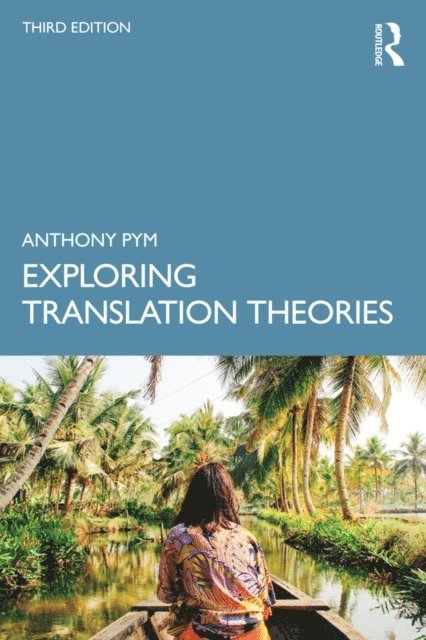
Exploring Translation Theories
Av Anthony Pym
E-bok, 2023
698 kr
Lägg i varukorg
Exploring Translation Theories presents a comprehensive analysis of the core contemporary paradigms of Western translation theory. This engaging overview covers the key theories of equivalence, solution types, purpose, scientific approaches, uncertainty, automation, and cultural translation. Fully …
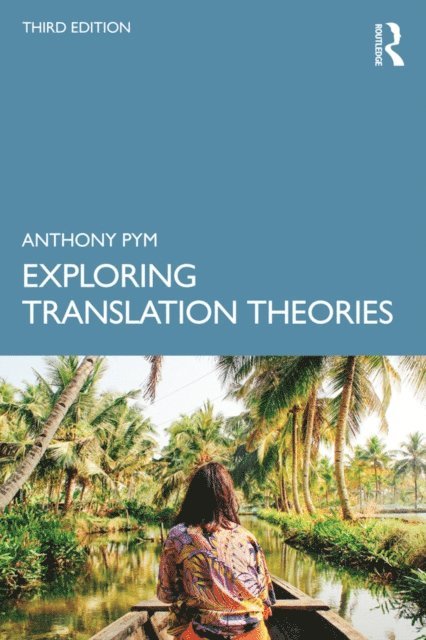
Exploring Translation Theories
Av Anthony Pym
E-bok, 2023
698 kr
Lägg i varukorg
Exploring Translation Theories presents a comprehensive analysis of the core contemporary paradigms of Western translation theory. This engaging overview covers the key theories of equivalence, solution types, purpose, scientific approaches, uncertainty, automation, and cultural translation. Fully …
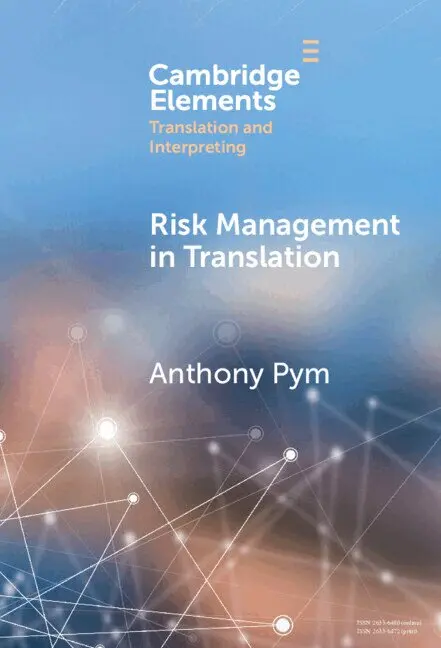
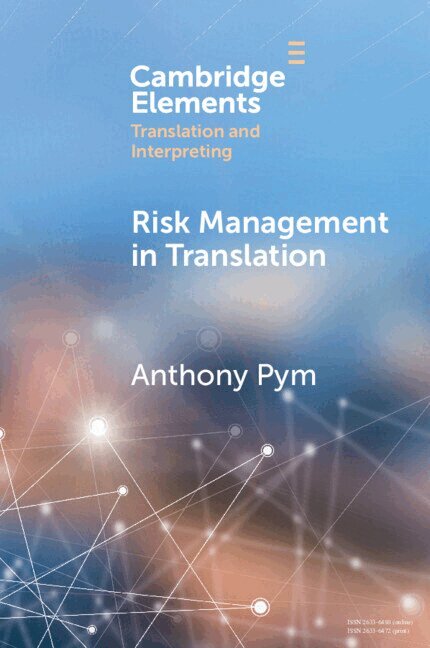
Risk Management in Translation
Av Anthony Pym
Inbunden, 2025
930 kr
Lägg i varukorg
Once fidelity and equivalence are abandoned, how can successful translation be understood? Risk management offers an alternative way of looking at the work of translators and their social function. It posits that the greater the cultural differences, the greater the risks of failed communication. …
Risk Management in Translation
Av Anthony Pym
Häftad, 2025
291 kr
Lägg i varukorg
Once fidelity and equivalence are abandoned, how can successful translation be understood? Risk management offers an alternative way of looking at the work of translators and their social function. It posits that the greater the cultural differences, the greater the risks of failed communication. …
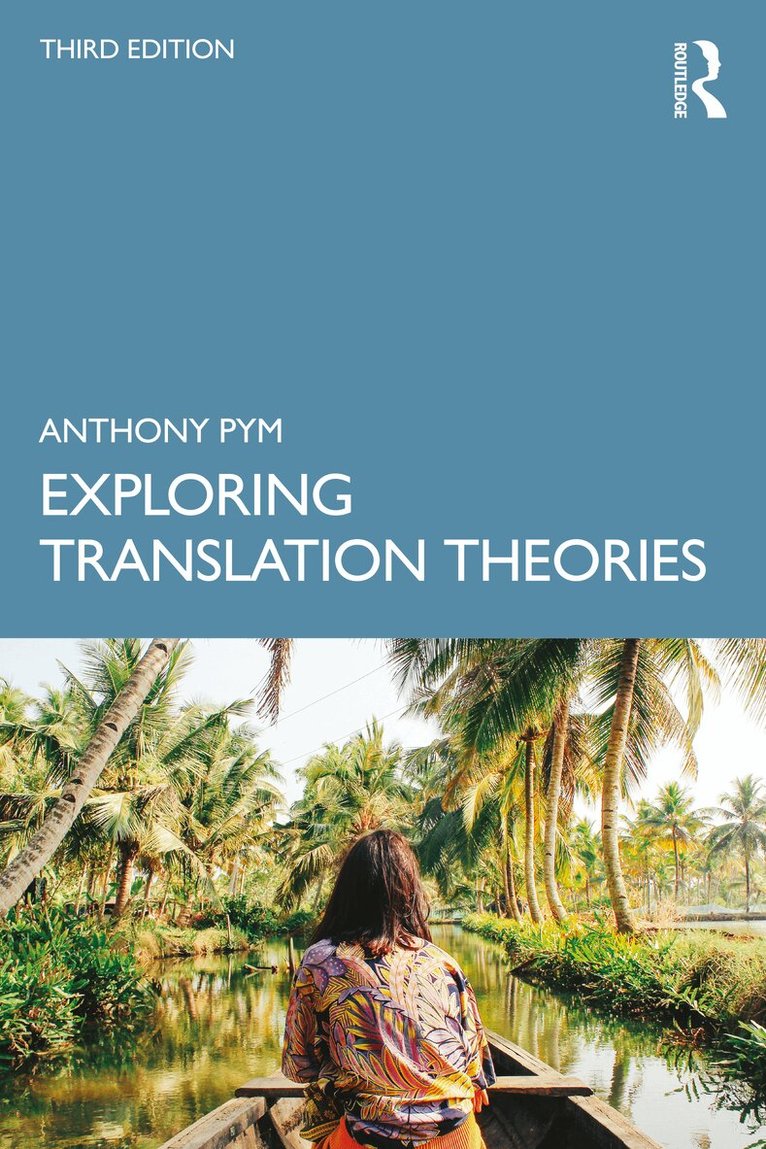
Exploring Translation Theories
Av Anthony Pym
Häftad, 2023
678 kr
Lägg i varukorg
Exploring Translation Theories presents a comprehensive analysis of the core contemporary paradigms of Western translation theory.This engaging overview covers the key theories of equivalence, solution types, purpose, scientific approaches, uncertainty, automation, and cultural translation. Fully …
Exploring Translation Theories
Av Anthony Pym
Inbunden, 2023
2888 kr
Lägg i varukorg
Exploring Translation Theories presents a comprehensive analysis of the core contemporary paradigms of Western translation theory.This engaging overview covers the key theories of equivalence, solution types, purpose, scientific approaches, uncertainty, automation, and cultural translation. Fully …
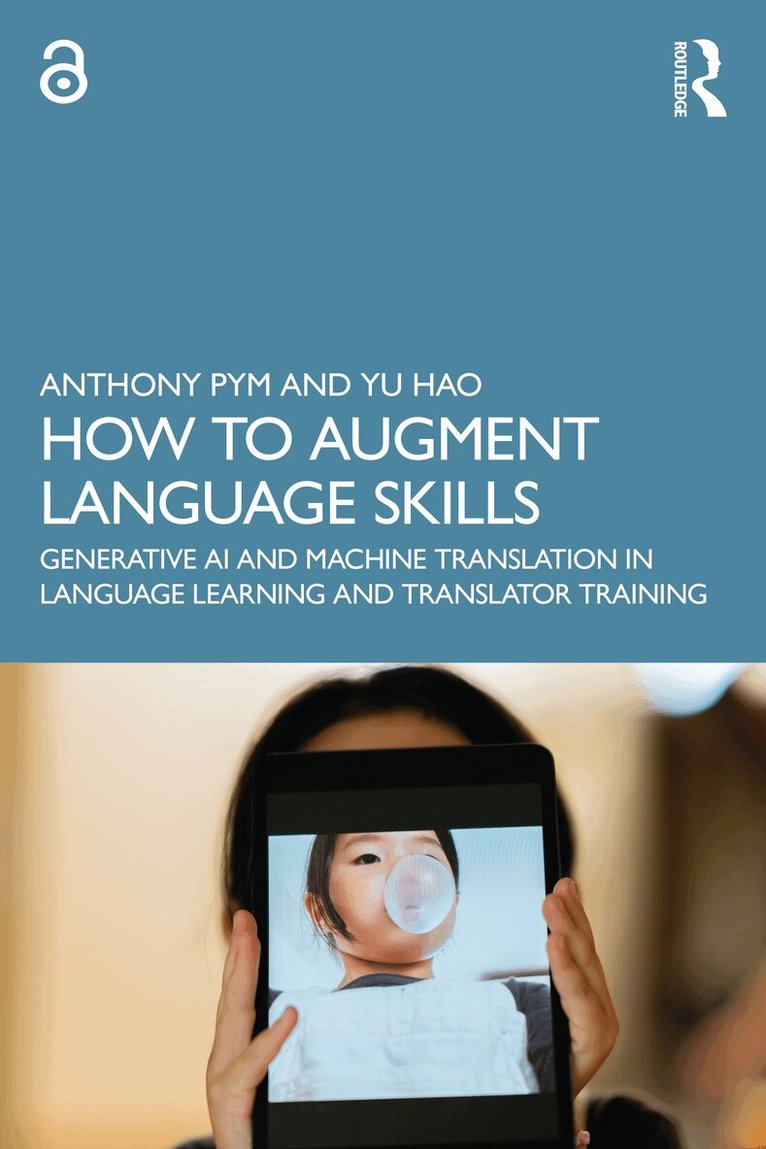
How to Augment Language Skills
Generative AI and Machine Translation in Language Learning and Translator Training
Av Anthony Pym, Yu Hao
Häftad, 2024
652 kr
Lägg i varukorg
How to Augment Language Skills outlines ways in which translators and language providers can expand their skillset and how translation technologies can be integrated into language learning and translator training.This book explains the basics of generative AI, machine translation, and translation …
How to Augment Language Skills
Generative AI and Machine Translation in Language Learning and Translator Training
Av Anthony Pym, Yu Hao
Inbunden, 2024
2586 kr
Lägg i varukorg
How to Augment Language Skills outlines ways in which translators and language providers can expand their skillset and how translation technologies can be integrated into language learning and translator training.This book explains the basics of generative AI, machine translation, and translation …
How to Augment Language Skills
Generative AI and Machine Translation in Language Learning and Translator Training
Av Yu Hao, Anthony Pym
E-bok, 2024
681 kr
Lägg i varukorg
How to Augment Language Skills outlines ways in which translators and language providers can expand their skillset and how translation technologies can be integrated into language learning and translator training. This book explains the basics of generative AI, machine translation, and translation …
How to Augment Language Skills
Generative AI and Machine Translation in Language Learning and Translator Training
Av Yu Hao, Anthony Pym
E-bok, 2024
696 kr
Lägg i varukorg
How to Augment Language Skills outlines ways in which translators and language providers can expand their skillset and how translation technologies can be integrated into language learning and translator training. This book explains the basics of generative AI, machine translation, and translation …
Method in Translator History
A Plea for Reflexive Empiricism
Av Anthony Pym
E-bok, 2026
1030 kr
Lägg i varukorg
Method in Translator History is a complete reworking of the much-cited classic text Method in Translation History. It explains the basics of reflexive empiricism and offers a highly critical assessment of recent developments in the area. New chapters address current issues in the history of …
Method in Translator History
A Plea for Reflexive Empiricism
Av Anthony Pym
E-bok, 2026
1030 kr
Lägg i varukorg
Method in Translator History is a complete reworking of the much-cited classic text Method in Translation History. It explains the basics of reflexive empiricism and offers a highly critical assessment of recent developments in the area. New chapters address current issues in the history of …
Method in Translator History
A Plea for Reflexive Empiricism
Av Anthony Pym
Häftad, 2026
667 kr
Lägg i varukorg
Method in Translator History is a complete reworking of the much-cited classic text Method in Translation History. It explains the basics of reflexive empiricism and offers a highly critical assessment of recent developments in the area. New chapters address current issues in the history of …
Method in Translator History
A Plea for Reflexive Empiricism
Av Anthony Pym
Inbunden, 2026
2586 kr
Lägg i varukorg
Method in Translator History is a complete reworking of the much-cited classic text Method in Translation History. It explains the basics of reflexive empiricism and offers a highly critical assessment of recent developments in the area. New chapters address current issues in the history of …
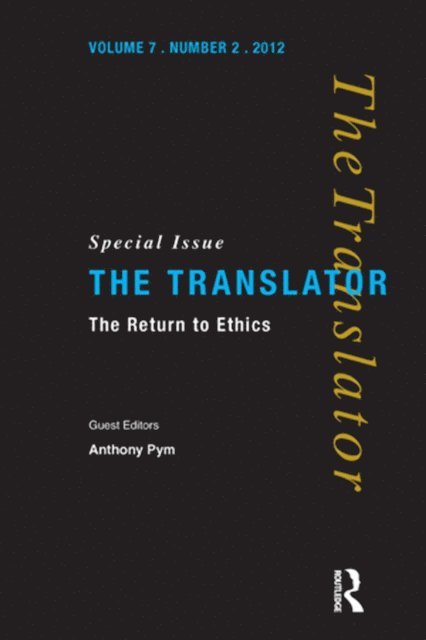
Return to Ethics
Special Issue of The Translator (Volume 7/2, 2001)
Av Anthony Pym
E-bok, 2016
814 kr
Lägg i varukorg
If civilizations are to cooperate as well as clash, our mediators must solve problems using serious thought about relations between Self and Other. Translation Studies has thus returned to questions of ethics. But this is no return to any prescriptive linguistics of equivalence. As the articles in …
Return to Ethics
Special Issue of The Translator (Volume 7/2, 2001)
Av Anthony Pym
E-bok, 2016
814 kr
Lägg i varukorg
If civilizations are to cooperate as well as clash, our mediators must solve problems using serious thought about relations between Self and Other. Translation Studies has thus returned to questions of ethics. But this is no return to any prescriptive linguistics of equivalence. As the articles in …
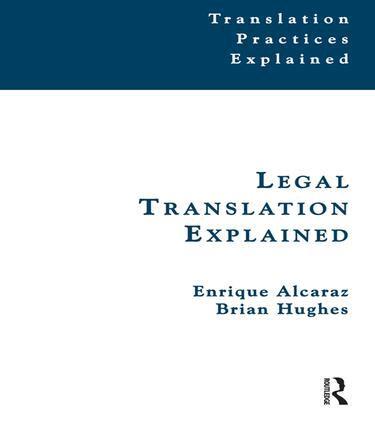
Legal Translation Explained
Av Enrique Alcaraz, Brian Hughes m. fl.
Inbunden, 2015
2820 kr
Lägg i varukorg
Focusing on the problems of translating English legal language, Alcaraz and Hughes offer a wide-ranging view of one of the most demanding and vital areas of contemporary translation practice. Individual chapters deal with legal English as a linguistic system, special concepts in the translation of …
Return to Ethics
Special Issue of The Translator (Volume 7/2, 2001)
Av Anthony Pym
Inbunden, 2017
3156 kr
Lägg i varukorg
If civilizations are to cooperate as well as clash, our mediators must solve problems using serious thought about relations between Self and Other.Translation Studies has thus returned to questions of ethics. But this is no return to any prescriptive linguistics of equivalence. As the articles in …
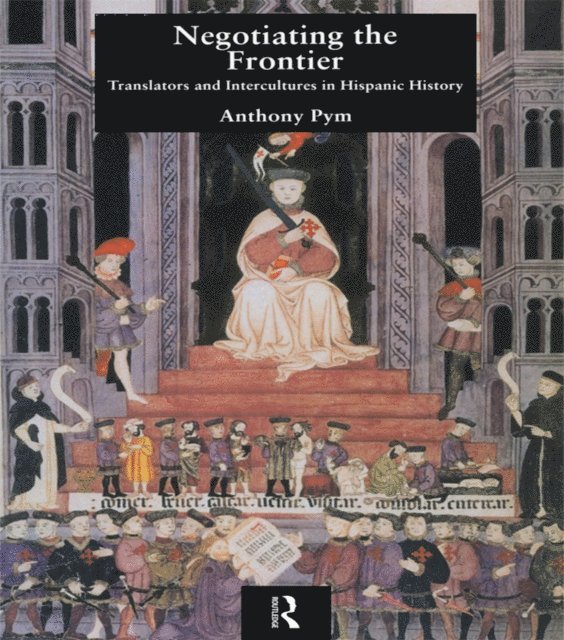
Negotiating the Frontier
Translators and Intercultures in Hispanic History
Av Anthony Pym
E-bok, 2014
785 kr
Lägg i varukorg
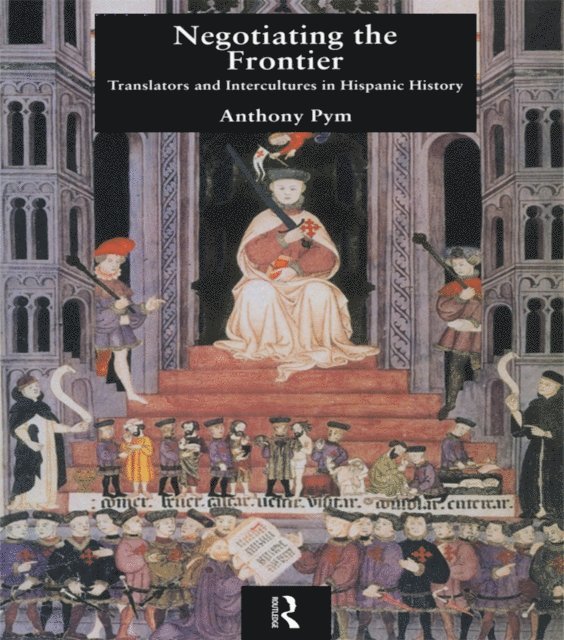
Why would a Latin Qur''an be addressed to readers who knew no Latin? What happens when translators work on paper rather than parchment? Why would a Jewish rabbi translate a bible for Christians? How can a theorist successfully criticize a version of Aristotle without knowing any Greek? Why were …
Negotiating the Frontier
Translators and Intercultures in Hispanic History
Av Anthony Pym
E-bok, 2014
768 kr
Lägg i varukorg
Why would a Latin Qur''an be addressed to readers who knew no Latin? What happens when translators work on paper rather than parchment? Why would a Jewish rabbi translate a bible for Christians? How can a theorist successfully criticize a version of Aristotle without knowing any Greek? Why were …
Legal Translation Explained
Av Brian Hughes, Enrique Alcaraz m. fl.
E-bok, 2014
685 kr
Lägg i varukorg
Focusing on the problems of translating English legal language, Alcaraz and Hughes offer a wide-ranging view of one of the most demanding and vital areas of contemporary translation practice. Individual chapters deal with legal English as a linguistic system, special concepts in the translation of …
Legal Translation Explained
Av Brian Hughes, Enrique Alcaraz m. fl.
E-bok, 2014
670 kr
Lägg i varukorg
Focusing on the problems of translating English legal language, Alcaraz and Hughes offer a wide-ranging view of one of the most demanding and vital areas of contemporary translation practice. Individual chapters deal with legal English as a linguistic system, special concepts in the translation of …
Translation Solutions for Many Languages
Histories of a flawed dream
Häftad, 2017
531 kr
Lägg i varukorg
Many “translation solutions” (often called “procedures,” “techniques,” or “strategies”) have been proposed over the past 50 years or so in French, Chinese, Russian, Ukrainian, English, Spanish, German, Japanese, Italian, Czech, and Slovak. This book analyzes, criticizes and compares them, proposing …
Translation Solutions for Many Languages
Histories of a flawed dream
Inbunden, 2016
2051 kr
Lägg i varukorg
Many “translation solutions” (often called “procedures,” “techniques,” or “strategies”) have been proposed over the past 50 years or so in French, Chinese, Russian, Ukrainian, English, Spanish, German, Japanese, Italian, Czech, and Slovak. This book analyzes, criticizes and compares them, proposing …
Translation Solutions for Many Languages
Histories of a Flawed Dream
Av Anthony Pym
E-bok, 2016
645 kr
Lägg i varukorg
Many “translation solutions” (often called “procedures,” “techniques,” or “strategies”) have been proposed over the past 50 years or so in French, Chinese, Russian, Ukrainian, English, Spanish, German, Japanese, Italian, Czech, and Slovak. This book analyzes, criticizes and compares them, proposing …
Translation Solutions for Many Languages
Histories of a Flawed Dream
Av Anthony Pym
E-bok, 2016
631 kr
Lägg i varukorg
Many “translation solutions” (often called “procedures,” “techniques,” or “strategies”) have been proposed over the past 50 years or so in French, Chinese, Russian, Ukrainian, English, Spanish, German, Japanese, Italian, Czech, and Slovak. This book analyzes, criticizes and compares them, proposing …
Status of the Translation Profession in the European Union
Av Anthony Pym, Claudio Sfreddo m. fl.
Häftad, 2014
435 kr
Lägg i varukorg
Based on thorough and extensive research, this book examines in detail traditional status signals in the translation profession. It provides case studies of eight European and non-European countries, with further chapters on sociological and economic modelling, and goes on to identify a number of …