Anton Moiseienko - Böcker
Visar alla böcker från författaren Anton Moiseienko. Handla med fri frakt och snabb leverans.
9 produkter
9 produkter
567 kr
Skickas inom 10-15 vardagar
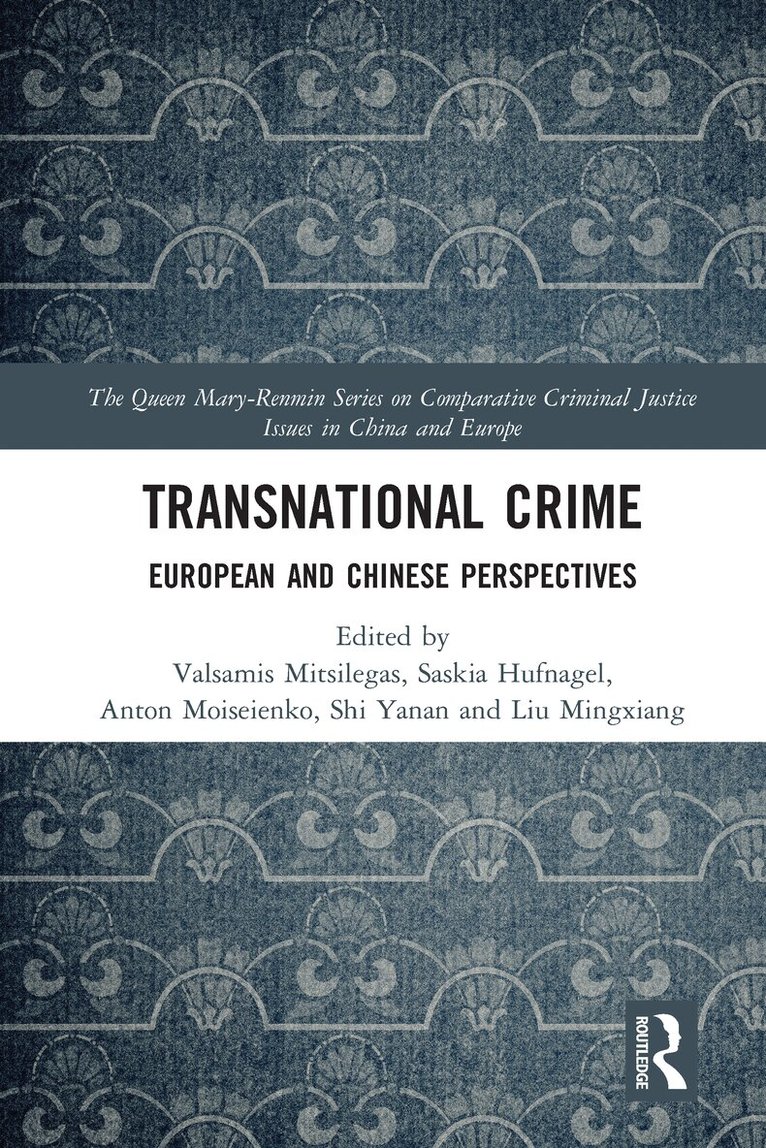
This volume offers a diverse set of perspectives on transnational crime. Providing a wide-ranging overview of the legal and policy issues that arise in connection with various forms of transnational crime, the authors outline the criminal justice responses adopted across different jurisdictions. Including contributions from high profile Chinese and European academics and practitioners across a variety of disciplines and methodological backgrounds, the authors address some of the hitherto underexplored issues related to transnational crime. These range from trafficking in cultural objects derived from illicit metal-detecting and metal-detecting tourism in China to the European approaches to criminalising the denial of historical truth. The central theme of the book is that useful lessons can be drawn from each other’s experiences, and that a cross-fertilisation of domestic approaches to transnational crime is essential to effective cooperation.This book will be of use to students and academics of comparative criminal justice and anyone interested in transnational crime.
Criminal Networks and Law Enforcement
Global Perspectives On Illegal Enterprise
Häftad, Engelska, 2021
592 kr
Skickas inom 10-15 vardagar
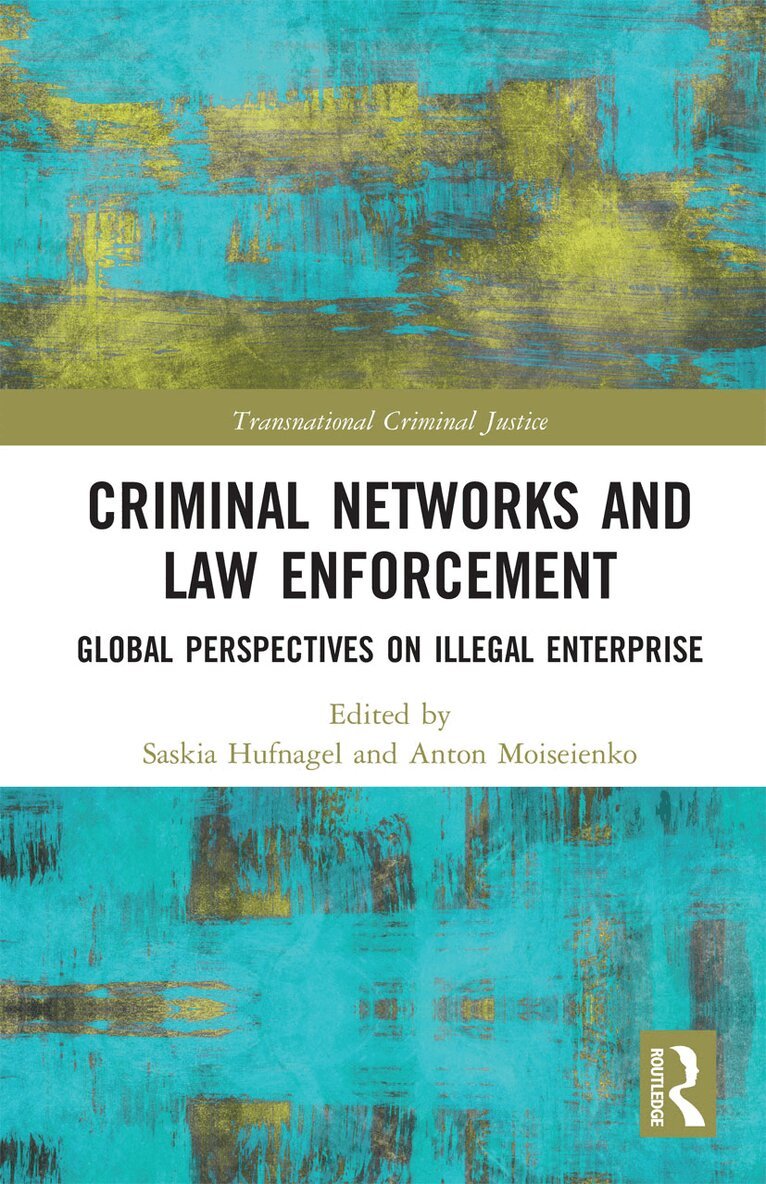
This collection presents an analysis of illicit networks and discusses implications for law enforcement and crime prevention. The contributors draw on a range of methodologies and apply them to diverse international criminological settings, from illegal fishing in the Indo-Pacific to ‘money mule’ networks in the Netherlands. Using a variety of examples, the book elucidates how and why criminals form networks of cooperation and how they can be disrupted. It is expected to be of interest to those who study criminology or criminal law, as well as law enforcement practitioners.
1 921 kr
Skickas inom 10-15 vardagar
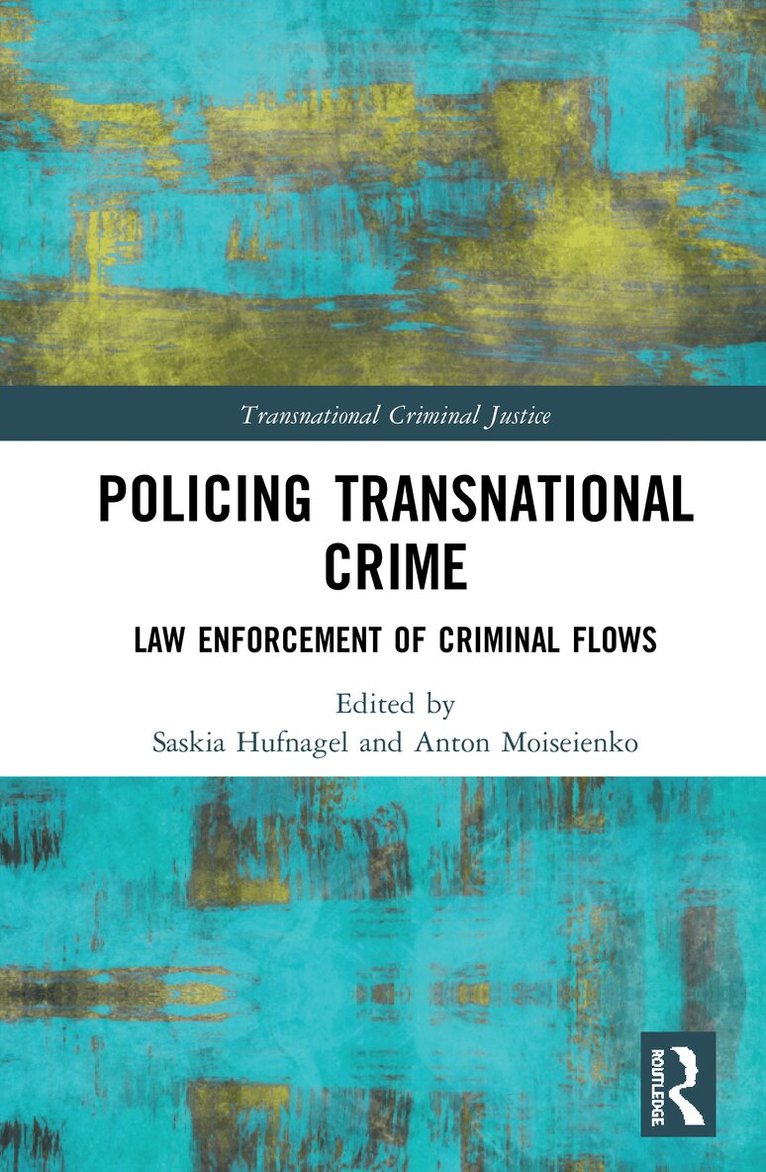
As the threats posed by organised crime and terrorism persist, law enforcement authorities remain under pressure to suppress the movement, or flows, of people and objects that are deemed dangerous. This collection provides a broad overview of the challenges and trends of the policing of flows. How these threats are constructed and addressed by governments and law enforcement agencies is the unifying thread of the book. The concept of flows is interpreted broadly so as to include the trafficking of illicit substances, trade in antiquities, and legal and illegal migration, including cross-border travel by members of organised crime groups or ‘foreign fighters’. The book focuses especially on the responses of governments and law enforcement agencies to the changing nature and intensity of flows. The contributors comprise a mix of lawyers, sociologists, historians and criminologists who address both formal legal and practical, on-the-ground approaches to the policing of flows. The volume invites reflection on whether the existing tool kit of governments and law enforcement agencies is adequate in this changing environment and how it could be modernised, for example, by increased reliance on technology or by reappraising the role of the private sector. As such, the book will be useful not only for academics and practitioners who work on security-related matters, but also more generally to those who are interested in what the near-term future of policing is likely to look like and how the balance between law enforcement on the one hand and human rights and civil liberties on the other can be achieved.
Criminal Networks and Law Enforcement
Global Perspectives On Illegal Enterprise
Inbunden, Engelska, 2019
1 921 kr
Skickas inom 10-15 vardagar
This collection presents an analysis of illicit networks and discusses implications for law enforcement and crime prevention. The contributors draw on a range of methodologies and apply them to diverse international criminological settings, from illegal fishing in the Indo-Pacific to ‘money mule’ networks in the Netherlands. Using a variety of examples, the book elucidates how and why criminals form networks of cooperation and how they can be disrupted. It is expected to be of interest to those who study criminology or criminal law, as well as law enforcement practitioners.
435 kr
Skickas inom 7-10 vardagar
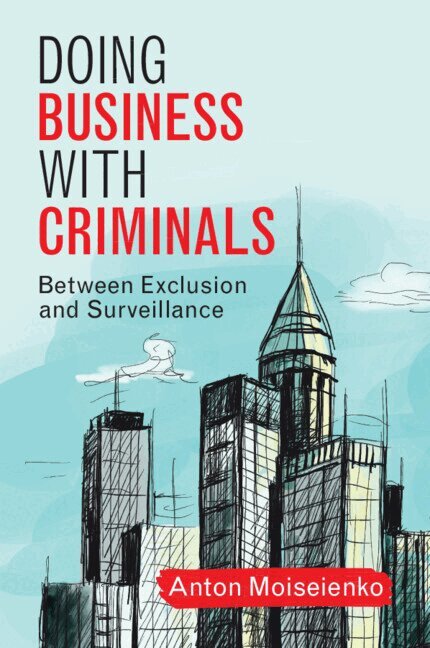
Legitimate companies occasionally find themselves doing business with criminals, wittingly or unwittingly. Past decades have witnessed a dramatic expansion in the array of criminal law and regulatory rules that govern such entanglements. These rules raise fundamental questions about commerce and society, such as: when can someone be excluded from day-to-day commercial interactions? Where is the boundary between legitimate surveillance of suspicious transactions and financial privacy? And, ultimately, what is the point of financial crime rules: are they meant to exclude suspected criminals from the legitimate economy, or help to gather intelligence on them? This book is the first comprehensive account of how these dilemmas shape financial crime rules. Based on a sweeping overview of international experience, it tells a story that will be of interest to a wide audience ranging from the seasoned financial crime expert to the general reader.
1 339 kr
Skickas inom 7-10 vardagar
Legitimate companies occasionally find themselves doing business with criminals, wittingly or unwittingly. Past decades have witnessed a dramatic expansion in the array of criminal law and regulatory rules that govern such entanglements. These rules raise fundamental questions about commerce and society, such as: when can someone be excluded from day-to-day commercial interactions? Where is the boundary between legitimate surveillance of suspicious transactions and financial privacy? And, ultimately, what is the point of financial crime rules: are they meant to exclude suspected criminals from the legitimate economy, or help to gather intelligence on them? This book is the first comprehensive account of how these dilemmas shape financial crime rules. Based on a sweeping overview of international experience, it tells a story that will be of interest to a wide audience ranging from the seasoned financial crime expert to the general reader.
567 kr
Skickas inom 10-15 vardagar
As the threats posed by organised crime and terrorism persist, law enforcement authorities remain under pressure to suppress the movement, or flows, of people and objects that are deemed dangerous. This collection provides a broad overview of the challenges and trends of the policing of flows. How these threats are constructed and addressed by governments and law enforcement agencies is the unifying thread of the book. The concept of flows is interpreted broadly so as to include the trafficking of illicit substances, trade in antiquities, and legal and illegal migration, including cross-border travel by members of organised crime groups or ‘foreign fighters’. The book focuses especially on the responses of governments and law enforcement agencies to the changing nature and intensity of flows. The contributors comprise a mix of lawyers, sociologists, historians and criminologists who address both formal legal and practical, on-the-ground approaches to the policing of flows. The volume invites reflection on whether the existing tool kit of governments and law enforcement agencies is adequate in this changing environment and how it could be modernised, for example, by increased reliance on technology or by reappraising the role of the private sector. As such, the book will be useful not only for academics and practitioners who work on security-related matters, but also more generally to those who are interested in what the near-term future of policing is likely to look like and how the balance between law enforcement on the one hand and human rights and civil liberties on the other can be achieved.
1 921 kr
Skickas inom 10-15 vardagar
This volume offers a diverse set of perspectives on transnational crime. Providing a wide-ranging overview of the legal and policy issues that arise in connection with various forms of transnational crime, the authors outline the criminal justice responses adopted across different jurisdictions. Including contributions from high profile Chinese and European academics and practitioners across a variety of disciplines and methodological backgrounds, the authors address some of the hitherto underexplored issues related to transnational crime. These range from trafficking in cultural objects derived from illicit metal-detecting and metal-detecting tourism in China to the European approaches to criminalising the denial of historical truth. The central theme of the book is that useful lessons can be drawn from each other’s experiences, and that a cross-fertilisation of domestic approaches to transnational crime is essential to effective cooperation.This book will be of use to students and academics of comparative criminal justice and anyone interested in transnational crime.
3 453 kr
Skickas inom 7-10 vardagar
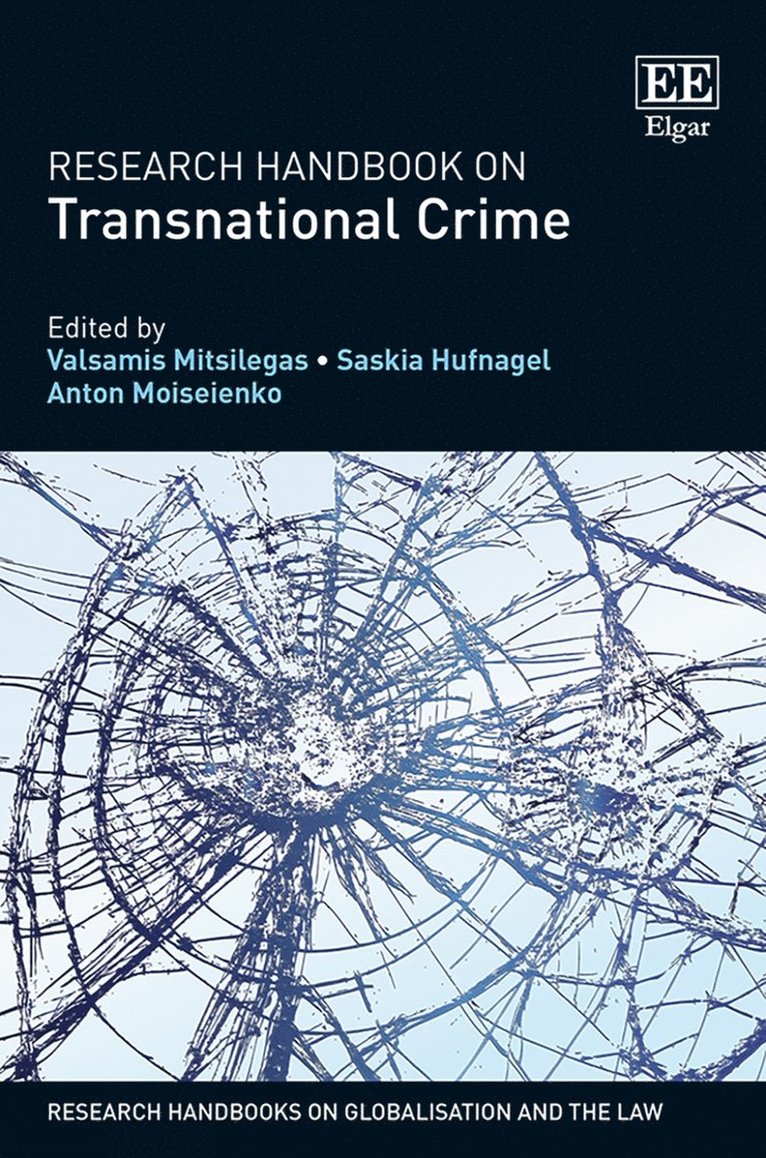
The increasing prevalence of transnational crime in a mobile and interconnected world presents serious challenges, both in terms of analysing these issues and attempting to tackle and prevent them. This Research Handbook on Transnational Crime is an interdisciplinary, up-to-date guide to this growing field, written by an international cohort of leading scholars and experts.The multifaceted nature of the problem is reflected in the structure of this innovative Research Handbook, covering all the major areas of transnational crime, including terrorism, money laundering, environmental crime, migration-related crime, human trafficking, drug trafficking, cybercrime and heritage crime. Each sector is examined through three dedicated chapters that consider in turn legal responses to a given crime, its current criminological understanding, and the practical challenges of policing and prosecution, providing a well-rounded, detailed discussion of each topic. This timely Research Handbook also includes chapters focusing on responses to transnational crime in specific regions, including the EU, the African Union, Asia, South America and ex-Soviet Union countries.This Research Handbook will be crucial reading for academics and students with an interest in criminal justice and criminology, particularly those working on international and transnational crime. Policymakers and practitioners will also find its insights into practical challenges in the field invaluable.Contributors include: M. Bergström, N.l. Bhatia, L.Y.-C. Chang, D. Chappell, M. den Boer, J. Ferwerda, R. Fortson, F. Galli, P. Gottschalk, M.l. Grewcock, A. Grymaneli, M.J. Guia, R.V. Gundur, S.A. Hardy, Y. Holiday, S. Hufnagel, J. Lindley, A. Marks, S. Mehlbaum, V. Mitsilegas, A. Moiseienko, D. Mystris, E. Papastavridis, M. Peters, K. Polk, R.D. Pucci, W.E. Purvis, K. Roach, J. Sheptycki, M.-L. Skilbrei, E. Smith, T. Spapens, J. Ulph, G. Urbas, G.M. Vagliasindi, G. van Bueren, C. Walker, R.W.Y. Wong, S.N.M. Young