• Fri frakt över 249 kr
  • •
  • Snabba leveranser
  • •
  • Billiga böcker
Kundservice

Du är på sajten för privatpersoner.

Företag, bibliotek eller offentlig verksamhet?

Du handlar på classic.bokus.com, där alla dina funktioner finns intakta.
Till classic.bokus.com
Bokus logotyp. Gå till startsidan.
  • Erbjudanden
  • Nyheter
  • Student
  • Topplistor
  • Barn & ungdom
  • Bokus Play
  • E-böcker
  • Pocketböcker
  • Spel & pussel

10% rabatt på allt med kod: NYSTART10 →

Sidfot

Mina sidor

    Hjälp

    • Kundservice
    • Vanliga frågor och svar
    • Frakt och leverans
    • Retur vid ångerrätt
    • Reklamera vara
    • Betalning
    • Köpvillkor
    • Allmänna villkor
    • Information om webbplatsens tillgänglighet

    Om Bokus

    • Om oss
    • Pressrum
    • För studenter
    • För företag
    • För bibliotek och offentlig verksamhet
    • För leverantörer
    • Hållbarhet

    Populärt

    • Aktuella erbjudanden
    • Presentkort
    • Studentlitteratur
    • Nya böcker
    • Topplistor
    • Signerade böcker
    • Engelska böcker

    Inspiration

    • Boktips
    • BookTok
    • Populära bokserier
    • Barnbokskaraktärer
    • Populära författare
    Logotyp för Bokus
    Följ oss på Facebook (extern länk)Följ oss på Instagram (extern länk)Följ oss på YouTube (extern länk)Följ oss på TikTok (extern länk)
    bokus @ CookiesAnpassa cookiesIntegritetspolicyKöpvillkor
    Till Citymail hemsida (extern länk)Till Budbee hemsida (extern länk)Till Postnord hemsida (extern länk)Till Schenker hemsida (extern länk)Till Early Bird hemsida (extern länk)Till Walleys hemsida (extern länk)
    1. Juridik
    2. Särskilda rättsområden
    3. Straffrätt: process och brott

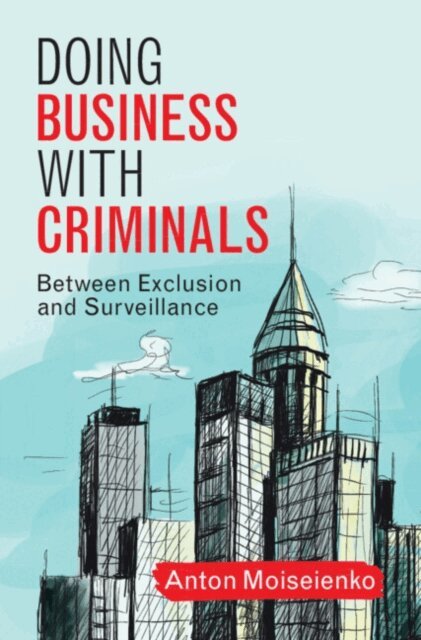
    Doing Business with Criminals

    Between Exclusion and Surveillance

    AvAnton Moiseienko

    Häftad, Engelska, 2025

    443 kr

    Beställningsvara. Skickas inom 10-15 vardagar. Fri frakt över 249 kr.

    Fler format och utgåvor

    E-bok

    537 kr

    E-bok

    537 kr

    Inbunden

    1 364 kr

    Beskrivning

    Legitimate companies occasionally find themselves doing business with criminals, wittingly or unwittingly. Past decades have witnessed a dramatic expansion in the array of criminal law and regulatory rules that govern such entanglements. These rules raise fundamental questions about commerce and society, such as: when can someone be excluded from day-to-day commercial interactions? Where is the boundary between legitimate surveillance of suspicious transactions and financial privacy? And, ultimately, what is the point of financial crime rules: are they meant to exclude suspected criminals from the legitimate economy, or help to gather intelligence on them? This book is the first comprehensive account of how these dilemmas shape financial crime rules. Based on a sweeping overview of international experience, it tells a story that will be of interest to a wide audience ranging from the seasoned financial crime expert to the general reader.

    Produktinformation

    • Utgivningsdatum:2025-07-31
    • Mått:229 x 151 x 16 mm
    • Vikt:362 g
    • Format:Häftad
    • Språk:Engelska
    • Antal sidor:242
    • Förlag:Cambridge University Press
    • ISBN:9781009609821

    Utforska kategorier

    • Straffrätt: process och brott inom Juridik
    • Finansrätt inom Juridik
    • Affärsförhandlingar inom Ekonomi och Ledarskap

    Mer om författaren

    Anton Moiseienko is a Senior Lecturer in Law at the Australian National University. He has advised governments and parliaments on financial crime in Australia, Europe and North America. His previous book is Corruption and Targeted Sanctions (Brill, 2019). He is also an Associate Fellow at the Royal United Services Institute, UK.

    Recensioner i media

    'This well-written and intellectually innovative book on the controls on financial crime - money laundering, terror finance and sanctions - sets out its stall 'to contribute to our current collective understanding of the legal and policy choices that need to be made as governments and parliaments attempt to regulate criminals' interactions with the legitimate economy. In essence, this is an exercise in ordering and clarifying our thinking about the objectives, incentives and challenges that manifest themselves across the sprawling, increasingly complicated domain of financial crime regulation.' It achieves this with admirable clarity, identifying the misalignment of objectives - the exclusion of criminal actors from the legitimate economy and their surveillance - and helping readers think through how to align these better with fewer unintended negative consequences. These tensions in objectives and their relationship with what public and private actors do will be around for some years yet, and I have no doubt that Doing Business with Criminals will remain a classic for years to come.' Michael Levi, Cardiff University

    Innehållsförteckning

    • 1. Business with Criminals; 2. From Stolen Cattle to Football Clubs: The History of Anti-Money Laundering; 3. Servant of Many Masters: The Objectives of Anti-Money Laundering; 4. Zero Tolerance: Terrorist Financing and Targeted Sanctions; 5. Conclusion: A Call for Recalibration.