Antoni Abat i Ninet – författare
Visar alla böcker från författaren Antoni Abat i Ninet. Handla med fri frakt och snabb leverans.
10 produkter
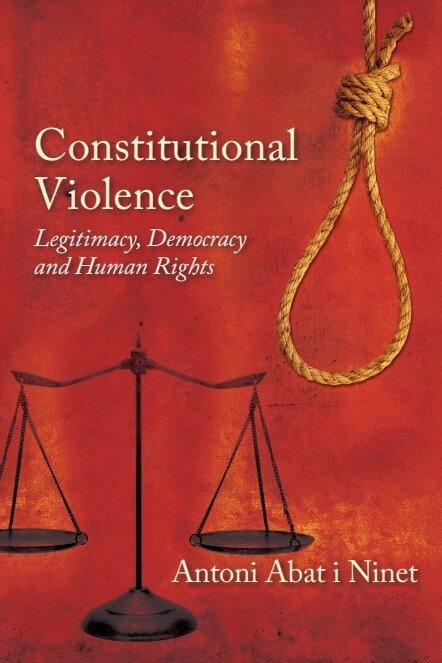
Constitutional Violence
Legitimacy, Democracy and Human Rights
Häftad, 2014
384 kr
Lägg i varukorg
Is a constitution the best device for ruling a country? Western political systems tend to be ‘constitutional democracies’, dividing the system into a domain of politics, where the people rule, and a domain of law, set aside for a trained elite. Antoni Abat i Ninet strives to resolve these …
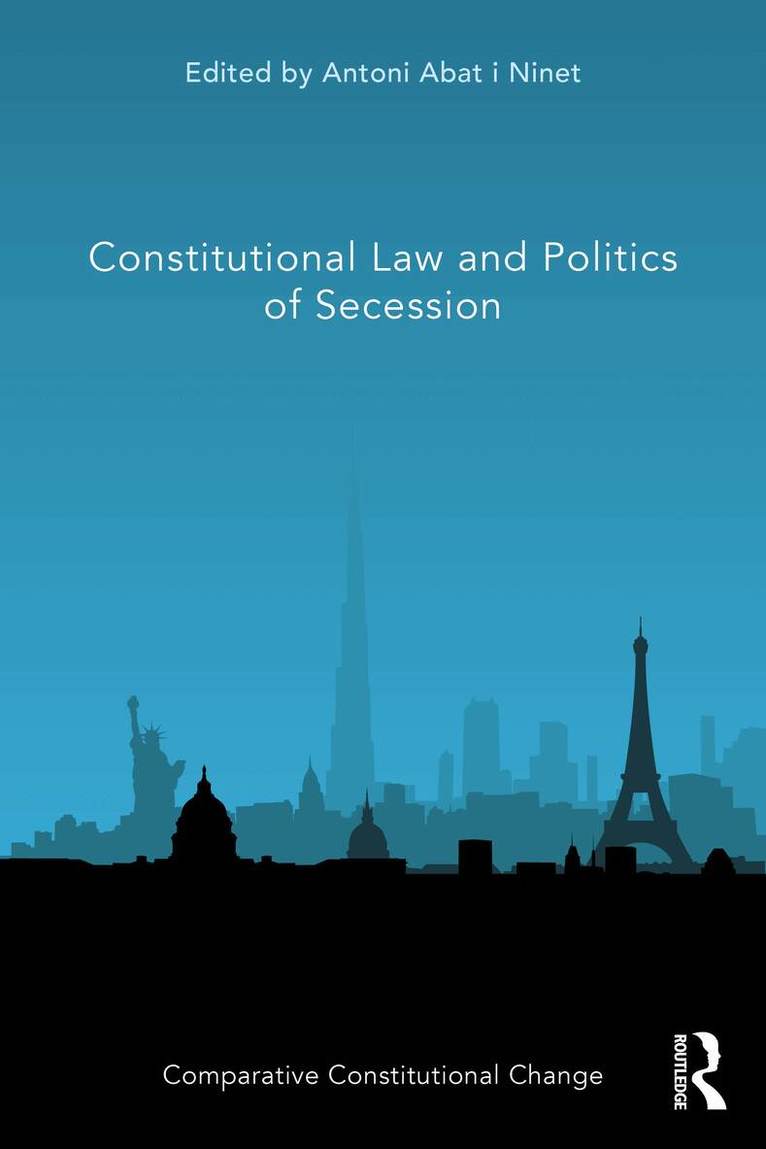
Constitutional Law and Politics of Secession
E-bok, 2023
781 kr
Lägg i varukorg
This collection presents an analysis of the concept of secession and its constitutional accommodation alongside an assessment of the effects of secession in constitutional and international law. The work proposes a new approach and insights into the existing literature that fill a gap from …
Constitutional Law and Politics of Secession
E-bok, 2023
781 kr
Lägg i varukorg
This collection presents an analysis of the concept of secession and its constitutional accommodation alongside an assessment of the effects of secession in constitutional and international law. The work proposes a new approach and insights into the existing literature that fill a gap from …
Constitutional Law and Politics of Secession
Inbunden, 2023
2524 kr
Lägg i varukorg
This collection presents an analysis of the concept of secession and its constitutional accommodation alongside an assessment of the effects of secession in constitutional and international law. The work proposes a new approach and insights into the existing literature that fill a gap from …
Constitutional Law and Politics of Secession
Häftad, 2024
663 kr
Lägg i varukorg
This collection presents an analysis of the concept of secession and its constitutional accommodation alongside an assessment of the effects of secession in constitutional and international law. The work proposes a new approach and insights into the existing literature that fill a gap from …
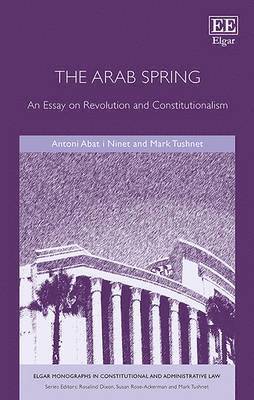
Arab Spring
An Essay on Revolution and Constitutionalism
Av Antoni Abat i Ninet, Mark Tushnet
Inbunden, 2015
1844 kr
Lägg i varukorg
Approaching the concept of Islamic constitutionalism from a comparative perspective, this thought-provoking study by Antoni Abat i Ninet and Mark Tushnet uses traditional Western political theory as a lens to develop a framework for analyzing the events known as the 'Arab Spring'.Writing with …
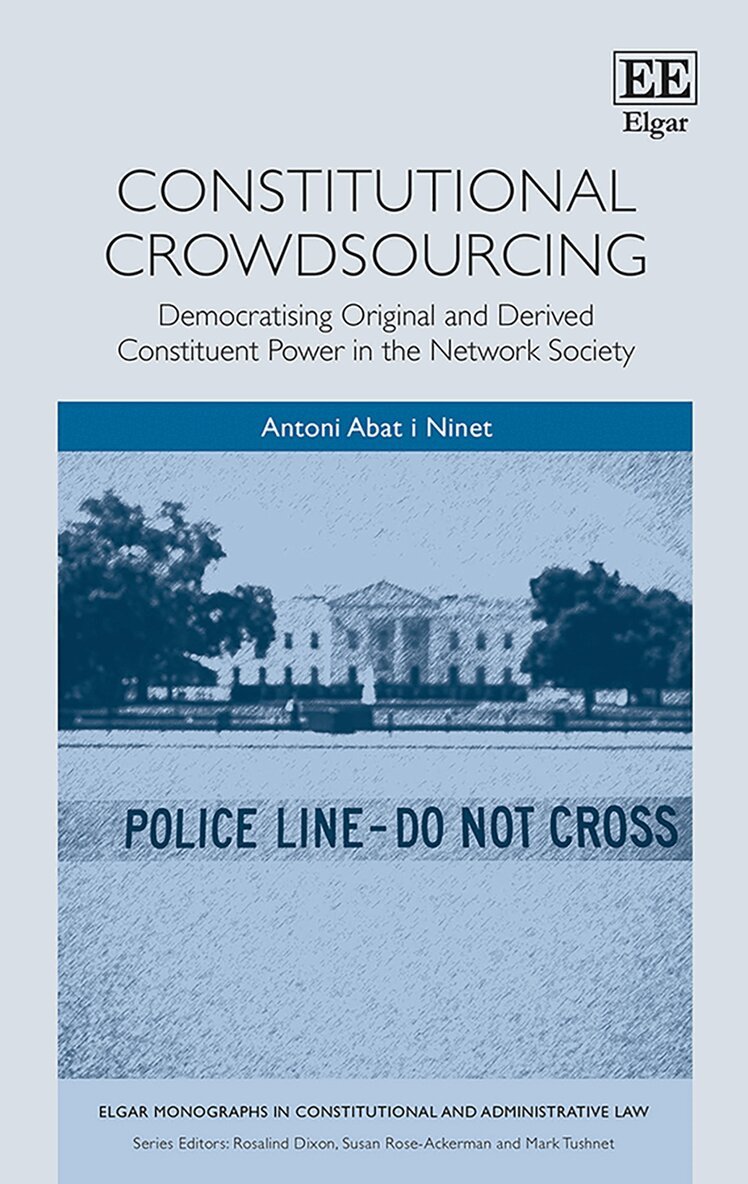
Constitutional Crowdsourcing
Democratising Original and Derived Constituent Power in the Network Society
Inbunden, 2021
1495 kr
Lägg i varukorg
Conceptualising the new phenomenon of constitutional crowdsourcing, this incisive book examines democratic legitimacy, participation, and decision-making in constitutions and constitutionalism. It analyses how the wider population can be given a voice in constitution-making and in constitutional …
Constitutional Crowdsourcing
Democratising Original and Derived Constituent Power in the Network Society
E-bok, 2021
422 kr
Lägg i varukorg
Conceptualising the new phenomenon of constitutional crowdsourcing, this incisive book examines democratic legitimacy, participation, and decision-making in constitutions and constitutionalism. It analyses how the wider population can be given a voice in constitution-making and in constitutional …
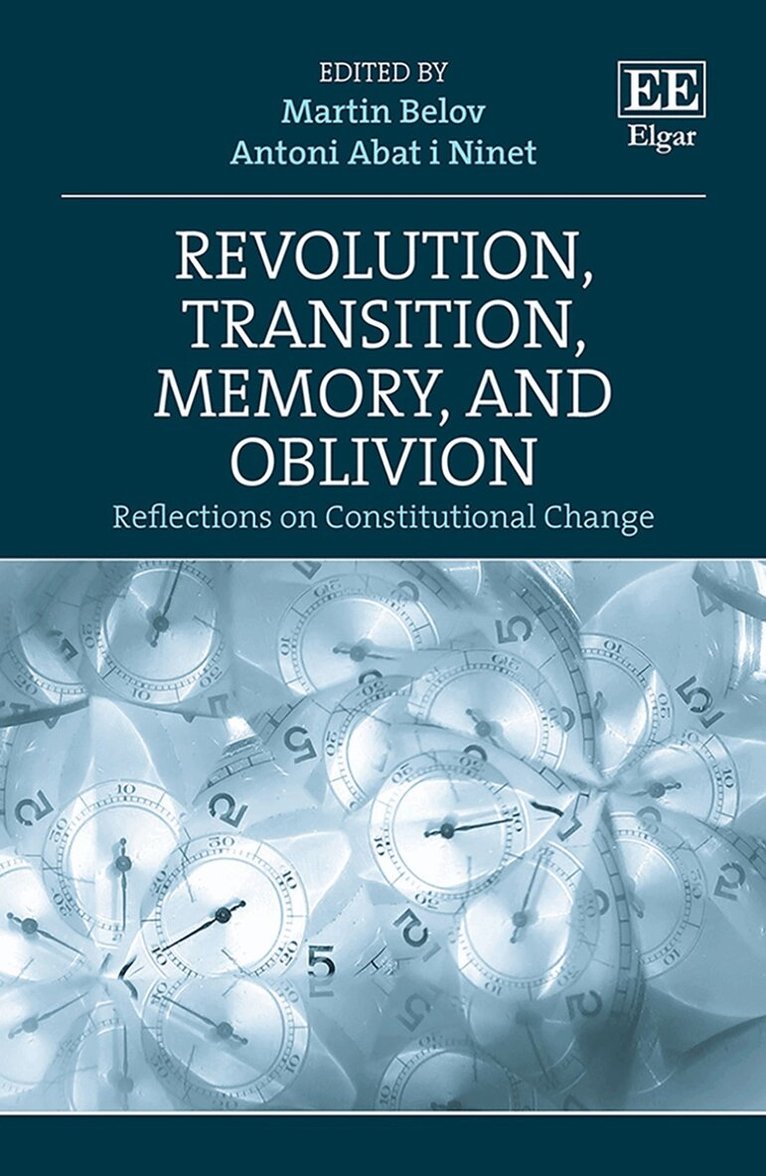
Revolution, Transition, Memory, and Oblivion
Reflections on Constitutional Change
Av Martin Belov, Antoni Abat i Ninet
Inbunden, 2020
1764 kr
Lägg i varukorg
This timely book offers a novel theory of constitutional revolutions, providing a new and engaging framework for critically assessing how revolutions and contra-revolutions, transitional periods and the phenomenon of oblivion influence constitutional change. Contributions by leading scholars in the …
Revolution, Transition, Memory, and Oblivion
Reflections on Constitutional Change
Av Antoni Abat i Ninet, Martin Belov
E-bok, 2020
413 kr
Lägg i varukorg
This timely book offers a novel theory of constitutional revolutions, providing a new and engaging framework for critically assessing how revolutions and contra-revolutions, transitional periods and the phenomenon of oblivion influence constitutional change. Contributions by leading scholars in the …