Antonia Grunenberg – författare
Visar alla böcker från författaren Antonia Grunenberg. Handla med fri frakt och snabb leverans.
6 produkter
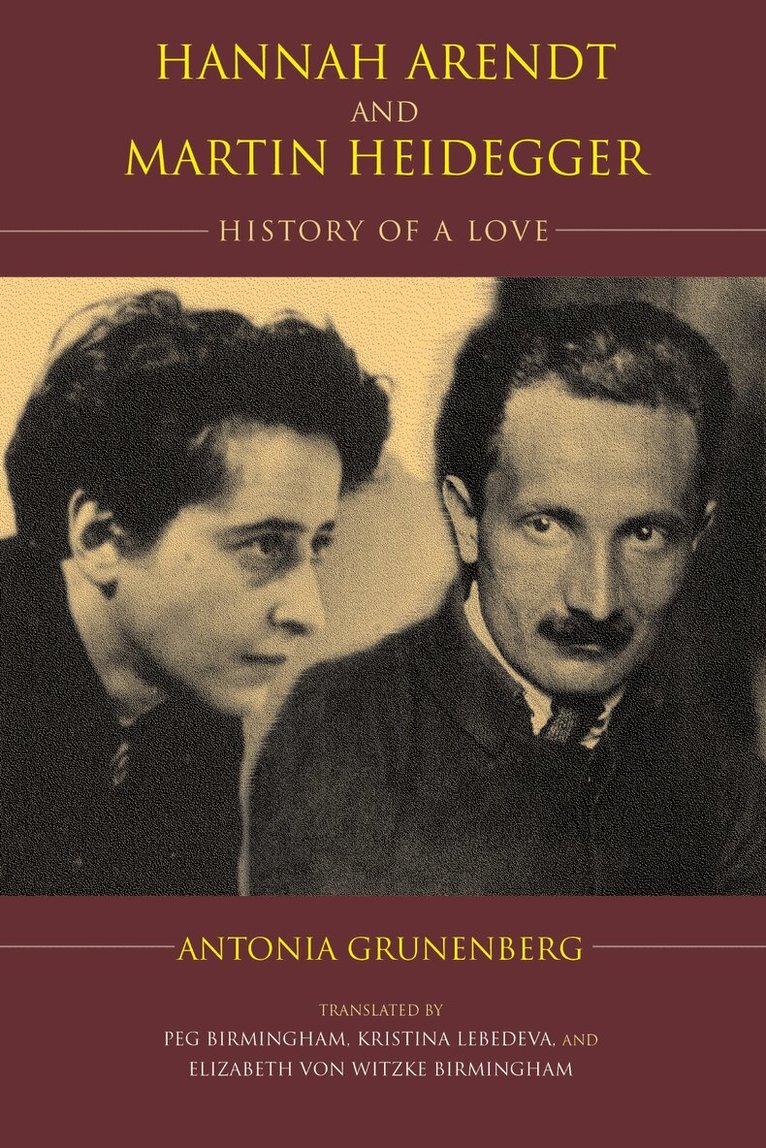
Hannah Arendt and Martin Heidegger
History of a Love
Inbunden, 2017
1387 kr
Lägg i varukorg
How could Hannah Arendt, a German Jew who fled Germany in 1931, have reconciled with Martin Heidegger, whom she knew had joined and actively participated in the Nazi Party? In this remarkable biography, Antonia Grunenberg tells how the relationship between Arendt and Heidegger embraced both love …
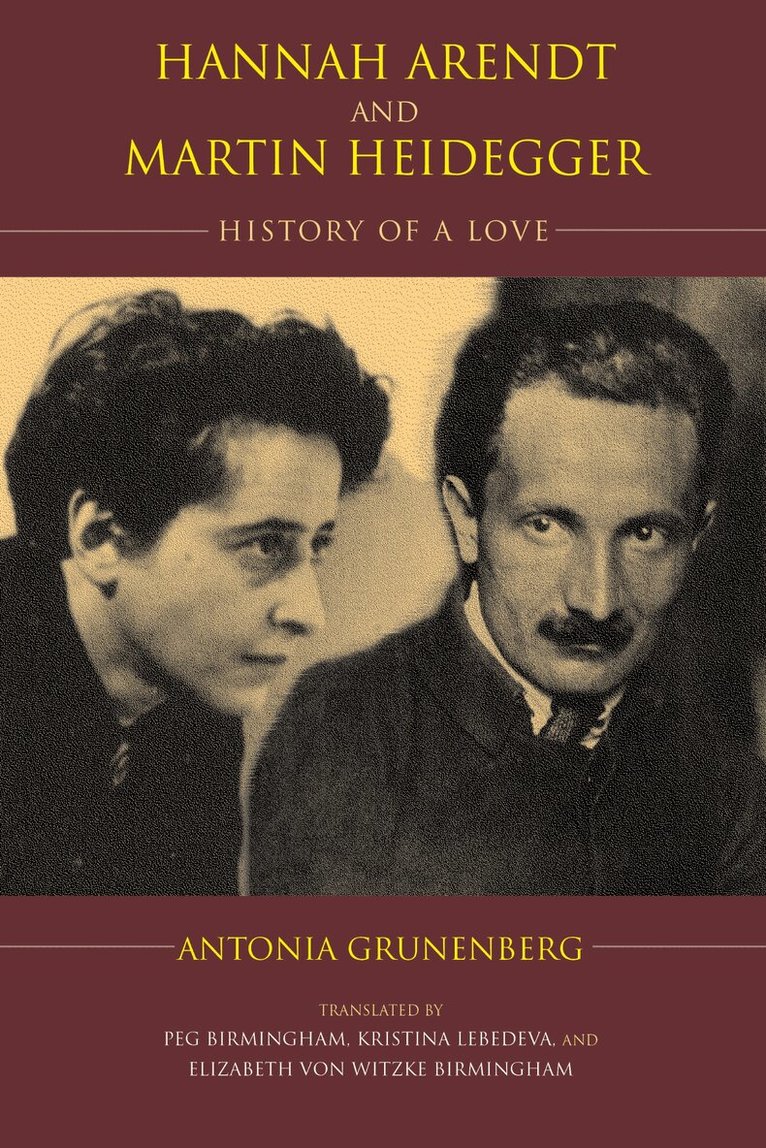
Hannah Arendt and Martin Heidegger
History of a Love
Av Antonia Grunenberg, and Elizabeth von Witzke Birmingham. Antonia Grunenberg Translated by Peg Birmingham, Kristina Lebedeva
Häftad, 2017
497 kr
Lägg i varukorg
How could Hannah Arendt, a German Jew who fled Germany in 1931, have reconciled with Martin Heidegger, whom she knew had joined and actively participated in the Nazi Party? In this remarkable biography, Antonia Grunenberg tells how the relationship between Arendt and Heidegger embraced both love …
Totalitaere Herrschaft Und Republikanische Demokratie
Fuenfzig Jahre the Origins of Totalitarianism Von Hannah Arendt
Häftad, 2003
584 kr
Tillfälligt slut
Im Jahr 2001 jährte sich zum fünfzigsten Mal die Erstveröffentlichung von Hannah Arendts Werk The Origins of Totalitarianism . Das Buch, 1955 auf deutsch unter dem Titel Elemente und Ursprünge totaler Herrschaft erschienen, erlebte eine Erfolgsgeschichte, die ihm immer wieder öffentliche …
Die Gruendung Der Freiheit
Hannah Arendts Politisches Denken Ueber Die Legitimitaet Demokratischer Ordnungen
Av Stefan Ahrens, Antonia Grunenberg
Häftad, 2005
759 kr
Tillfälligt slut
Die Frage der Legitimität von Rechts- und Herrschaftsordnungen, eine der zentralen Problemstellungen der politischen Theorie, veränderte in der Moderne sukzessive ihre Bedeutung. Die Entstehung moderner Massendemokratien verringerte keineswegs die Relevanz dieser Frage, sondern verstärkte diese …
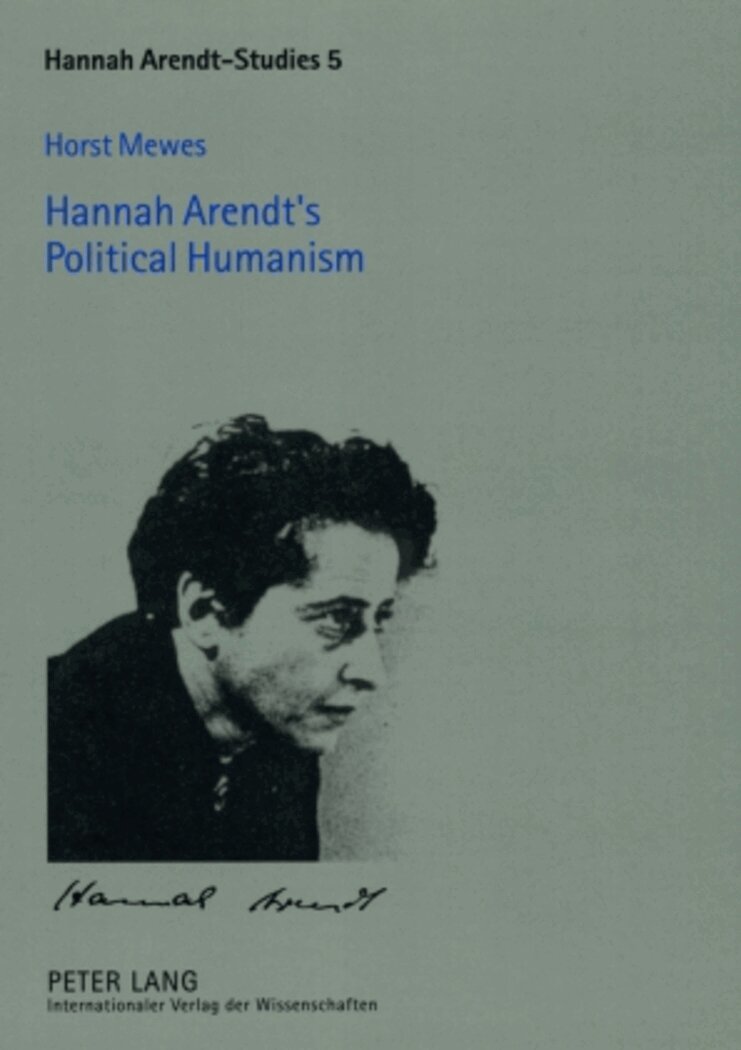
Hannah Arendt’s Political Humanism
Av Horst Mewes, Antonia Grunenberg
Häftad, 2009
534 kr
Tillfälligt slut
This introduction to Hannah Arendt’s political thinking, based on a very close reading of the most relevant texts, suggests that her core teaching culminates in a unique kind of political humanism. It consists of the disclosure of unique individual personalities in free public actions inspired by …