Antonio Nicaso – författare
Visar alla böcker från författaren Antonio Nicaso. Handla med fri frakt och snabb leverans.
14 produkter
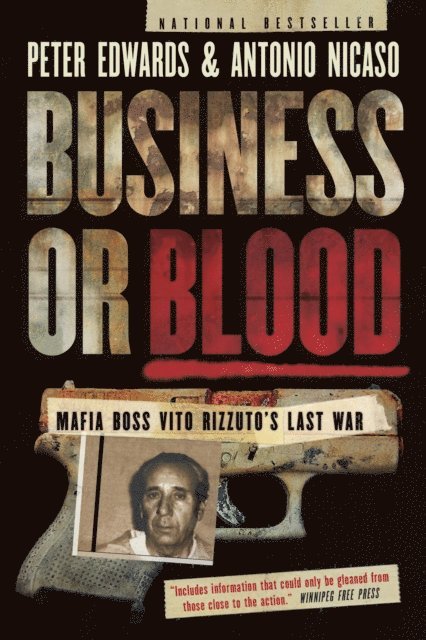
Business or Blood
Mafia Boss Vito Rizzuto''s Last War
Av Antonio Nicaso, Peter Edwards
E-bok, 2015
229 kr
Lägg i varukorg
Bestselling crime writers Peter Edwards and Antonio Nicaso reveal the final years of Canada''s top mafia boss, Vito Rizzuto, and his bloody war to avenge his family and control the North American drug trade. Until Vito Rizzuto went to prison in 2006 for his role in a decades-old Brooklyn triple …
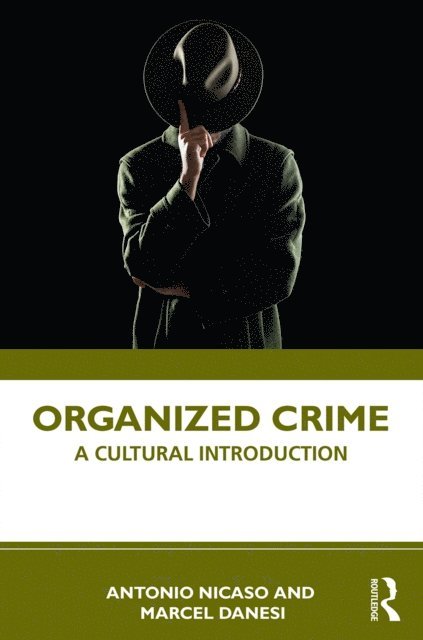
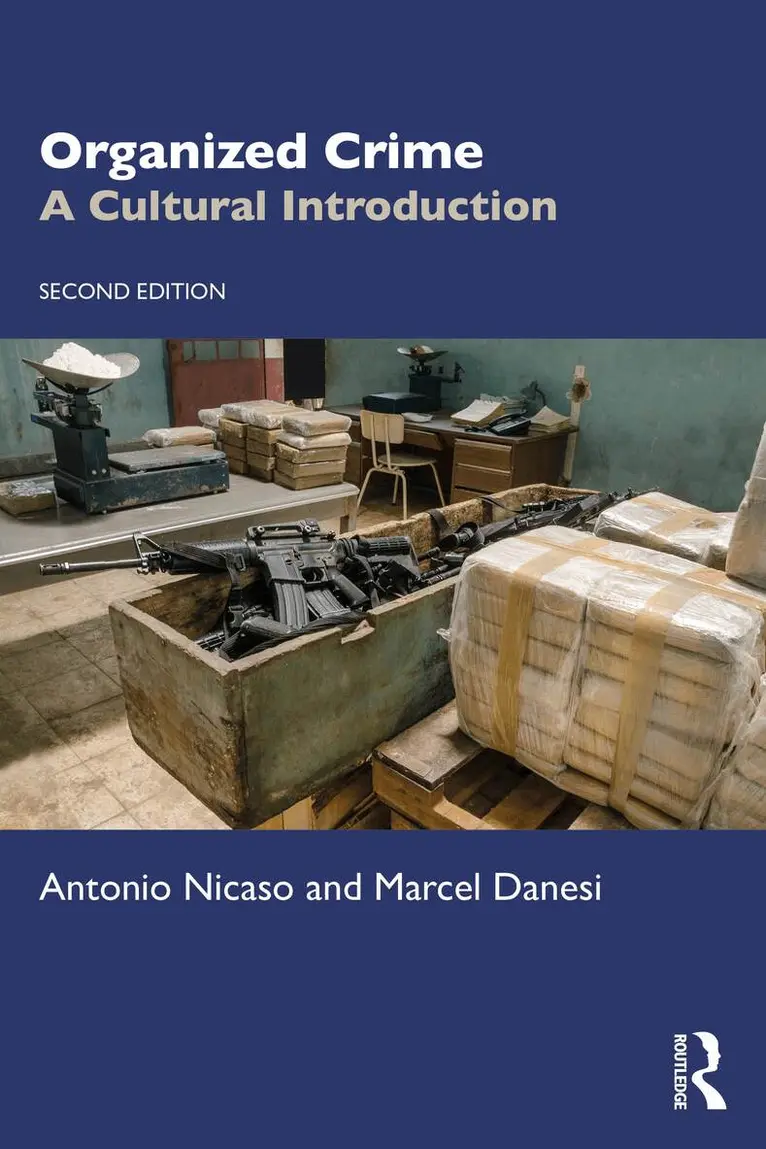
Organized Crime
A Cultural Introduction
Av Antonio Nicaso, Marcel Danesi
Inbunden, 2021
2515 kr
Lägg i varukorg
This book aims to describe and demystify what makes criminal gangs so culturally powerful. It examines their codes of conduct, initiation rites, secret communications methods, origin myths, symbols, and the like that imbue the gangsters with the pride and nonchalance that goes hand in hand with …
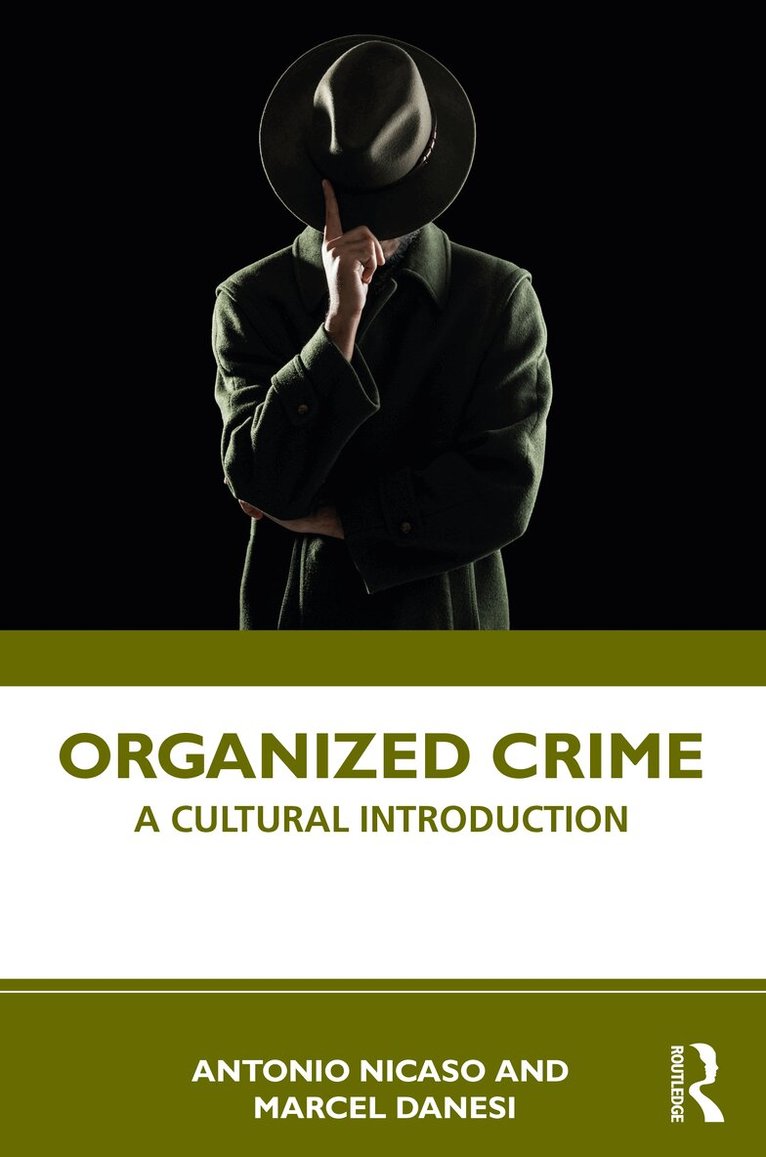
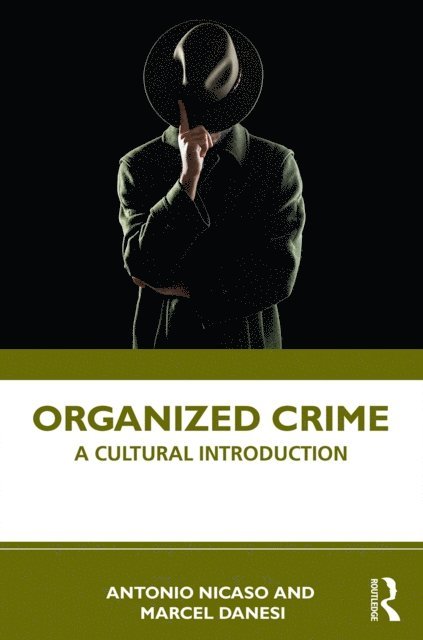
Organized Crime
A Cultural Introduction
Av Antonio Nicaso, Marcel Danesi
Häftad, 2021
619 kr
Lägg i varukorg
This book aims to describe and demystify what makes criminal gangs so culturally powerful. It examines their codes of conduct, initiation rites, secret communications methods, origin myths, symbols, and the like that imbue the gangsters with the pride and nonchalance that goes hand in hand with …
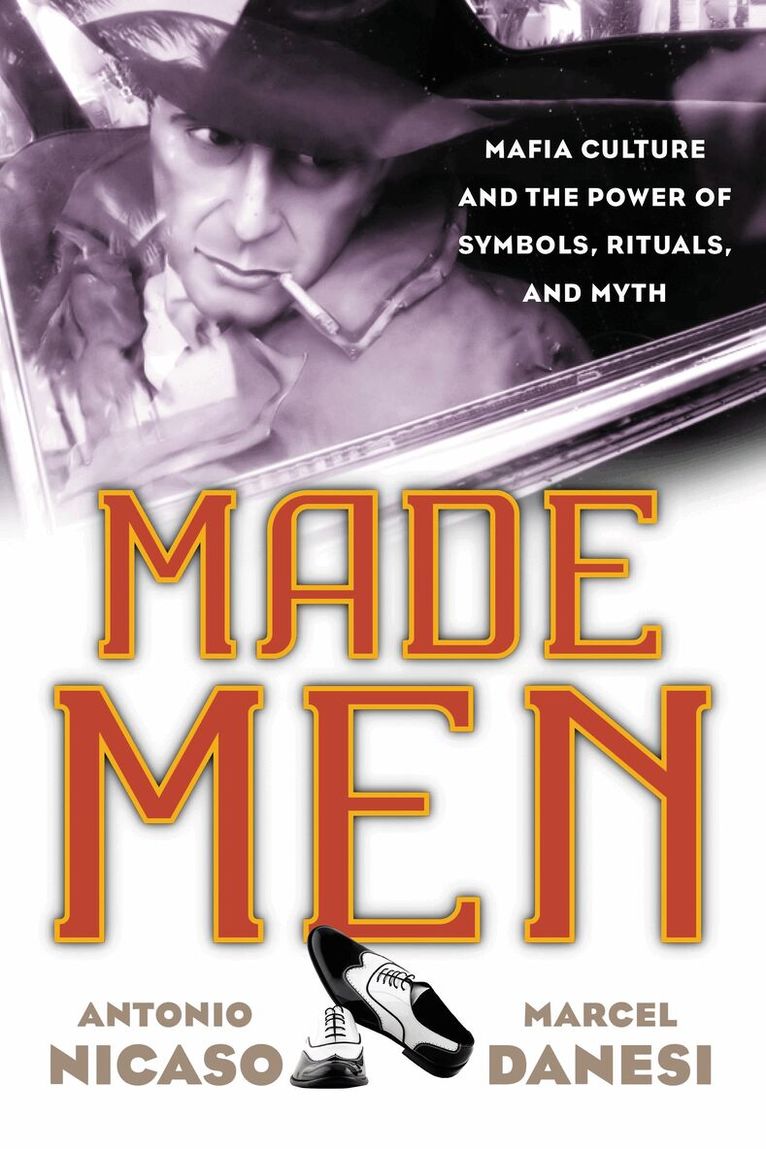
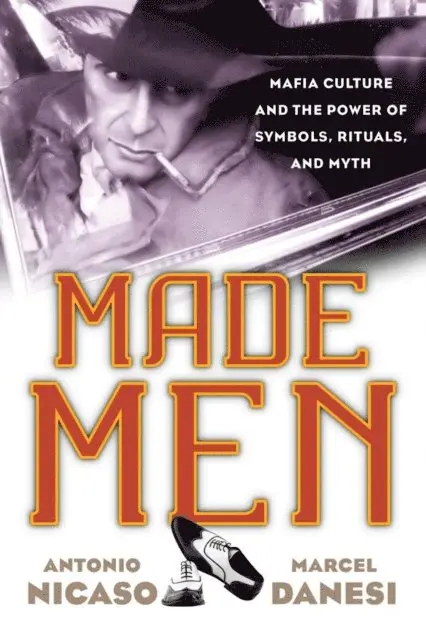
Made Men
Mafia Culture and the Power of Symbols, Rituals, and Myth
Av Antonio Nicaso, Marcel Danesi
Häftad, 2017
317 kr
Lägg i varukorg
The novel The Godfather (1969) and the movie of the same name (1972) entrenched the myth of the Mafiosi as valiant knights, men of honor, and defenders of the traditional concept of family. As a result of this movie and other popular portrayals, the image of mobsters as “men of honor and tradition” …
Organized Crime
A Cultural Introduction
Av Marcel Danesi, Antonio Nicaso
E-bok, 2021
727 kr
Lägg i varukorg
This book aims to describe and demystify what makes criminal gangs so culturally powerful. It examines their codes of conduct, initiation rites, secret communications methods, origin myths, symbols, and the like that imbue the gangsters with the pride and nonchalance that goes hand in hand with …
Organized Crime
A Cultural Introduction
Av Marcel Danesi, Antonio Nicaso
E-bok, 2021
727 kr
Lägg i varukorg
This book aims to describe and demystify what makes criminal gangs so culturally powerful. It examines their codes of conduct, initiation rites, secret communications methods, origin myths, symbols, and the like that imbue the gangsters with the pride and nonchalance that goes hand in hand with …
Dark Mafia
Organized Crime in the Age of the Internet
Av Marcel Danesi, Antonio Nicaso
E-bok, 2023
574 kr
Lägg i varukorg
This book explores how organized crime has adapted and evolved in sync with ever-expanding technologies to update its popular image and to conduct its covert operations. It shows how organized crime operates in dark virtual spaces and how it can now form a dynamic interactive system with legitimate …
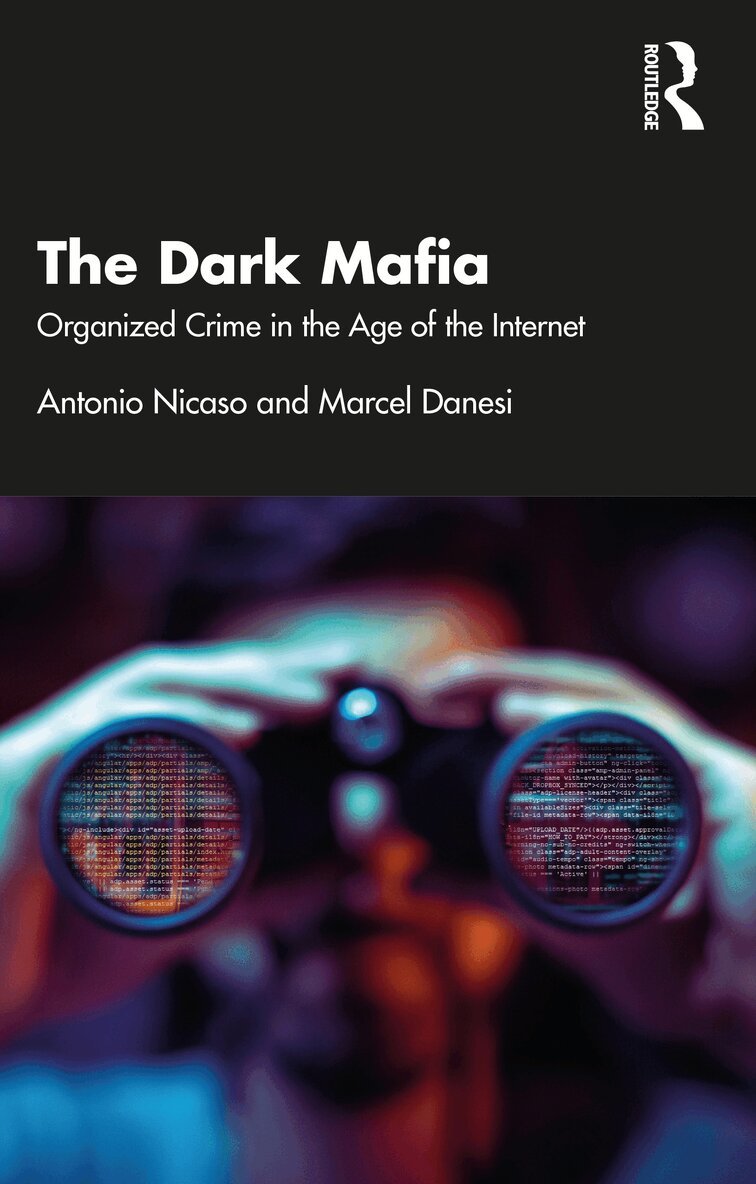
Dark Mafia
Organized Crime in the Age of the Internet
Av Antonio Nicaso, Marcel Danesi
Häftad, 2023
557 kr
Lägg i varukorg
This book explores how organized crime has adapted and evolved in sync with ever-expanding technologies to update its popular image and to conduct its covert operations. It shows how organized crime operates in dark virtual spaces and how it can now form a dynamic interactive system with legitimate …
Dark Mafia
Organized Crime in the Age of the Internet
Av Antonio Nicaso, Marcel Danesi
Inbunden, 2023
1965 kr
Lägg i varukorg
This book explores how organized crime has adapted and evolved in sync with ever-expanding technologies to update its popular image and to conduct its covert operations. It shows how organized crime operates in dark virtual spaces and how it can now form a dynamic interactive system with legitimate …
Organized Crime
A Cultural Introduction
Av Marcel Danesi, Antonio Nicaso
E-bok, 2025
762 kr
Lägg i varukorg
This book aims to describe and demystify what makes organized criminal groups so culturally powerful. It examines their codes of conduct, initiation rites, secret communication methods, origin myths, symbols, and lifestyles that imbue them with the pride and nonchalance that go hand in hand with …
Organized Crime
A Cultural Introduction
Av Marcel Danesi, Antonio Nicaso
E-bok, 2025
762 kr
Lägg i varukorg
This book aims to describe and demystify what makes organized criminal groups so culturally powerful. It examines their codes of conduct, initiation rites, secret communication methods, origin myths, symbols, and lifestyles that imbue them with the pride and nonchalance that go hand in hand with …
Organized Crime
A Cultural Introduction
Av Antonio Nicaso, Marcel Danesi
Inbunden, 2025
2314 kr
Lägg i varukorg
This book aims to describe and demystify what makes organized criminal groups so culturally powerful. It examines their codes of conduct, initiation rites, secret communication methods, origin myths, symbols, and lifestyles that imbue them with the pride and nonchalance that go hand in hand with …
Organized Crime
A Cultural Introduction
Av Antonio Nicaso, Marcel Danesi
Häftad, 2025
597 kr
Lägg i varukorg
This book aims to describe and demystify what makes organized criminal groups so culturally powerful. It examines their codes of conduct, initiation rites, secret communication methods, origin myths, symbols, and lifestyles that imbue them with the pride and nonchalance that go hand in hand with …
Made Men
Mafia Culture and the Power of Symbols, Rituals, and Myth
Av Antonio Nicaso, Marcel Danesi
E-bok, 2013
364 kr
Lägg i varukorg
The novel The Godfather (1969) and the movie of the same name (1972) entrenched the myth of the Mafiosi as valiant knights, men of honor, and defenders of the traditional concept of family. As a result of this movie and other popular portrayals, the image of mobsters as “men of honor and tradition” …