Antonio Santosuosso – författare
Visar alla böcker från författaren Antonio Santosuosso. Handla med fri frakt och snabb leverans.
9 produkter
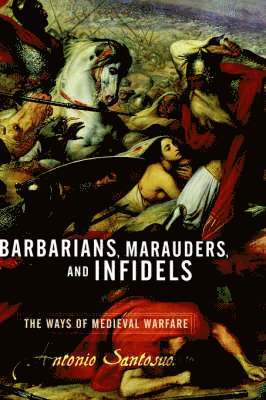
Barbarians, Marauders, And Infidels
The Ways Of Medieval Warfare
Inbunden, 2004
491 kr
Lägg i varukorg
Barbarians, Marauders, and Infidels examines the motives and terrors of war during the Middle Ages, the rise and fall of ethnic and religious groups, and the actions of good and evil military leaders during this violent and colourful period. In this sweeping chronicle, historical figures and major …
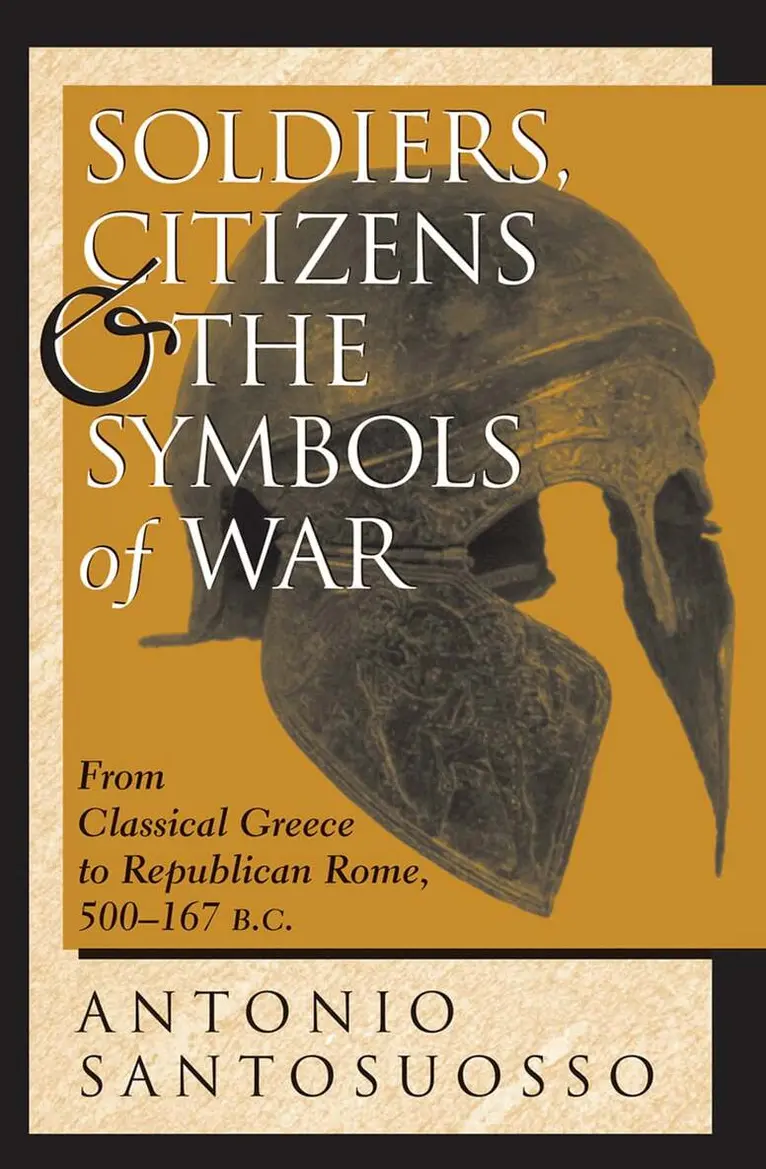
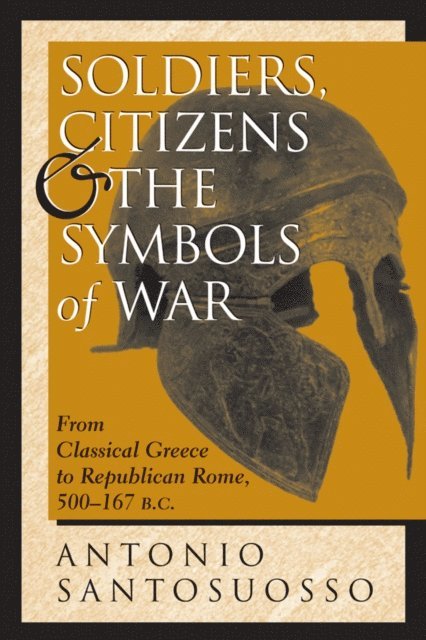
Soldiers, Citizens, And The Symbols Of War
From Classical Greece To Republican Rome, 500-167 B.c.
Inbunden, 2019
2585 kr
Lägg i varukorg
In this comprehensive overview of ancient warfare, Antonio Santosuosso explores how the tactical and strategic concepts of warfare changed between the beginning of the fifth century b.c. and the middle of the second century b.c. and why the West?Greece, Macedonia, and Rome?triumphed over the …
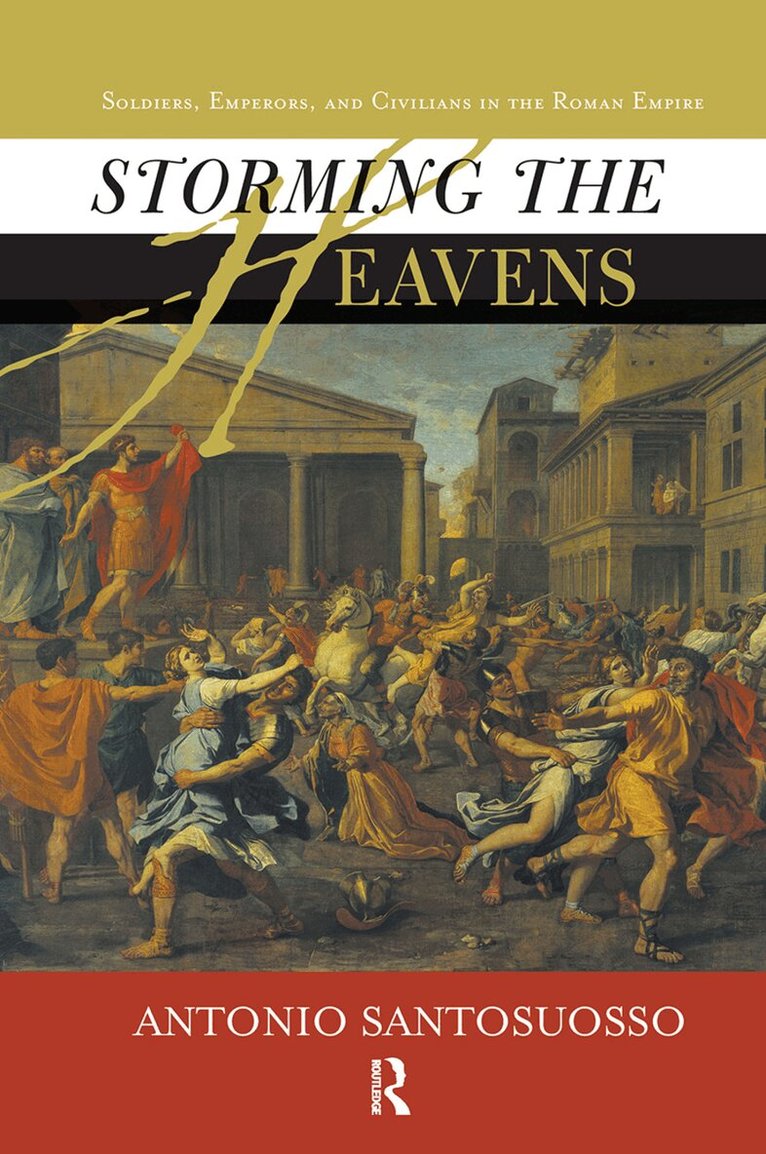
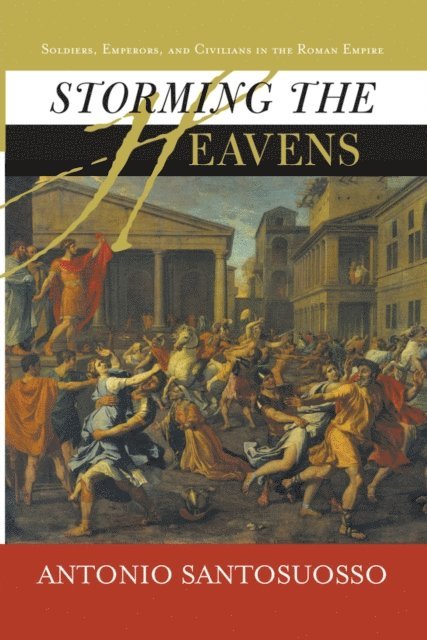
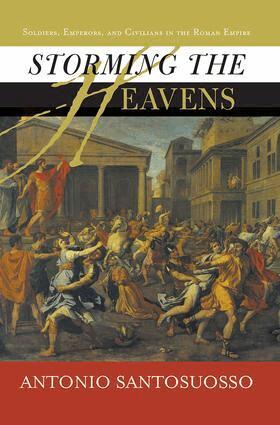
Storming The Heavens
Soldiers, Emperors, And Civilians In The Roman Empire
Inbunden, 2019
2585 kr
Lägg i varukorg
In the closing years of the second century B.C., the ancient world watched as the Roman armies maintained clear superiority over all they surveyed. But, social turmoil prevailed at the heart of her territories, led by an increasing number of dispossessed farmers, too little manpower for the army, …
Storming The Heavens
Soldiers, Emperors, And Civilians In The Roman Empire
E-bok, 2018
1052 kr
Lägg i varukorg
In the closing years of the second century B.C., the ancient world watched as the Roman armies maintained clear superiority over all they surveyed. But, social turmoil prevailed at the heart of her territories, led by an increasing number of dispossessed farmers, too little manpower for the army, …
Soldiers, Citizens, And The Symbols Of War
From Classical Greece To Republican Rome, 500-167 B.c.
E-bok, 2019
1052 kr
Lägg i varukorg
In this comprehensive overview of ancient warfare, Antonio Santosuosso explores how the tactical and strategic concepts of warfare changed between the beginning of the fifth century B.C. and the middle of the second century B.C. and why the West-Greece, Macedonia, and Rome-triumphed over the …
Storming The Heavens
Soldiers, Emperors, And Civilians In The Roman Empire
E-bok, 2018
1030 kr
Lägg i varukorg
In the closing years of the second century B.C., the ancient world watched as the Roman armies maintained clear superiority over all they surveyed. But, social turmoil prevailed at the heart of her territories, led by an increasing number of dispossessed farmers, too little manpower for the army, …
Soldiers, Citizens, And The Symbols Of War
From Classical Greece To Republican Rome, 500-167 B.c.
E-bok, 2019
1030 kr
Lägg i varukorg
In this comprehensive overview of ancient warfare, Antonio Santosuosso explores how the tactical and strategic concepts of warfare changed between the beginning of the fifth century B.C. and the middle of the second century B.C. and why the West-Greece, Macedonia, and Rome-triumphed over the …
Soldiers, Citizens, And The Symbols Of War
From Classical Greece To Republican Rome, 500-167 B.C.
Häftad, 1997
891 kr
Lägg i varukorg
In this comprehensive overview of ancient warfare, Antonio Santosuosso explores how the tactical and strategic concepts of warfare changed between the beginning of the fifth century b.c. and the middle of the second century b.c. and why the West,Greece, Macedonia, and Rome,triumphed over the …
Storming The Heavens
Soldiers, Emperors, And Civilians In The Roman Empire
Häftad, 2003
891 kr
Lägg i varukorg
In the closing years of the second century B.C., the ancient world watched as the Roman armies maintained clear superiority over all they surveyed. But, social turmoil prevailed at the heart of her territories, led by an increasing number of dispossessed farmers, too little manpower for the army, …