April Nowell – författare
Visar alla böcker från författaren April Nowell. Handla med fri frakt och snabb leverans.
8 produkter
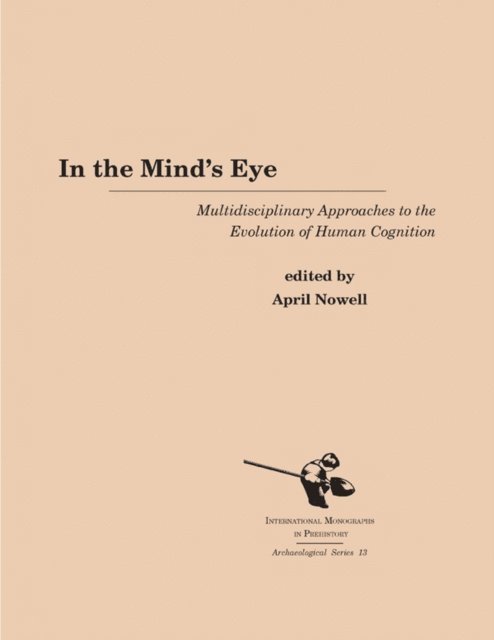
In the Mind's Eye
Multidisciplinary Approaches to the Evolution of Human Cognition
Av April Nowell
E-bok, 2001
571 kr
Lägg i varukorg
The last decade has witnessed a sophistication and proliferation in the number of studies focused on the evolution of human cognition, reflecting a renewed interest in the evolution of the human mind in anthropology and in many other disciplines. The complexity and enormity of this topic requires …
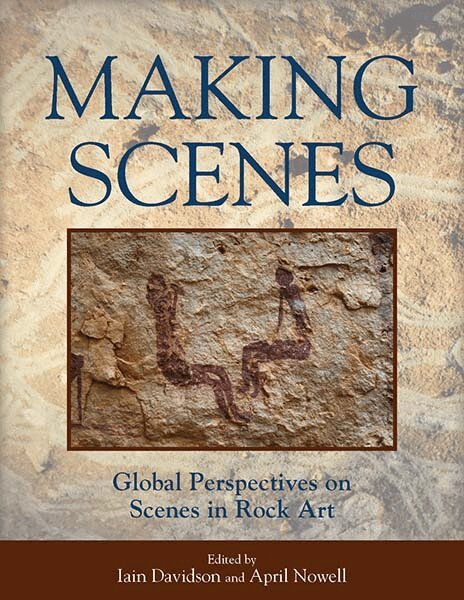
Making Scenes
Global Perspectives on Scenes in Rock Art
Av Iain Davidson, April Nowell
Inbunden, 2021
2507 kr
Lägg i varukorg
Dating back to at least 50,000 years ago, rock art is one of the oldest forms of human symbolic expression. Geographically, it spans all the continents on Earth. Scenes are common in some rock art, and recent work suggests that there are some hints of expression that looks like some of the …
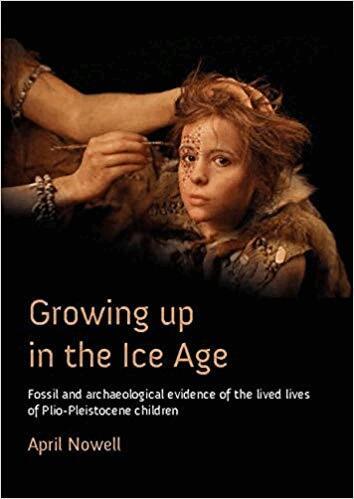
Growing Up in the Ice Age
Fossil and Archaeological Evidence of the Lived Lives of Plio-Pleistocene Children
Av April Nowell
Häftad, 2021
549 kr
Lägg i varukorg
In prehistoric societies children comprised 40-65% of the population, yet by default, our ancestral landscapes are peopled by adults who hunt, gather, fish, knap tools and make art. But these adults were also parents, grandparents, aunts and uncles who had to make space physically, emotionally, …
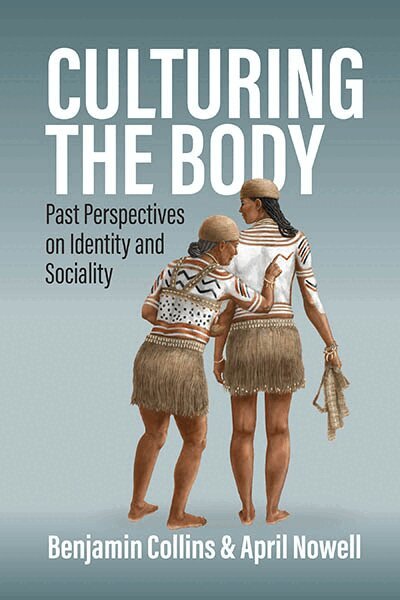
Culturing the Body
Past Perspectives on Identity and Sociality
Av Benjamin Collins, April Nowell
Inbunden, 2024
1979 kr
Lägg i varukorg
The human body is both the site of lived experiences and a means of communicating those experiences to a diverse audience. Hominins have been culturing their bodies, that is adding social and cultural meaning through the use pigments and objects, for over 100,000 years. There is archaeological …
In the Mind's Eye
Multidisciplinary Approaches to the Evolution of Human Cognition
Av April Nowell
Häftad, 2001
882 kr
Lägg i varukorg
The last decade has witnessed a sophistication and proliferation in the number of studies focused on the evolution of human cognition, reflecting a renewed interest in the evolution of the human mind in anthropology and in many other disciplines. The complexity and enormity of this topic requires …
In the Mind's Eye
Multidisciplinary Approaches to the Evolution of Human Cognition
Av April Nowell
Inbunden, 2001
2426 kr
Lägg i varukorg
The last decade has witnessed a sophistication and proliferation in the number of studies focused on the evolution of human cognition, reflecting a renewed interest in the evolution of the human mind in anthropology and in many other disciplines. The complexity and enormity of this topic requires …
Stone Tools and the Evolution of Human Cognition
Av April Nowell, Iain Davidson
Häftad, 2011
391 kr
Tillfälligt slut
Stone tools are the most durable and common type of archaeological remain and one of the most important sources of information about behaviors of early hominins. Stone Tools and the Evolution of Human Cognition develops methods for examining questions of cognition, demonstrating the progression of …