Areum Jeong - Böcker
Visar alla böcker från författaren Areum Jeong. Handla med fri frakt och snabb leverans.
4 produkter
4 produkter
311 kr
Skickas inom 7-10 vardagar
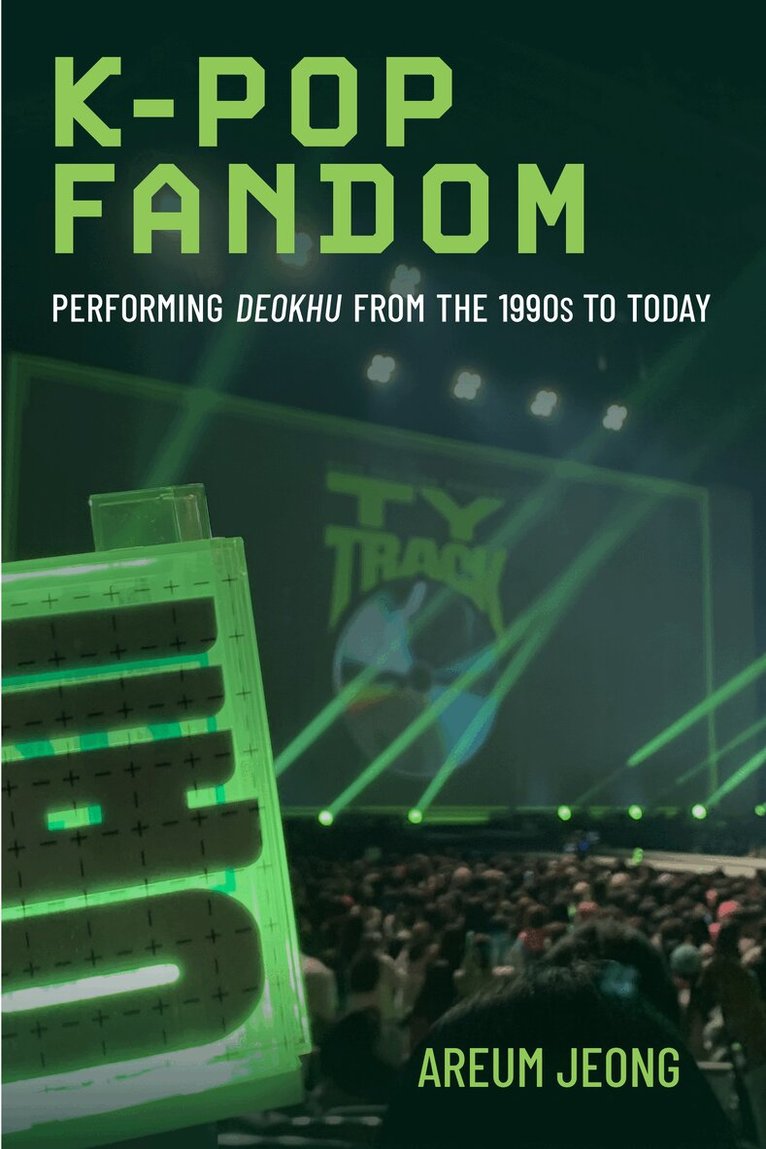
K-Pop Fandom insists that K-pop fan practices and activities constitute a central productive force, shaping not only K-pop’s explosive global popularity, but also K-pop’s cultural impacts, politics, and horizons of possibility. Over the past three decades, the K-pop fandom and its activities have expanded, intensified, and diversified along myriad dimensions, assuming novel social, technological, and economic forms, some of which are unique to K-pop, and some of which reflect broader cultural and industrial logics of globalized mass entertainment culture. Areum Jeong argues that K-pop fans, in performing deokhu—a Korean term connoting an “avid fan”—perform a materialization of affective labor that also seeks to produce good relationships between asymmetrically positioned actors in the K-pop ecosystem. Through an autoethnography of becoming a K-pop deokhu, Jeong connects their experiences to generations of K-pop fans, showing simultaneously how fandom practices have shifted over time and the intricacies of fan labor participation. This personal connection paved the way for participant-observation and co-performer witnessing methodologies in the study, which crucially allowed for collaborating with fans whose communal pursuits have been stigmatized by dominant discourses that denigrate their activities as solely addictive, uncritical, and wasteful. Jeong’s genre-spanning corpus of fan activities and analyzing its contexts and contents represents an important contribution to the making of a fan archive that is also an archive of affective labor.
951 kr
Skickas inom 7-10 vardagar
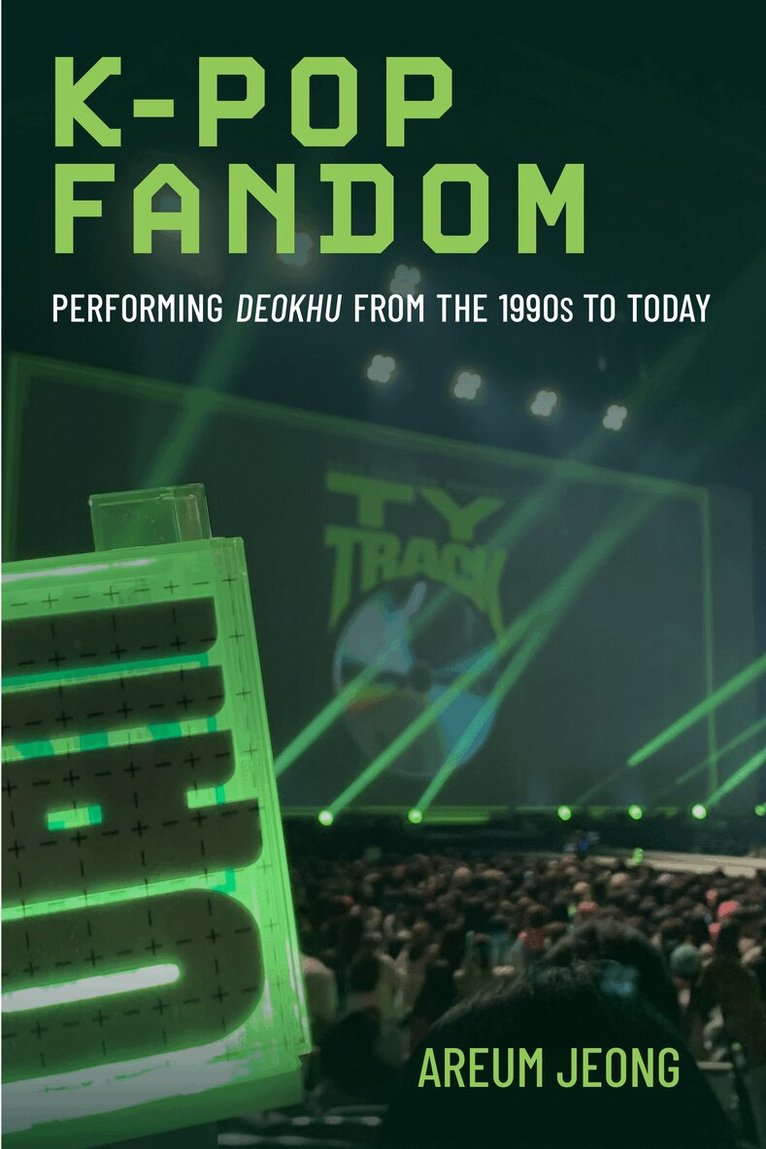
K-Pop Fandom insists that K-pop fan practices and activities constitute a central productive force, shaping not only K-pop’s explosive global popularity, but also K-pop’s cultural impacts, politics, and horizons of possibility. Over the past three decades, the K-pop fandom and its activities have expanded, intensified, and diversified along myriad dimensions, assuming novel social, technological, and economic forms, some of which are unique to K-pop, and some of which reflect broader cultural and industrial logics of globalized mass entertainment culture. Areum Jeong argues that K-pop fans, in performing deokhu—a Korean term connoting an “avid fan”—perform a materialization of affective labor that also seeks to produce good relationships between asymmetrically positioned actors in the K-pop ecosystem. Through an autoethnography of becoming a K-pop deokhu, Jeong connects their experiences to generations of K-pop fans, showing simultaneously how fandom practices have shifted over time and the intricacies of fan labor participation. This personal connection paved the way for participant-observation and co-performer witnessing methodologies in the study, which crucially allowed for collaborating with fans whose communal pursuits have been stigmatized by dominant discourses that denigrate their activities as solely addictive, uncritical, and wasteful. Jeong’s genre-spanning corpus of fan activities and analyzing its contexts and contents represents an important contribution to the making of a fan archive that is also an archive of affective labor.
Beyond the Sewol
Activist Theatre and Performance in South Korea and the Diaspora
Inbunden, Engelska, 2025
815 kr
Skickas inom 7-10 vardagar
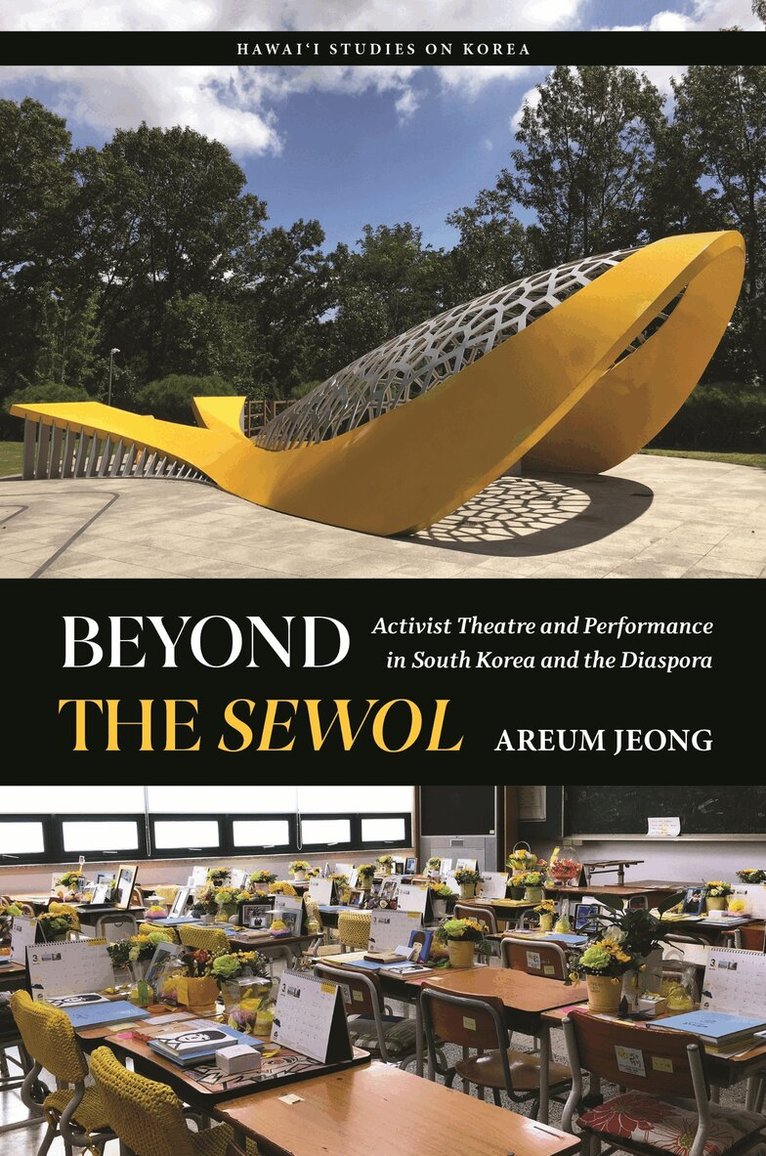
On the evening of April 15, 2014, the Sewol ferry set sail on its overnight journey from Incheon, in northwestern South Korea, to Jeju Island, 240 miles to the south. There were 476 people on board. After receiving a distress call from a passenger onboard, Harbor Affairs at Jeju and at Jindo Island both urged the crew to prepare the passengers for evacuation. Instead, the crew instructed the passengers to stay in their cabins and wait for help. Most of the passengers heeded the instructions and died waiting for rescue.The feelings of helplessness that many South Koreans and others felt at the sinking of the Sewol were sharpened by the ways the government mishandled the disaster, which has become the most galvanizing event in contemporary South Korean history.Throughout this roller coaster of national disaster, public outrage, hope for change, and broken promises, an activist movement has taken shape among artists working through the medium of performance to process the disaster, commemorate its victims, and advocate for public change. Beyond the Sewol is the first book to spotlight this creative fluorescence of performative work, which spans the genres of theatre productions, exhibitions, interactive memorial events, site-specific public performances, street protests, and even commercial K-pop music videos. Korean artists, often working in collaboration with Sewol survivors and families, have created a public memory archive countering official versions of the event. These performances have provided an arena through which the project of commemorating the Sewol has been linked by activists to broader demands for changes in politics and society, especially around issues of government accountability, redress for victims, and public empathy for survivors. By identifying and analyzing a multimedia collection of performative works commemorating the Sewol, this book reveals the ways activists and artists mobilizing performative strategies have labored to transform the meaning of Sewol from an unresolved national trauma into a catalyst for creating a safer, fairer, and more caring society.
Beyond the Sewol
Activist Theatre and Performance in South Korea and the Diaspora
Häftad, Engelska, 2025
290 kr
Skickas inom 7-10 vardagar
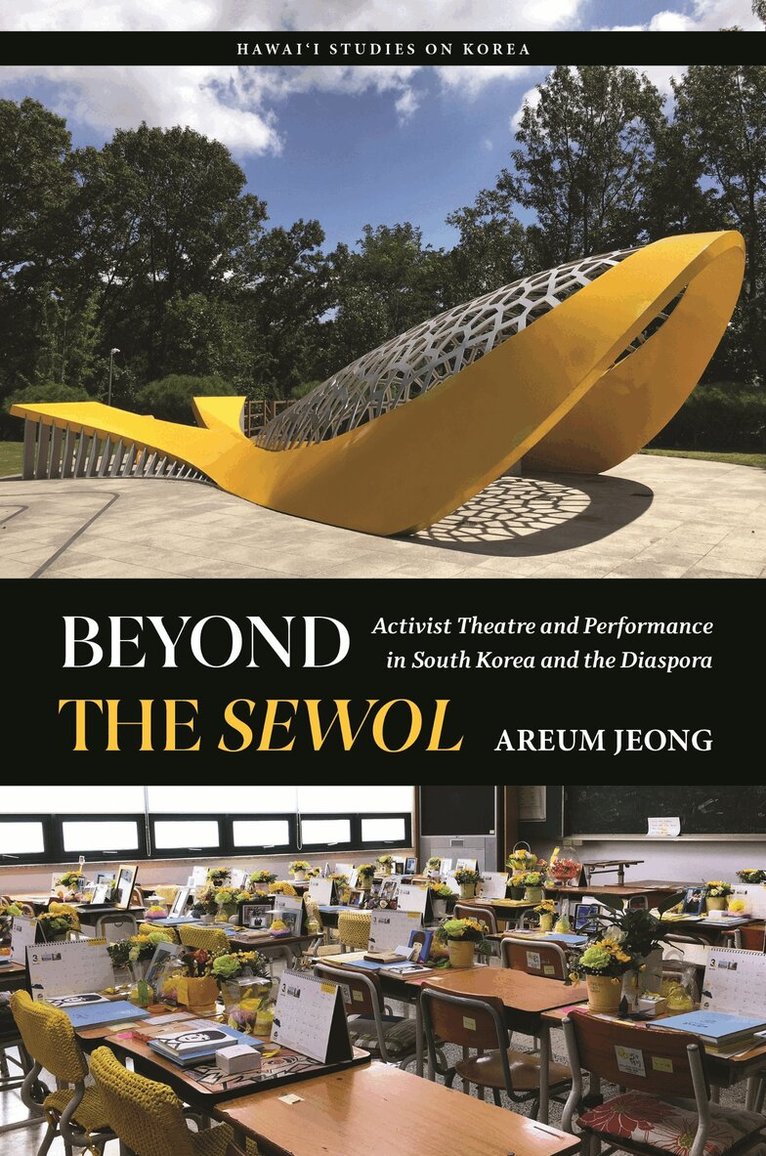
On the evening of April 15, 2014, the Sewol ferry set sail on its overnight journey from Incheon, in northwestern South Korea, to Jeju Island, 240 miles to the south. There were 476 people on board. After receiving a distress call from a passenger onboard, Harbor Affairs at Jeju and at Jindo Island both urged the crew to prepare the passengers for evacuation. Instead, the crew instructed the passengers to stay in their cabins and wait for help. Most of the passengers heeded the instructions and died waiting for rescue.The feelings of helplessness that many South Koreans and others felt at the sinking of the Sewol were sharpened by the ways the government mishandled the disaster, which has become the most galvanizing event in contemporary South Korean history.Throughout this roller coaster of national disaster, public outrage, hope for change, and broken promises, an activist movement has taken shape among artists working through the medium of performance to process the disaster, commemorate its victims, and advocate for public change. Beyond the Sewol is the first book to spotlight this creative fluorescence of performative work, which spans the genres of theatre productions, exhibitions, interactive memorial events, site-specific public performances, street protests, and even commercial K-pop music videos. Korean artists, often working in collaboration with Sewol survivors and families, have created a public memory archive countering official versions of the event. These performances have provided an arena through which the project of commemorating the Sewol has been linked by activists to broader demands for changes in politics and society, especially around issues of government accountability, redress for victims, and public empathy for survivors. By identifying and analyzing a multimedia collection of performative works commemorating the Sewol, this book reveals the ways activists and artists mobilizing performative strategies have labored to transform the meaning of Sewol from an unresolved national trauma into a catalyst for creating a safer, fairer, and more caring society.