Arie E. Kaufman – författare
Visar alla böcker från författaren Arie E. Kaufman. Handla med fri frakt och snabb leverans.
5 produkter
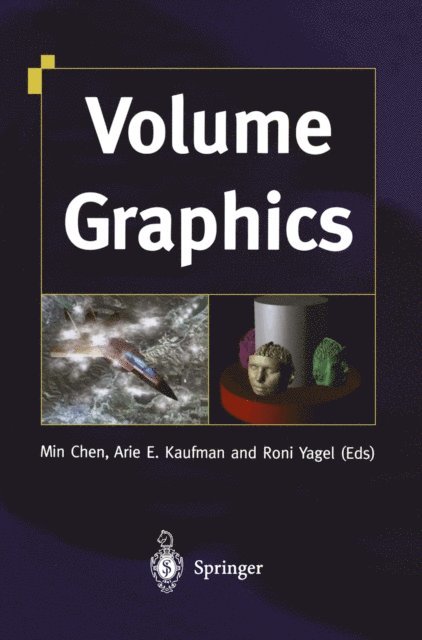
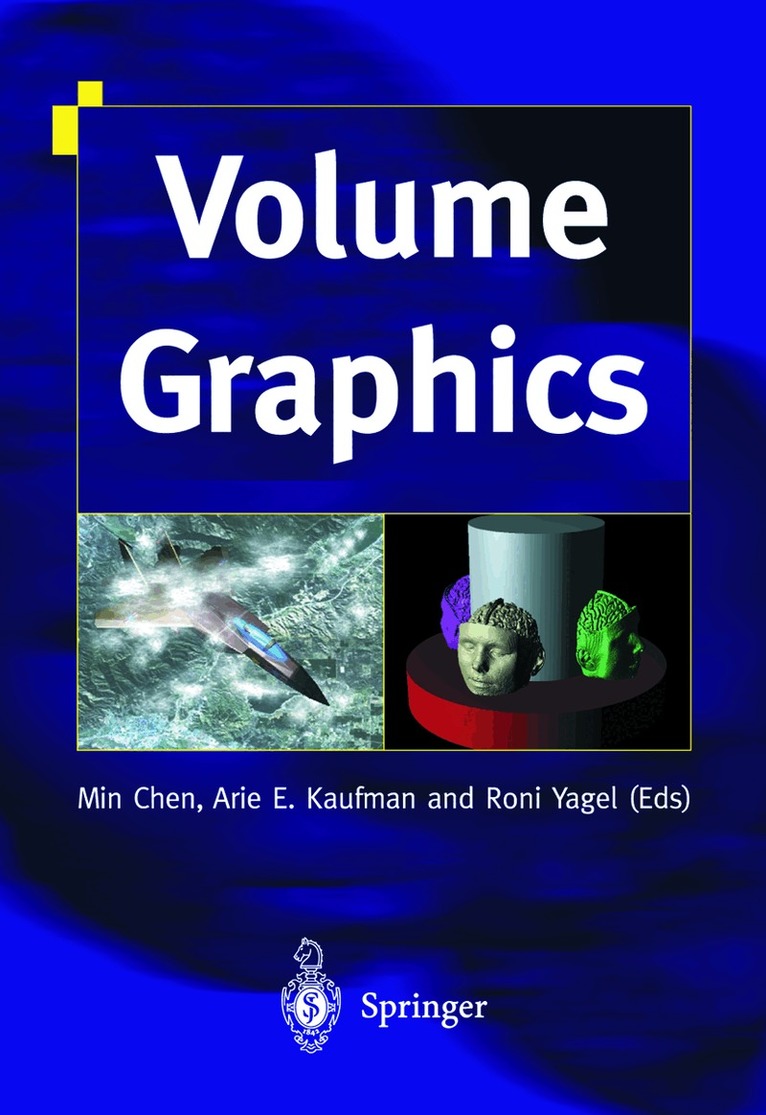
Volume Graphics
Av Roni Yagel, Arie E. Kaufman m. fl.
E-bok, 2012
755 kr
Lägg i varukorg
Min Chen, Arie E. Kaufman and Roni Yage/ Volume graphics is concerned with graphics scenes defined in volume data types, where a model is specified by a mass of points instead of a collection of surfaces. The underlying mathematical definition of such a model is a set of scalar fields, which define …
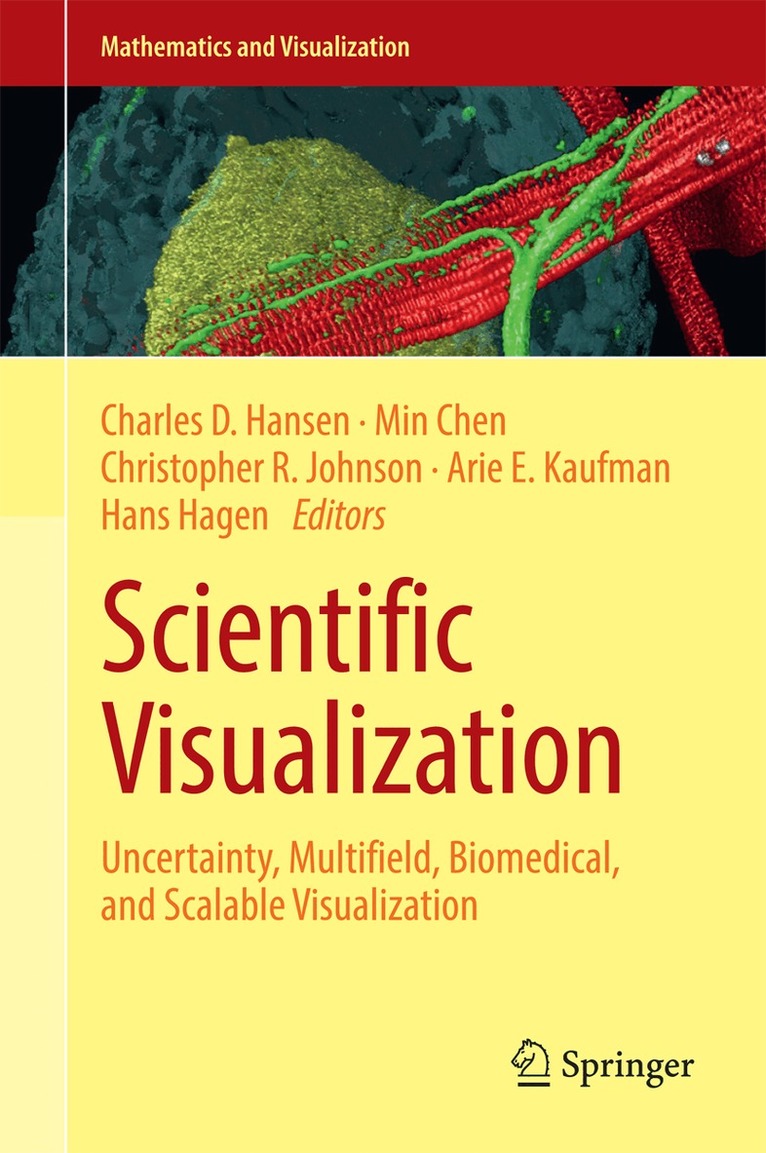
Scientific Visualization
Uncertainty, Multifield, Biomedical, and Scalable Visualization
Av Charles D. Hansen, Min Chen m. fl.
Inbunden, 2014
1129 kr
Lägg i varukorg
Based on the seminar that took place in Dagstuhl, Germany in June 2011, this contributed volume studies the four important topics within the scientific visualization field: uncertainty visualization, multifield visualization, biomedical visualization and scalable visualization. • Uncertainty …
Scientific Visualization
Uncertainty, Multifield, Biomedical, and Scalable Visualization
Av Hans Hagen, Arie E. Kaufman m. fl.
E-bok, 2014
1502 kr
Lägg i varukorg
Based on the seminar that took place in Dagstuhl, Germany in June 2011, this contributed volume studies the four important topics within the scientific visualization field: uncertainty visualization, multifield visualization, biomedical visualization and scalable visualization. • Uncertainty …
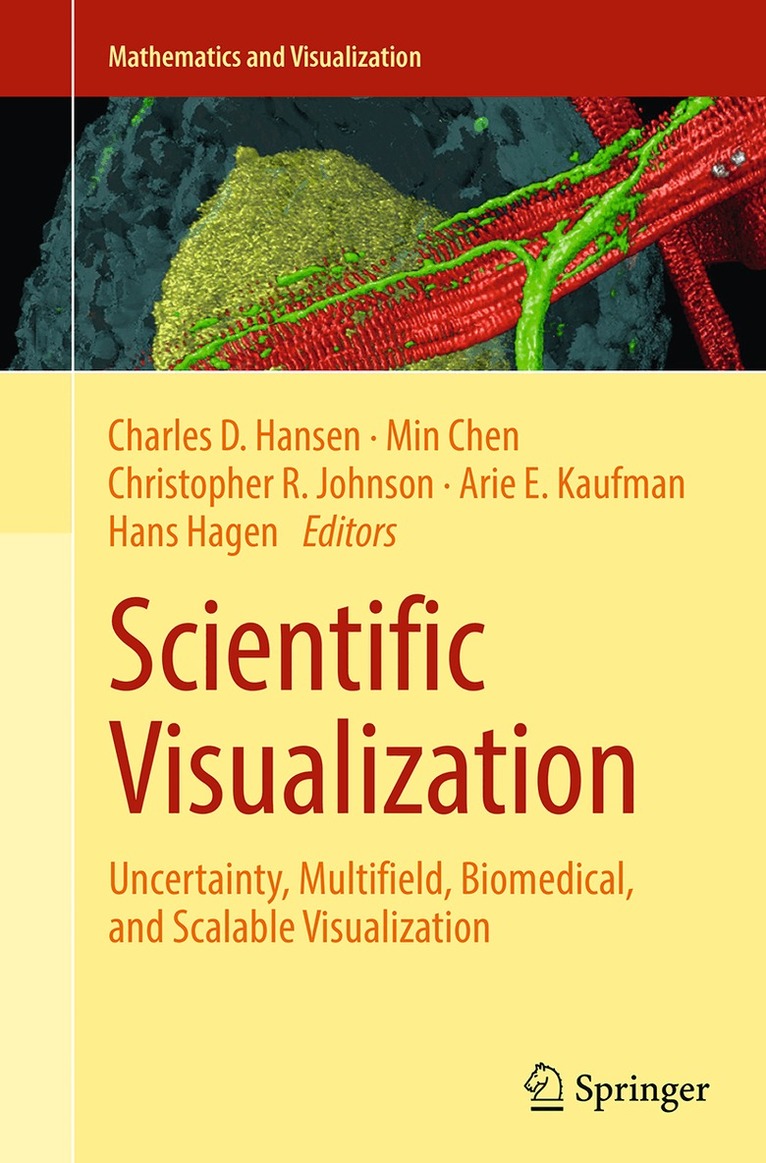
Scientific Visualization
Uncertainty, Multifield, Biomedical, and Scalable Visualization
Av Charles D. Hansen, Min Chen m. fl.
Häftad, 2016
1129 kr
Lägg i varukorg
Based on the seminar that took place in Dagstuhl, Germany in June 2011, this contributed volume studies the four important topics within the scientific visualization field: uncertainty visualization, multifield visualization, biomedical visualization and scalable visualization. • Uncertainty …
Volume Graphics
Av Min Chen, Arie E. Kaufman m. fl.
Häftad, 2000
568 kr
Lägg i varukorg
Min Chen, Arie E. Kaufman and Roni Yage/ Volume graphics is concerned with graphics scenes defined in volume data types, where a model is specified by a mass of points instead of a collection of surfaces. The underlying mathematical definition of such a model is a set of scalar fields, which define …