Arnfridur Gudmundsdottir - Böcker
Visar alla böcker från författaren Arnfridur Gudmundsdottir. Handla med fri frakt och snabb leverans.
2 produkter
2 produkter
1 252 kr
Skickas inom 5-8 vardagar
The cross of Christ has proven to be no less of a ¨stumbling block¨ for Christians living in the end of the twentieth century and the beginning of the twenty-first, than it was in the first century, when the newly established community of friends and followers of Jesus Christ sought to define the foundation of their faith over against the critiques of their Jewish and Greek contemporaries. This book presents a theological reception of the contemporary feminist challenge to classical christology by means of an explicit feminist retrieval and reconstruction of a theology of the cross. Gudmundsdottir argues that a feminist theology of the cross serves a dual purpose in feminist christology: it discloses the patriarchal distortion of traditional christology, and can also reveal lost dimensions in the understanding of the person and work of Jesus Christ. Although Gudmundsdottir argues that feminist critique is an indispensable element of contemporary christology, she also claims that there is a redemptive message in the cross of Christ that is retrievable for women today. Despite its potential for abuse and indeed its well-documented history of misuse against women in the past, a theology of the cross proclaims Jesus as a divine co-sufferer who brings good news to the poor and oppressed, and as such can be a source of healing and empowerment for suffering women. The constructive task of this book is to show that a theology of the cross can indeed become a theology of hope today, offering women meaning and strength from a God who takes human form and enters redemptively into their situations of suffering.
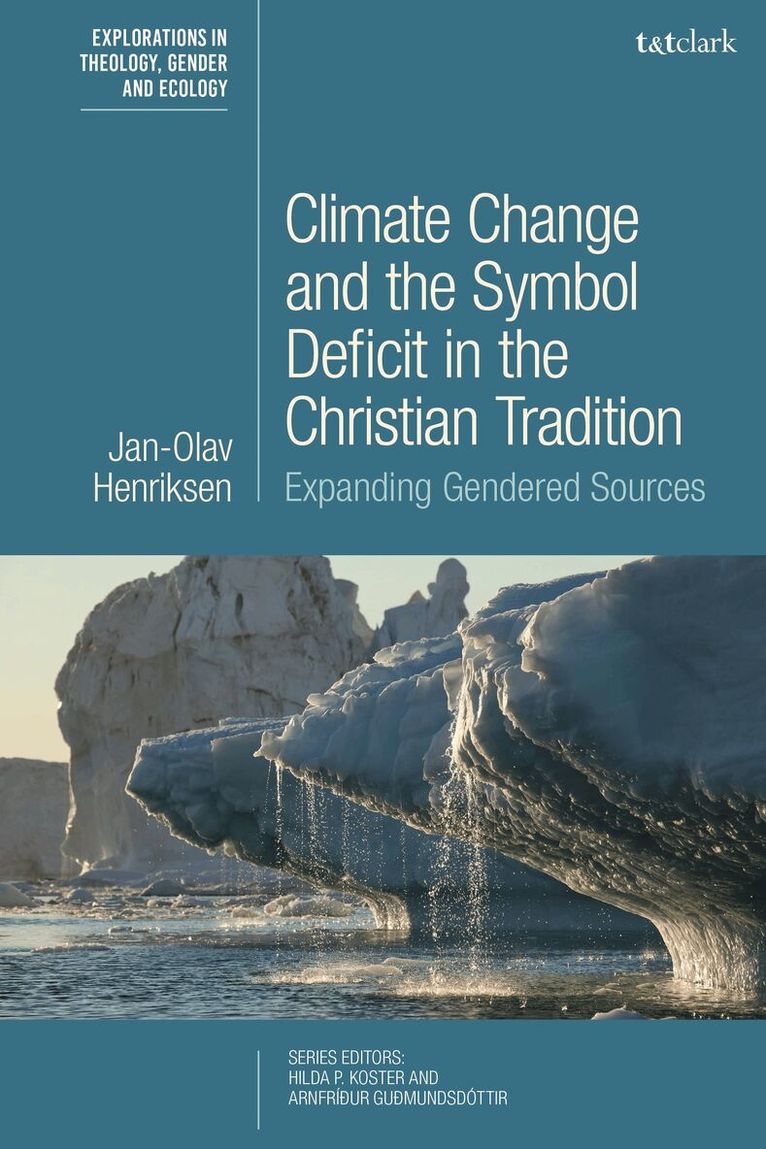
Climate Change and the Symbol Deficit in the Christian Tradition
Expanding Gendered Sources
Inbunden, Engelska, 2022
1 295 kr
Skickas
Exploring how the climate crisis discloses the symbol deficit in the Christian tradition, this book argues that Christianity is rich in symbols that identify and address the failures of humans and the obstacles that prevent humans from doing well, while positive symbols that can engage people in constructive action seem underdeveloped. Henriksen examines the potential of the Christian tradition to develop symbols that can engage peoples in committed and sustained action to prevent further crisis. To do so, he argues that we need symbols that engage both intellectually and emotionally, and which enhance our perception of belonging in relationships with other humans, be it both in the present and in the future. According to Henriksen, the deficit can only be obliterated if we can develop symbols that have some root or resonance in the Christian tradition, provide concrete and specified guidance of agency, engage people both emotionally and intellectually, and finally open up to visions for a moral agency that provide positive motivations for caring about environmental conditions as a whole.