Arni Brownstone – författare
Visar alla böcker från författaren Arni Brownstone. Handla med fri frakt och snabb leverans.
3 produkter
3 produkter
663 kr
Skickas inom 5-8 vardagar
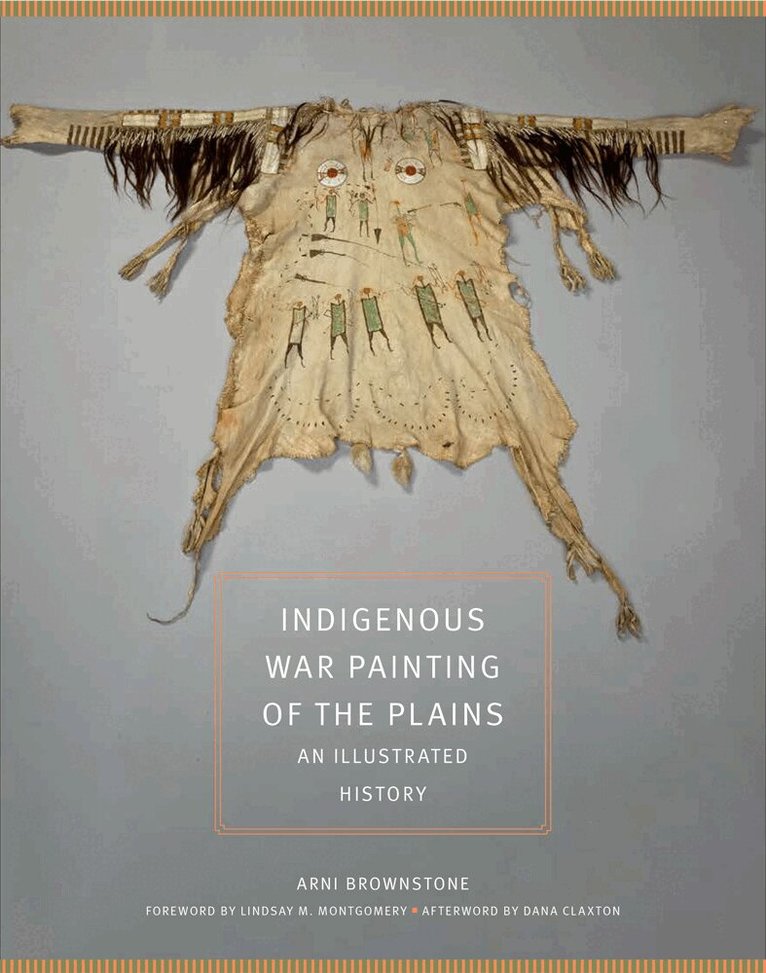
In the nineteenth and early twentieth centuries, the Indigenous peoples of the Great Plains practiced an archival art—narrating war exploits in large-scale paintings executed on animal hide robes, shirts, tipi covers, and tipi liners. Essentially autobiographical, the paintings were worn and lived in by the men whose war exploits they portrayed, and were made to be “read” by the public at large. Executed in a pictorial narrative style and documenting actual events, these paintings blend visual art and history.Indigenous War Painting of the Plains is the first comprehensive look at this important North American art form, covering the full corpus of war paintings from fourteen tribes across the plains.Two impediments have previously made such a book impractical: photography alone falls short of rendering war paintings for the printed page, and only about half of the surviving works have reliable documentation on their cultural origins. Arni Brownstone surmounts these difficulties by producing precise electronic redrawings and by using well-documented paintings to inform poorly documented examples, bolstered by a careful examination of collection histories. Featuring some 300 photographs and electronic redrawings, the book focuses on 83 paintings organized into four chapters covering the paintings of tribes associated with a specific geographical sphere of artistic influence. Four appendixes feature paintings combined with “translations” by Indigenous collaborators who had intimate knowledge of the depicted events.Offering vivid access to the key works of war painting preserved in 37 museums throughout North America and Europe, Indigenous War Painting of the Plains illuminates distinctions between painting styles of different tribes, reveals how they influenced one another and changed over time, and conveys a deep understanding of how war painting developed in relation to profound social changes in Plains Indian cultures.
376 kr
Skickas inom 5-8 vardagar
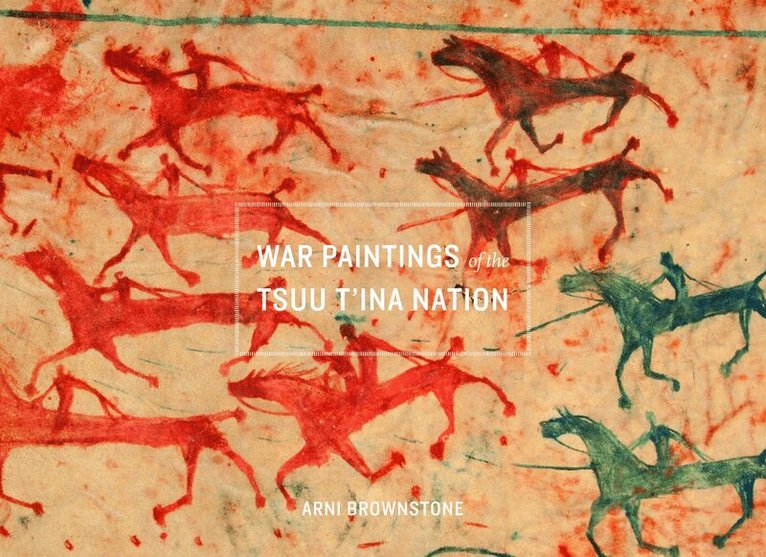
During much of the nineteenth century, paintings functioned as the Plains Indians' equivalent to written records. The majority of their paintings documented warfare, focusing on specific war deeds. These pictorial narratives—appearing on hide robes, war shirts, tipi liners, and tipi covers—were maintained by the several dozen Plains Indians tribes, and they continue to expand historical knowledge of a people and place in transition.War Paintings of the Tsuu T'ina Nation is a study of several important war paintings and artifact collections of the Tsuu T'ina (Sarcee) that provides insight into the changing relations between the Tsuu T'ina, other plains tribes, and non-Native communities during the nineteenth and twentieth centuries. Arni Brownstone has meticulously created renderings of the paintings that invite readers to explore them more fully. All known Tsuu T'ina paintings are considered in the study, as are several important collections of Tsuu T'ina artifacts, with particular emphasis on five key works. Brownstone's analysis furthers our understanding of Tsuu T'ina pictographic war paintings in relation to the social, historical, and artistic forces that influenced them and provides a broader understanding of pictographic painting, one of the richest and most important Native American artistic and literary genres.
321 kr
Skickas inom 5-8 vardagar
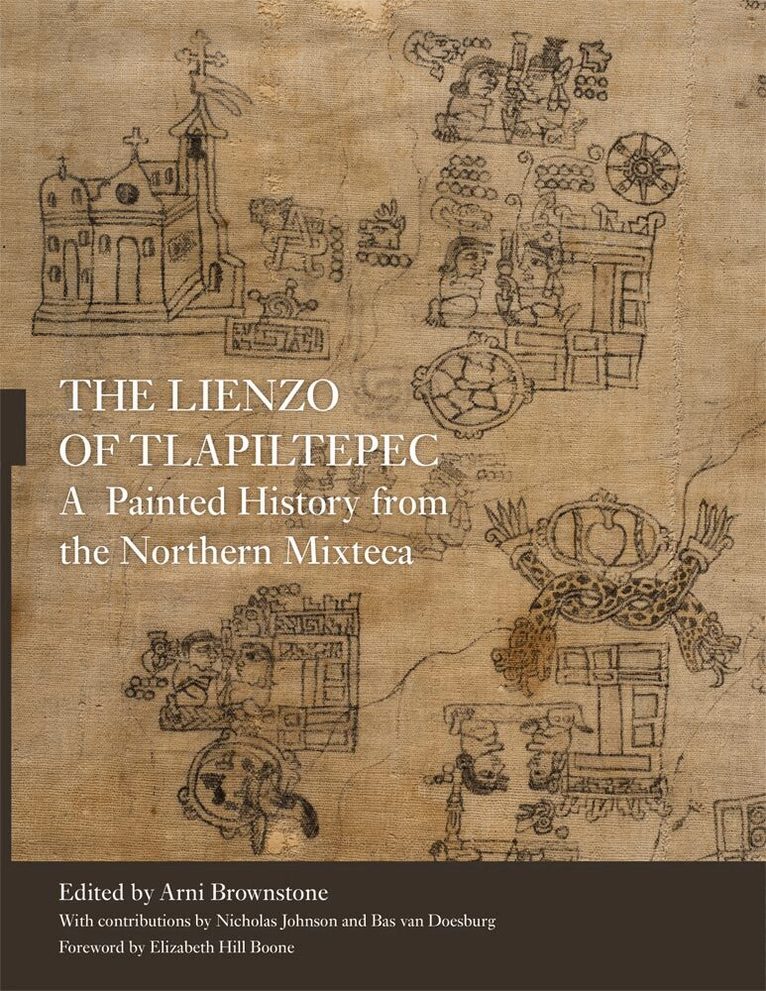
For centuries, indigenous rulers of Mesoamerica commissioned elaborate pictorial histories to maintain their claims to power, land, and privilege - a practice they continued under Spanish authority after the conquest. The Lienzo of Tlapiltepec is one such history. An intricate pictographic document on cotton cloth measuring 156 by 66.5 inches, the lienzo was produced by an Indian painter-scribe of great skill during the sixteenth century in the northern Mixteca, in the Mexican state of Oaxaca. It depicts events dating from the eleventh century to the early years of the Spanish colony. Housed since 1919 in the Royal Ontario Museum of Canada, the lienzo is a work of such complexity and reach that few scholars possess the tools to understand its message and context. The contributors to this volume are among that select few.In four chapters, front matter, and two appendices accompanied by detailed, full-color illustrations, scholars Arni Brownstone, Nicholas Johnson, Bas van Doesburg, Eckehard Dolinski, Michael Swanton, and Elizabeth Hill Boone describe what a lienzo is and how it was made. They also explain the particular origin, format, and content of the Lienzo of Tlapiltepec - as well as its place within the larger world of Mexican painted history. The contributors furthermore explore the artistry and visual experience of the work. A final essay documents past illustrations of the lienzo, including the one rendered for this book, which employed innovative processes to recover long faded colors.Unique in its detail, scope, and depth, this is the first volume to offer a full description and analysis of the Lienzo of Tlapiltepec and to grant widespread access to this extraordinary repository of history.