Artan R. Hoxha - Böcker
Visar alla böcker från författaren Artan R. Hoxha. Handla med fri frakt och snabb leverans.
2 produkter
2 produkter
221 kr
Skickas
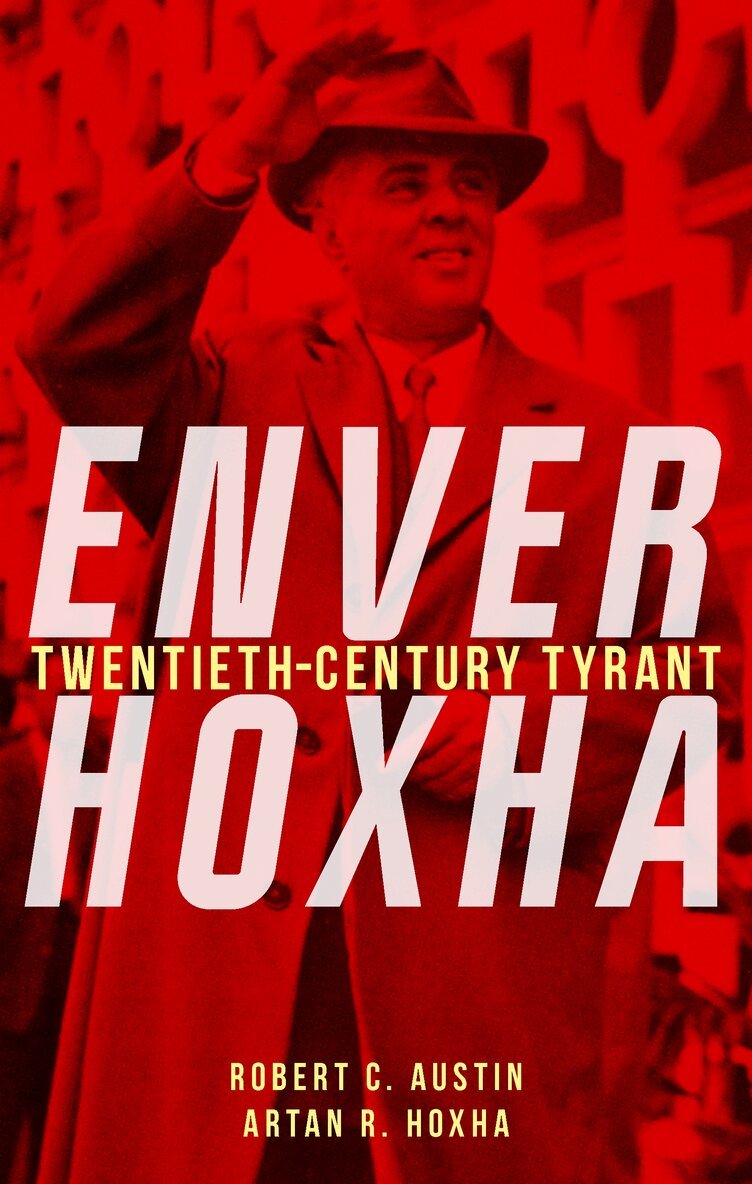
Featured in New Statesman’s Culture Preview 2026: The best non-fiction to read this yearEnver Hoxha, one of the most fanatical communist leaders of the twentieth century, ruled Albania for forty years. He was a Stalinist modernizer who sought to pull his country out of its peripheral status through rapid industrialization and diplomatic cunning. Albania transitioned from one ideological alliance to another, breaking first with Tito’s Yugoslavia, then Khrushchev’s USSR and lastly post-Maoist China. Masterfully exploiting rivalries within the communist bloc, Hoxha was able to ensure his regime’s survival and play an outsized role in the ideological clashes that riddled the communist world during the second half of the twentieth century. Meanwhile, at home he built a cult of personality and maintained his grip over power by ruthless coercion. Enver Hoxha: Twentieth-Century Tyrant paints a nuanced picture of Hoxha’s psychological, ideological and political worlds, illuminating a lesser-known story of the Cold War, and enriching our understanding of the nature of authoritarianism and dictatorship.
1 707 kr
Skickas inom 10-15 vardagar
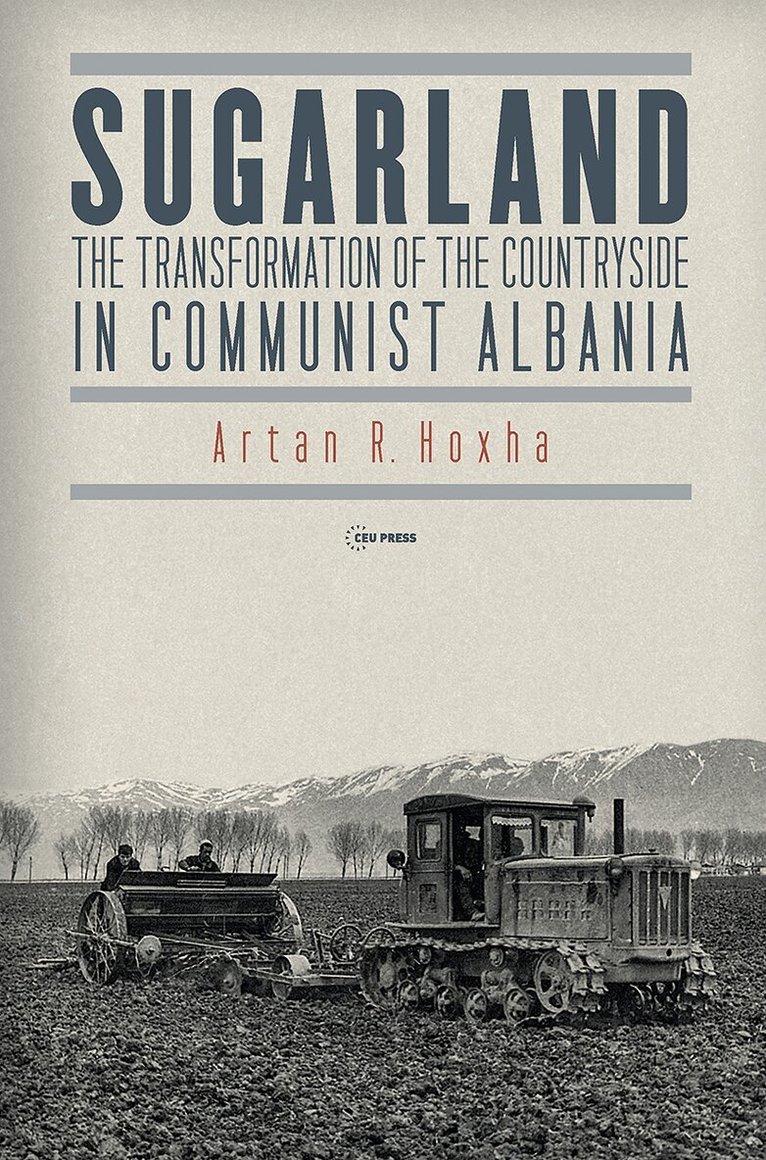
In this historical monograph on non-urban communist Albania, Artan Hoxha discusses the ambitious development project that turned a swampland into a site of sugar production after 1945. The author seeks to free the history of Albanian communism from the stereotypes that still circulate about it with stigmas of an aberration, paranoia, extreme nationalism, and xenophobia. This micro-history of the agricultural and industrial transformation of a zone in southeastern Albania, explores a wide range of issues including modernization, development, and social, cultural, and economic policies. In addition to analyzing the collectivization of agriculture, Hoxha shows how communism affected the lives of ordinary rural people. As elsewhere in the Communist Bloc, the Albanian regime borrowed developmental projects from the past and implemented them using social mobilization and a command economy. The abundant archival resources along with interviews in the field attest to the authorities’ efforts to increase consumption and to radically transform people’s tastes. But the book argues that despite the repressive environment, people involved in the sugar project were not simply passive receivers of models from the nation's capital. The author also describes that—in defiance of Cold War bipolarity—technological requirements and social policy considerations required a degree of engagement with the broader world.