Arthur C Wright – författare
Visar alla böcker från författaren Arthur C Wright. Handla med fri frakt och snabb leverans.
4 produkter
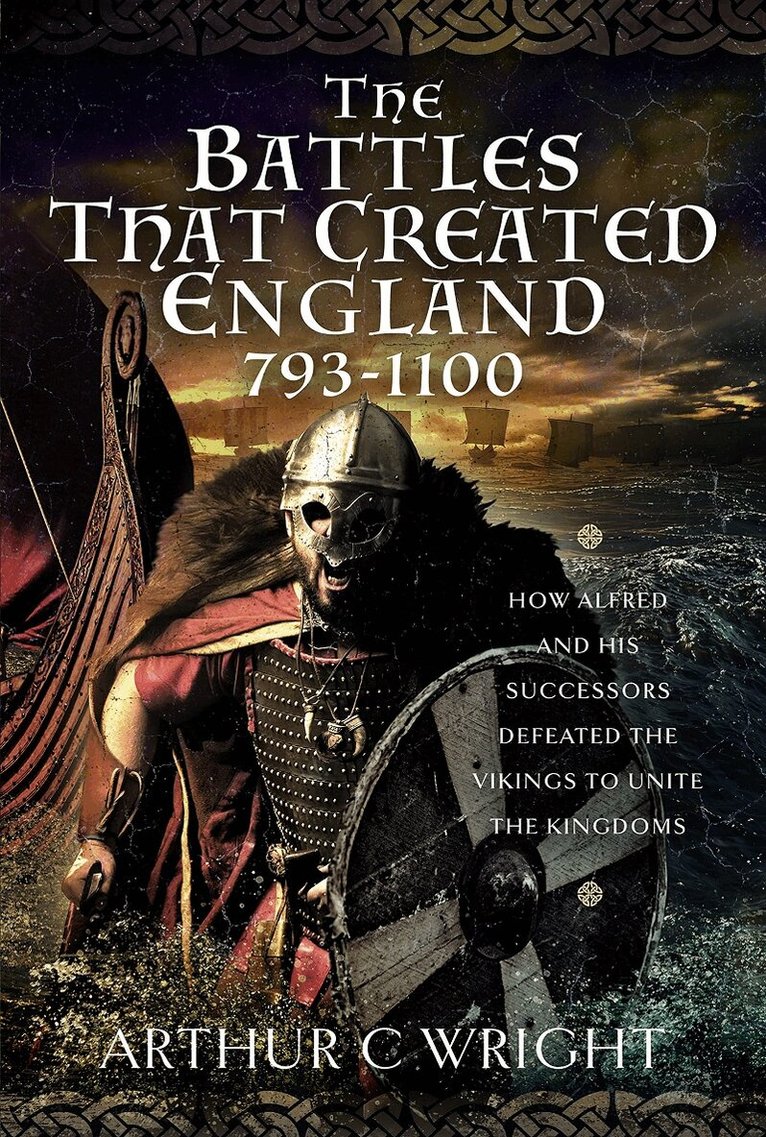
Battles That Created England 793-1100
How Alfred and his Successors Defeated the Vikings to Unite the Kingdoms
Inbunden, 2022
280 kr
Lägg i varukorg
In popular imagination the warfare of the Early Middle Ages is often obscure, unstructured, and unimaginative, lost between two military machines, the Romans' and the Normans', which saw the country invaded and partitioned. In point of fact, we have a considerable amount of information at our …
Battles That Created England 793-1100
How Alfred and his Successors Defeated the Vikings to Unite the Kingdoms
E-bok, 2023
150 kr
Lägg i varukorg
In popular imagination the warfare of the Early Middle Ages is often obscure, unstructured, and unimaginative, lost between two military machines, the ''Romans'' and the ''Normans'', which saw the country invaded and partitioned. In point of fact, we have a considerable amount of information at our …
Battles That Created England 793-1100
How Alfred and his Successors Defeated the Vikings to Unite the Kingdoms
E-bok, 2023
150 kr
Lägg i varukorg
In popular imagination the warfare of the Early Middle Ages is often obscure, unstructured, and unimaginative, lost between two military machines, the ''Romans'' and the ''Normans'', which saw the country invaded and partitioned. In point of fact, we have a considerable amount of information at our …
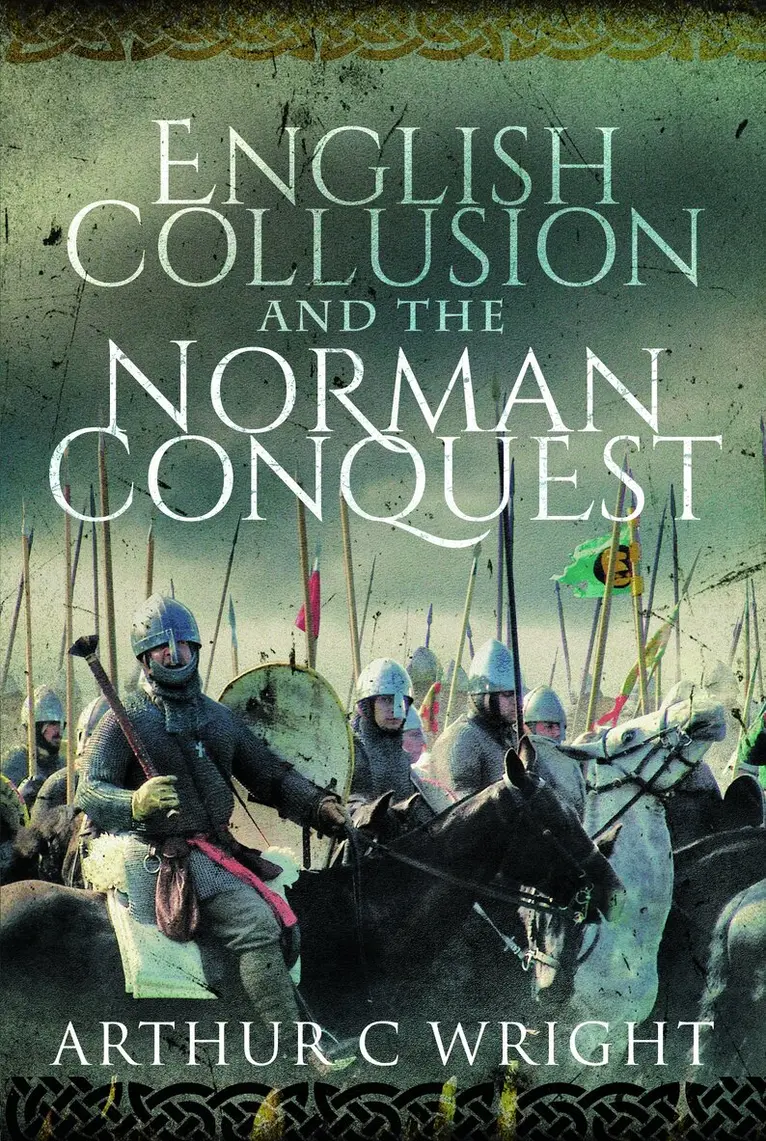
English Collusion and the Norman Conquest
Häftad, 2028
171 kr
Kommande
The reality of war, in any period, is its totality. Warfare affects everyone in a society. Here, for the first time, is a comprehensive analysis of eleventh century warfare as exposed in the record of the Norman Conquest of England. King William I experienced a lifetime of conflict on and off so …