Arthur Keaveney – författare
Visar alla böcker från författaren Arthur Keaveney. Handla med fri frakt och snabb leverans.
10 produkter
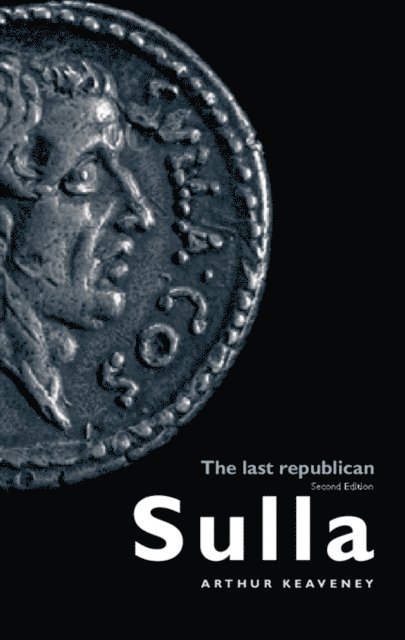
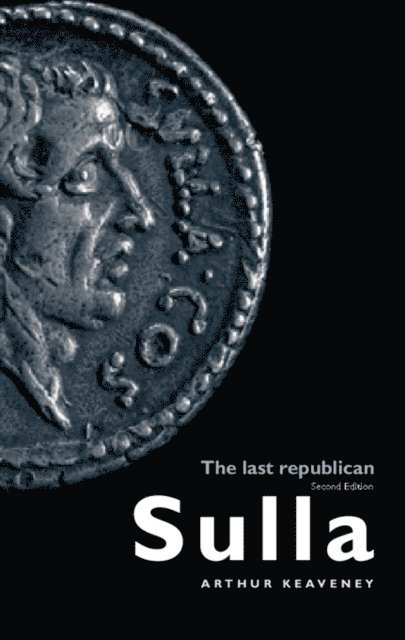
Sulla
The Last Republican
Inbunden, 2005
2666 kr
Lägg i varukorg
In this second edition of Arthur Keaveney's classic biography, a fresh generation of students, scholars and readers are introduced to one of the most pivotal figures in the outgoing Roman Empire.A definitive book in its field, this second edition is a must read. Completely rewritten and updated to …
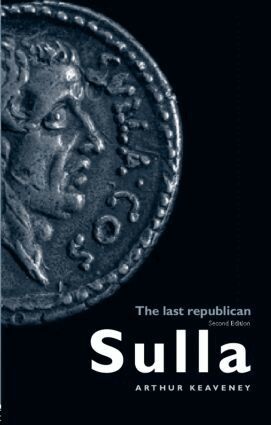
Sulla
The Last Republican
Häftad, 2005
734 kr
Lägg i varukorg
In this second edition of Arthur Keaveney's classic biography, a fresh generation of students, scholars and readers are introduced to one of the most pivotal figures in the outgoing Roman Empire.A definitive book in its field, this second edition is a must read. Completely rewritten and updated to …
Army in the Roman Revolution
Inbunden, 2007
2586 kr
Lägg i varukorg
The Roman Revolution is one of the most momentous periods of change in history, in which an imperial but quasidemocratic power changed into an autocracy. This book studies the way the Roman army changed in the last eighty years of the Republic, so that an army of imperial conquest became …
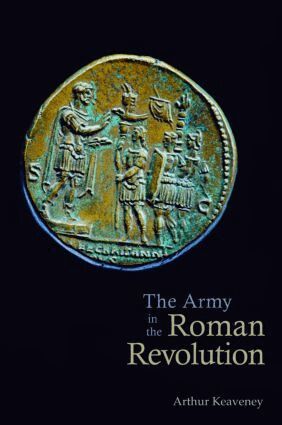
Army in the Roman Revolution
Häftad, 2007
667 kr
Lägg i varukorg
The Roman Revolution is one of the most momentous periods of change in history, in which an imperial but quasidemocratic power changed into an autocracy. This book studies the way the Roman army changed in the last eighty years of the Republic, so that an army of imperial conquest became …
Army in the Roman Revolution
E-bok, 2007
768 kr
Lägg i varukorg
The Roman Revolution is one of the most momentous periods of change in history, in which an imperial but quasidemocratic power changed into an autocracy. This book studies the way the Roman army changed in the last eighty years of the Republic, so that an army of imperial conquest became …
Army in the Roman Revolution
E-bok, 2007
768 kr
Lägg i varukorg
The Roman Revolution is one of the most momentous periods of change in history, in which an imperial but quasidemocratic power changed into an autocracy. This book studies the way the Roman army changed in the last eighty years of the Republic, so that an army of imperial conquest became …
Sulla
The Last Republican
E-bok, 2013
838 kr
Lägg i varukorg
In this second edition of Arthur Keaveney''s classic biography, a fresh generation of students, scholars and readers are introduced to one of the most pivotal figures in the outgoing Roman Empire. A definitive book in its field, this second edition is a must read. Completely rewritten and updated …
Sulla
The Last Republican
E-bok, 2013
820 kr
Lägg i varukorg
In this second edition of Arthur Keaveney''s classic biography, a fresh generation of students, scholars and readers are introduced to one of the most pivotal figures in the outgoing Roman Empire. A definitive book in its field, this second edition is a must read. Completely rewritten and updated …
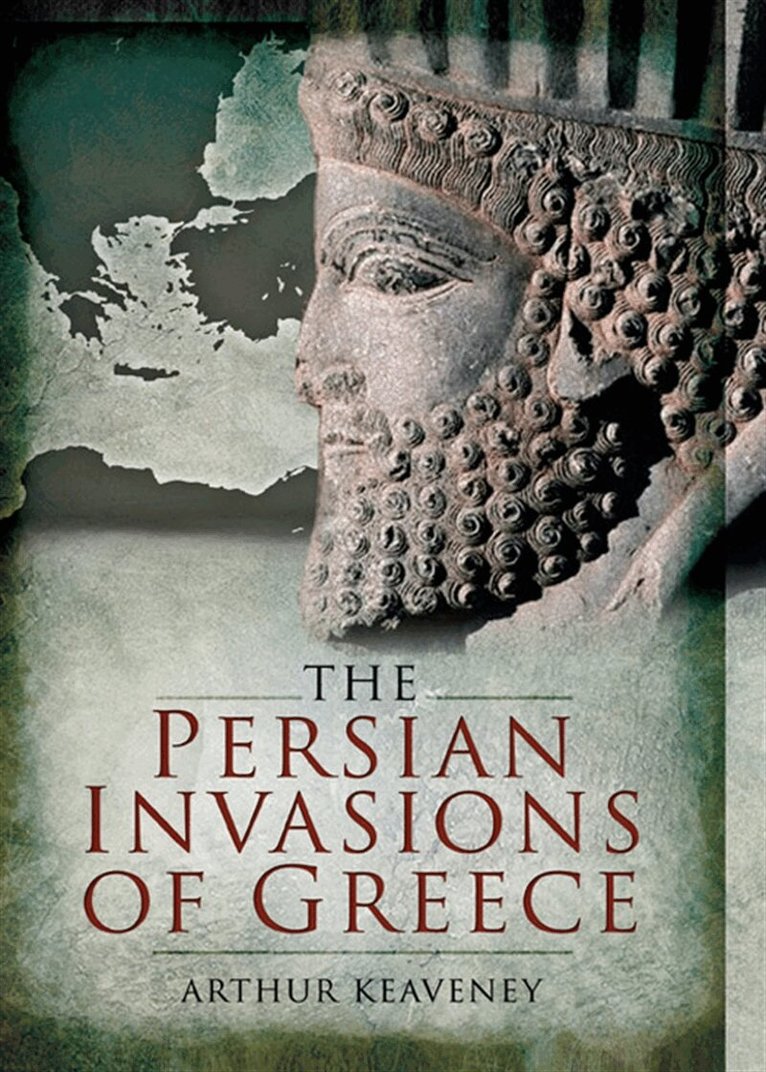
The Persian Invasions of Greece
E-bok, 2021
127 kr
Lägg i varukorg
In 490 BC Darius I, Great King of Persia and the most powerful man in the world, led a massive invasion army to punish the interference of some minor states on the western borders of his huge empire. The main enemy was Athens. The resultant Battle of Marathon was a disaster for Darius and one of …
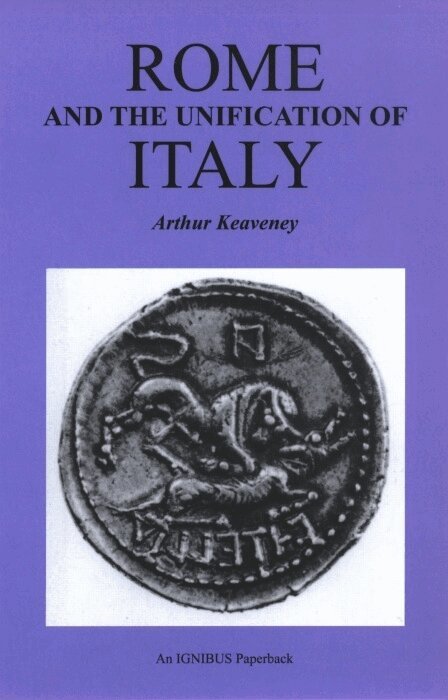
Rome and the Unification of Italy
Häftad, 2005
518 kr
Lägg i varukorg
Scarcely more than a generation before Octavian (later Augustus) set out to encounter Antony and Cleopatra at the battle of Actium, confidently relying on the firm support of 'all Italy', the Italians were in revolt, with the avowed aim of destroying Rome. The impressive unity displayed in 31 BC …