Arthur Seakhoa-King – författare
Visar alla böcker från författaren Arthur Seakhoa-King. Handla med fri frakt och snabb leverans.
6 produkter
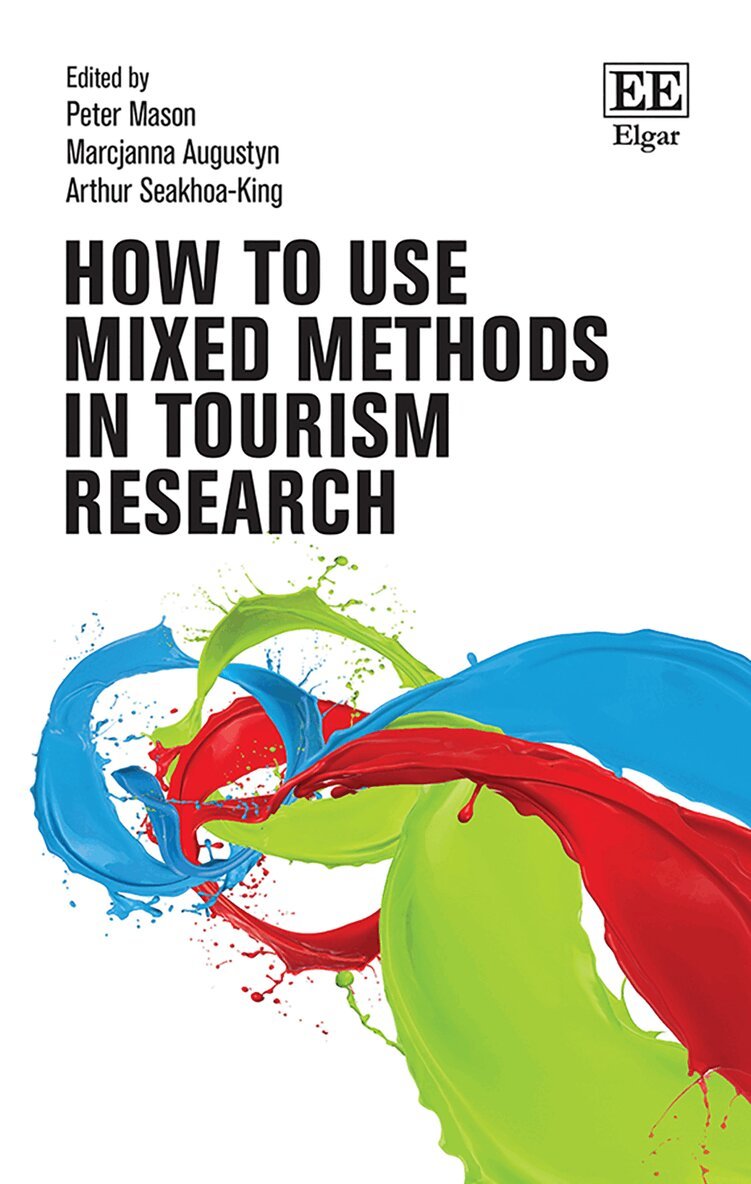
How to use Mixed Methods in Tourism Research
Av Peter Mason, Marcjanna Augustyn m. fl.
Inbunden, 2024
1626 kr
Lägg i varukorg
Drawing on examples of sequential and concurrent mixed method studies, this innovative book demonstrates how to use mixed methods approaches in tourism research successfully. Peter Mason, Marcjanna Augustyn and Arthur Seakhoa-King bring together insights from expert authors to demonstrate how to …
How to use Mixed Methods in Tourism Research
Av Arthur Seakhoa-King, Marcjanna Augustyn m. fl.
E-bok, 2024
462 kr
Lägg i varukorg
Drawing on examples of sequential and concurrent mixed method studies, this innovative book demonstrates how to use mixed methods approaches in tourism research successfully. Peter Mason, Marcjanna Augustyn and Arthur Seakhoa-King bring together insights from expert authors to demonstrate how to …
How to use Mixed Methods in Tourism Research
Av Arthur Seakhoa-King, Marcjanna Augustyn m. fl.
E-bok, 2024
459 kr
Lägg i varukorg
Drawing on examples of sequential and concurrent mixed method studies, this innovative book demonstrates how to use mixed methods approaches in tourism research successfully. Peter Mason, Marcjanna Augustyn and Arthur Seakhoa-King bring together insights from expert authors to demonstrate how to …
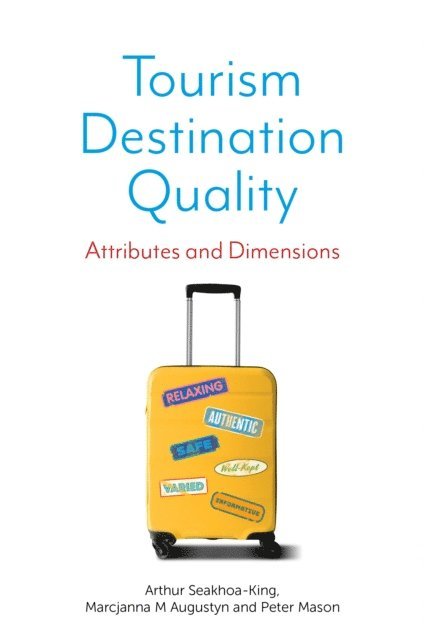
Tourism Destination Quality
Attributes and Dimensions
Av Peter Mason, Marcjanna M Augustyn m. fl.
E-bok, 2020
1306 kr
Lägg i varukorg
Tourism Destination Quality: Attributes and Dimensions presents new research on tourism destination quality. It is based on results from the first major empirical study (the TDQ study) that examined what tourists associate with tourism destination quality. It explains why respondents strongly …
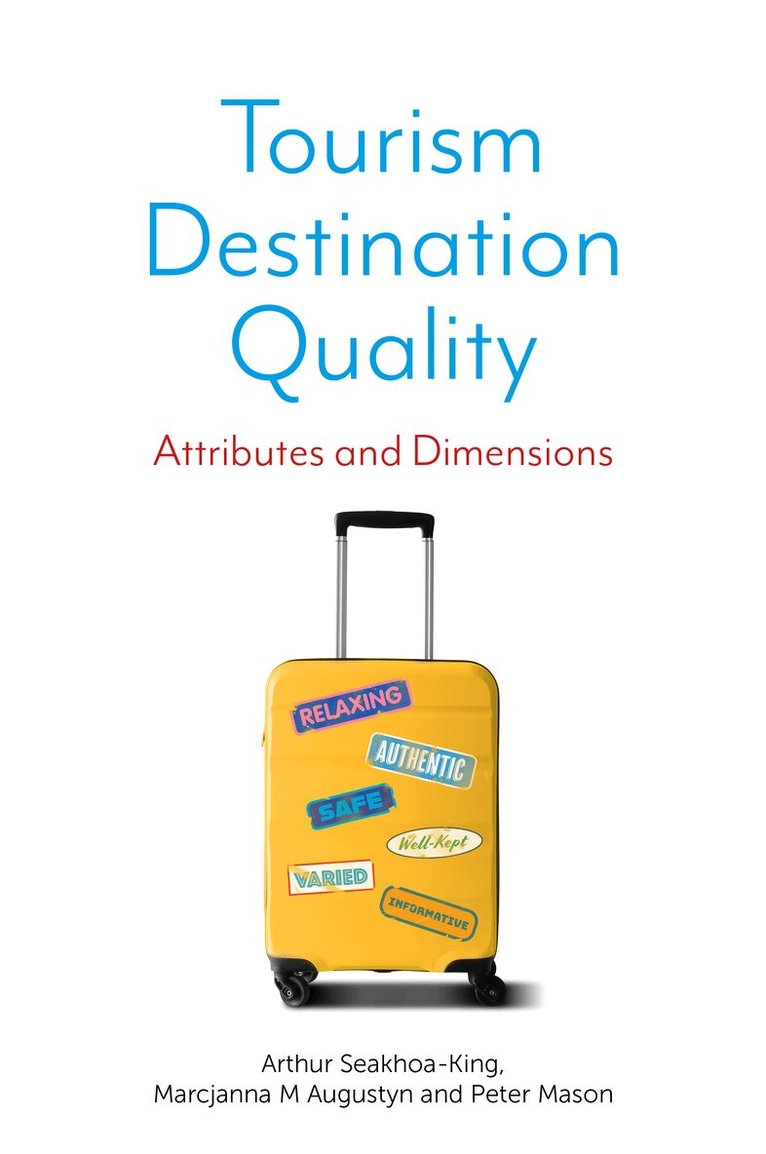
Tourism Destination Quality
Attributes and Dimensions
Av Arthur Seakhoa-King, Marcjanna M Augustyn m. fl.
Inbunden, 2020
1207 kr
Lägg i varukorg
Tourism Destination Quality: Attributes and Dimensions presents new research on tourism destination quality. It is based on results from the first major empirical study (the TDQ study) that examined what tourists associate with tourism destination quality. It explains why respondents strongly …
Tourism Destination Quality
Attributes and Dimensions
Av Peter Mason, Marcjanna M Augustyn m. fl.
E-bok, 2020
1306 kr
Lägg i varukorg
Tourism Destination Quality: Attributes and Dimensions presents new research on tourism destination quality. It is based on results from the first major empirical study (the TDQ study) that examined what tourists associate with tourism destination quality. It explains why respondents strongly …