Arun Bala – författare
Visar alla böcker från författaren Arun Bala. Handla med fri frakt och snabb leverans.
7 produkter
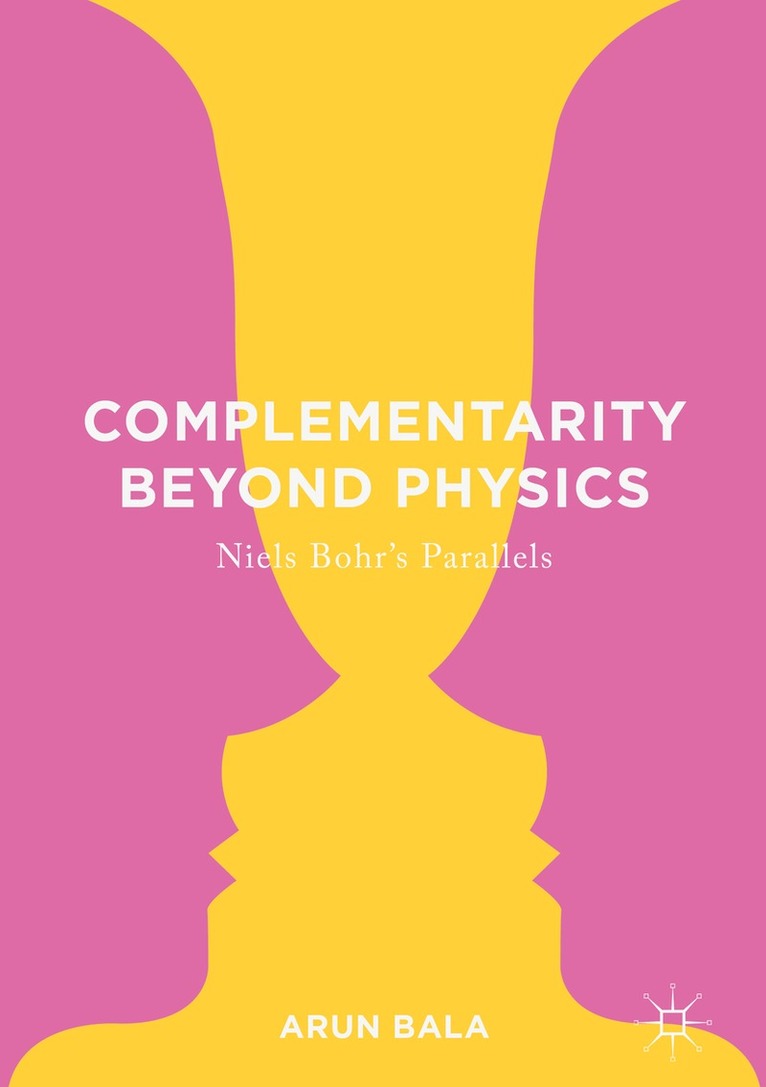
Complementarity Beyond Physics
Niels Bohr's Parallels
Av Arun Bala
Inbunden, 2016
1093 kr
Lägg i varukorg
In this study Arun Bala examines the implications that Niels Bohr’s principle of complementarity holds for fields beyond physics. Bohr, one of the founding figures of modern quantum physics, argued that the principle of complementarity he proposed for understanding atomic processes has parallels in …
Complementarity Beyond Physics
Niels Bohr''s Parallels
Av Arun Bala
E-bok, 2016
1459 kr
Lägg i varukorg
In this study Arun Bala examines the implications that Niels Bohr’s principle of complementarity holds for fields beyond physics. Bohr, one of the founding figures of modern quantum physics, argued that the principle of complementarity he proposed for understanding atomic processes has parallels in …
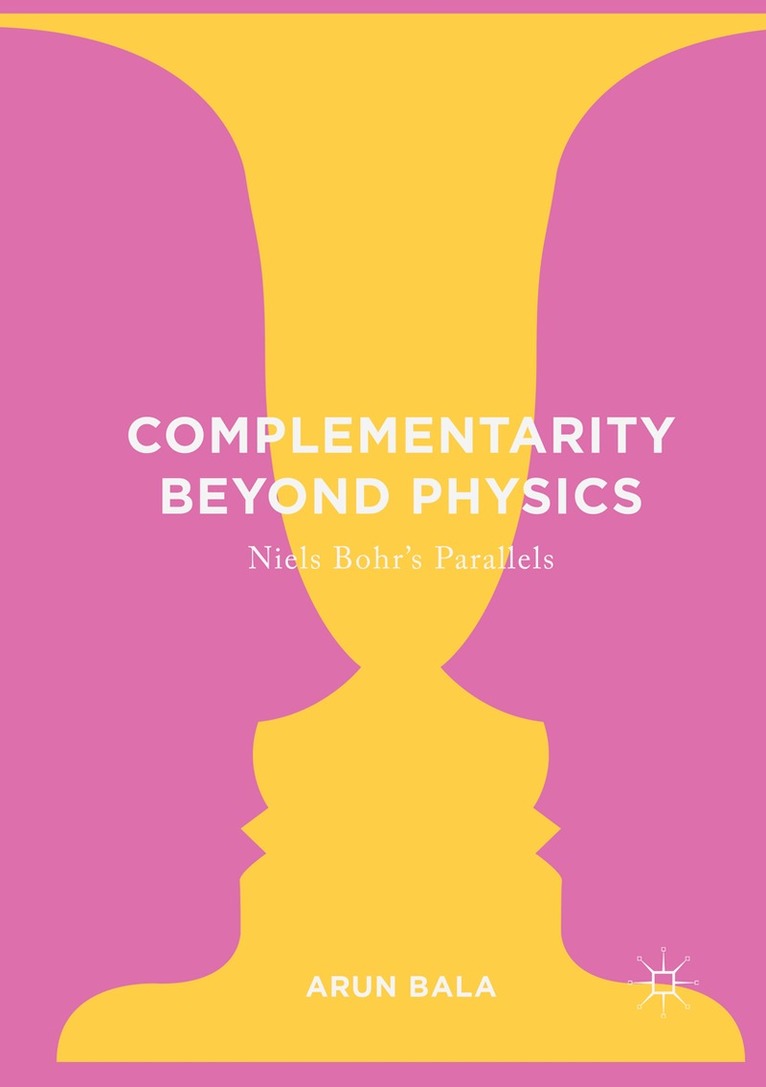
Complementarity Beyond Physics
Niels Bohr's Parallels
Av Arun Bala
Häftad, 2018
1093 kr
Lägg i varukorg
In this study Arun Bala examines the implications that Niels Bohr’s principle of complementarity holds for fields beyond physics. Bohr, one of the founding figures of modern quantum physics, argued that the principle of complementarity he proposed for understanding atomic processes has parallels in …
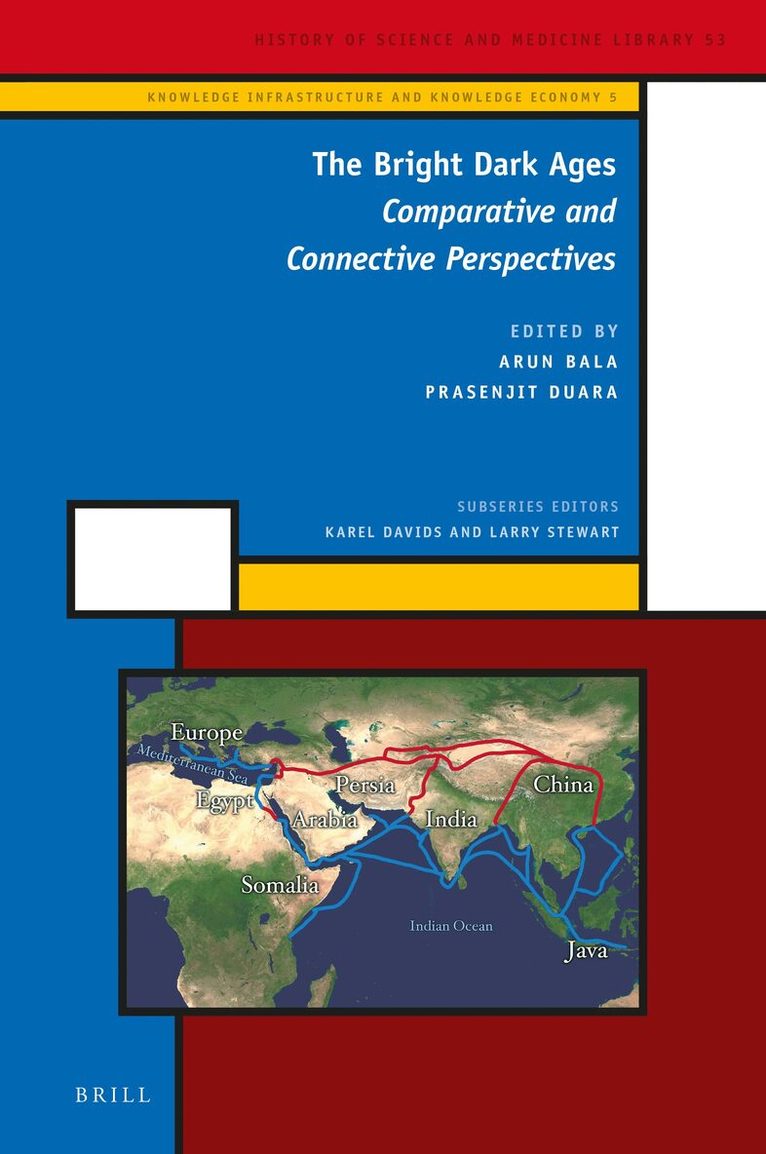
Bright Dark Ages
Comparative and Connective Perspectives
Inbunden, 2016
2479 kr
Lägg i varukorg
The European 'dark ages' in the millennium 500 to 1500 CE was a bright age of scientific achievements in China, India and the Middle East. The contributors to this volume address the implications of this seminal era of Asian science for comparative and connective science studies. Although such …
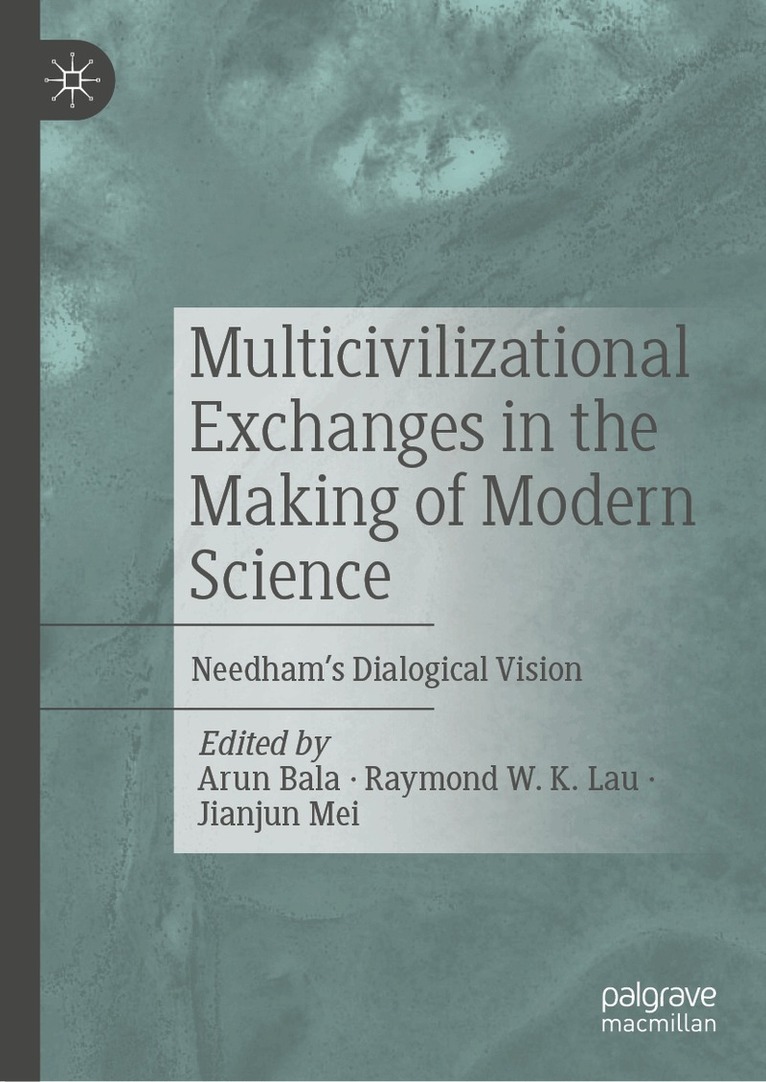
Multicivilizational Exchanges in the Making of Modern Science
Needham’s Dialogical Vision
Av Arun Bala, Raymond W. K. Lau m. fl.
Inbunden, 2024
1419 kr
Lägg i varukorg
This book explores how and why exchanges across civilizations have come to enrich science today. The dialogical dimension of the history of science has long been marginalized by an excessive concern on why modern science emerged in Europe, but not in any of the advanced civilizations of the East. …
Multicivilizational Exchanges in the Making of Modern Science
Needham’s Dialogical Vision
Av Jianjun Mei, Raymond W. K. Lau m. fl.
E-bok, 2024
1754 kr
Lägg i varukorg
This book explores how and why exchanges across civilizations have come to enrich science today. The dialogical dimension of the history of science has long been marginalized by an excessive concern on why modern science emerged in Europe, but not in any of the advanced civilizations of the East. …
Multicivilizational Exchanges in the Making of Modern Science: Needham's Dialogical Vision
Av Arun Bala, Raymond W. K. Lau
Häftad, 2025
1419 kr
Lägg i varukorg