Raymond W. K. Lau – författare
Visar alla böcker från författaren Raymond W. K. Lau. Handla med fri frakt och snabb leverans.
6 produkter
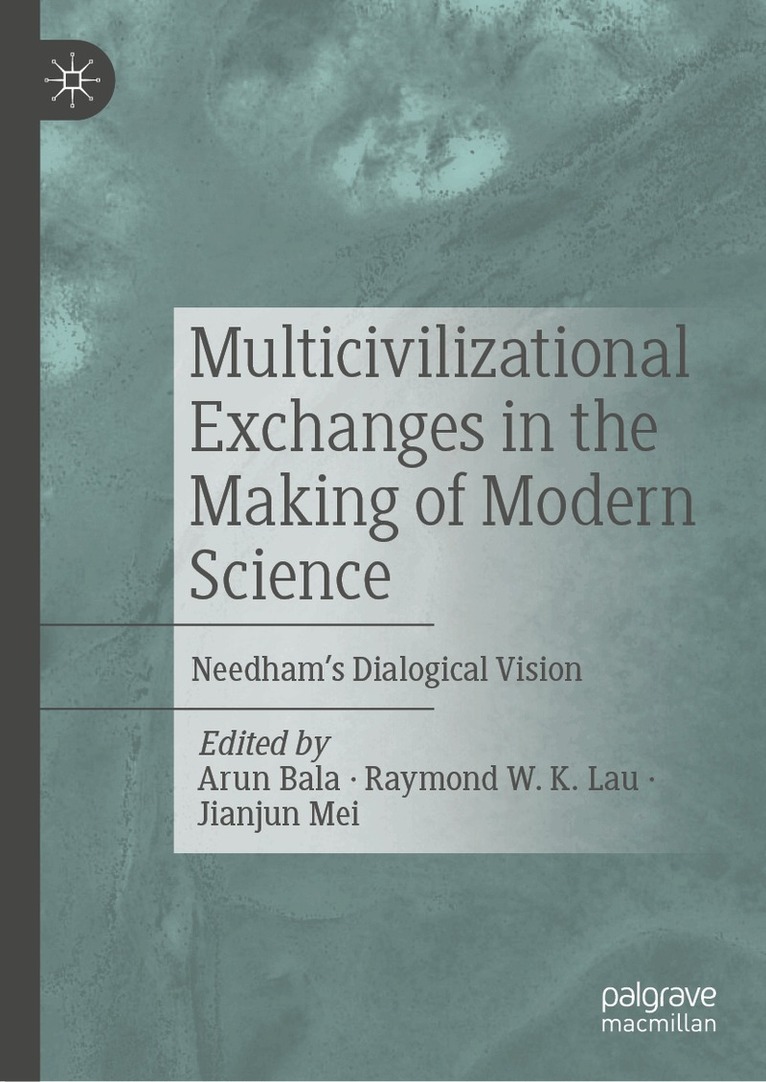
Multicivilizational Exchanges in the Making of Modern Science
Needham’s Dialogical Vision
Av Arun Bala, Raymond W. K. Lau m. fl.
Inbunden, 2024
1422 kr
Lägg i varukorg
This book explores how and why exchanges across civilizations have come to enrich science today. The dialogical dimension of the history of science has long been marginalized by an excessive concern on why modern science emerged in Europe, but not in any of the advanced civilizations of the East. …
Multicivilizational Exchanges in the Making of Modern Science
Needham’s Dialogical Vision
Av Jianjun Mei, Raymond W. K. Lau m. fl.
E-bok, 2024
1754 kr
Lägg i varukorg
This book explores how and why exchanges across civilizations have come to enrich science today. The dialogical dimension of the history of science has long been marginalized by an excessive concern on why modern science emerged in Europe, but not in any of the advanced civilizations of the East. …
Multicivilizational Exchanges in the Making of Modern Science: Needham's Dialogical Vision
Av Arun Bala, Raymond W. K. Lau
Häftad, 2025
1422 kr
Lägg i varukorg
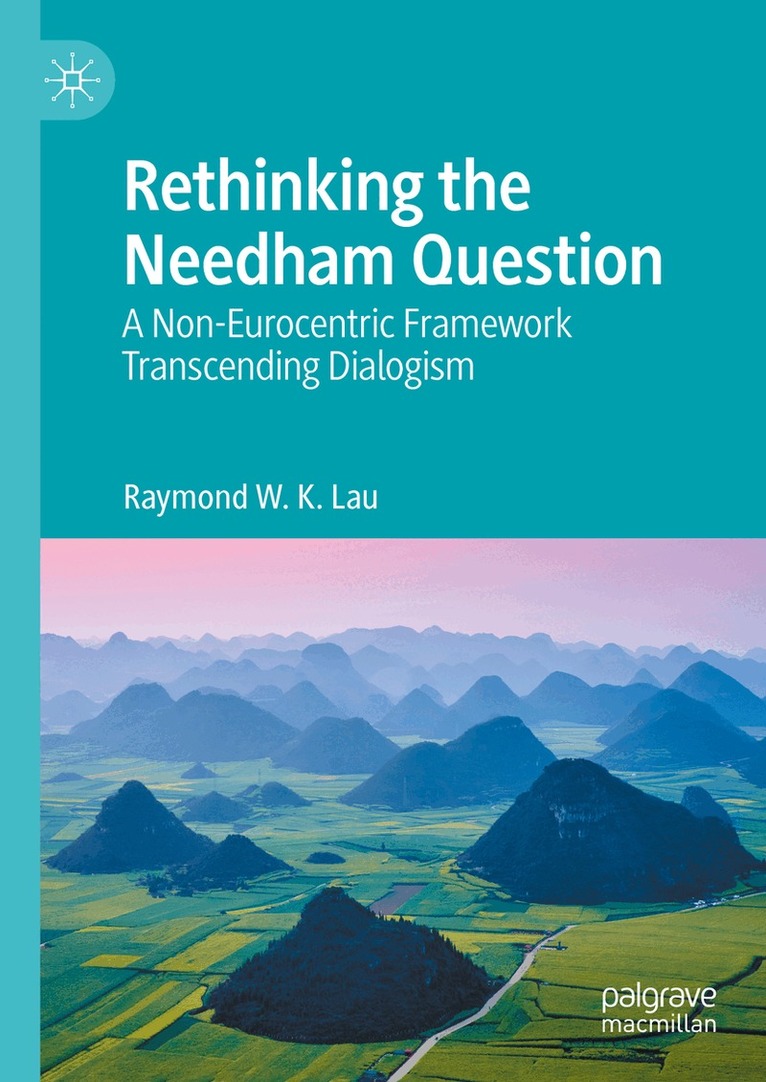
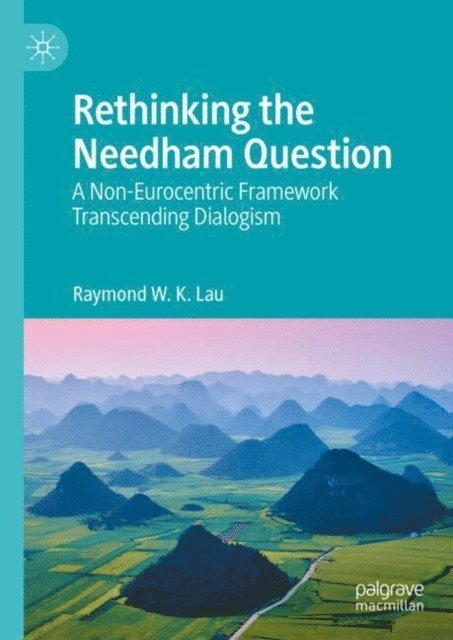
Rethinking the Needham Question
A Non-Eurocentric Framework Transcending Dialogism
Inbunden, 2024
1464 kr
Lägg i varukorg
This book offers a new investigation of the Needham Question. Why did modern science emerge in Europe, but not in any of the advanced non-European civilizations? Eurocentric accounts attribute it to certain ‘qualities’ said to be ‘unique’ to Europe. Opposed to the Eurocentric view is a position …
Rethinking the Needham Question
A Non-Eurocentric Framework Transcending Dialogism
E-bok, 2024
1838 kr
Lägg i varukorg
This book offers a new investigation of the Needham Question. Why did modern science emerge in Europe, but not in any of the advanced non-European civilizations? Eurocentric accounts attribute it to certain ‘qualities’ said to be ‘unique’ to Europe. Opposed to the Eurocentric view is a position …
Rethinking the Needham Question: A Non-Eurocentric Framework Transcending Dialogism
Häftad, 2025
1464 kr
Lägg i varukorg