Arvind Chandra Pandey - Böcker
Visar alla böcker från författaren Arvind Chandra Pandey. Handla med fri frakt och snabb leverans.
7 produkter
7 produkter
5 271 kr
Skickas inom 10-15 vardagar
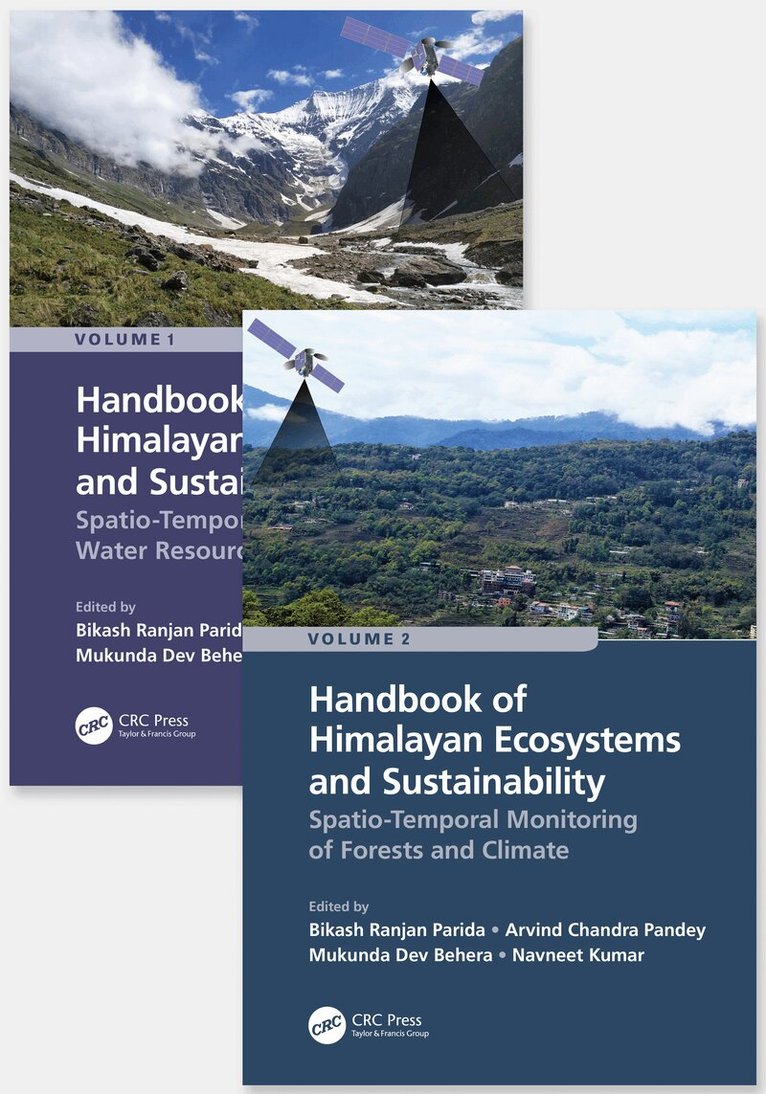
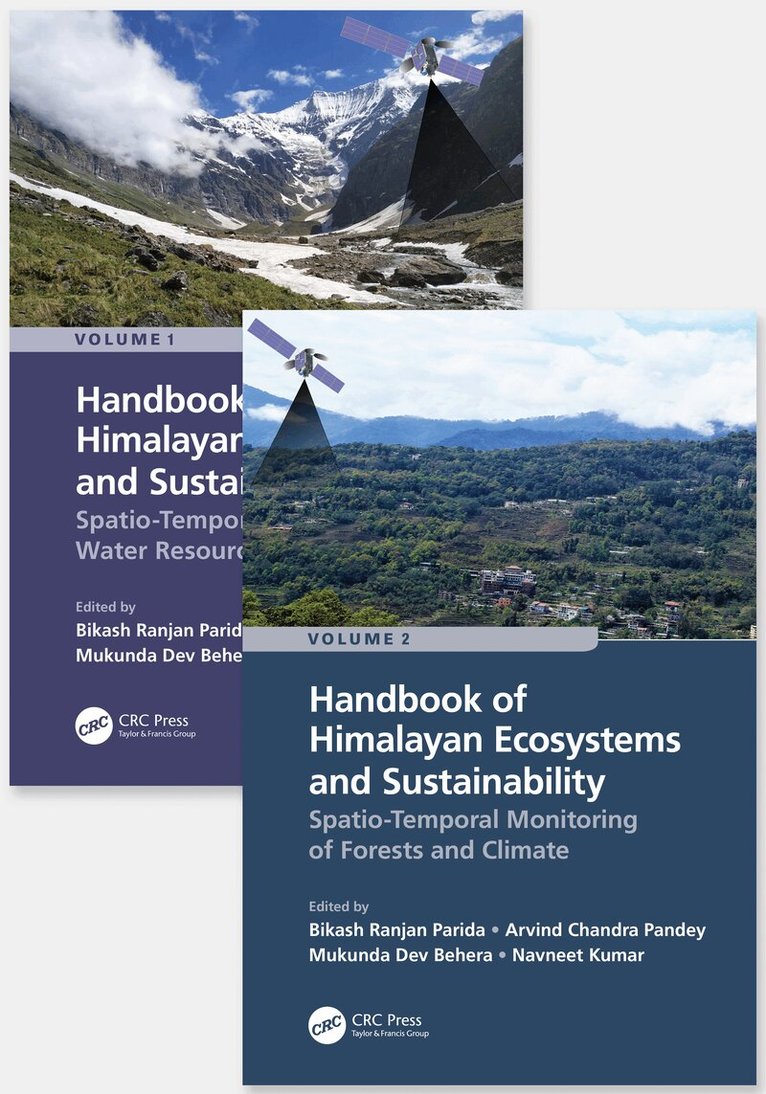
This is a comprehensive handbook focused on geospatial applications used to study, assess, and monitor the Himalayan mountains. As a region of high relevance and very vulnerable regarding geohazards, it is crucial to detect landscape changes and understand the drivers behind the changes. With advanced remote sensing and GIS tools, in-depth analyses, and interdisciplinary approaches, the Handbook of Himalayan Ecosystems and Sustainability, Two Volume Set studies forest and agriculture ecosystems, urban sprawl and air pollution, geo and other hazards, and provides a breadth of data to support decision making and to aids in the preservation of the landscapes in a sustainable way.Features: Uses geospatial technology for studying fragile Himalayan ecosystems and their sustainability Includes 21 case studies from Indian Himalayan, Nepal, and Afghanistan regions Provides satellite data and geospatial modelling tools for assessing and monitoring all Himalayan landscapes Addresses cryospheric studies and related ongoing geohazards and potential climate change impacts Discusses ecology of the Himalayan rivers, biodiversity, and floristic shifting of endemic species, and landscape restoration
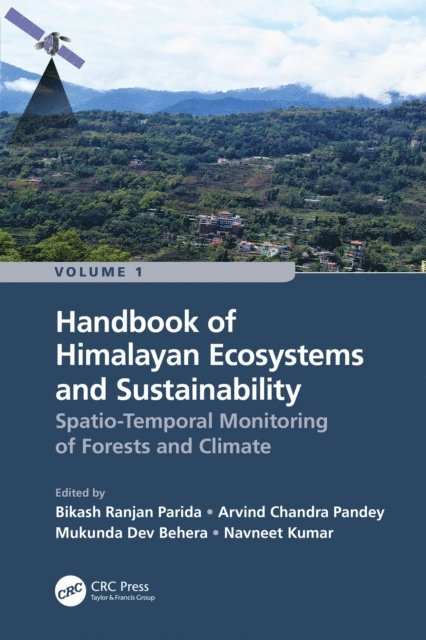
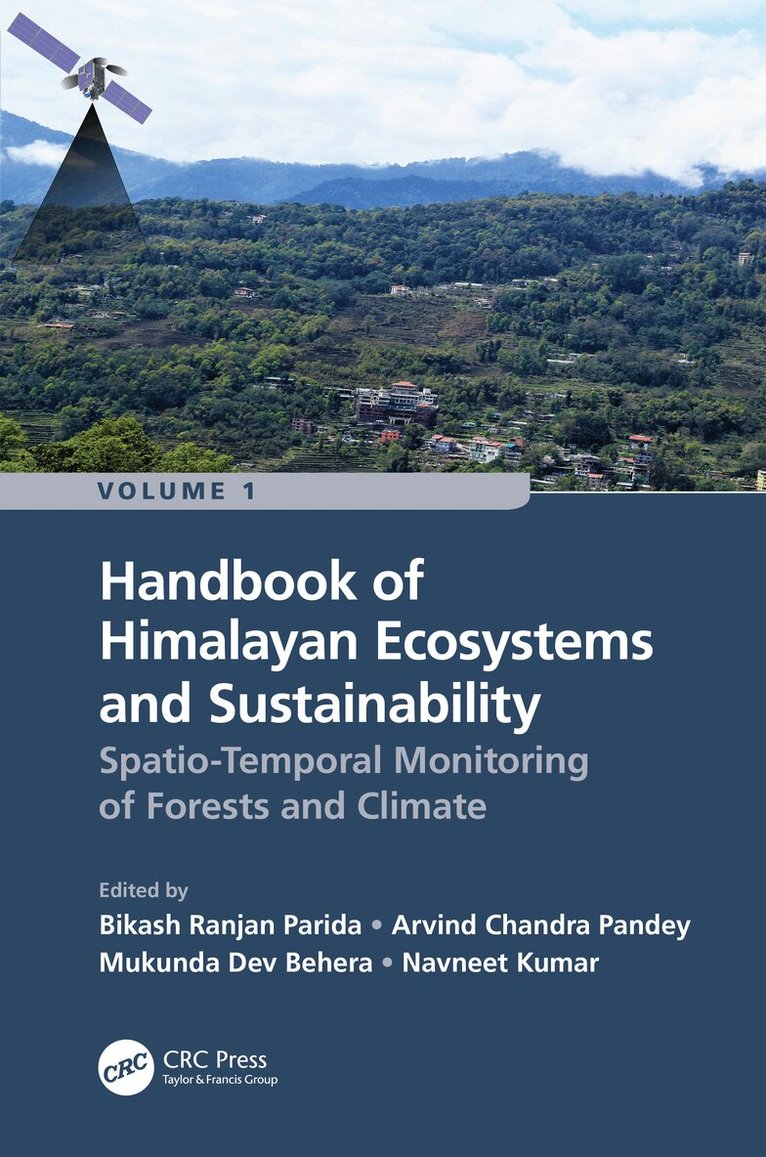
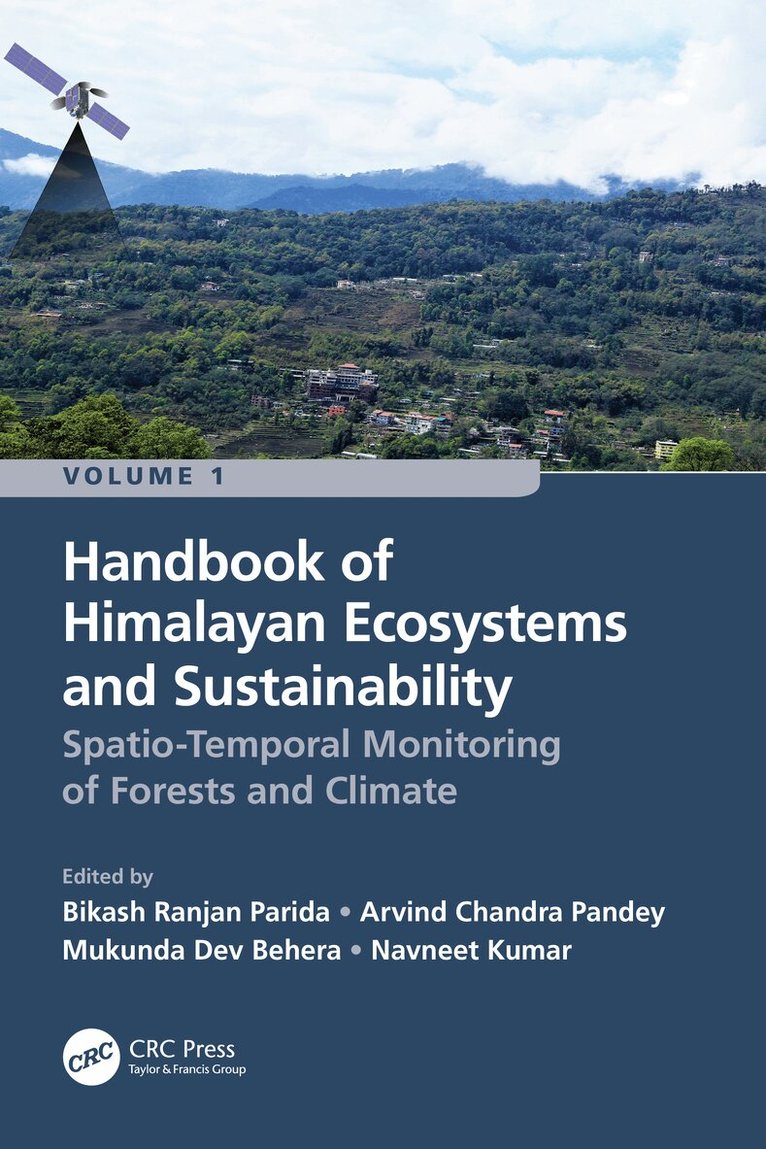
Handbook of Himalayan Ecosystems and Sustainability, Volume 1
Spatio-Temporal Monitoring of Forests and Climate
Inbunden, Engelska, 2022
2 238 kr
Skickas inom 10-15 vardagar
Volume 1: Spatio-Temporal Monitoring of Forests and Climate is aimed to describe the recent progress and developments of geospatial technologies (remote sensing and GIS) for assessing, monitoring and managing fragile Himalayan ecosystems and their sustainability under climate change. It is a collective research contribution from renowned researchers and academicians working in the Hindu Kush Himalayan (HKH) mountain range. The Himalayas ecosystems have been facing substantial transformation due to severe environmental conditions, land transformation, forest degradation and fragmentation. The authors utilized satellite datasets and algorithms to discuss the intricacy of land use/land cover change, forest and agricultural ecosystems, canopy height estimation, above-ground biomass, wildfires, carbon sequestration, and landscape restoration. Furthermore, the potential impacts of climate change on ecosystems, biodiversity and future food and nutritional security are also addressed including the impact on the livelihood of people of the Himalayas. This comprehensive Handbook explains the advanced geospatial technologies for mapping and management of natural resources of the Himalayas.Key Features Explains multiple aspects of geospatial technologies for studying fragile Himalayan ecosystems and sustainability Focuses on the utility of interferometric synthetic aperture radar (SAR) modeling for canopy height Explain how remote sensing techniques are useful for deriving the above-ground biomass, gross primary productivity (GPP), and carbon fluxes Addresses how geospatial technologies are valuable for understanding vegetation dynamics, composition and landscape restoration due to shifts in timberline and forest fires Includes contributions from global professionals working in the HKH mountain rangeReadership The Handbook serves as a valuable reference for students, researchers, scientists, ecologists, agricultural scientists, meteorologists, decision makers and all others who wish to advance their knowledge on vegetation remote sensing considering climate change in the HKH region.
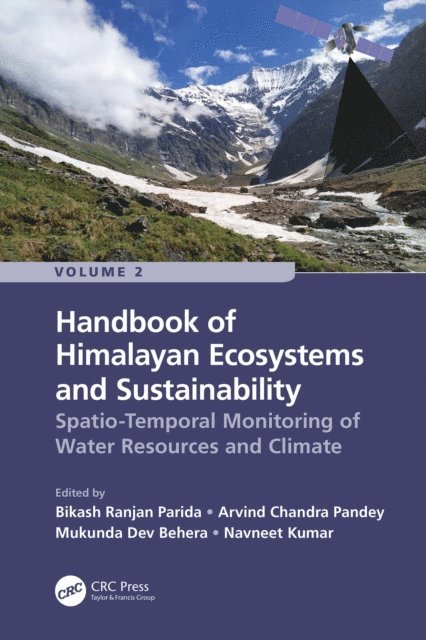
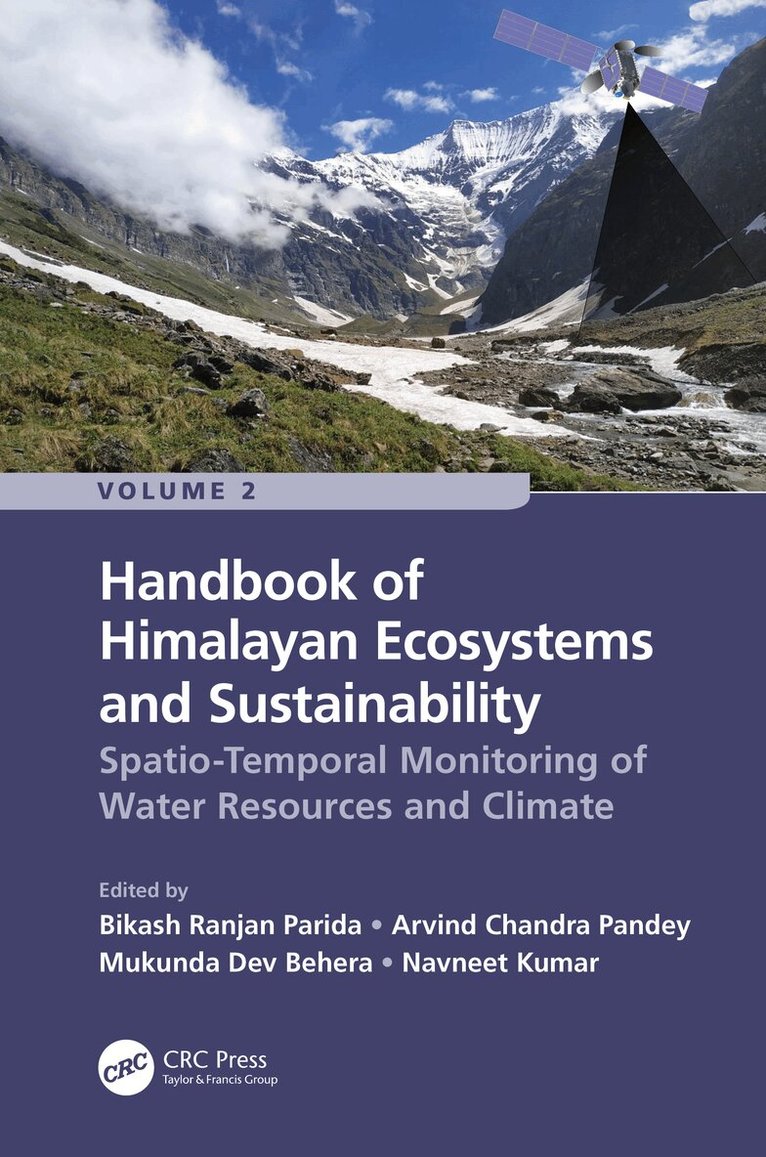
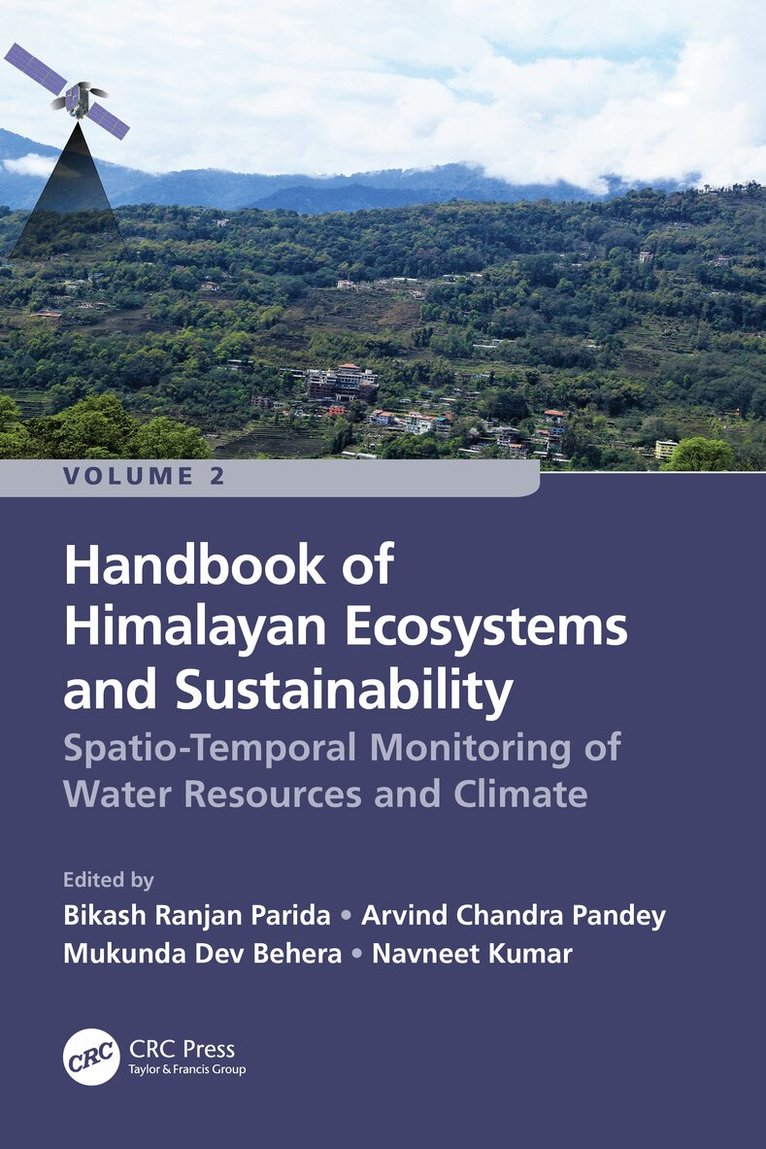
Handbook of Himalayan Ecosystems and Sustainability, Volume 2
Spatio-Temporal Monitoring of Water Resources and Climate
Inbunden, Engelska, 2022
2 238 kr
Skickas inom 10-15 vardagar
Volume 2: Handbook of Spatio-Temporal Monitoring of Water Resources and Climate is aimed to describe the current state of knowledge and developments of geospatial technologies (Remote Sensing and Geographic Information Systems) for assessing and managing water resources under climate change. It is a collective achievement of renowned researchers and academicians working in the Hindu Kush Himalayan (HKH) mountain range. The HKH region is a part of the Third Pole outside the polar regions due to its largest permanent snow cover. Importantly, the Himalayan belt is geologically fragile and vulnerable to geohazards (e.g. landslides, land subsidence, rockfalls, debris flow, avalanches, and earthquakes). Therefore, critical assessment and geospatial solutions are indispensable to safeguard the natural resources and human beings in the Himalayas using space-borne satellite datasets. This book also showcases various remote sensing techniques and algorithms in the field of urban sprawling, urban microclimate and air pollution. The potential impacts of climate change on the cryosphere and water resources are also highlighted. This comprehensive Handbook is highly interdisciplinary and explains the role of geospatial technologies in studying the water resources of the Himalayas considering climate change.Key Features This book is unique as it focuses on the utility of satellite data for monitoring snow cover variability, snowmelt runoff, glacier lakes, avalanche susceptibility and flood modeling. Explain how Remote Sensing techniques are useful for mapping and managing the morphology and ecology of the Himalayan River. Addresses how geospatial technologies are valuable for understanding climate change impact on hydrological extremes, the potential impact of land use/land cover change (LULC) on hydrology and water resources management. It highlights the impact of LULC changes on land surface temperature, groundwater, and air pollution in urban areas. Includes contributions from global professionals working in the HKH region.ReadershipThe Handbook serves as a valuable reference for students, researchers, scientists, Hydrologists, hydro-ecologists, meteorologists, geologists, decision makers and all others who wish to advance their knowledge on monitoring and managing water resources and urban ecosystem using remote sensing in the HKH region considering climate change.
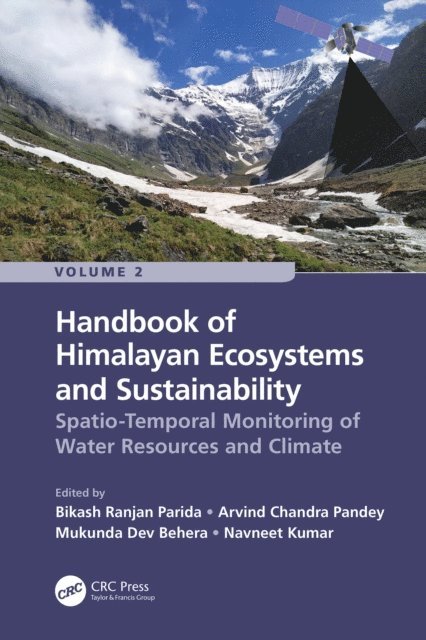
Handbook of Himalayan Ecosystems and Sustainability, Volume 2
Spatio-Temporal Monitoring of Water Resources and Climate
Häftad, Engelska, 2025
764 kr
Skickas inom 10-15 vardagar
Volume 2: Handbook of Spatio-Temporal Monitoring of Water Resources and Climate is aimed to describe the current state of knowledge and developments of geospatial technologies (Remote Sensing and Geographic Information Systems) for assessing and managing water resources under climate change. It is a collective achievement of renowned researchers and academicians working in the Hindu Kush Himalayan (HKH) mountain range. The HKH region is a part of the Third Pole outside the polar regions due to its largest permanent snow cover. Importantly, the Himalayan belt is geologically fragile and vulnerable to geohazards (e.g. landslides, land subsidence, rockfalls, debris flow, avalanches, and earthquakes). Therefore, critical assessment and geospatial solutions are indispensable to safeguard the natural resources and human beings in the Himalayas using space-borne satellite datasets. This book also showcases various remote sensing techniques and algorithms in the field of urban sprawling, urban microclimate and air pollution. The potential impacts of climate change on the cryosphere and water resources are also highlighted. This comprehensive Handbook is highly interdisciplinary and explains the role of geospatial technologies in studying the water resources of the Himalayas considering climate change.Key Features This book is unique as it focuses on the utility of satellite data for monitoring snow cover variability, snowmelt runoff, glacier lakes, avalanche susceptibility and flood modeling. Explain how Remote Sensing techniques are useful for mapping and managing the morphology and ecology of the Himalayan River. Addresses how geospatial technologies are valuable for understanding climate change impact on hydrological extremes, the potential impact of land use/land cover change (LULC) on hydrology and water resources management. It highlights the impact of LULC changes on land surface temperature, groundwater, and air pollution in urban areas. Includes contributions from global professionals working in the HKH region.ReadershipThe Handbook serves as a valuable reference for students, researchers, scientists, Hydrologists, hydro-ecologists, meteorologists, geologists, decision makers and all others who wish to advance their knowledge on monitoring and managing water resources and urban ecosystem using remote sensing in the HKH region considering climate change.
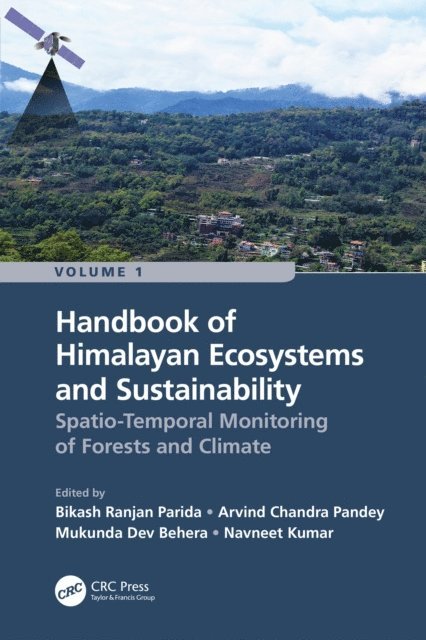
Handbook of Himalayan Ecosystems and Sustainability, Volume 1
Spatio-Temporal Monitoring of Forests and Climate
Häftad, Engelska, 2022
900 kr
Skickas inom 10-15 vardagar
Volume 1: Spatio-Temporal Monitoring of Forests and Climate is aimed to describe the recent progress and developments of geospatial technologies (remote sensing and GIS) for assessing, monitoring and managing fragile Himalayan ecosystems and their sustainability under climate change. It is a collective research contribution from renowned researchers and academicians working in the Hindu Kush Himalayan (HKH) mountain range. The Himalayas ecosystems have been facing substantial transformation due to severe environmental conditions, land transformation, forest degradation and fragmentation. The authors utilized satellite datasets and algorithms to discuss the intricacy of land use/land cover change, forest and agricultural ecosystems, canopy height estimation, above-ground biomass, wildfires, carbon sequestration, and landscape restoration. Furthermore, the potential impacts of climate change on ecosystems, biodiversity and future food and nutritional security are also addressed including the impact on the livelihood of people of the Himalayas. This comprehensive Handbook explains the advanced geospatial technologies for mapping and management of natural resources of the Himalayas.Key Features Explains multiple aspects of geospatial technologies for studying fragile Himalayan ecosystems and sustainability Focuses on the utility of interferometric synthetic aperture radar (SAR) modeling for canopy height Explain how remote sensing techniques are useful for deriving the above-ground biomass, gross primary productivity (GPP), and carbon fluxes Addresses how geospatial technologies are valuable for understanding vegetation dynamics, composition and landscape restoration due to shifts in timberline and forest fires Includes contributions from global professionals working in the HKH mountain rangeReadership The Handbook serves as a valuable reference for students, researchers, scientists, ecologists, agricultural scientists, meteorologists, decision makers and all others who wish to advance their knowledge on vegetation remote sensing considering climate change in the HKH region.
1 954 kr
Skickas inom 10-15 vardagar
This is a comprehensive handbook focused on geospatial applications used to study, assess, and monitor the Himalayan mountains. As a region of high relevance and very vulnerable regarding geohazards, it is crucial to detect landscape changes and understand the drivers behind the changes. With advanced remote sensing and GIS tools, in-depth analyses, and interdisciplinary approaches, the Handbook of Himalayan Ecosystems and Sustainability, Two Volume Set studies forest and agriculture ecosystems, urban sprawl and air pollution, geo and other hazards, and provides a breadth of data to support decision making and to aids in the preservation of the landscapes in a sustainable way.Features: Uses geospatial technology for studying fragile Himalayan ecosystems and their sustainability Includes 21 case studies from Indian Himalayan, Nepal, and Afghanistan regions Provides satellite data and geospatial modelling tools for assessing and monitoring all Himalayan landscapes Addresses cryospheric studies and related ongoing geohazards and potential climate change impacts Discusses ecology of the Himalayan rivers, biodiversity, and floristic shifting of endemic species, and landscape restoration
Monitoring Coastal Marine Ecosystems Under Climate Change
Machine Learning and Artificial Intelligence Techniques
Inbunden, Engelska, 2026
1 593 kr
Skickas inom 7-10 vardagar
Coastal and marine ecosystems play a crucial role in sustaining life on our planet. However, they are under increasing threat due to climate change and the growing human impact. This edited volume delves into the dynamic and evolving landscape of climate change impacts on coastal and marine ecosystems, exploring innovative tools and techniques for ecosystem vulnerability assessment, monitoring, and management. It provides a holistic perspective on these ecosystems, including their various types, and promotes the development of robust mitigation plans to adapt to climate change impacts. In addition, it emphasizes the deployment of cutting-edge technologies such as Geospatial technology and advanced computational methods, which play a pivotal role in planning and mitigating the consequences of climate change in coastal and marine areas. Recent advancements in Machine Learning and Artificial Intelligence (ML/AI) have shown tremendous potential in revolutionizing our understanding and management of these ecosystems. The book offers a comprehensive understanding of how ML/AI techniques are reshaping the study and management of coastal marine ecosystems. It provides in-depth knowledge about various ML/AI applications, their benefits, and their challenges. By bringing together experts in ML/AI and marine science, it bridges the gap between these two fields, fostering interdisciplinary collaboration. It paves the way for integrated approaches to address climate change impacts on coastal marine ecosystems. Practical applications of ML/AI are also discussed, illustrating how these techniques can be employed for ecosystem monitoring, risk assessment, and management. This book is a timely addition to scientific literature, addressing the urgent need for innovative approaches to tackle climate change impacts on coastal and marine ecosystems. By integrating ML/AI techniques with traditional methods, it provides a comprehensive resource that equips researchers, policymakers, and practitioners with cutting-edge tools to assess, monitor, and manage these invaluable ecosystems. This book will make a significant contribution to the scientific community in several ways: Holistic Information on ML/AI Techniques: The book offers a comprehensive understanding of how ML/AI techniques are reshaping the study and management of coastal marine ecosystems. It provides in-depth knowledge about various ML/AI applications, their benefits, and their challenges. Bridging the Gap: By bringing together experts in ML/AI and marine science, this book bridges the gap between these two fields, fostering interdisciplinary collaboration. It paves the way for integrated approaches to address climate change impacts on coastal marine ecosystems. Practical Applications: The book focuses on practical applications of ML/AI, illustrating how these techniques can be employed for ecosystem monitoring, risk assessment, and management. It addresses the real-world challenges faced by coastal communities and provides insights on effective solutions.