Arvydas Sliogeris – författare
Visar alla böcker från författaren Arvydas Sliogeris. Handla med fri frakt och snabb leverans.
6 produkter
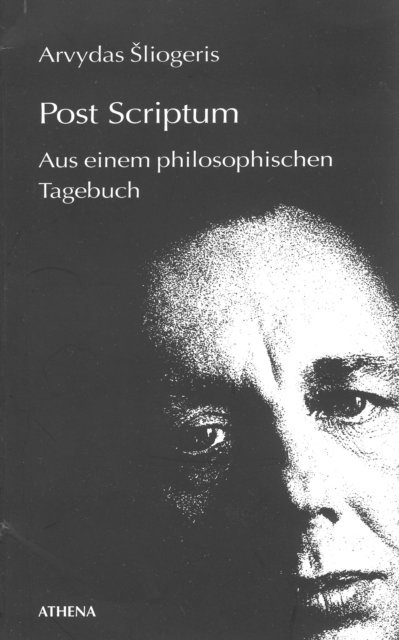
Post Scriptum
Aus einem philosophischen Tagebuch
E-bok, 2013
102 kr
Lägg i varukorg
Im Gegensatz zu den fundamentalen und systematisch argumentierenden Werken des Autors wie "Sein und Welt" oder "Alpha und Omega" ist das 1992 als philosophisches Tagebuch herausgegebene "Post Scriptum" eher sporadisch entstanden, aber deutlich geprägt vom unverwechselbaren Duktus und Denkstil des …
Post Scriptum
Aus einem philosophischen Tagebuch
E-bok, 2013
102 kr
Lägg i varukorg
Im Gegensatz zu den fundamentalen und systematisch argumentierenden Werken des Autors wie "Sein und Welt" oder "Alpha und Omega" ist das 1992 als philosophisches Tagebuch herausgegebene "Post Scriptum" eher sporadisch entstanden, aber deutlich geprägt vom unverwechselbaren Duktus und Denkstil des …
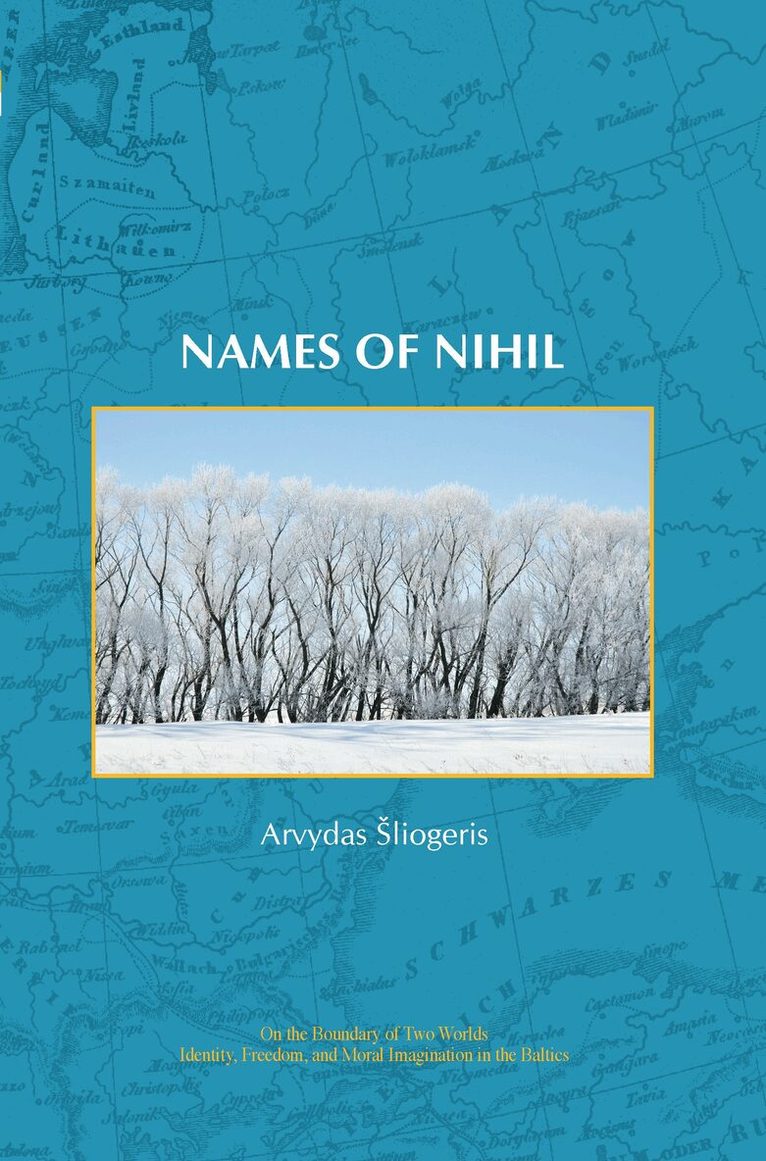
Names of Nihil
Häftad, 2008
823 kr
Lägg i varukorg
In this book, probably for the first time in Western philosophy, an attempt has been made to point out and systematically explicate the problem scope of the Nothing (which is called Nihil in the book) and to try to explain the springhead of the excessive negativity, inherent only in the human …
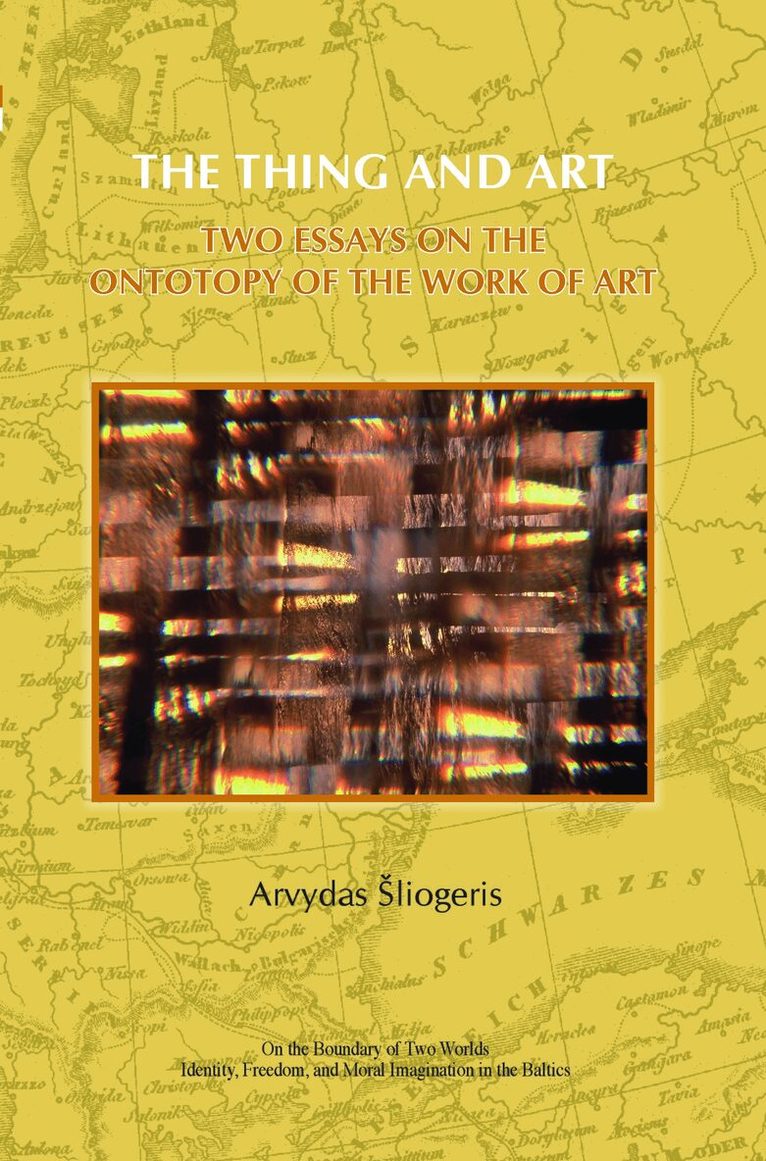
Thing and Art
Two Essays on the Ontotopy of the Work of Art
Häftad, 2009
920 kr
Lägg i varukorg
On the grounds of the interpretation of Rainer Maria Rilke’s poetry and Paul Cézanne’s paintings the book attempts to approach the work of art as a thing. This lets to overcome a one-sided aesthetical interpretation of the origin of the work of art and to indicate its place in the cosmos of …