Asa McKercher – författare
Visar alla böcker från författaren Asa McKercher. Handla med fri frakt och snabb leverans.
20 produkter
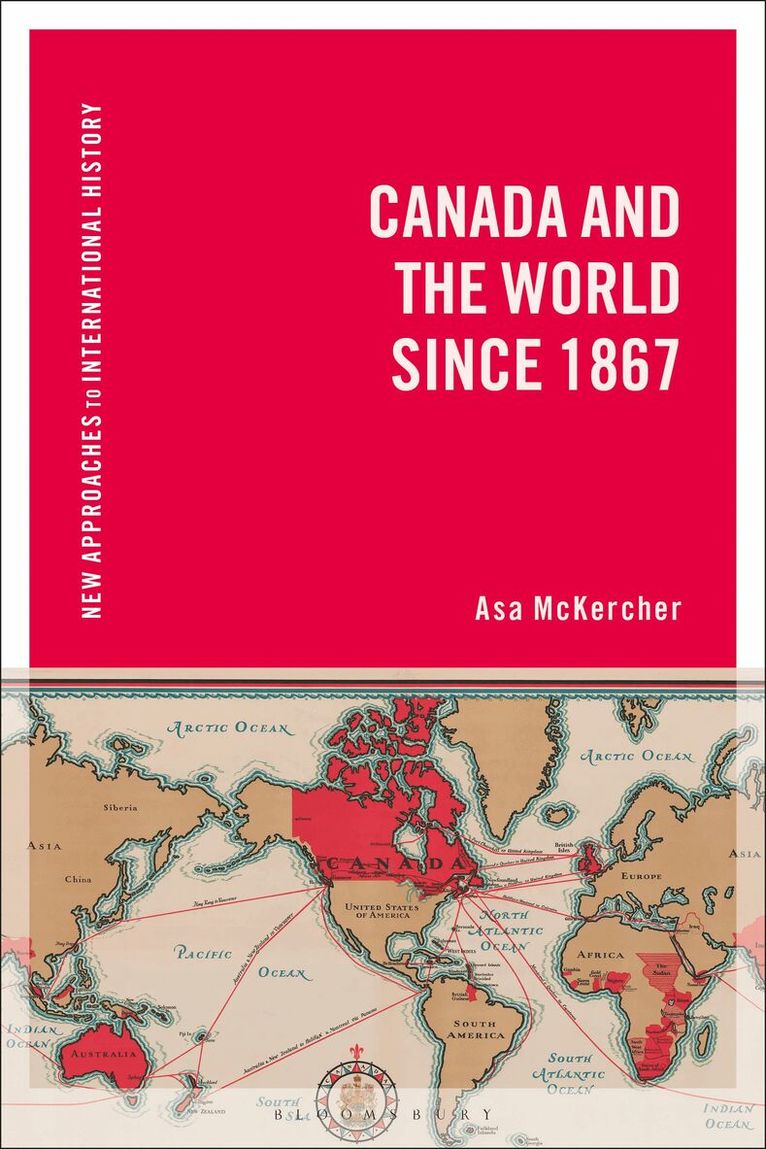
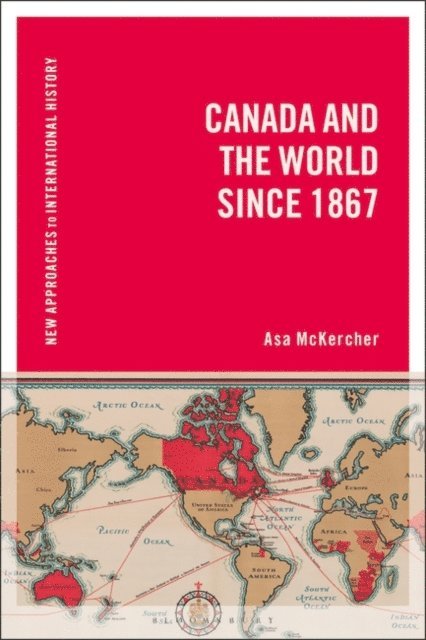
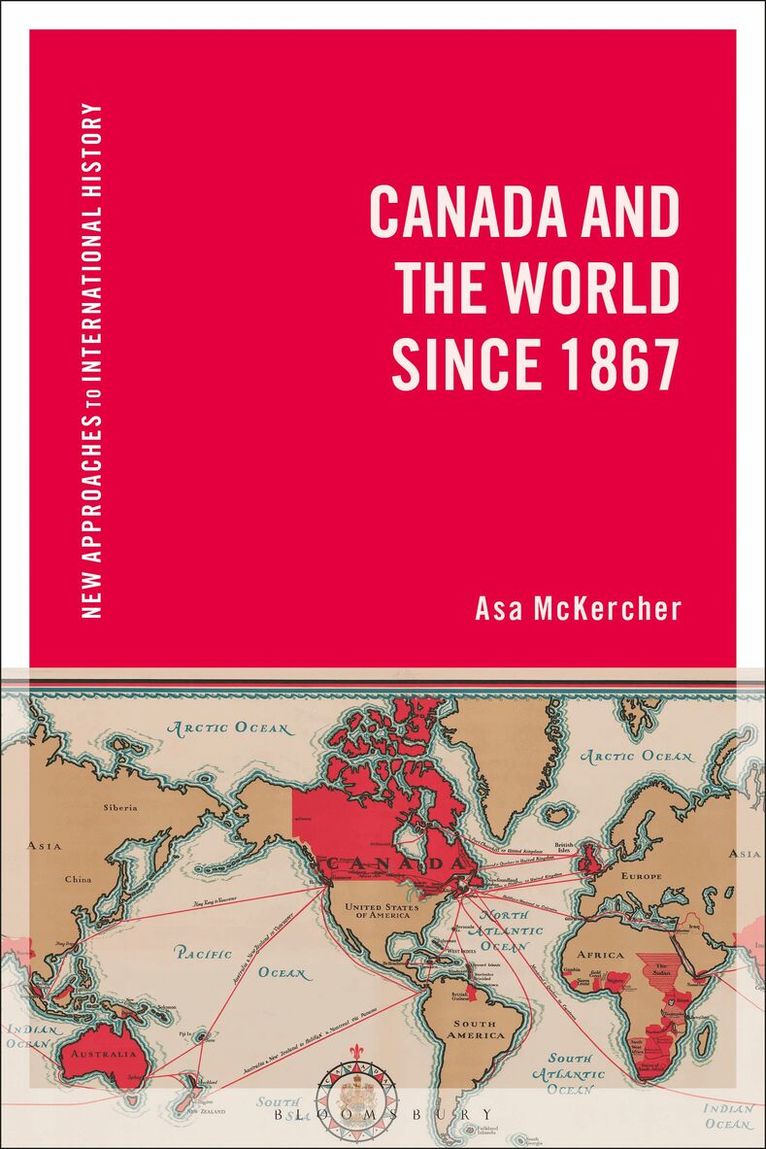
Canada and the World since 1867
Av Asa McKercher, Thomas Zeiler
Häftad, 2019
401 kr
Lägg i varukorg
This book is a history of Canada’s role in the world as well as the impact of world events on Canada. Starting from the country’s quasi-independence from Britain in 1867, its analysis moves through events in Canadian and global history to the present day. Looking at Canada’s international relations …
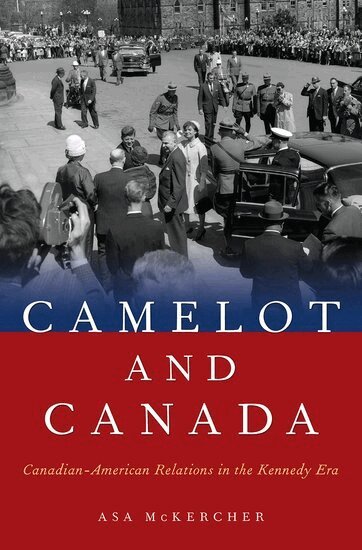
Camelot and Canada
Canadian-American Relations in the Kennedy Era
Inbunden, 2016
1950 kr
Lägg i varukorg
Camelot and Canada explores Canada-U.S. relations in the early 1960s--the Kennedy era--a period marked not only by some of the tensest moments of the Cold War but also by the most contentious moments in the relationship between these neighboring nations.Exploring key political, economic, and …
Camelot and Canada
Canadian-American Relations in the Kennedy Era
E-bok, 2016
1265 kr
Lägg i varukorg
In 1958 Senator John F. Kennedy of Massachusetts proclaimed at the University of New Brunswick that "Canada and the United States have carefully maintained the good fences that help make them good neighbours." He could not have foreseen that his presidency would be marked not just by some of the …
Camelot and Canada
Canadian-American Relations in the Kennedy Era
E-bok, 2016
1265 kr
Lägg i varukorg
In 1958 Senator John F. Kennedy of Massachusetts proclaimed at the University of New Brunswick that "Canada and the United States have carefully maintained the good fences that help make them good neighbours." He could not have foreseen that his presidency would be marked not just by some of the …
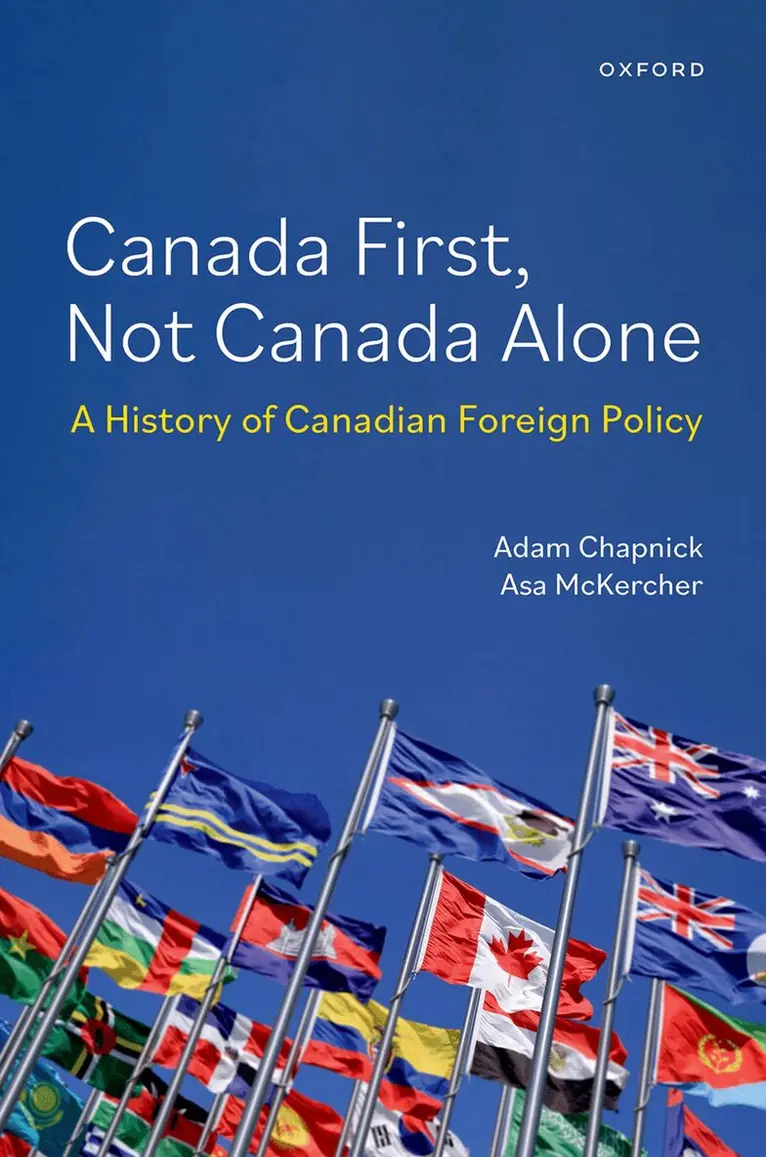
Canada First, Not Canada Alone
A History of Canadian Foreign Policy
Av Adam Chapnick, Asa McKercher
Häftad, 2024
549 kr
Lägg i varukorg
Three recent Canadian prime ministers, Paul Martin, Stephen Harper, and Justin Trudeau made the same claim shortly after forming a government: “Canada is Back.” Martin promised to reinvest in world affairs. Harper was focused on the military. Trudeau meant more involvement at the UN. Each leader …
Canada First, Not Canada Alone
A History of Canadian Foreign Policy
Av Asa McKercher, Adam Chapnick
E-bok, 2024
538 kr
Lägg i varukorg
Three recent Canadian prime ministers, Paul Martin, Stephen Harper, and Justin Trudeau made the same claim shortly after forming a government: "e;Canada is Back."e; Martin promised to reinvest in world affairs. Harper was focused on the military. Trudeau meant more involvement at the UN. …
Canada First, Not Canada Alone
A History of Canadian Foreign Policy
Av Asa McKercher, Adam Chapnick
E-bok, 2024
550 kr
Lägg i varukorg
Three recent Canadian prime ministers, Paul Martin, Stephen Harper, and Justin Trudeau made the same claim shortly after forming a government: "e;Canada is Back."e; Martin promised to reinvest in world affairs. Harper was focused on the military. Trudeau meant more involvement at the UN. …
Across the North Atlantic
Europe and Canadian Foreign Policy in the Cold War
Häftad, 2026
418 kr
Kommande
For much of the Cold War, Canada’s relationship with Europe played an integral yet often overlooked role in shaping the country’s place in the world. The end of that struggle and the rise of globalization saw Canadian policymakers shift their attention elsewhere – towards Canada–US relations and …
Undiplomatic History
The New Study of Canada and the World
Av Asa McKercher, Philip Van Huizen
Häftad, 2019
455 kr
Lägg i varukorg
When the field of Canadian history underwent major shifts in the 1990s, international history became marginalized and the focus turned away from foreign affairs. Over the past decade, however, the study of Canada and the world has been revitalized. Undiplomatic History charts these changes, …
Undiplomatic History
The New Study of Canada and the World
Av Philip Van Huizen, Asa McKercher
E-bok, 2019
411 kr
Lägg i varukorg
When the field of Canadian history underwent major shifts in the 1990s, international history became marginalized and the focus turned away from foreign affairs. Over the past decade, however, the study of Canada and the world has been revitalized. Undiplomatic History charts these changes, …
Undiplomatic History
The New Study of Canada and the World
Av Philip Van Huizen, Asa McKercher
E-bok, 2019
411 kr
Lägg i varukorg
When the field of Canadian history underwent major shifts in the 1990s, international history became marginalized and the focus turned away from foreign affairs. Over the past decade, however, the study of Canada and the world has been revitalized. Undiplomatic History charts these changes, …
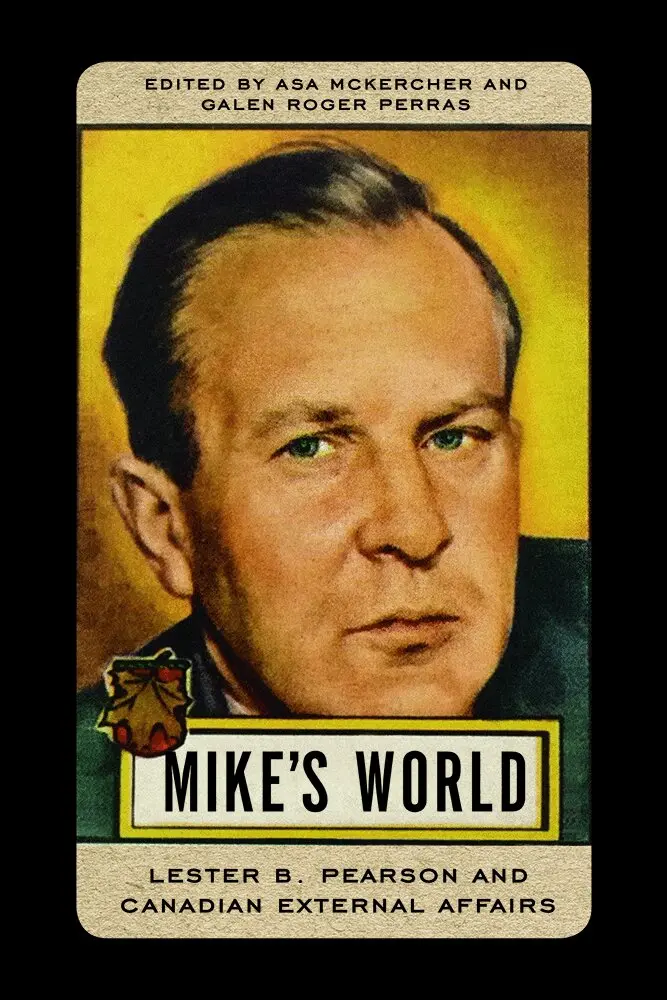
Mike's World
Lester B. Pearson and Canadian External Affairs
Av Asa McKercher, Galen Roger Perras
Häftad, 2018
426 kr
Lägg i varukorg
Although fifty years have passed since Lester Pearson stepped down as prime minister, he still influences debates about Canada's role in the world. Known as "Mike" to his friends, he has been credited with charting a "Pearsonian" course in which Canada took on a global role as a helpful fixer …
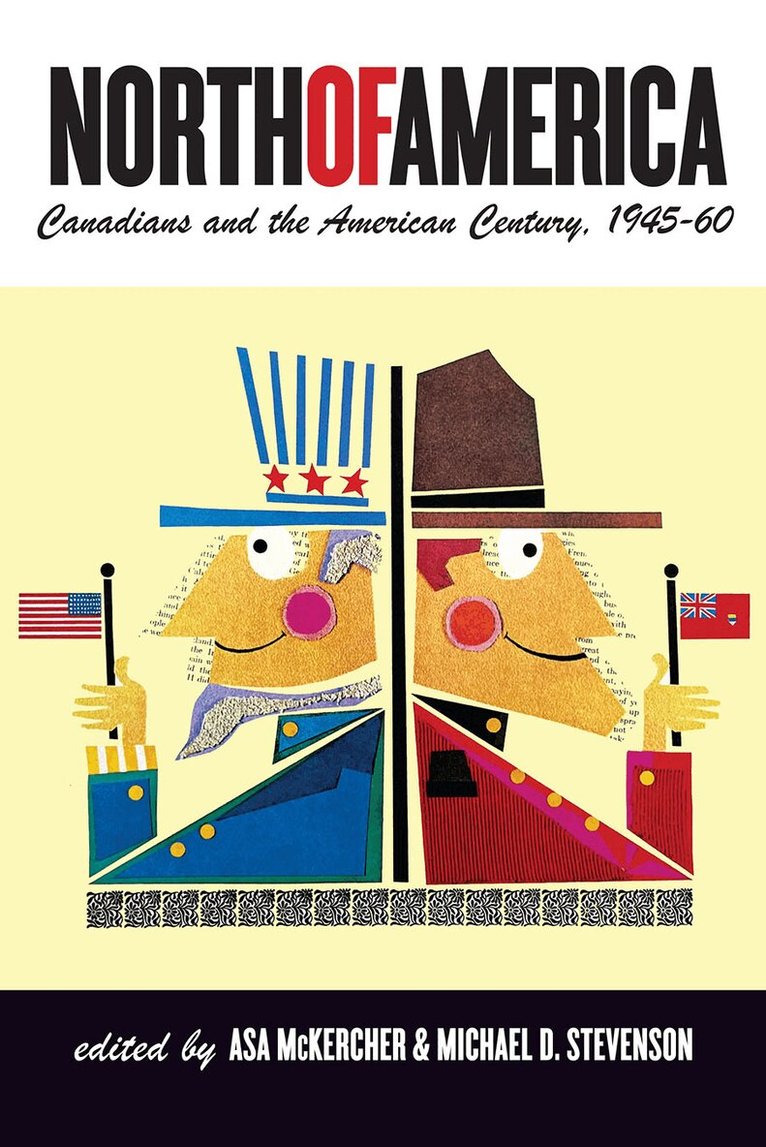
North of America
Canadians and the American Century, 1945–60
Av Asa McKercher, Michael D. Stevenson
Inbunden, 2023
1145 kr
Lägg i varukorg
In 1941, influential US publishing magnate Henry Luce declared the world was in the midst of the first great American century, believing his nation held the power and vision to lead and transform the world. What did a newly outward-looking and hegemonic United States mean for its northern …
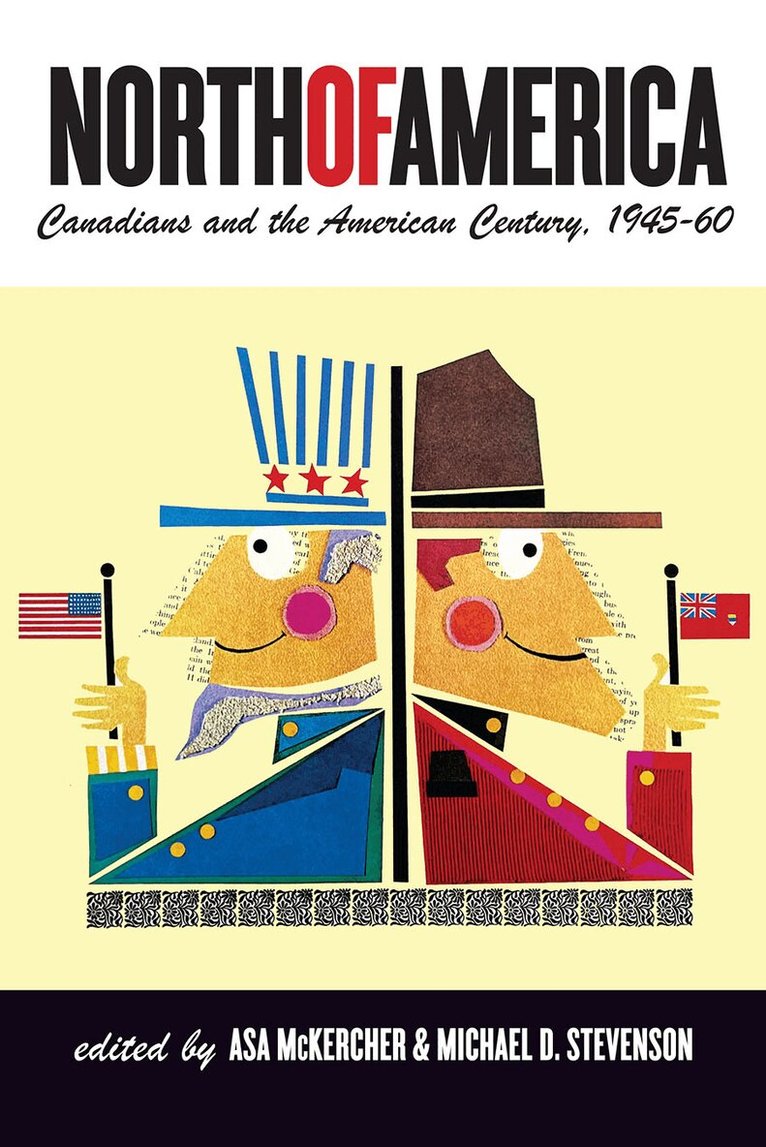
North of America
Canadians and the American Century, 1945–60
Av Asa McKercher, Michael D. Stevenson
Häftad, 2024
366 kr
Lägg i varukorg
In 1941, influential US publishing magnate Henry Luce declared the world was in the midst of the first great American century, believing his nation held the power and vision to lead and transform the world. What did a newly outward-looking and hegemonic United States mean for its northern …
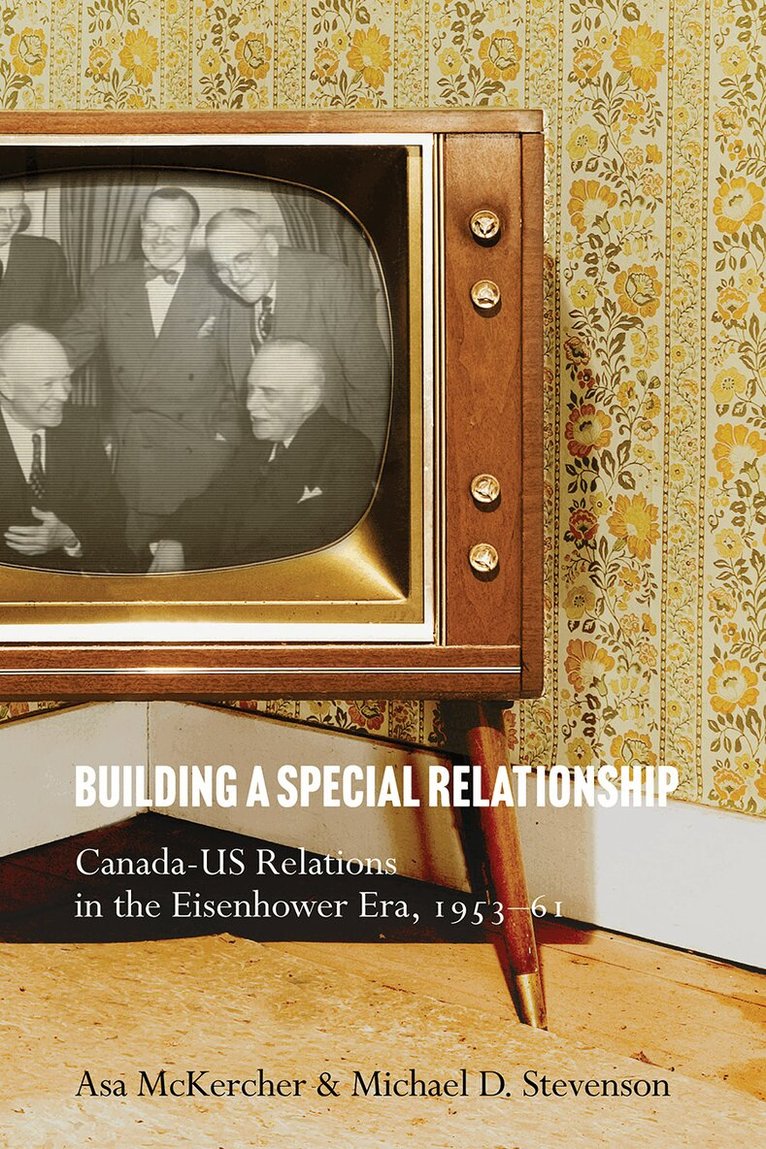
Building a Special Relationship
Canada-US Relations in the Eisenhower Era, 1953–61
Av Asa McKercher, Michael D. Stevenson
Häftad, 2024
426 kr
Lägg i varukorg
Building a Special Relationship offers thoughtful insight into Canadian and American foreign relations during the 1950s, when Canada and the United States found new diplomatic footing as allies in the shadow of the Cold War. This book shows how the Eisenhower years were crucial in forming the …
Canada and the World since 1867
E-bok, 2019
434 kr
Lägg i varukorg
This book is a history of Canada''s role in the world as well as the impact of world events on Canada. Starting from the country''s quasi-independence from Britain in 1867, its analysis moves through events in Canadian and global history to the present day. Looking at Canada''s international …
Canada and the World since 1867
Av Asa McKercher, Thomas Zeiler
Inbunden, 2019
1246 kr
Lägg i varukorg
This book is a history of Canada’s role in the world as well as the impact of world events on Canada. Starting from the country’s quasi-independence from Britain in 1867, its analysis moves through events in Canadian and global history to the present day. Looking at Canada’s international relations …
Canada and the World since 1867
E-bok, 2019
434 kr
Lägg i varukorg
This book is a history of Canada''s role in the world as well as the impact of world events on Canada. Starting from the country''s quasi-independence from Britain in 1867, its analysis moves through events in Canadian and global history to the present day. Looking at Canada''s international …
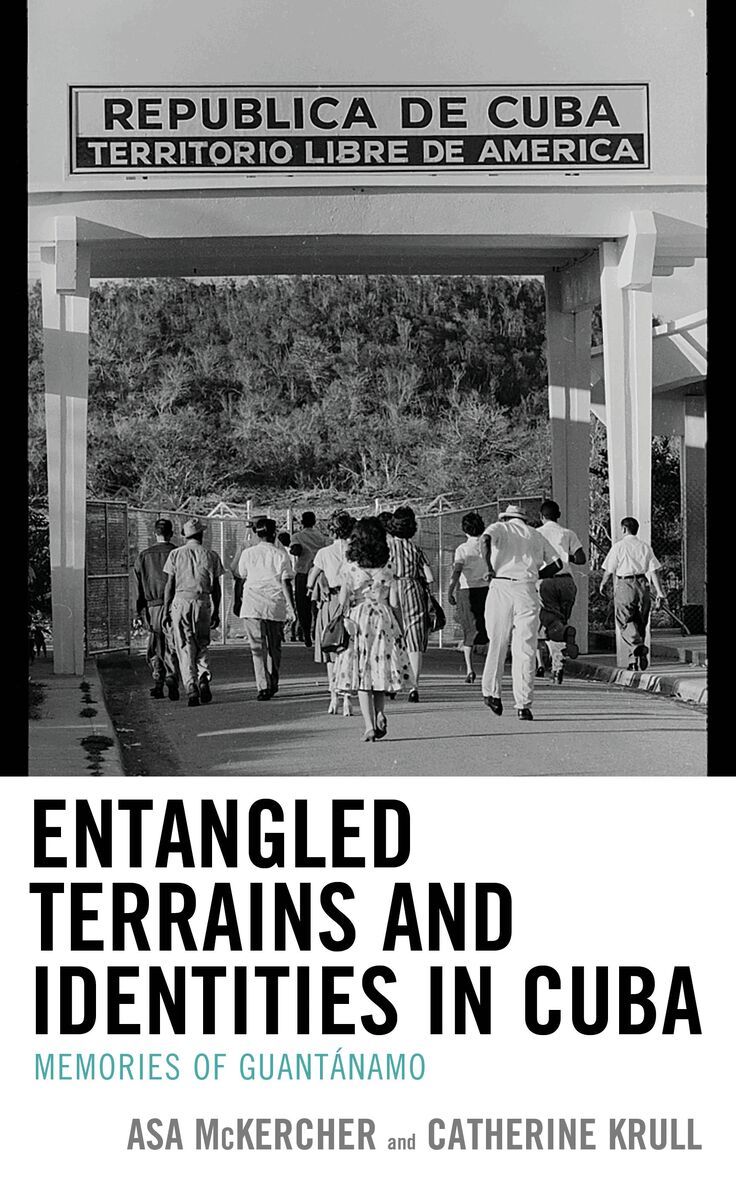
Entangled Terrains and Identities in Cuba
Memories of Guantánamo
Av Asa McKercher, Catherine Krull
Inbunden, 2019
1210 kr
Lägg i varukorg
Entangled Terrains and Identities in Cuba: Memories of Guantánamo explores the challenges and conflicts of life in the transnational spaces between Cuba and the United States by examining the lived experiences of Alberto Jones, a first-generation black Cuban who worked at the U.S. naval base at …
Mike's World
Lester B. Pearson and Canadian External Affairs
Av Asa McKercher, Galen Roger Perras
Inbunden, 2017
1102 kr
Tillfälligt slut
Although fifty years have passed since Lester Pearson stepped down as prime minister, he still influences debates about Canada's role in the world. Known as "Mike" to his friends, he has been credited with charting a "Pearsonian" course in which Canada took on a global role as a helpful fixer …