Ashis Nandy – författare
Visar alla böcker från författaren Ashis Nandy. Handla med fri frakt och snabb leverans.
8 produkter
Breakfast with Evil and Other Risky Ventures
The Non-Essential Ashis Nandy
Av Ashis Nandy
Inbunden, 2021
463 kr
Lägg i varukorg
Breakfast with Evil and Other Risky Ventures is a pre-emptive attempt to bring together the scattered writings of Ashis Nandy over his entire span of writing career and scan those scattered lectures, interviews, and writings including essays and columns for newspapers and journals for an in-depth …
Creating a Nationality
The Ramjanmabhumi Movement and Fear of the Self
Av Ashis Nandy, Shikha Trivedy m. fl.
Häftad, 1997
190 kr
Lägg i varukorg
This book narrates how Ayodhya's inhabitants experienced the events that led up to and followed the destruction of the Babri Masjid, the end-product of a century's effort to convert Hindus into a 'proper' modern nation. Woven into the narrative is an analysis of the culture of communal conflict, …
Barbaric Others
A Manifesto on Western Racism
Av Ziauddin Sardar, Ashis Nandy m. fl.
Häftad, 1993
502 kr
Lägg i varukorg
The word barbarian is derived from the Greek term 'barbaroi' - or one who cannot speak Greek. As the Greeks believed that language was the tool of reason, non-Greek speakers, therefore, were considered devoid of the facility to reason or to act according to logic. This concept of barbarism in turn …
Secret Politics of our Desires
Innocence, Culpability and Indian Popular Cinema
Häftad, 1999
514 kr
Lägg i varukorg
This book deals with an important and too-often ignored area of cultural studies. To examine the enormous industry of Indian popular cinema is to study Indian modernity at its very rawest. The questions and perspectives this book presents provoke a thinking of cinema that is political in the widest …
L'Ennemi intime: Perte de soi et retour à soi sous le colonialisme
Av Ashis Nandy
Häftad, 2022
571 kr
Lägg i varukorg
El enemigo íntimo
Pérdida y recuperación del yo bajo el colonialismo
Av Ashis Nandy
E-bok, 2021
159 kr
Lägg i varukorg
Este clásico de la teoría crítica poscolonial analiza la conocida como "segunda colonización" y las resistencias frente a ella. Desafiando los estudios convencionales sobre dominación colonial, el libro examina el proceso ideológico cuyo objetivo es la dominación de la mente. Esa segunda …
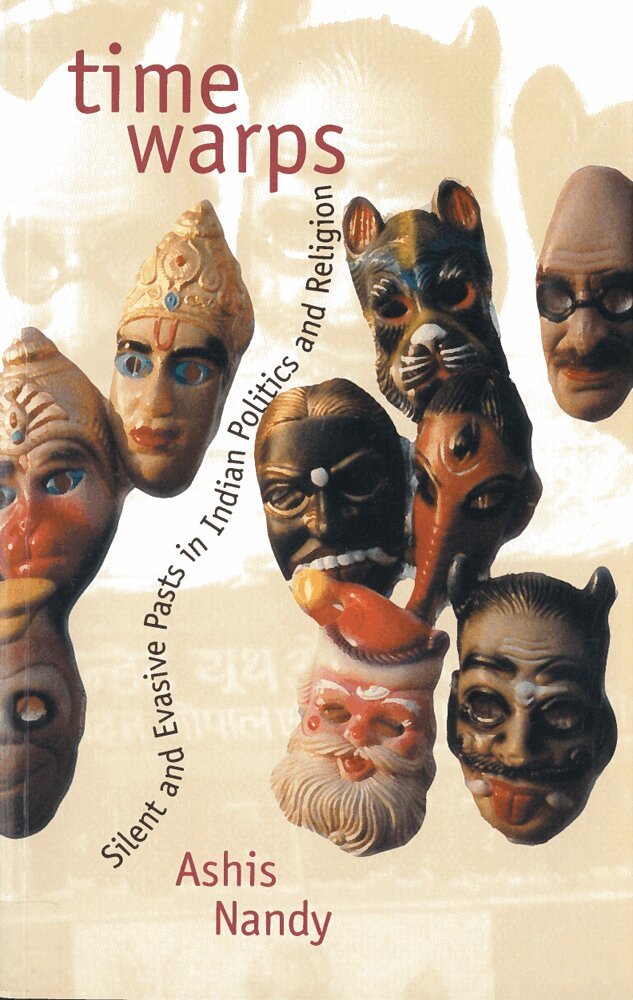
Time Warps
Silent and Evasive Pasts in Indian Politics and Religion
Av Ashis Nandy
Häftad, 2002
366 kr
Tillfälligt slut
Ashis Nandy, one of India’s foremost public intellectuals, contends in this book that India’s political and cultural Élites have been trying to impose a secular ideology on their country. This ideology makes little sense to most Indians, who have their own religious and cultural lives, their own …