Ashraf H. A. Rushdy – författare
Visar alla böcker från författaren Ashraf H. A. Rushdy. Handla med fri frakt och snabb leverans.
13 produkter
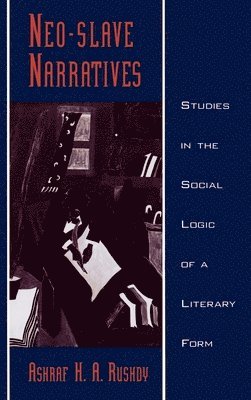
Neo-slave Narratives
Studies in the Social Logic of a Literary Form
Inbunden, 1999
2336 kr
Lägg i varukorg
Neo-slave Narratives is a study in the political, social, and cultural content of a particular literary form -- the novel of slavery cast as a first-person slave narrative. After discerning the social and historical factors surrounding the first appearance of that literary form in the 1960s, the …
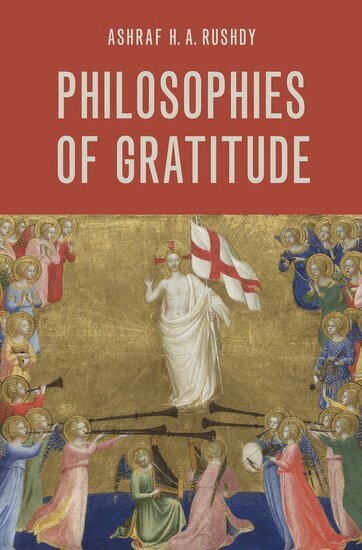
Philosophies of Gratitude
Inbunden, 2020
1811 kr
Lägg i varukorg
In Philosophies of Gratitude, Ashraf H. A. Rushdy explores gratitude as a philosophical concept. The first half of the book traces its significance in fundamental Western moral philosophy and notions of ethics, specifically examining key historical moments and figures in classical antiquity, the …
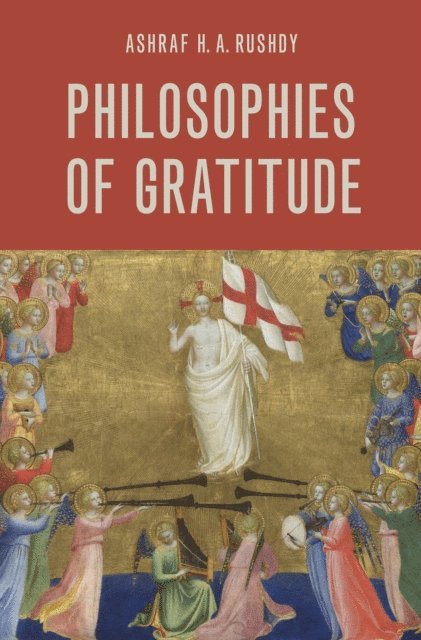
Philosophies of Gratitude
E-bok, 2020
1265 kr
Lägg i varukorg
In Philosophies of Gratitude , Ashraf H. A. Rushdy explores gratitude as a philosophical concept. The first half of the book traces its significance in fundamental Western moral philosophy and notions of ethics, specifically examining key historical moments and figures in classical antiquity, the …
Philosophies of Gratitude
E-bok, 2020
1265 kr
Lägg i varukorg
In Philosophies of Gratitude , Ashraf H. A. Rushdy explores gratitude as a philosophical concept. The first half of the book traces its significance in fundamental Western moral philosophy and notions of ethics, specifically examining key historical moments and figures in classical antiquity, the …
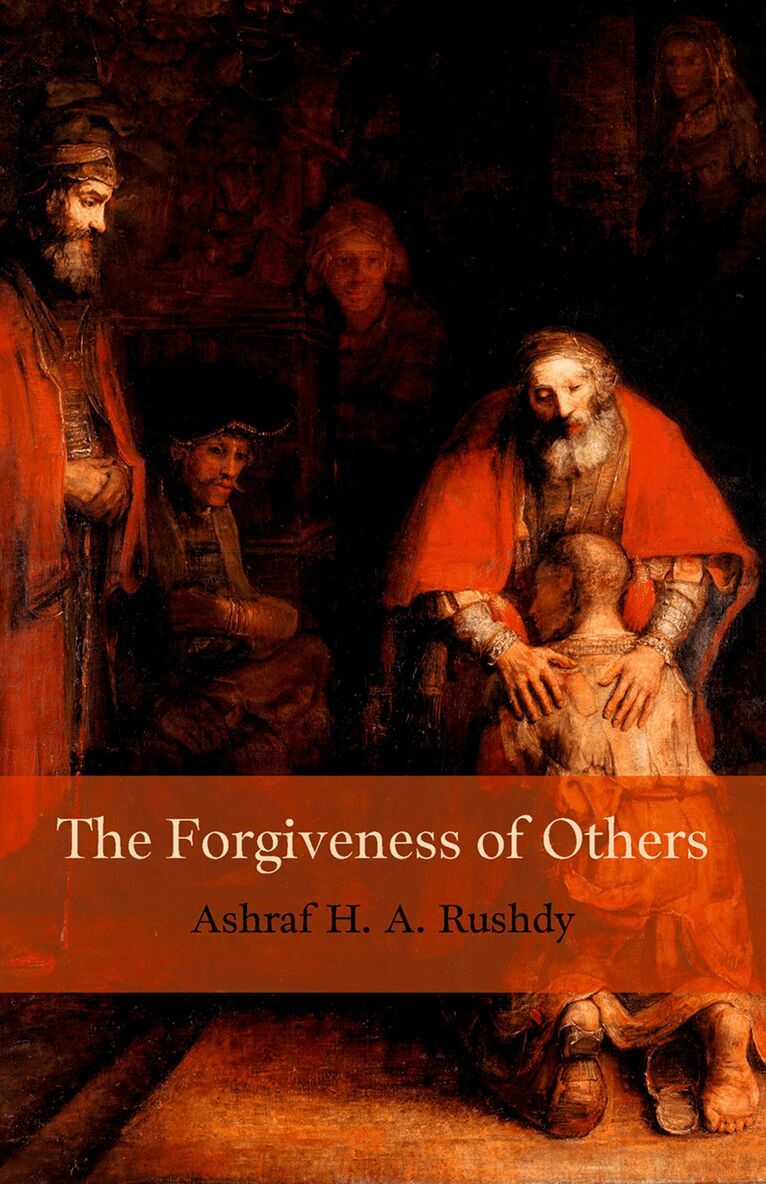
The Forgiveness of Others
Inbunden, 2025
920 kr
Lägg i varukorg
The Forgiveness of Others claims that forgiveness is a complex and dynamic moral practice that raises metaphysical questions about the meaning of change and of personal identity. When we forgive, we are transformed from one state (resentment, say) and one identity (injured party) to another state …
Forgiveness of Others
E-bok, 2025
978 kr
Lägg i varukorg
The Forgiveness of Others claims that forgiveness is a complex and dynamic moral practice that raises metaphysical questions about the meaning of change and of personal identity. When we forgive, we are transformed from one state (resentment, say) and one identity (injured party) to another state …
Forgiveness of Others
E-bok, 2025
950 kr
Lägg i varukorg
The Forgiveness of Others claims that forgiveness is a complex and dynamic moral practice that raises metaphysical questions about the meaning of change and of personal identity. When we forgive, we are transformed from one state (resentment, say) and one identity (injured party) to another state …
Neo-slave Narratives
Studies in the Social Logic of a Literary Form
E-bok, 1999
886 kr
Lägg i varukorg
NeoSlave Narratives is a study in the political, social, and cultural content of a given literary form--the novel of slavery cast as a first-person slave narrative. After discerning the social and historical factors surrounding the first appearance of that literary form in the 1960s, NeoSlave …
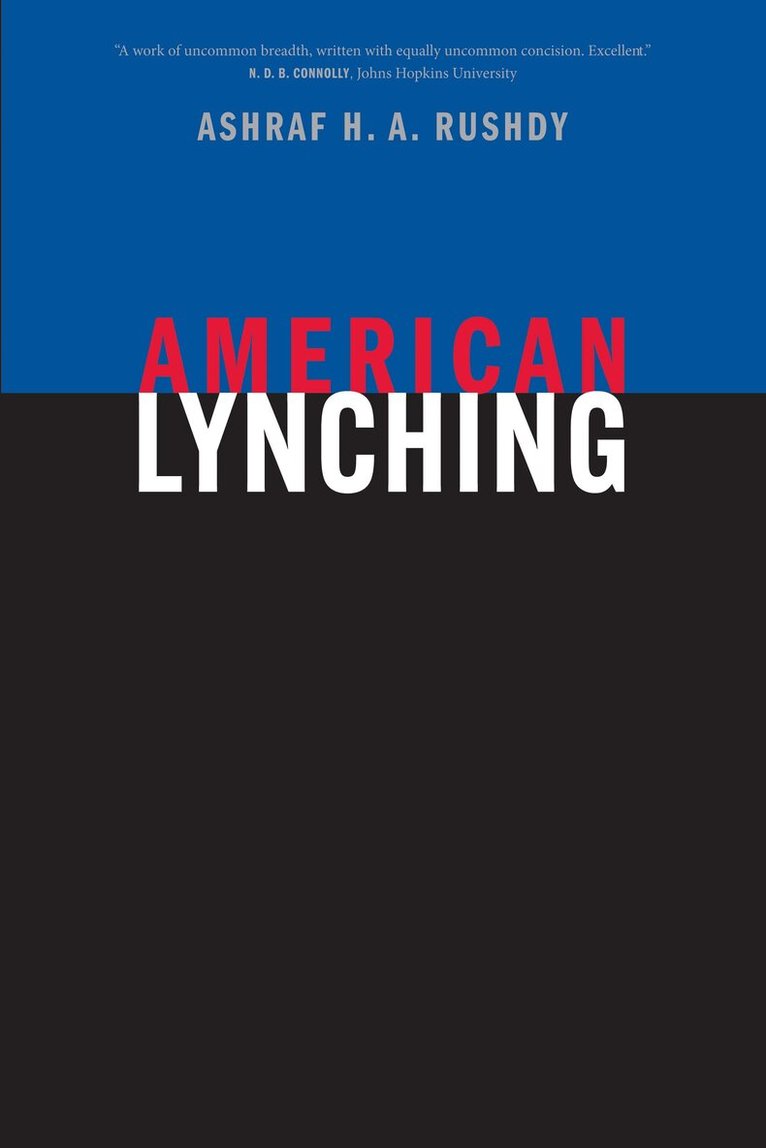
American Lynching
Häftad, 2014
699 kr
Lägg i varukorg
A history of lynching in America over the course of three centuries, from colonial Virginia to twentieth-century Texas"A sophisticated and thought-provoking examination of the historical relationship between the American culture of lynching and the nation’s political traditions.”—William Carrigan, …
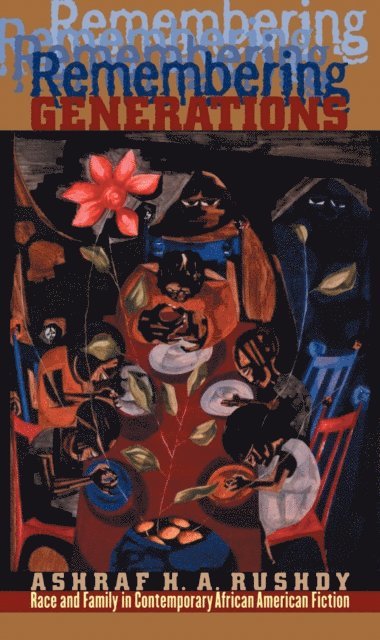
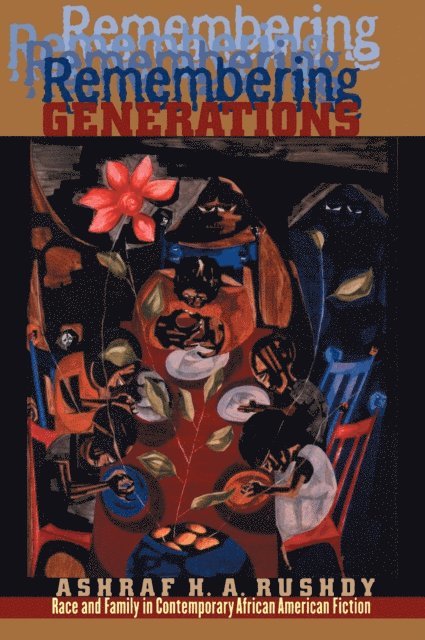
Remembering Generations
Race and Family in Contemporary African American Fiction
Häftad, 2001
543 kr
Lägg i varukorg
African American writers explore the enduring effects of slavery on American society Slavery is America's family secret, says Ashraf Rushdy, a partially hidden phantom that continues to haunt our national imagination. Remembering Generations explores how three contemporary African American writers …
Remembering Generations
Race and Family in Contemporary African American Fiction
E-bok, 2003
585 kr
Lägg i varukorg
Slavery is America''s family secret, a partially hidden phantom that continues to haunt our national imagination. Remembering Generations explores how three contemporary African American writers artistically represent this notion in novels about the enduring effects of slavery on the descendants of …
Remembering Generations
Race and Family in Contemporary African American Fiction
E-bok, 2003
569 kr
Lägg i varukorg
Slavery is America''s family secret, a partially hidden phantom that continues to haunt our national imagination. Remembering Generations explores how three contemporary African American writers artistically represent this notion in novels about the enduring effects of slavery on the descendants of …
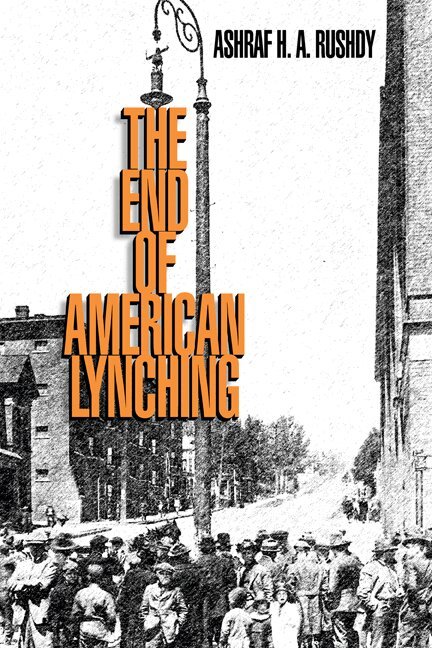
End of American Lynching
Häftad, 2012
481 kr
Tillfälligt slut
The End of American Lynching questions how we think about the dynamics of lynching, what lynchings mean to the society in which they occur, how lynching is defined, and the circumstances that lead to lynching. Ashraf H. A. Rushdy looks at three lynchings over the course of the twentieth century-one …