Axel Borchgrevink – författare
Visar alla böcker från författaren Axel Borchgrevink. Handla med fri frakt och snabb leverans.
5 produkter
Politics of Riverine Rights
Environmental Struggles in Aotearoa New Zealand, Colombia and India
Av Malene K. Brandshaug, Axel Borchgrevink
Inbunden, 2026
2303 kr
Lägg i varukorg
This edited collection is based on comparative ethnographic research and explores the concept of riverine rights in Aotaroa New Zealand, Colombia and India where rivers have been declared legal persons: the Whanganui River, Río Atrato, the Ganga and the Yamuna.The cases drew significant attention …
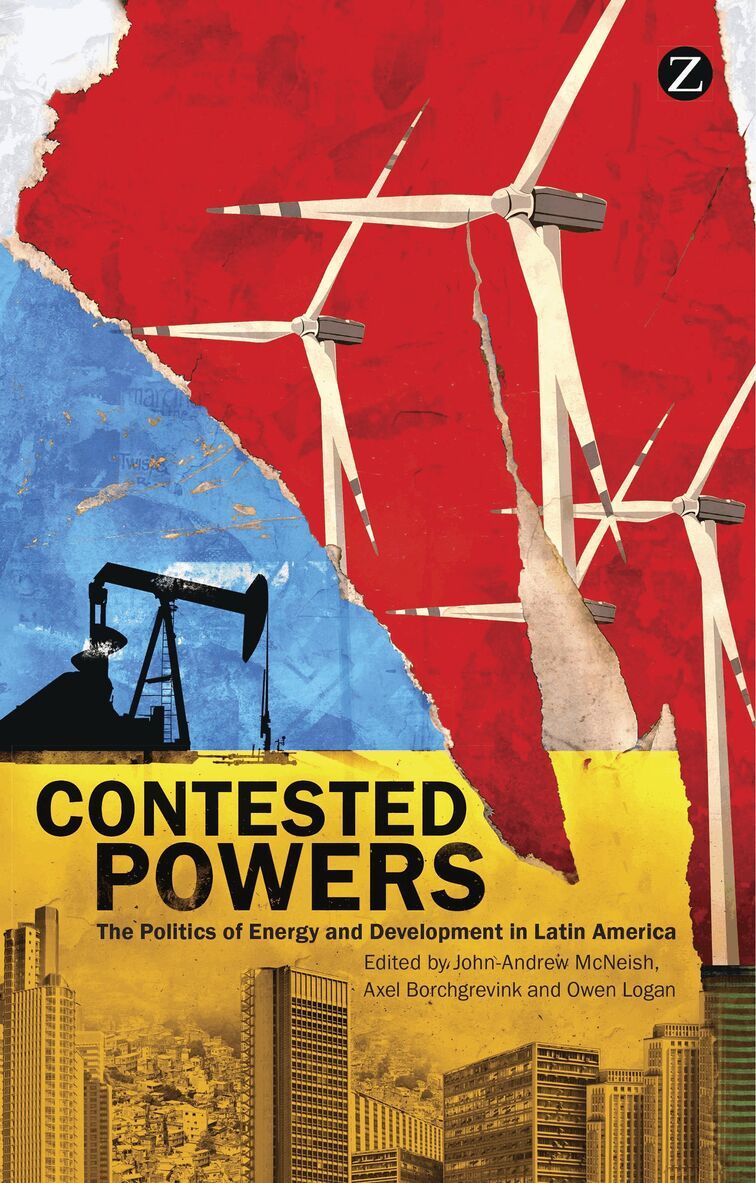
Contested Powers
The Politics of Energy and Development in Latin America
Av John-Andrew McNeish, Axel Borchgrevink m. fl.
Häftad, 2015
359 kr
Lägg i varukorg
In the global North the commoditization of creativity and knowledge under the banner of a creative economy is being posed as the post-industrial answer to dependency on labour and natural resources. Not only does it promise a more stable and sustainable future, but an economy focused on …
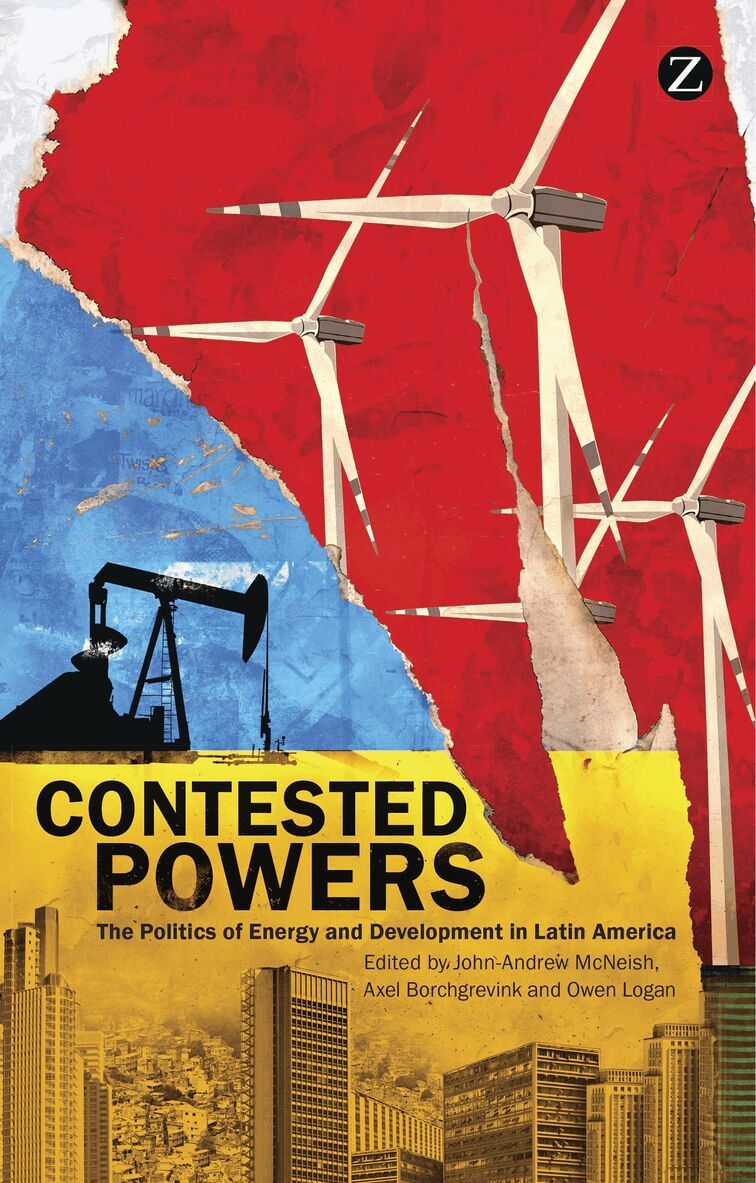
Contested Powers
The Politics of Energy and Development in Latin America
Av John-Andrew McNeish, Axel Borchgrevink m. fl.
Inbunden, 2015
1275 kr
Lägg i varukorg
In the global North the commoditization of creativity and knowledge under the banner of a creative economy is being posed as the post-industrial answer to dependency on labour and natural resources. Not only does it promise a more stable and sustainable future, but an economy focused on …
Contested Powers
The Politics of Energy and Development in Latin America
Av John-Andrew McNeish, Axel Borchgrevink m. fl.
E-bok, 2015
381 kr
Lägg i varukorg
In the global North the commoditization of creativity and knowledge under the banner of a creative economy is being posed as the post-industrial answer to dependency on labour and natural resources. Not only does it promise a more stable and sustainable future, but an economy focused on …
Contested Powers
The Politics of Energy and Development in Latin America
Av John-Andrew McNeish, Axel Borchgrevink m. fl.
E-bok, 2015
390 kr
Lägg i varukorg
In the global North the commoditization of creativity and knowledge under the banner of a creative economy is being posed as the post-industrial answer to dependency on labour and natural resources. Not only does it promise a more stable and sustainable future, but an economy focused on …