Ayo A. Coly - Böcker
Visar alla böcker från författaren Ayo A. Coly. Handla med fri frakt och snabb leverans.
3 produkter
3 produkter
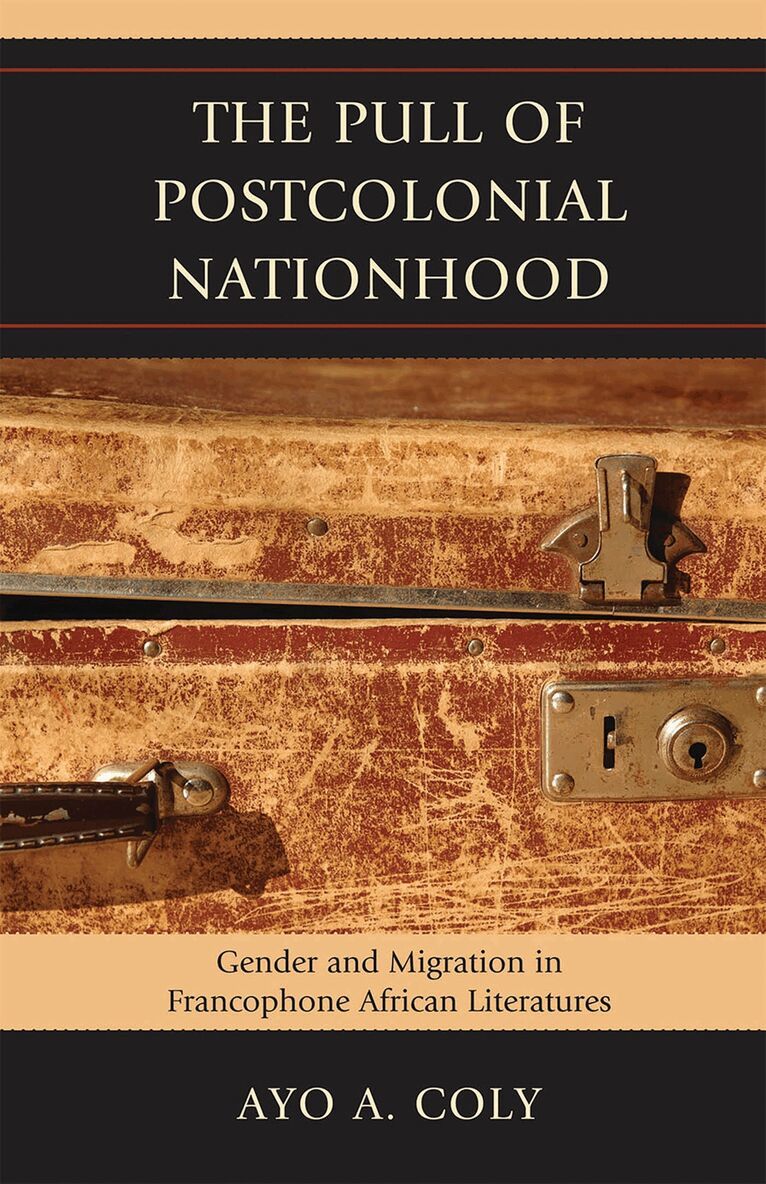
Pull of Postcolonial Nationhood
Gender and Migration in Francophone African Literatures
Inbunden, Engelska, 2010
1 467 kr
Skickas inom 10-15 vardagar
While the male-dominated Francophone African migrant literary tradition includes women writers, there is no study that attends to this subgroup of writers. The Pull of Postcolonial Nationhood: Gender and Migration in Francophone African Literatures pioneers the study of these writers as a category through an examination of three major women who exemplify the Francophone African female migrant literary tradition: Ken Bugul, Calixthe Beyala, and Fatou Diome. By studying these women together, Ayo A. Coly innovatively introduces gender into prevailing theories of Francophone African migrant literatures. These theories, in line with the current surge of postnationalism in cultural criticism, claim that questions of home and nationhood are obsolete for the present generation of Francophone African migrant writers, but this book shows that the opposite is true in the texts of these writers. Coly is thus able to demonstrate how claims of postnationalism are often skewed by gender-blind understandings of nationalism, namely a failure to consider that women have traditionally been the sites for discourses and practices of nationalism. Amid the negative currency of home and nation in contemporary cultural criticism, including postcolonial criticism, this book contends that home remains a politically, ideologically, and emotionally loaded matter for postcolonial subjects.
558 kr
Skickas inom 10-15 vardagar
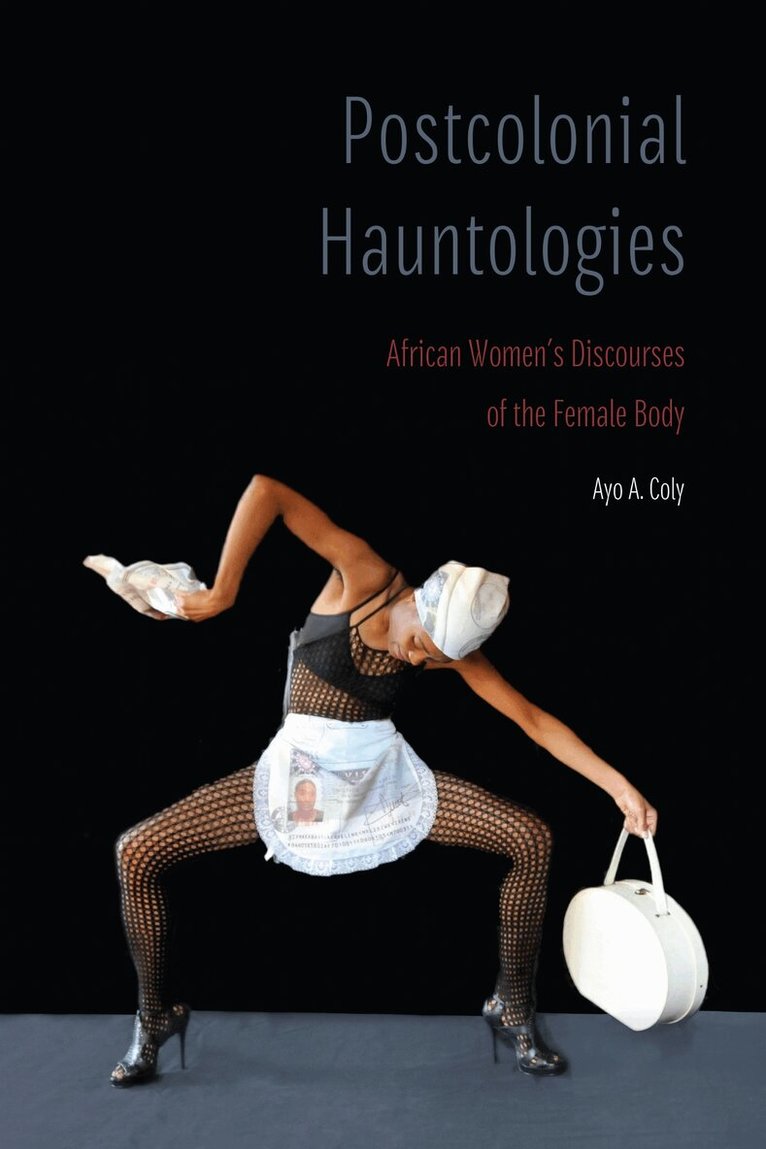
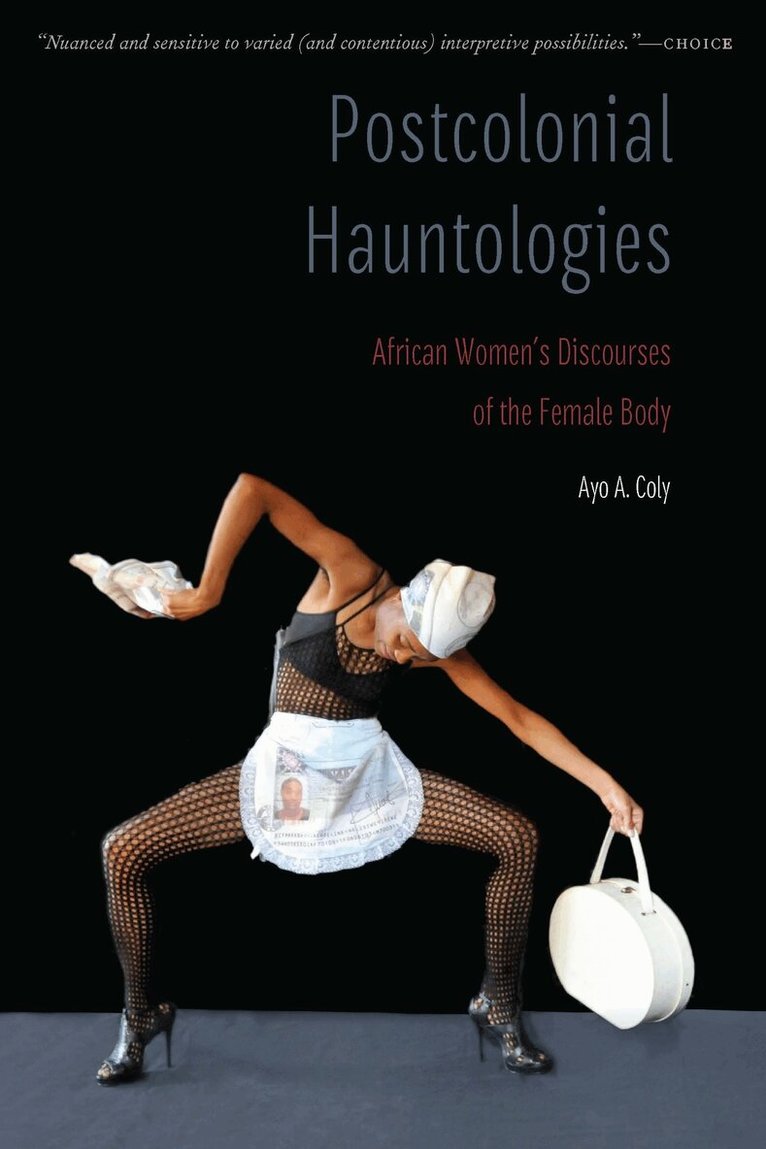
Postcolonial Hauntologies is an interdisciplinary and comparative analysis of critical, literary, visual, and performance texts by women from different parts of Africa. While contemporary critical thought and feminist theory have largely integrated the sexual female body into their disciplines, colonial representations of African women’s sexuality “haunt” contemporary postcolonial African scholarship, which-by maintaining a culture of avoidance about women’s sexuality-generates a discursive conscription that ultimately holds the female body hostage. Ayo A. Coly employs the concepts of “hauntology” and “ghostly matters” to formulate an explicative framework in which to examine postcolonial silences surrounding the African female body as well as a theoretical framework for discerning the elusive and cautious presences of female sexuality in the texts of African women.In illuminating the pervasive silence about the sexual female body in postcolonial African scholarship, Postcolonial Hauntologies challenges hostile responses to critical and artistic voices that suggest the African female body represents sacred ideological-discursive ground on which one treads carefully, if at all. Coly demonstrates how “ghosts” from the colonial past are countered by discursive engagements with explicit representations of women’s sexuality and bodies that emphasize African women’s power and autonomy.
355 kr
Skickas
Postcolonial Hauntologies is an interdisciplinary and comparative analysis of critical, literary, visual, and performance texts by women from different parts of Africa. While contemporary critical thought and feminist theory have largely integrated the sexual female body into their disciplines, colonial representations of African women’s sexuality “haunt” contemporary postcolonial African scholarship, which-by maintaining a culture of avoidance about women’s sexuality-generates a discursive conscription that ultimately holds the female body hostage. Ayo A. Coly employs the concepts of “hauntology” and “ghostly matters” to formulate an explicative framework in which to examine postcolonial silences surrounding the African female body as well as a theoretical framework for discerning the elusive and cautious presences of female sexuality in the texts of African women.In illuminating the pervasive silence about the sexual female body in postcolonial African scholarship, Postcolonial Hauntologies challenges hostile responses to critical and artistic voices that suggest the African female body represents sacred ideological-discursive ground on which one treads carefully, if at all. Coly demonstrates how “ghosts” from the colonial past are countered by discursive engagements with explicit representations of women’s sexuality and bodies that emphasize African women’s power and autonomy.