Barbara W. Tuchman – författare
Visar alla böcker från författaren Barbara W. Tuchman. Handla med fri frakt och snabb leverans.
30 produkter
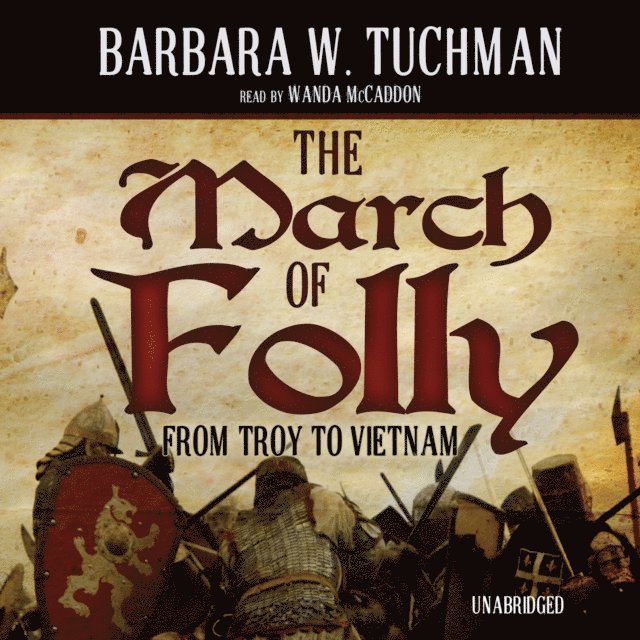
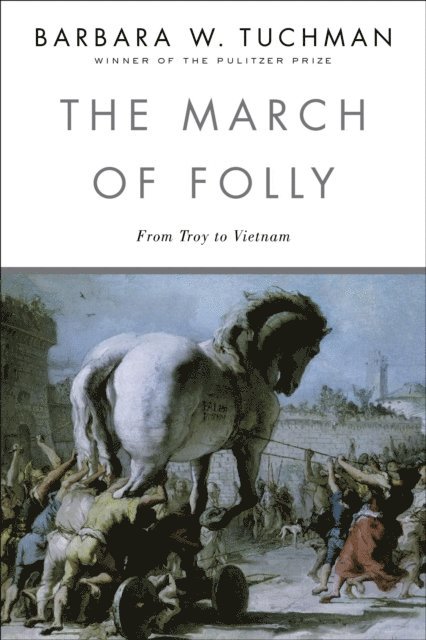
March of Folly
From Troy to Vietnam
Ljudbok, 2009
411 kr
Lägg i varukorg
In The March of Folly, two-time Pulitzer Prize–winning historian Barbara Tuchman tackles the pervasive presence of folly in governments through the ages. Defining folly as the pursuit by governments of policies contrary to their own interests, despite the availability of feasible alternatives, …
March Of Folly
From Troy to Vietnam
Häftad, 1990
5,0 utav 5 stjärnor. Totalt antal röster: (1)
195 kr
Lägg i varukorg
From the distinguished American historian whose work has been acclaimed around the world, a major new book that penetrates one of the most bizarre and fascinating paradoxes in history: the persistent pursuit by governments of policies contrary to their own intersts. Across the march of thirty …
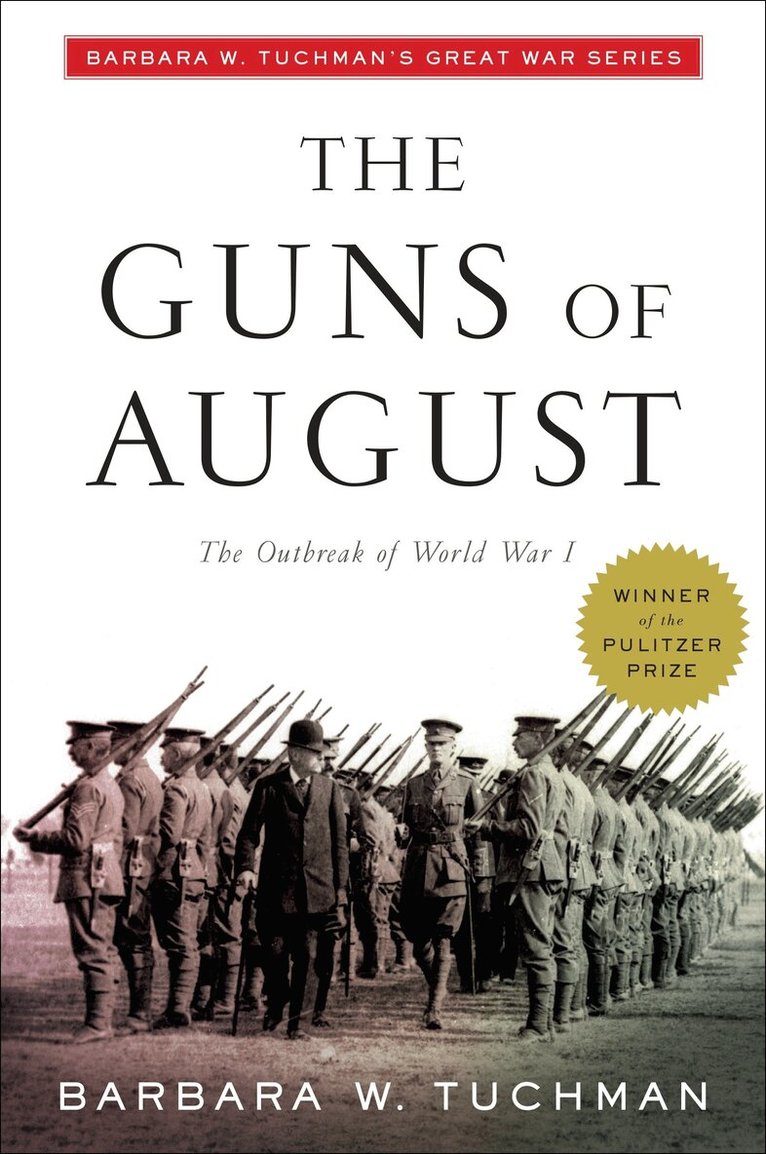
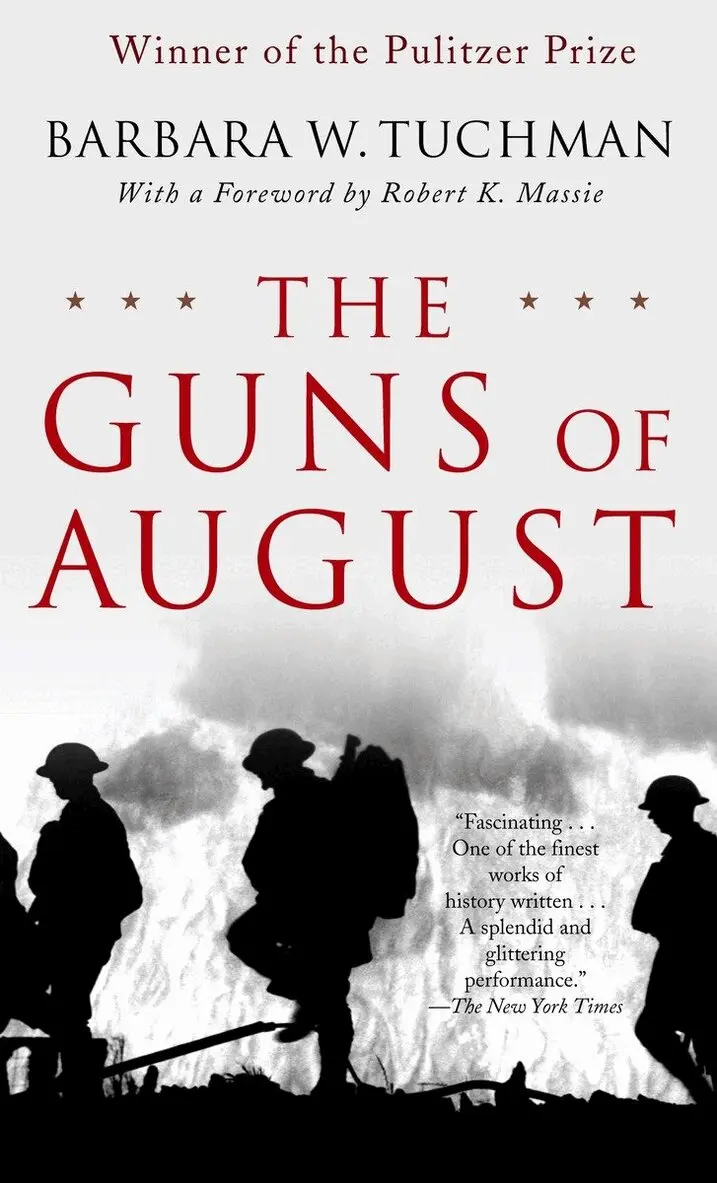
Guns of August
The Outbreak of World War I; Barbara W. Tuchman's Great War Series
Häftad, 1994
312 kr
Lägg i varukorg
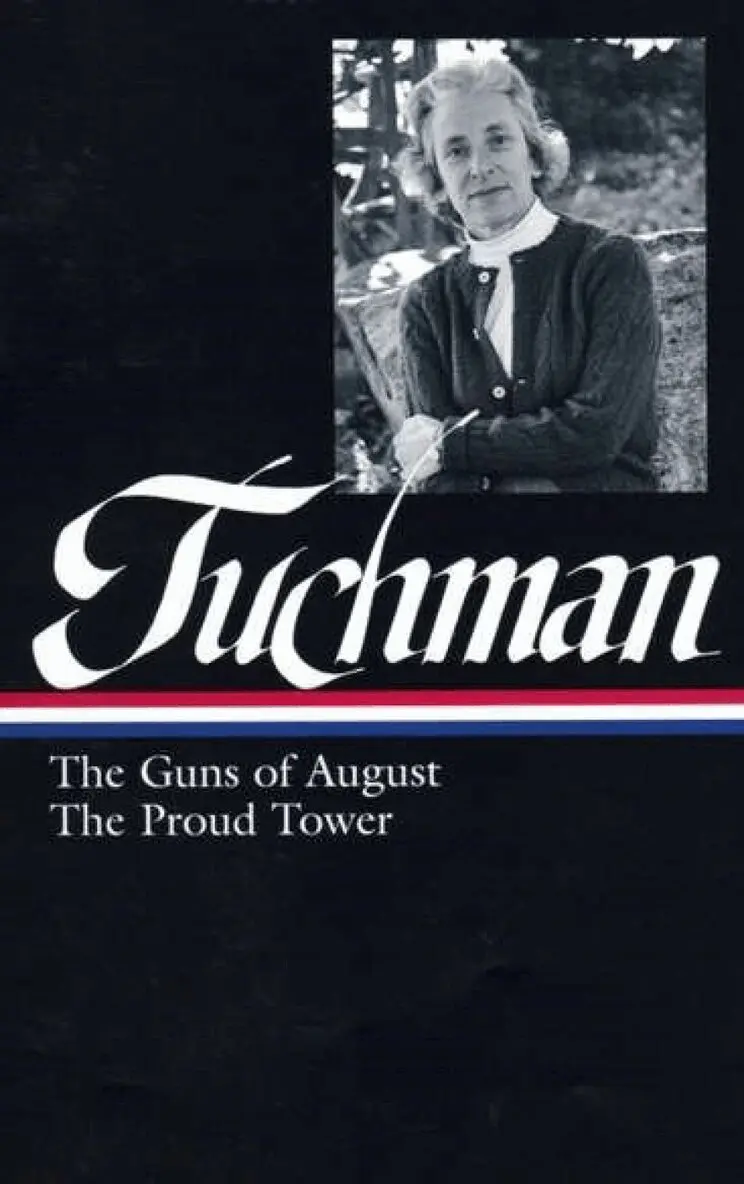
Barbara W. Tuchman: The Guns of August, The Proud Tower (LOA #222)
Av Barbara W. Tuchman, Margaret MacMillan m. fl.
Häftad, 2012
5,0 utav 5 stjärnor. Totalt antal röster: (1)
516 kr
Lägg i varukorg
Writing with a clarity, grace, and novelistic sweep rare among historians, Barbara W. Tuchman (1912-1989) distilled the complex interplay of personalities and events into gripping narratives that fuse rigorous scholarship with elegant literary art. An astute portraitist, she brilliantly laid bare …
The Proud Tower: A Portrait of the World Before the War, 1890-1914; Barbara W. Tuchman's Great War Series
Häftad, 1996
312 kr
Tillfälligt slut
The Guns of August: The Pulitzer Prize-Winning Classic about the Outbreak of World War I
Pocket, 2004
4,7 utav 5 stjärnor. Totalt antal röster: (3)
108 kr
Lägg i varukorg
PULITZER PRIZE WINNER • “A brilliant piece of military history which proves up to the hilt the force of Winston Churchill’s statement that the first month of World War I was ‘a drama never surpassed.’”— Newsweek Selected by the Modern Library as one of the 100 best nonfiction books of all time In …
Proud Tower
A Portrait of the World before the War, 1890–1914
Ljudbok, 2005
431 kr
Lägg i varukorg
The fateful quarter century leading up to World War I was a time when the world of privilege still existed in Olympian luxury and the world of protest was “heaving in its pain, its power, and its hate.” The age was the climax of a century of the most accelerated rate of change to that point in …
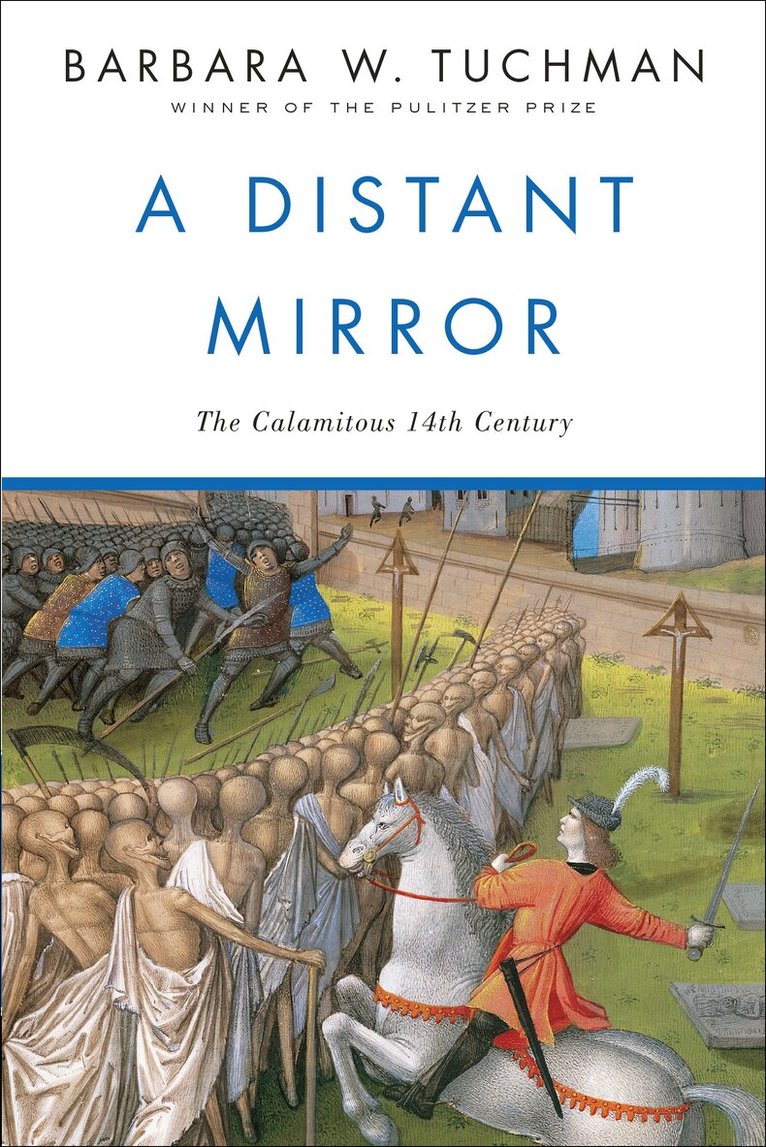
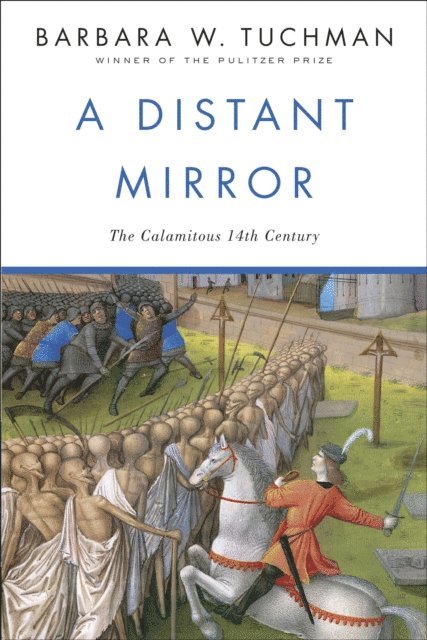
Distant Mirror
The Calamitous 14th Century
Ljudbok, 2005
560 kr
Lägg i varukorg
A “marvelous history”* of medieval Europe, from the bubonic plague and the Papal Schism to the Hundred Years’ War, by the Pulitzer Prize–winning author of The Guns of August *Lawrence Wright, author of The End of October, in The Wall Street Journal The fourteenth century reflects two contradictory …
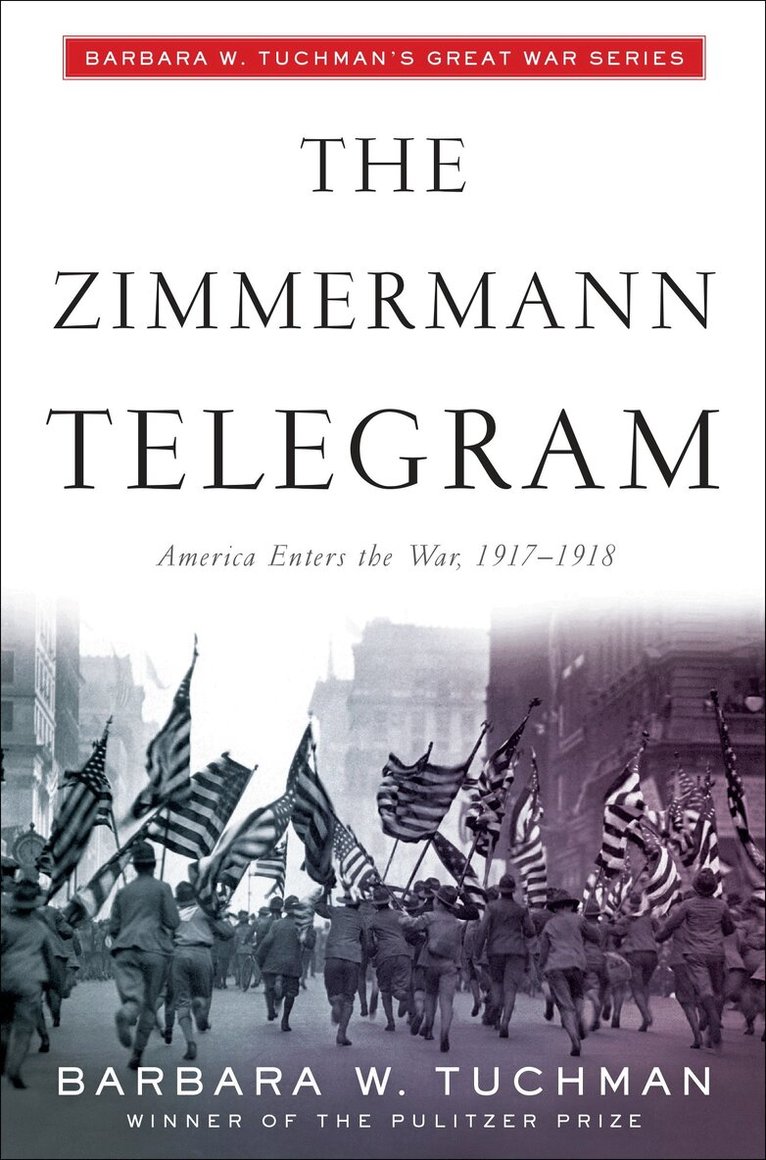
Zimmermann Telegram
America Enters the War, 1917-1918; Barbara W. Tuchman's Great War Series
Häftad, 1985
249 kr
Lägg i varukorg
First Salute
A View of the American Revolution
E-bok, 2011
239 kr
Lägg i varukorg
Barbara W. Tuchman, the Pulitzer Prize–winning author of the classic The Guns of August, turns her sights homeward with this brilliant, insightful narrative of the Revolutionary War. In The First Salute, one of America’s consummate historians crafts a rigorously original view of the American …
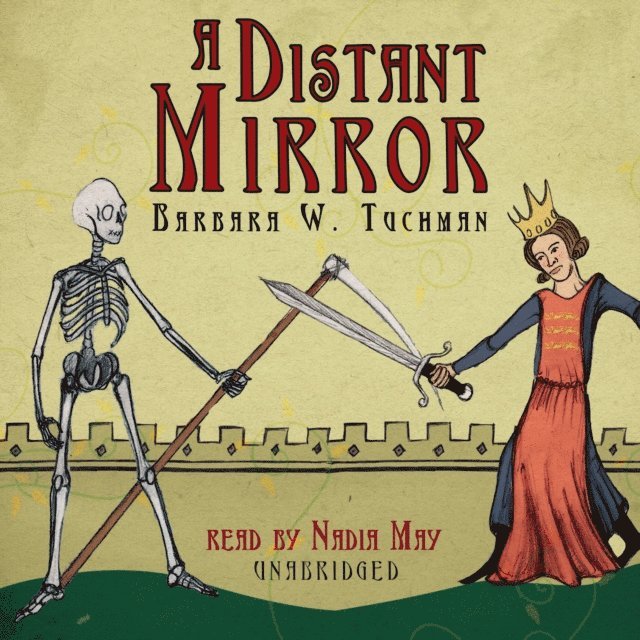
Distant Mirror
The Calamitous 14th Century
E-bok, 2011
114 kr
Lägg i varukorg
Barbara W. Tuchman—the acclaimed author of the Pulitzer Prize–winning classic The Guns of August —once again marshals her gift for character, history, and sparkling prose to compose an astonishing portrait of medieval Europe. The fourteenth century reflects two contradictory images: on the one …
Bible and Sword
England and Palestine from the Bronze Age to Balfour
E-bok, 2011
32 kr
Lägg i varukorg
From Barbara W. Tuchman, Pulitzer Prize–winning author of The Guns of August, comes history through a wide-angle lens: a fascinating chronicle of Britain’s long relationship with Palestine and the Middle East, from the ancient world to the twentieth century. Historically, the British were drawn to …
Practicing History
Selected Essays
E-bok, 2011
161 kr
Lägg i varukorg
Celebrated for bringing a personal touch to history in her Pulitzer Prize–winning epic The Guns of August and other classic books, Barbara W. Tuchman reflects on world events and the historian’s craft in these perceptive, essential essays. From thoughtful pieces on the historian’s role to striking …
March of Folly
From Troy to Vietnam
E-bok, 2011
245 kr
Lägg i varukorg
Pulitzer Prize–winning historian Barbara W. Tuchman, author of the World War I masterpiece The Guns of August, grapples with her boldest subject: the pervasive presence, through the ages, of failure, mismanagement, and delusion in government. Drawing on a comprehensive array of examples, from …
Bible and Sword: England and Palestine from the Bronze Age to Balfour
Häftad, 1984
275 kr
Lägg i varukorg
Stilwell and the American Experience in China
1911-1945
E-bok, 2017
156 kr
Lägg i varukorg
Barbara W. Tuchman won her second Pulitzer Prize for this nonfiction masterpiece—an authoritative work of history that recounts the birth of modern China through the eyes of one extraordinary American. General Joseph W. Stilwell was a man who loved China deeply and knew its people as few Americans …
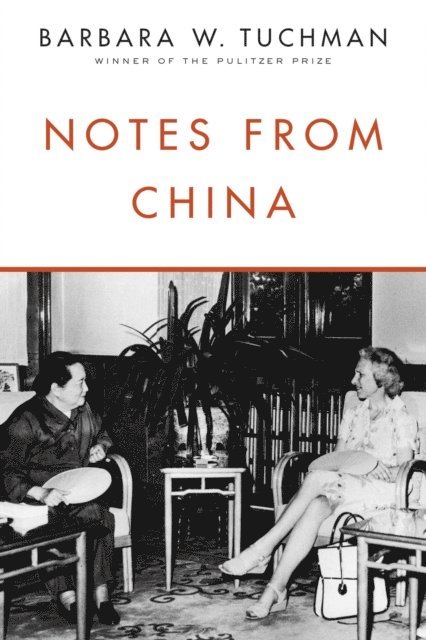
Notes from China
E-bok, 2017
147 kr
Lägg i varukorg
A journalistic tour de force, this wide-ranging collection by the author of the Pulitzer Prize–winning biography Stilwell and the American Experience in China is a classic in its own right. During the summer of 1972—a few short months after Nixon’s legendary visit to China—master historian Barbara …
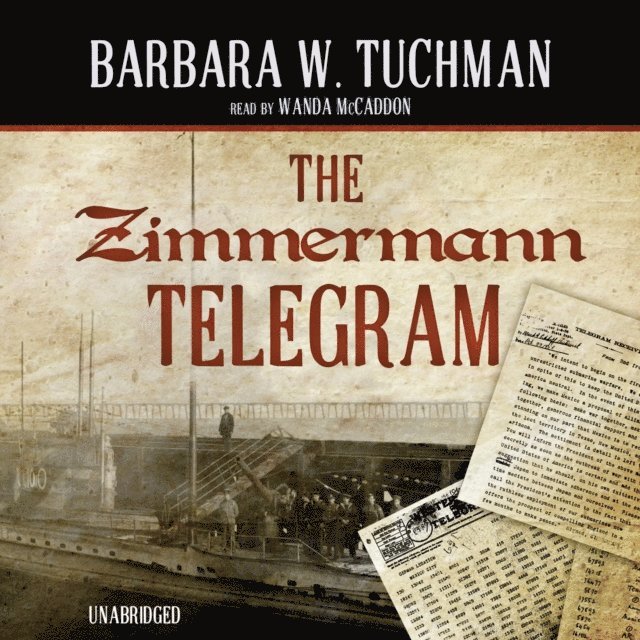
Zimmermann Telegram
Ljudbok, 2010
249 kr
Lägg i varukorg
In the dark winter of 1917, World War I was deadlocked. For Europe to be saved, the United States had to join the war—but President Wilson remained unshakable in his neutrality. Then, with a single stroke, the tool to propel America into the war came into a quiet British office. One of countless …
First Salute
Ljudbok, 2009
337 kr
Lägg i varukorg
Two-time winner of the Pulitzer Prize, distinguished historian, and bestselling author Barbara W. Tuchman finally turns her sights homeward. Here she analyzes the American Revolution in a brilliantly original way, placing the war in the historical context of the centuries-long conflicts between …
Bible and Sword
England and Palestine from the Bronze Age to Balfour
Ljudbok, 2009
330 kr
Lägg i varukorg
Two-time Pulitzer Prize–winning historian Barbara Tuchman explores the complex relationship of Britain to Palestine that led to the founding of the modern Jewish state—and to many of the problems that plague the Middle East today. From early times the British people have been drawn to the Holy Land …
Practicing History
Selected Essays
Ljudbok, 2009
337 kr
Lägg i varukorg
Master historian Barbara W. Tuchman looks at history in a unique way and draws lessons from what she sees. This accessible introduction to the subject of history offers striking insights into American''s past and present, trenchant observations on the international scene, and thoughtful pieces on …
Stilwell and the American Experience in China, 1911-45
Ljudbok, 2009
581 kr
Lägg i varukorg
In this Pulitzer Prize–winning biography, Barbara Tuchman explores American relations with China through the experiences of one of our men on the ground. In the cantankerous but level-headed “Vinegar Joe,” Tuchman found a subject who allowed her to perform, in the words of the National Review, “one …
Guns of August
Ljudbok, 2008
459 kr
Lägg i varukorg
In this Pulitzer Prize–winning classic, historian Barbara Tuchman brings to life the people and events that led up to World War I. This was the last gasp of the Gilded Age, of kings and kaisers and czars, of pointed or plumed hats, colored uniforms, and all the pomp and romance that went along with …
Los cañones de Agosto
Treinta y un días que cambiaron la faz del mundo
E-bok, 2018
112 kr
Lägg i varukorg
En agosto de 1914, la historia de la humanidad cambió su curso. Después de un largo período de engañosa calma, ese mes de verano tronaron los cañones en Europa y empezó la Gran Guerra. Con el estallido del conflicto, ya no hubo vuelta atrás: se abrió un abismo entre un mundo que moría y otro que …