Barjindar Pal Kaur - Böcker
Visar alla böcker från författaren Barjindar Pal Kaur. Handla med fri frakt och snabb leverans.
6 produkter
6 produkter
1 555 kr
Skickas inom 7-10 vardagar
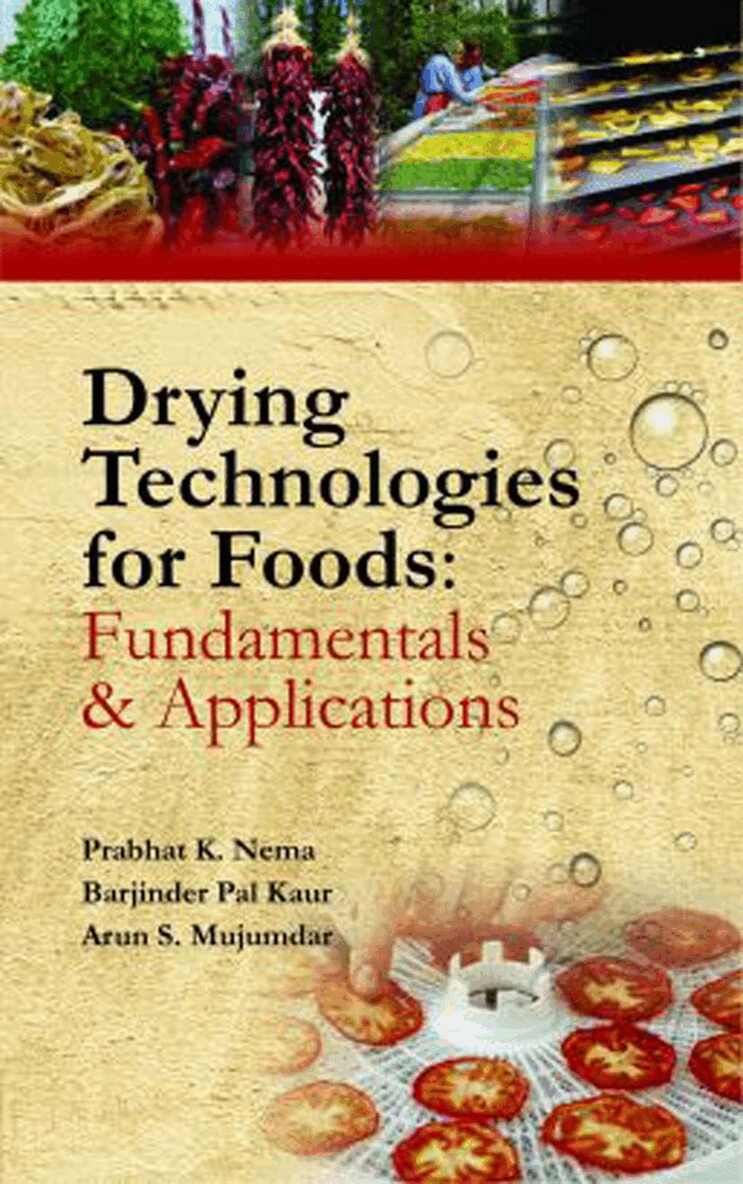
This book has been written with the aim of presenting the fundamental knowledge required for the selection and technical design of appropriate drying systems in a systematic and progressive manner. The book consists of 15 chapters, with the first chapter dedicated to the fundamental principles and basic terminology of drying. Following chapters provide a detailed description of different drying techniques and their applications.The development of advanced drying techniques for the food industry is a challenge that must be met in order to meet the demand for enhanced food quality and safety. Subsequent chapters offer a comprehensive review of the latest developments in various drying technologies, as well as an analysis of current trends and future research and development directions.The language used in the chapters is clear and easy to understand, making it suitable for undergraduate and graduate students, as well as for faculty members who are teaching related subjects. The book also includes a compilation and discussion of recent literature, which will be of great assistance to researchers and scientists who wish to gain a deeper understanding of the concepts behind different types of drying techniques.The contributors to this book have extensive experience in their respective areas of drying technology, and their expertise is sure to benefit readers.
1 555 kr
Skickas inom 7-10 vardagar
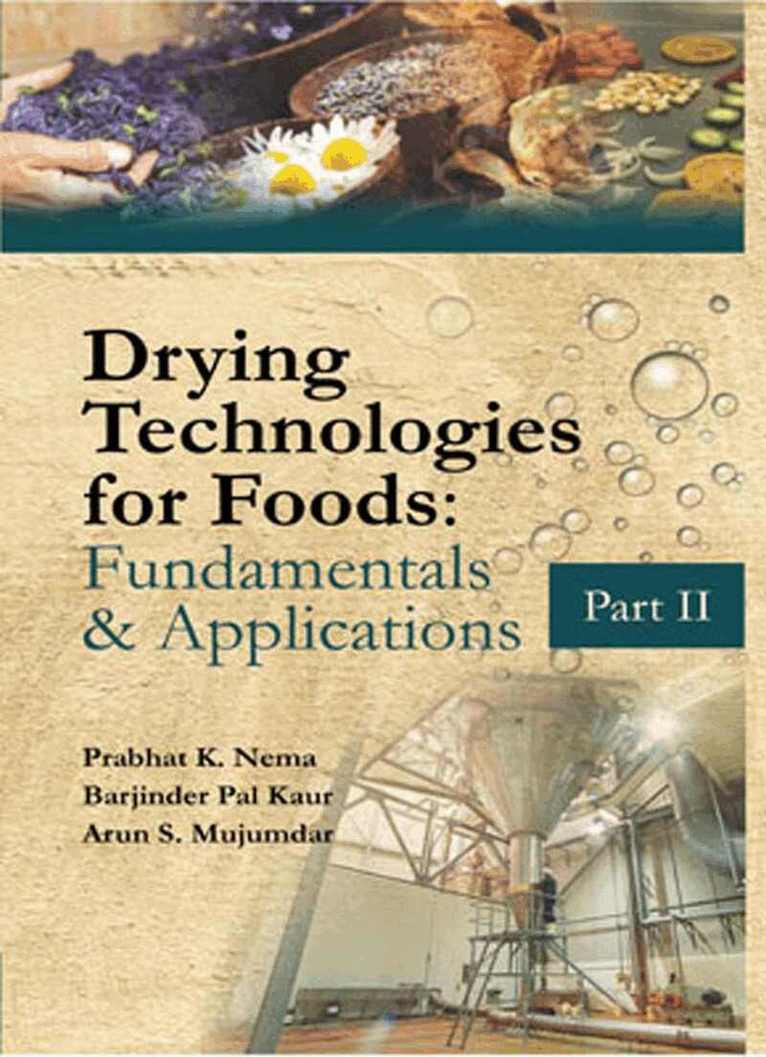
The second part comprises of 14 chapters presenting comprehensive yetconcise coverage of different novel drying techniques such as vacuum drying, refractance window dehydration technique, super critical drying, TES assisted solar drying etc. This volume also covers recent technologies and trends in medicinal herb, fruit leather and protein drying as well as packaging of dehydrated foods. The mechanism of deliquescence and caking process involved in drying of foods, effect of drying on functional properties of foods have been added.Different control and safety systems required to improve dryer operation and efficiency and different approaches such as ANN and computer vision that can be used for modeling the drying process are also discussed.Each of the invited contributors in this book has worked extensively in the respective area of drying technology and hence their strong experience in the form of peer reviewedchapter will benefit the readers. Chapter are written in a very easily understandable language containing clear explanation of every concept and aspect of the same, which can be used by undergraduate and graduate students as well as by faculty for teaching purposes. Recent literature is also compiled and discussed in detail to assist researchers and scientists for clear understanding of different types of drying techniques.
1 651 kr
Skickas inom 7-10 vardagar
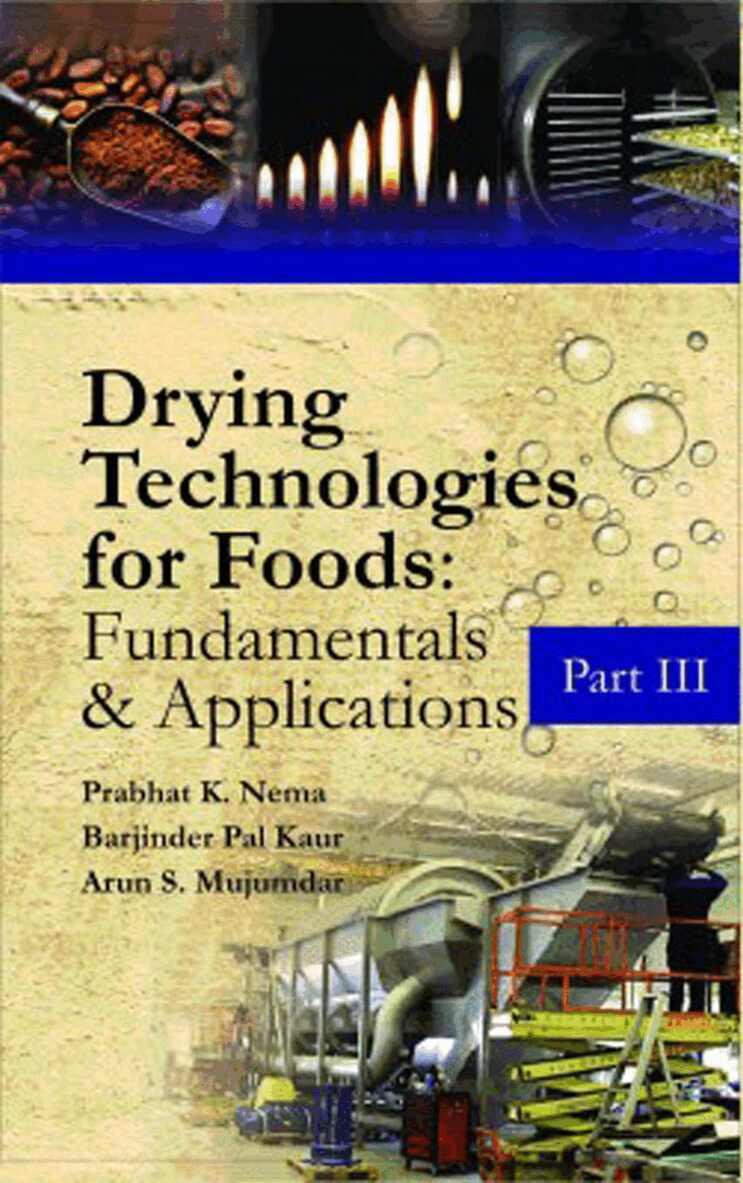
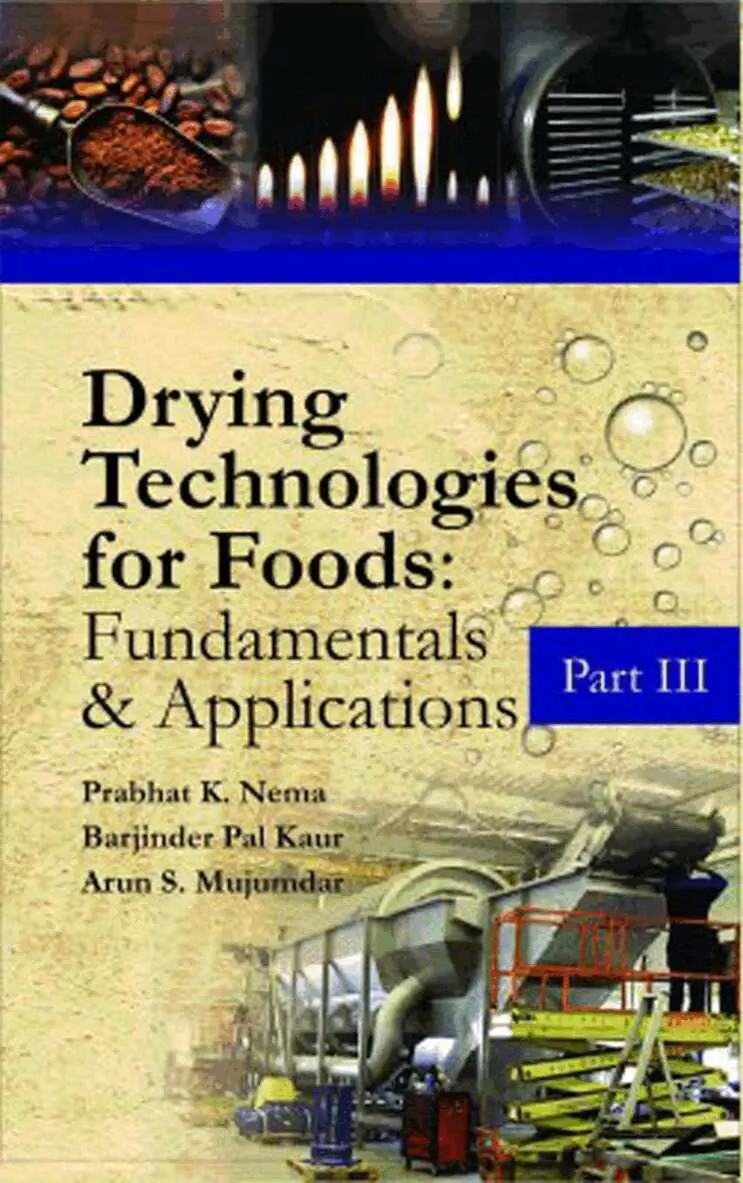
Drying is a crucial industrial process for the preservation and processing of food products. The food industry is continuously searching for cost-effective and energy-efficient drying techniques to remain competitive and meet the demand for high-quality dried food products. Despite the substantial technical literature available on food drying, it remains challenging for scientists and engineers to enhance existing drying systems and product quality. The book, consisting of 14 chapters, addresses various drying techniques, including freeze drying, atmospheric freeze drying, swell drying, multi-flash drying, electro-hydrodynamic drying, pulse combustion drying, foam mat drying, and ultrasound-assisted drying, as well as fluidized bed drying. Additionally, the book covers commodity-specific chapters, such as mushroom drying and the drying and roasting of cocoa and coffee beans. The book also addresses the degradation mechanism and kinetics of vitamin C degradation in fruits and vegetables, kinetics modeling of the drying process for the recovery of bioactive compounds, and energy calculation procedures for dryers. These topics will be beneficial in improving dryer operation and efficiency.
3 090 kr
Skickas inom 7-10 vardagar
This book has been written with the aim of presenting the fundamental knowledge required for the selection and technical design of appropriate drying systems in a systematic and progressive manner. The book consists of 15 chapters, with the first chapter dedicated to the fundamental principles and basic terminology of drying. Following chapters provide a detailed description of different drying techniques and their applications.The development of advanced drying techniques for the food industry is a challenge that must be met in order to meet the demand for enhanced food quality and safety. Subsequent chapters offer a comprehensive review of the latest developments in various drying technologies, as well as an analysis of current trends and future research and development directions.The language used in the chapters is clear and easy to understand, making it suitable for undergraduate and graduate students, as well as for faculty members who are teaching related subjects. The book also includes a compilation and discussion of recent literature, which will be of great assistance to researchers and scientists who wish to gain a deeper understanding of the concepts behind different types of drying techniques.The contributors to this book have extensive experience in their respective areas of drying technology, and their expertise is sure to benefit readers.
3 090 kr
Skickas inom 7-10 vardagar
This book, which is the second volume in the series, focuses on innovative and cutting-edge drying techniques for food and biological materials. It is comprised of 14 chapters that provide comprehensive yet concise coverage of various novel drying methods, including vacuum drying, refractance window dehydration technique, super critical drying, TES assisted solar drying, and others. Additionally, the book covers recent advancements and trends in medicinal herb, fruit leather, and protein drying, as well as packaging of dehydrated foods. The book also includes a discussion of the mechanisms of deliquescence and caking process involved in drying, the effect of drying on the functional properties of foods, and the various control and safety systems required to improve dryer operation and efficiency. The book also explores different approaches, such as ANN and computer vision, that can be used for modeling the drying process.The book features contributions from experts in the field of drying technology, who have extensive experience and knowledge in their respective areas, as evidenced by their peer-reviewed chapters. The chapters are written in an easily understandable language and provide clear explanations of every concept and aspect, making them suitable for undergraduate and graduate students, as well as faculty for teaching purposes. The book also compiles and discusses recent literature in detail to assist researchers and scientists in gaining a thorough understanding of different types of drying techniques. Overall, this book serves as a valuable resource for students, researchers, and professionals in the field of food and biological materials drying.
3 090 kr
Skickas inom 7-10 vardagar
Drying is an essential process in the food industry for the preservation and processing of food products. The industry is always seeking cost-effective and energy-efficient drying techniques to achieve commercial success and meet the demand for high-quality dried food products. Despite the extensive technical literature available on the drying of foods, it remains challenging for scientists and engineers to enhance existing drying systems and improve the quality of the products. The book, consisting of 14 chapters, covers a range of drying techniques, including freeze drying, atmospheric freeze drying, swell drying, multi-flash drying, electro-hydrodynamic drying, pulse combustion drying, foam mat drying, and ultrasound-assisted drying, as well as fluidized bed drying. Additionally, the book addresses commodity-specific drying, such as mushroom drying and the drying and roasting of cocoa and coffee beans. The book also covers topics such as the degradation mechanism and kinetics of vitamin C in fruits and vegetables, kinetics modeling of the drying process for the recovery of bioactive compounds, and energy calculation procedures for dryers, which can help improve the efficiency of the drying process.