Barnabas Calder - Böcker
Visar alla böcker från författaren Barnabas Calder. Handla med fri frakt och snabb leverans.
4 produkter
4 produkter
149 kr
Skickas
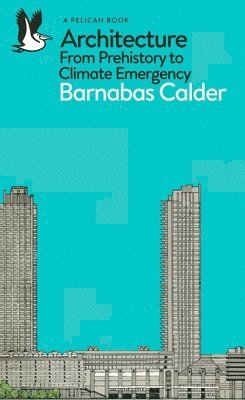
A groundbreaking history of architecture told through the relationship between buildings and energyThe story of architecture is the story of humanity. The buildings we live in, from the humblest pre-historic huts to today's skyscrapers, reveal our priorities and ambitions, our family structures and power structures. And to an extent that hasn't been explored until now, architecture has been shaped in every era by our access to energy, from fire to farming to fossil fuels.In this ground-breaking history of world architecture, Barnabas Calder takes us on a dazzling tour of some of the most astonishing buildings of the past fifteen thousand years, from Uruk, via Ancient Rome and Victorian Liverpool, to China's booming megacities. He reveals how every building - from the Parthenon to the Great Mosque of Damascus to a typical Georgian house - was influenced by the energy available to its architects, and why this matters.Today architecture consumes so much energy that 40% of the world's greenhouse gas emissions come from the construction and running of buildings. If we are to avoid catastrophic climate change then now, more than ever, we need beautiful but also intelligent buildings, and to retrofit - not demolish - those that remain. Both a celebration of human ingenuity and a passionate call for greater sustainability, this is a history of architecture for our times.
531 kr
Skickas inom 10-15 vardagar
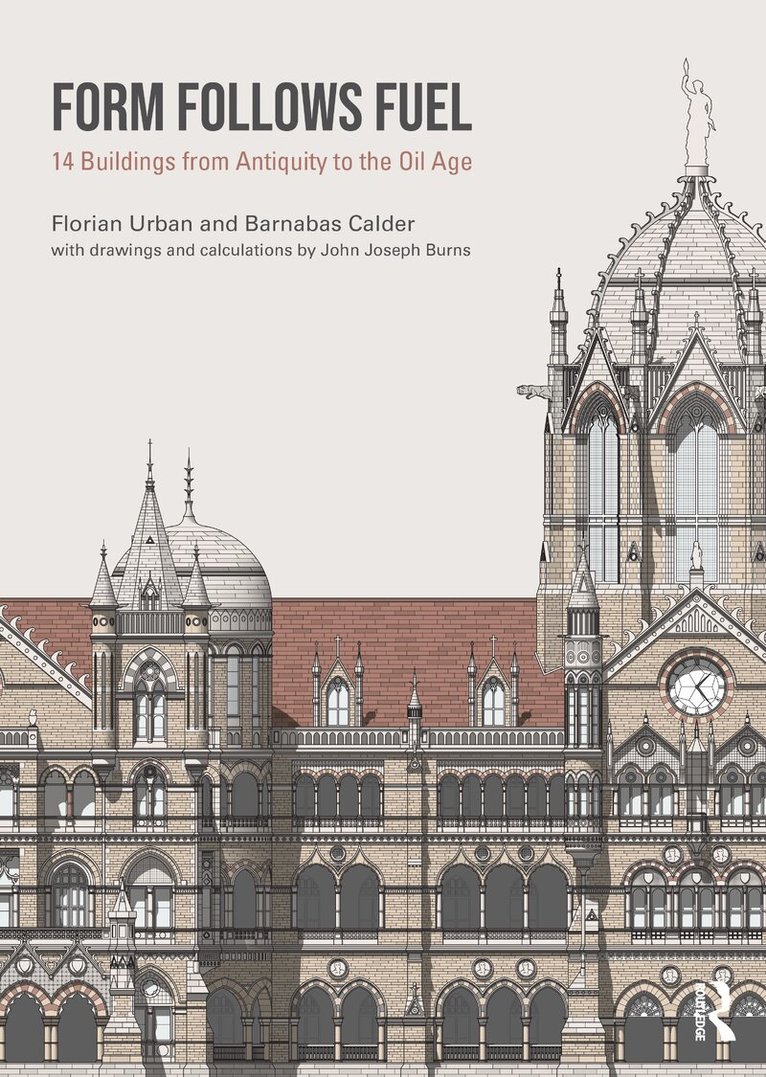
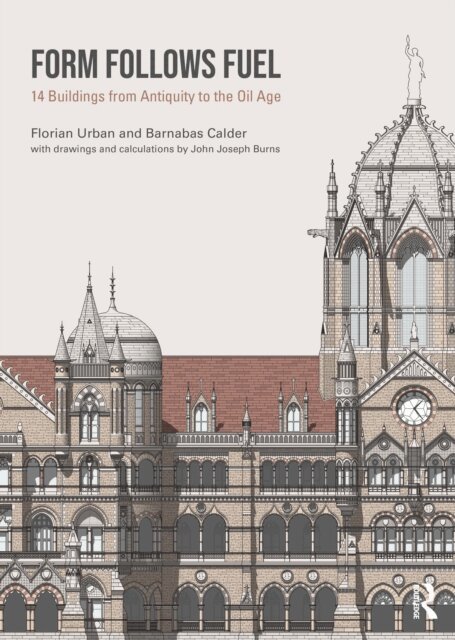
Modernists believed that “form follows function.” Form Follows Fuel shows that in fact energy has been the biggest influence on the world’s architecture throughout the history of our species. The availability of energy under different fuel regimes – including human labour, firewood, coal, oil, gas, and renewables – shapes architecture at all scales, from what gets built to how its doors hinge.This book is the first to quantify energy inputs for a range of buildings worldwide and across the historical record. In the process, it challenges today's architects, offers practical solutions to today's ecological crises, and highlights the aspects of today’s buildings that make architecture responsible for 37% of human climate-changing emissions. It reveals the enormously lower impacts of historical alternatives to today’s default building practices.This book shows that the shift to modern fossil fuel use, from the seventeenth century, came to be the most consequential move in the history of architecture as well as in human history in general. This brought about remarkable wealth for the built environment and at the same time unprecedented dangers for our planet, as evidenced by the exacerbating climate emergency.This book consists of 14 accessibly written case studies, illustrated with beautiful and revealing new measured drawings of each project by John Joseph Burns. Each chapter focuses on a single structure in a particular historical context, sometimes contrasted to similar buildings, from subsistence farming to advanced global capitalism. The chapters analyse the consumption of embodied and operational energy in these buildings, and also discuss questions of recycling and adaptive reuse. They complement precise descriptions with hard numbers on materials and construction, using robustly sourced approximations where exact figures are not available. The case studies rely on both published research and the authors’ own calculations and allow systematic comparison across different global regions and historical periods.Cases include architectural icons such as the Great Pyramid of Giza, the Baths of Caracalla, the Mausoleum of Qin Shi Huang, the Seagram Building, and Terminal 1 of Kuala Lumpur International Airport, as well as common types such as a pre-modern stone house, a late-nineteenth-century tenement, and a modernist panel block. Examples are taken from different regions of the world, including ancient China, pre-Columbian Mexico, and modern Europe. This book is an important contribution to architectural historical research, written for students, academics and building professionals as well as for a general audience.
2 150 kr
Skickas inom 10-15 vardagar
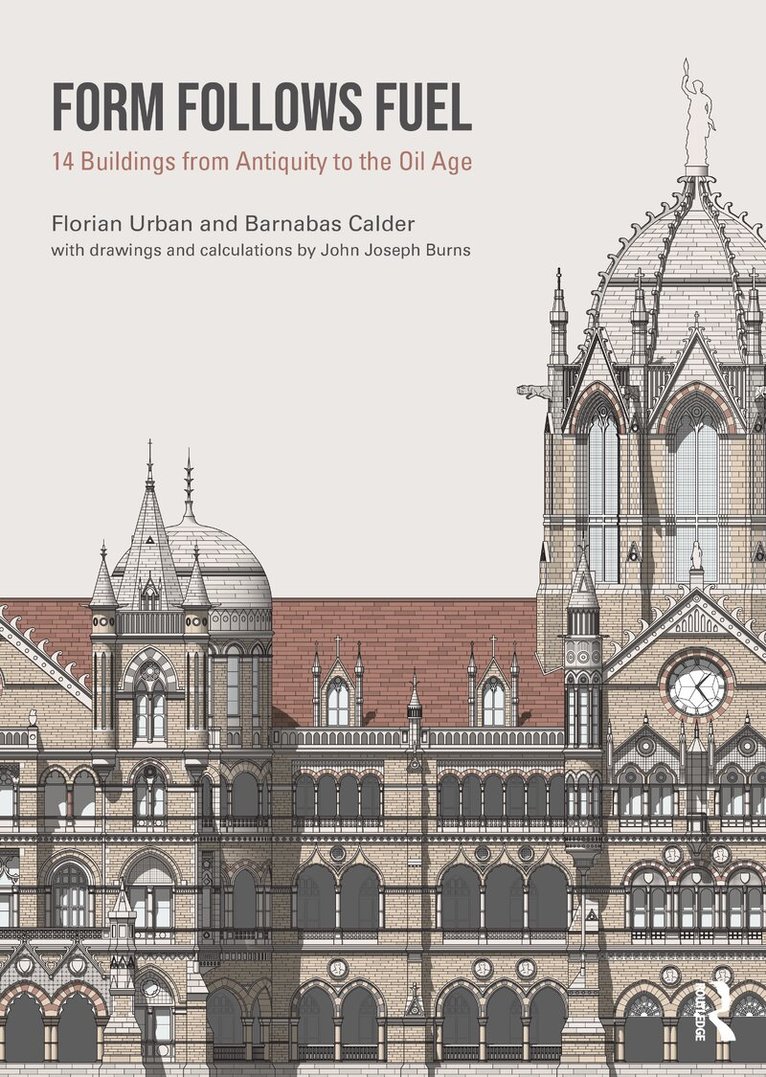
Modernists believed that “form follows function.” Form Follows Fuel shows that in fact energy has been the biggest influence on the world’s architecture throughout the history of our species. The availability of energy under different fuel regimes – including human labour, firewood, coal, oil, gas, and renewables – shapes architecture at all scales, from what gets built to how its doors hinge.This book is the first to quantify energy inputs for a range of buildings worldwide and across the historical record. In the process, it challenges today's architects, offers practical solutions to today's ecological crises, and highlights the aspects of today’s buildings that make architecture responsible for 37% of human climate-changing emissions. It reveals the enormously lower impacts of historical alternatives to today’s default building practices.This book shows that the shift to modern fossil fuel use, from the seventeenth century, came to be the most consequential move in the history of architecture as well as in human history in general. This brought about remarkable wealth for the built environment and at the same time unprecedented dangers for our planet, as evidenced by the exacerbating climate emergency.This book consists of 14 accessibly written case studies, illustrated with beautiful and revealing new measured drawings of each project by John Joseph Burns. Each chapter focuses on a single structure in a particular historical context, sometimes contrasted to similar buildings, from subsistence farming to advanced global capitalism. The chapters analyse the consumption of embodied and operational energy in these buildings, and also discuss questions of recycling and adaptive reuse. They complement precise descriptions with hard numbers on materials and construction, using robustly sourced approximations where exact figures are not available. The case studies rely on both published research and the authors’ own calculations and allow systematic comparison across different global regions and historical periods.Cases include architectural icons such as the Great Pyramid of Giza, the Baths of Caracalla, the Mausoleum of Qin Shi Huang, the Seagram Building, and Terminal 1 of Kuala Lumpur International Airport, as well as common types such as a pre-modern stone house, a late-nineteenth-century tenement, and a modernist panel block. Examples are taken from different regions of the world, including ancient China, pre-Columbian Mexico, and modern Europe. This book is an important contribution to architectural historical research, written for students, academics and building professionals as well as for a general audience.
141 kr
Skickas
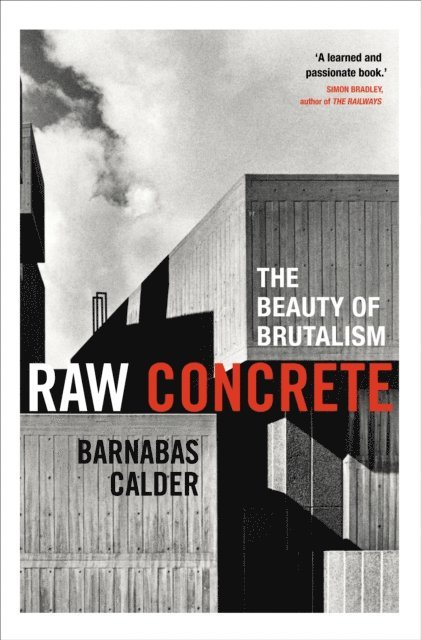
AN OBSERVER BOOK OF THE YEARBeginning in a tiny hermitage on the remote north Scottish coast, and ending up backstage at the National Theatre, Raw Concrete embarks on a wide-ranging journey through Britain over the past sixty years, stopping to examine how eight extraordinary buildings were made - from commission to construction - why they have been so vilified, and why they are beginning to be loved.