
Beata MoAejko – författare
727 kr
Läs direkt efter köp
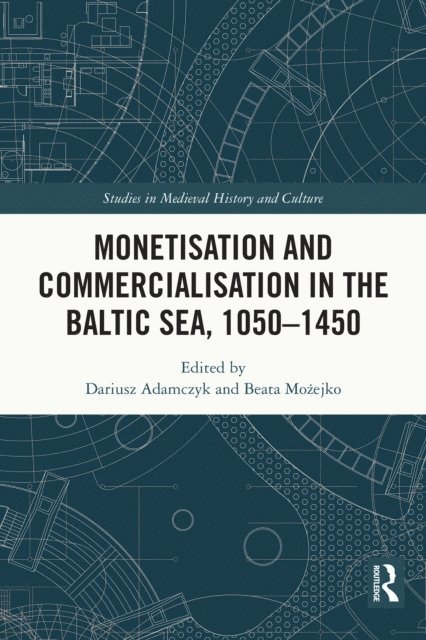
Monetisation and Commercialisation in the Baltic Sea, 1050–1450 explores the varied uses of silver and gold in the Baltic Sea zone during the medieval period.
Ten original contributions examine coins and currencies, trade, economy, and power, taking care to avoid an out-of-date approach to economic history which assumes a progression from ‘primitive’ forms to ‘developed’ structures. Combining a variety of methodological approaches, and drawing on written sources, archaeological and numismatic evidence, and anthropological perspectives, the book considers the various ways in which silver and gold were used as monetary currency, fiscal instruments of power, and gifts in the High and Late Medieval societies of the Baltic Sea.
This book will appeal to scholars and students of medieval European history, as well as those interested in economic history, and the history of trade and commerce.
727 kr
Läs direkt efter köp
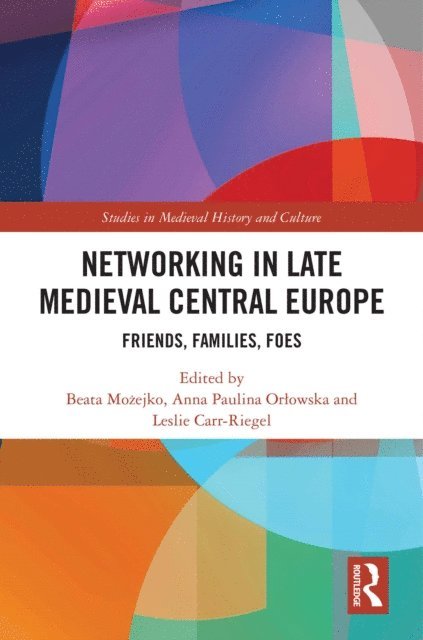
Exploring the formation of networks across late medieval Central Europe, this book examines the complex interaction of merchants, students, artists, and diplomats in a web of connections that linked the region. These individuals were friends in business ventures, occasionally families, and not infrequently foes. No single activity linked them, but rather their interconnectivity through matrices based in diverse modalities was key. Partnerships were not always friendship networks, art was sometimes passed between enemies, and families created for financial gain. Taking an interdisciplinary approach, the chapters focus on inclusion and exclusion within intercultural networks, both interpersonal and artistic, using a wide spectrum of source materials and methodological approaches.
The concept of friends is considered broadly, not only as connections of mutual affection but also simply through business relationships. Families are considered in terms of how they helped or hindered local integration for foreigners and the matrimonial strategies they pursued. Networks were also deeply impacted by rivalry and hostility.
727 kr
Läs direkt efter köp
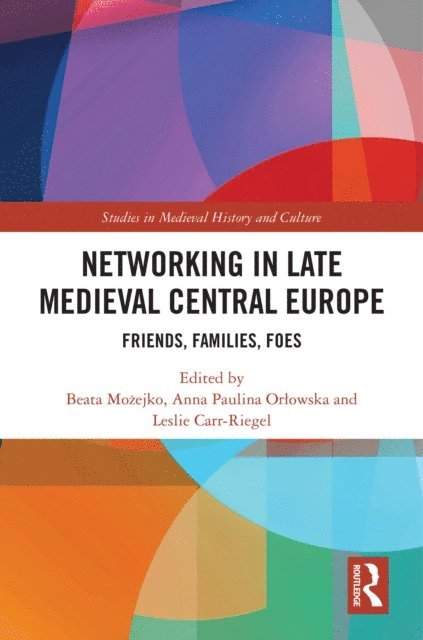
Exploring the formation of networks across late medieval Central Europe, this book examines the complex interaction of merchants, students, artists, and diplomats in a web of connections that linked the region. These individuals were friends in business ventures, occasionally families, and not infrequently foes. No single activity linked them, but rather their interconnectivity through matrices based in diverse modalities was key. Partnerships were not always friendship networks, art was sometimes passed between enemies, and families created for financial gain. Taking an interdisciplinary approach, the chapters focus on inclusion and exclusion within intercultural networks, both interpersonal and artistic, using a wide spectrum of source materials and methodological approaches.
The concept of friends is considered broadly, not only as connections of mutual affection but also simply through business relationships. Families are considered in terms of how they helped or hindered local integration for foreigners and the matrimonial strategies they pursued. Networks were also deeply impacted by rivalry and hostility.
727 kr
Läs direkt efter köp
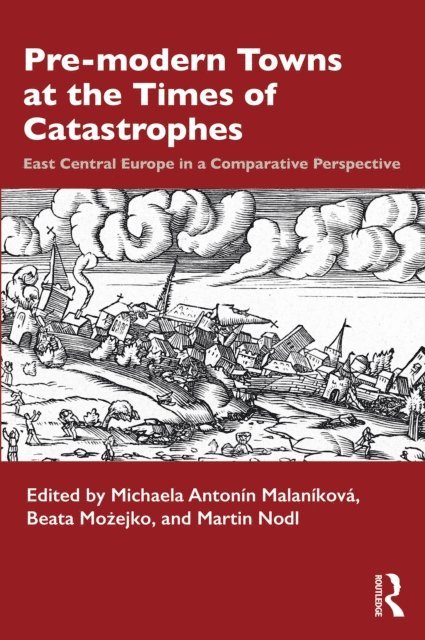
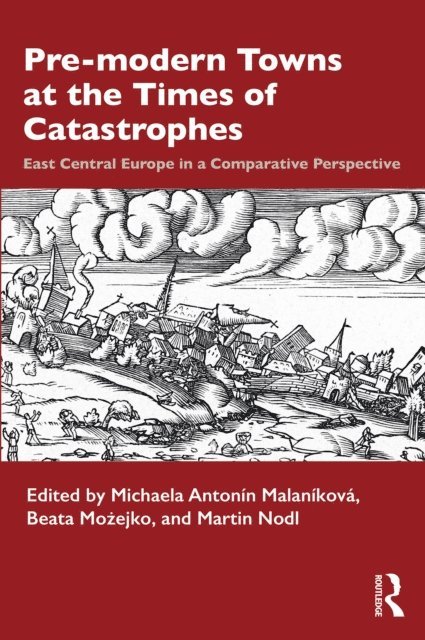
Covering areas in today’s Ukraine, Poland, Bohemia, Moravia, Silesia, and Slovakia, this book studies the impact of both natural and human-inflicted disasters on pre-modern towns.
Various kinds of catastrophes, starting with major natural disasters such as fires, floods, earthquakes, and epidemics caused high population mortality. Others, such as protracted war conflicts, were caused by human activity and could be just as, if not more, destructive for cities, their populations and the urban economy. Crises affected not only the population as a whole, but also townsmen and women in their individual lives. Case studies of renewal and resilience in the volume illustrate that, in many cases, successfully overcoming disaster brought positive changes for urban people. The collection presents analytical research anchored in the contemporary historiographical discourse on studying social and cultural relations in urban environments in the Middle Ages and early modern period, and it incorporates interdisciplinary approaches in the forms of geography, archaeology, and literary theory.
This volume is an engaging resource for students and researchers of pre-modern history, social history, and disaster studies.
727 kr
Läs direkt efter köp
Covering areas in today’s Ukraine, Poland, Bohemia, Moravia, Silesia, and Slovakia, this book studies the impact of both natural and human-inflicted disasters on pre-modern towns.
Various kinds of catastrophes, starting with major natural disasters such as fires, floods, earthquakes, and epidemics caused high population mortality. Others, such as protracted war conflicts, were caused by human activity and could be just as, if not more, destructive for cities, their populations and the urban economy. Crises affected not only the population as a whole, but also townsmen and women in their individual lives. Case studies of renewal and resilience in the volume illustrate that, in many cases, successfully overcoming disaster brought positive changes for urban people. The collection presents analytical research anchored in the contemporary historiographical discourse on studying social and cultural relations in urban environments in the Middle Ages and early modern period, and it incorporates interdisciplinary approaches in the forms of geography, archaeology, and literary theory.
This volume is an engaging resource for students and researchers of pre-modern history, social history, and disaster studies.
797 kr
Läs direkt efter köp
New Studies in Medieval and Renaissance Poland and Prussia: The Impact of Gdańsk draws together the latest reseach conducted by local historians and archaeologists on the city of Gdańsk and its impact on the surrounding region of Pomerania and Poland as a whole.
Beginning with Gdańsk’s early political history and extending from the 10th to the 16th century, its twelve chapters explore a range of political, social, and socio-cultural historical questions and explain such phenomena as the establishment and development of the Gdańsk port and city. A prominent theme is a consideration of the interactions between Gdansk and Poland and Prussia, including a look into the city’s links with the State of the Teutonic Order in Prussia and the Kingdom of Poland under the rule of the Piast and Jagiellonian dynasties. The chapters are placed in the historical context of medieval Poland as well as the broader themes of religion, the matrimonial policy of noble families or their contacts with the papacy.
This book is an exciting new study of medieval Poland and unparalleled in the English-speaking world, making it an ideal text for those wanting to deepen their knowledge in this subject area.