Leslie Carr-Riegel – författare
Visar alla böcker från författaren Leslie Carr-Riegel. Handla med fri frakt och snabb leverans.
5 produkter
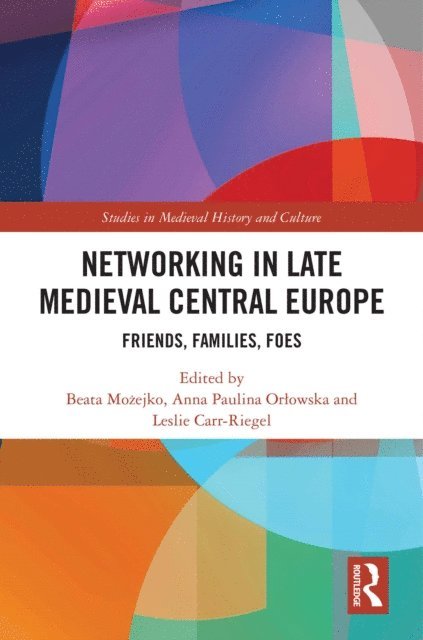
Networking in Late Medieval Central Europe
Friends, Families, Foes
Av Leslie Carr-Riegel, Anna Orlowska m. fl.
E-bok, 2023
785 kr
Lägg i varukorg
Exploring the formation of networks across late medieval Central Europe, this book examines the complex interaction of merchants, students, artists, and diplomats in a web of connections that linked the region. These individuals were friends in business ventures, occasionally families, and not …
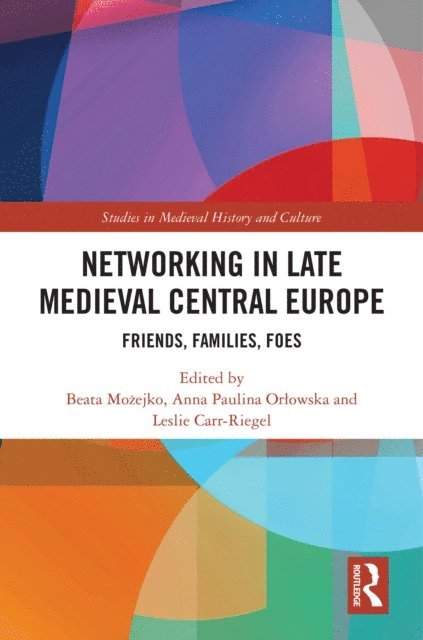
Networking in Late Medieval Central Europe
Friends, Families, Foes
Av Leslie Carr-Riegel, Anna Orlowska m. fl.
E-bok, 2023
760 kr
Lägg i varukorg
Exploring the formation of networks across late medieval Central Europe, this book examines the complex interaction of merchants, students, artists, and diplomats in a web of connections that linked the region. These individuals were friends in business ventures, occasionally families, and not …
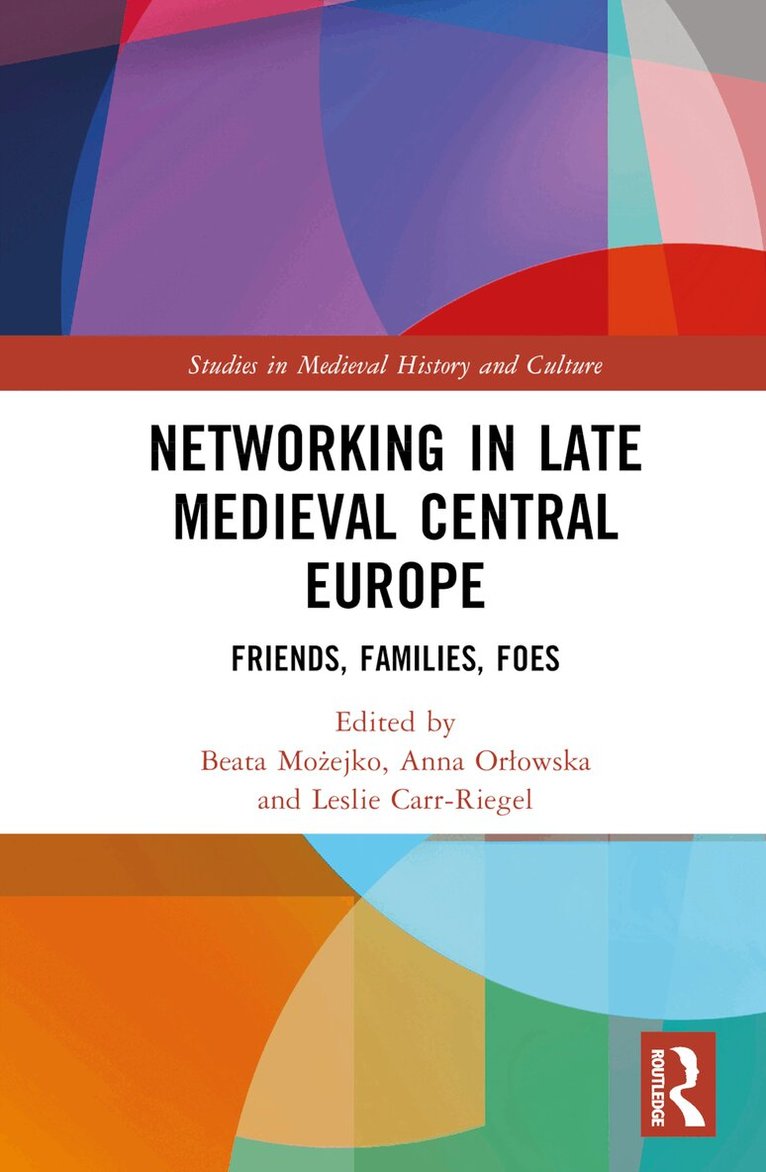
Networking in Late Medieval Central Europe
Friends, Families, Foes
Av Beata Możejko, Anna Orłowska m. fl.
Inbunden, 2023
2197 kr
Lägg i varukorg
Exploring the formation of networks across late medieval Central Europe, this book examines the complex interaction of merchants, students, artists, and diplomats in a web of connections that linked the region. These individuals were friends in business ventures, occasionally families, and not …
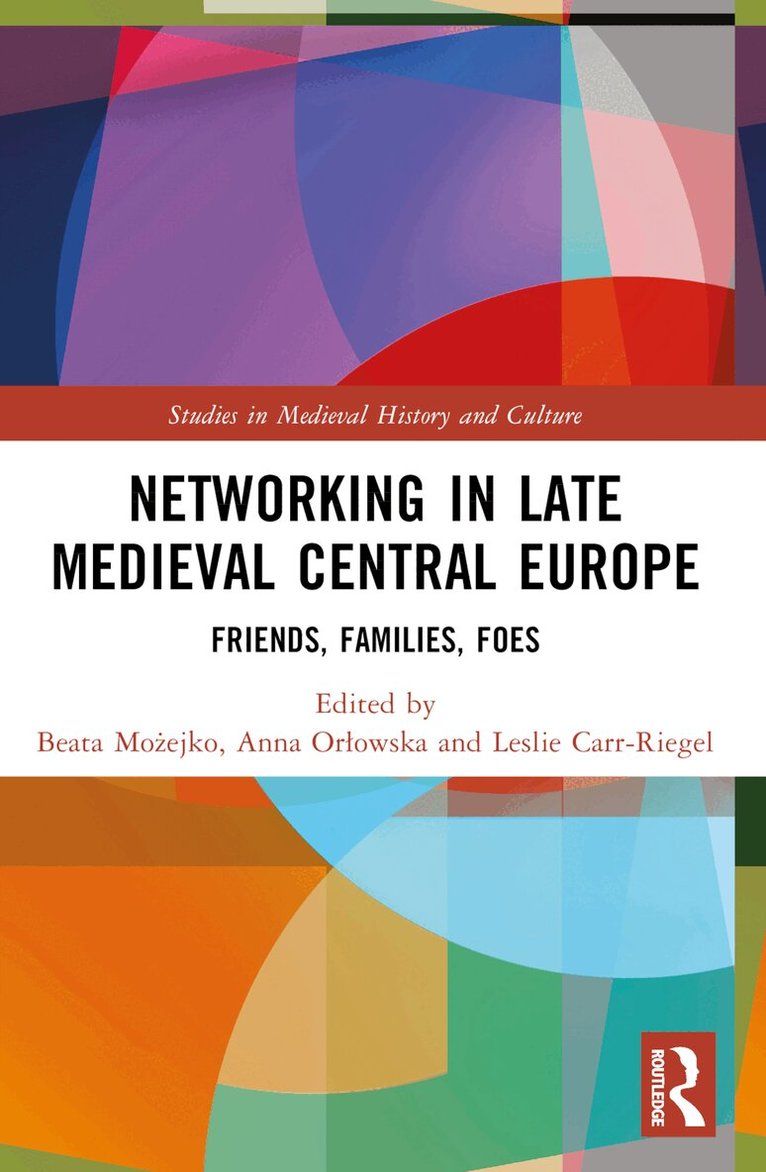
Networking in Late Medieval Central Europe
Friends, Families, Foes
Av Beata Możejko, Anna Orłowska m. fl.
Häftad, 2024
667 kr
Lägg i varukorg
Exploring the formation of networks across late medieval Central Europe, this book examines the complex interaction of merchants, students, artists, and diplomats in a web of connections that linked the region. These individuals were friends in business ventures, occasionally families, and not …
Connecting the Renaissance
Italy and East Central Europe (1300–1600)
Av Leslie Carr-Riegel, Anna Horeczy m. fl.
Inbunden, 2026
2586 kr
Lägg i varukorg
Why did Italian culture come to occupy such privileged status and interest among the societies of East-Central Europe during the period 1300–1600? In 1300, East-Central Europe regarded Italy not necessarily as an undisputed center of cultural emulation but drew from a much wider range of models …