Becky K. Becker – författare
Visar alla böcker från författaren Becky K. Becker. Handla med fri frakt och snabb leverans.
3 produkter
3 produkter
Häftad, Engelska, 2016
430 kr
Skickas inom 5-8 vardagar
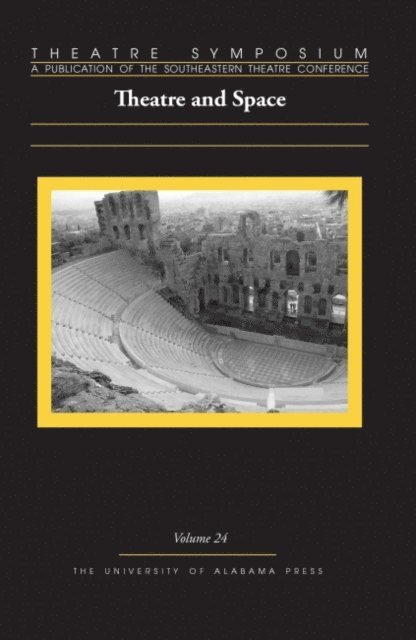
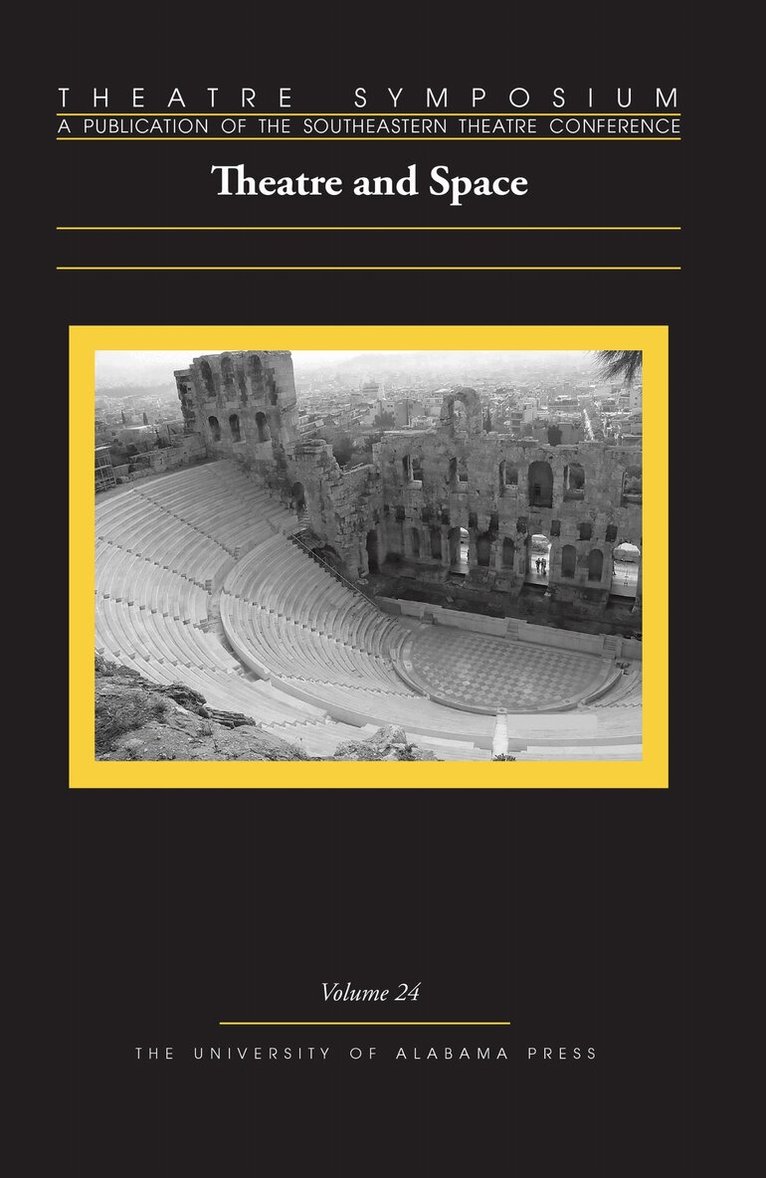
At a time when so many options exist for access to theatrical entertainments, it is no surprise that theatre practitioners and scholars are often preoccupied with the role of the audience. While space undoubtedly impacts the rehearsal and production processes, its greater significance seems to rest in the impact a specific location has on the audience. This volume delves into issues of theatre and space, traversing traditional theatre spaces such as the African Grove Theater discussed by Gregory Carr, Tony Gunn’s examination of Edward Gorey's theatrical designs, and George Pate’s reflections on Beckett's stage directors. Also highlighted are some decidedly innovative spaces, like those described by J. K. Curry in her examination of “Theatre for One” and modern uses of medieval sacred spaces as detailed by Carla Lahey. Whether positive or negative in scope, meanings generated within theatre spaces are impacted by the cultural context from which they emerge—the ways in which space is conceived, scrutinized, and experiences. As a result, the relationship between space, theatre, and audience is diverse, complex, and ever changing in practice.
Häftad, Engelska, 2017
385 kr
Skickas inom 5-8 vardagar
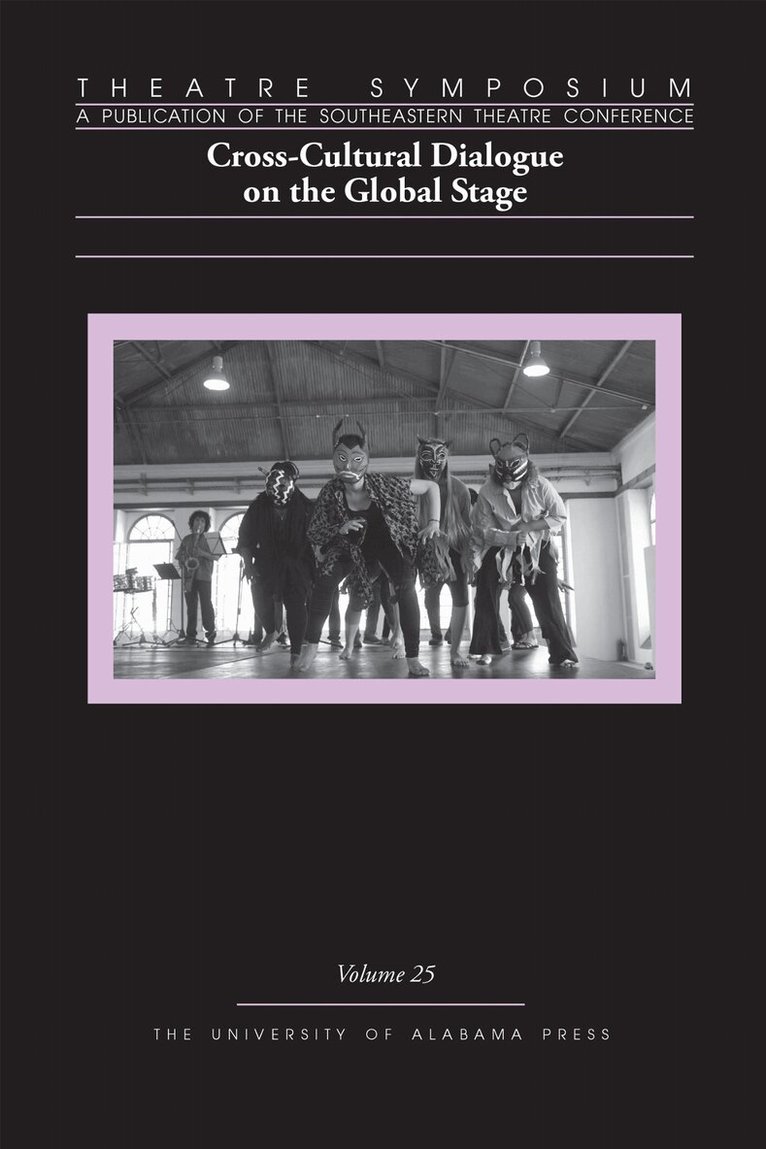
Addresses the ways that theatre both shapes cross-cultural dialogue and is itself, in turn, shaped by those forces. Globalization may strike many as a phenomenon of our own historical moment, but it is truly as old as civilization: we need only look to the ancient Silk Road linking the Far East to the Mediterranean in order to find some of the earliest recorded impacts of people and goods crossing borders. Yet, in the current cultural moment, tensions are high due to increased migration, economic unpredictability, complicated acts of local and global terror, and heightened political divisions all over the world. Thus globalization seems new and a threat to our ways of life, to our nations, and to our cultures. In what ways have theatre practitioners, educators, and scholars worked to support cross-cultural dialogue historically? And in what ways might theatre embrace the complexities and contradictions inherent in any meaningful exchange? The essays in Theatre Symposium, Volume 25 reflect on these questions. Featured in Theatre Symposium, Volume 25: �Theatre as Cultural Exchange: Stages and Studios of Learning� by Anita Gonzalez �Certain Kinds of Dances Used among Them: An Initial Inquiry into Colonial Spanish Encounters with the Areytos of the Taíno in Puerto Rico� by E. Bert Wallace �Gertrude Hoffmann's Lawful Piracy: ‘A Vision of Salome' and the Russian Season as Transatlantic Production Impersonations� by Sunny Stalter-Pace �Greasing the Global: Princess Lotus Blossom and the Fabrication of the ‘Orient' to Pitch Products in the American Medicine Show� by Chase Bringardner �Dismembering Tennessee Williams: The Global Context of Lee Breuer's A Streetcar Named Desire� by Daniel Ciba �Transformative Cross-Cultural Dialogue in Prague: Americans Creating Czech History Plays� by Karen Berman �Finding Common Ground: Lessac Training across Cultures� by Erica Tobolski and Deborah A. Kinghorn
E-bok
Engelska, 2016714 kr
Läs direkt efter köp
At a time when so many options exist for access to theatrical entertainments, it is no surprise that theatre practitioners and scholars are often preoccupied with the role of the audience. While space undoubtedly impacts the rehearsal and production processes, its greater significance seems to rest in the impact a specific location has on the audience. This volume provides diverse viewpoints on theatre and space, as well as its relationship to the audience. Sebastian Trainor and Samuel T. Shanks offer contemporary perspectives on two ancient theatre spaces, while Lisa Marie Bowler describes the Globe Theatre, a replica of the original, as embodying a kind of absence despite its rich link to the past. Focusing on distinctly different periods and settings, both Andrew Gibb and Christine Woodworth describe a politics of space in which specific players gain prestige and power. Chase Bringardner identifies the audience as playing an important role in creating a space for parody in a historic Nashville venue, while Arnab Banerji describes an exhausting process for members of the Bengali group theatre who must continually move from space to space. Finally, Alicia Corts discusses virtual performance spaces and the degree to which participants are able to control their online identities within virtual performances. Bookending these eight essays are Marvin Carlson’s keynote presentation “Whose Space Is It Anyway?” and his closing remarks for the symposium, both of which allude to, and richly explicate, the ultimate arbiters of theatrical space: the audience.