Ben Beaumont – författare
690 kr
Skickas inom 10-15 vardagar
860 kr
Läs direkt efter köp
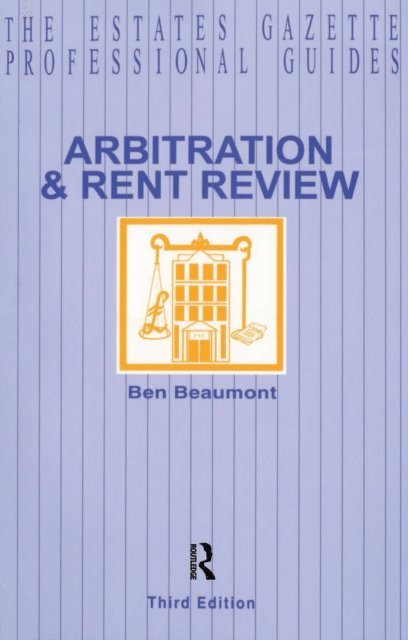
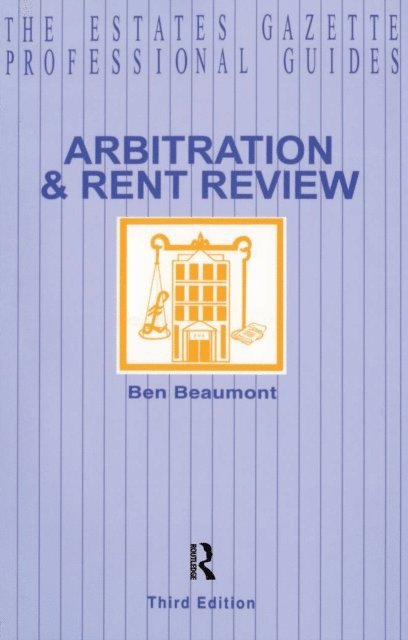
Arbitration and Rent Review has become a standard work in the property world for guidance on rent review. In a clear style, the author examines the procedures that landlord and tenant should follow in order to agree a new rent or to have one decided by arbitration. By means of cases, he highlights the key areas of conflict that come before the courts, the contentious issues being introduced in the order in which they would be encountered by landlords or tenancts facing a review.
860 kr
Läs direkt efter köp
Arbitration and Rent Review has become a standard work in the property world for guidance on rent review. In a clear style, the author examines the procedures that landlord and tenant should follow in order to agree a new rent or to have one decided by arbitration. By means of cases, he highlights the key areas of conflict that come before the courts, the contentious issues being introduced in the order in which they would be encountered by landlords or tenancts facing a review.
2 004 kr
Skickas inom 10-15 vardagar
2 004 kr
Skickas inom 10-15 vardagar
2 004 kr
Skickas inom 10-15 vardagar
2 313 kr
Läs direkt efter köp
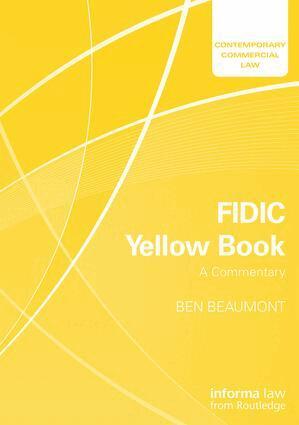
The book analyses every aspect of the ease or otherwise of implementing the FIDIC Yellow Book Conditions of Contract. On a clause-by-clause basis, it highlights important structural features and suggests alternative text to avoid problems with the contract. Written in a user-friendly manner by an expert user of the FIDIC Suite of Contracts, who is a Member of the FIDIC President’s List of Adjudicators, this book will be a vital reference point for contractors, lawyers, engineers, arbitrators and all others concerned with the FIDIC contracts.
2 313 kr
Läs direkt efter köp
The book analyses every aspect of the ease or otherwise of implementing the FIDIC Yellow Book Conditions of Contract. On a clause-by-clause basis, it highlights important structural features and suggests alternative text to avoid problems with the contract. Written in a user-friendly manner by an expert user of the FIDIC Suite of Contracts, who is a Member of the FIDIC President’s List of Adjudicators, this book will be a vital reference point for contractors, lawyers, engineers, arbitrators and all others concerned with the FIDIC contracts.
2 313 kr
Läs direkt efter köp
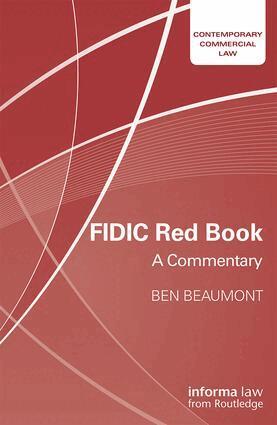
Written by a member of the FIDIC President’s List of Adjudicators, this detailed and critical commentary on the FIDIC Red Book provides authoritative guidance and recommendations for best practice. Focusing on each Clause of the Condition of Contract, this book identifies pitfalls and logistics issues associated with its enforcement and ancillary processes, to give readers an advantage when operating with the FIDIC Red Book. Intended to promote the best use and growth of FIDIC, this guide will be essential for all users of the FIDIC Red Book, be they contractors, lawyers, engineers, students training to join these industries or any professional involved in the resolution of disputes involving the FIDIC Red Book.
2 313 kr
Läs direkt efter köp
Written by a member of the FIDIC President’s List of Adjudicators, this detailed and critical commentary on the FIDIC Red Book provides authoritative guidance and recommendations for best practice. Focusing on each Clause of the Condition of Contract, this book identifies pitfalls and logistics issues associated with its enforcement and ancillary processes, to give readers an advantage when operating with the FIDIC Red Book. Intended to promote the best use and growth of FIDIC, this guide will be essential for all users of the FIDIC Red Book, be they contractors, lawyers, engineers, students training to join these industries or any professional involved in the resolution of disputes involving the FIDIC Red Book.
2 494 kr
Skickas inom 5-8 vardagar
2 447 kr
Skickas inom 5-8 vardagar
2 082 kr
Läs direkt efter köp
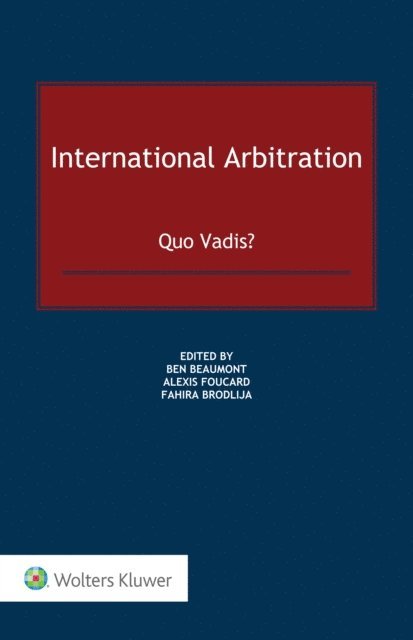
In the spirit of Pieter Sanders’s classic Quo Vadis Arbitration? (1999), this far-reaching overview of the state of international arbitration thoroughly assesses the current condition and prospects of arbitration and conciliation with practical, insightful solutions to the new and emerging problems confronting arbitration practice today.
A distinguished group of internationally renowned arbitrators, academics, and lawmakers elucidate the ubiquitous evolution towards increased technical complexity, the need for multi-focal and multi-cultural approaches, and the tension between desirable simplicity and indispensable precision that have come to characterize current arbitral practice and procedure. Among the topics covered are the following:
remote hearings;
reliance on digital technology;
cost of arbitration in a post-COVID world;
extension of the arbitration agreement to non-signatories;
tailoring of ADR techniques to suit the needs of micro, small, and medium-sized enterprises;
jurisdictions emerging as new arbitration hubs, e.g., Delaware, the Caribbean, Scotland;
evolution of a code of conduct for adjudicators in investment disputes; and
the reform of bilateral investment treaties.
As Sanders’s 1999 book did at the time, the chapters identify specific improvements and refinements to the entire system as it has developed over recent decades.
The book will be a go-to resource for the arbitration community worldwide as a stocktaking of current and ongoing trends in international arbitration. It will enthuse the many lawyers, judges, legislators, and businesspeople to whom it is addressed.
2 082 kr
Läs direkt efter köp
In the spirit of Pieter Sanders’s classic Quo Vadis Arbitration? (1999), this far-reaching overview of the state of international arbitration thoroughly assesses the current condition and prospects of arbitration and conciliation with practical, insightful solutions to the new and emerging problems confronting arbitration practice today.
A distinguished group of internationally renowned arbitrators, academics, and lawmakers elucidate the ubiquitous evolution towards increased technical complexity, the need for multi-focal and multi-cultural approaches, and the tension between desirable simplicity and indispensable precision that have come to characterize current arbitral practice and procedure. Among the topics covered are the following:
remote hearings;
reliance on digital technology;
cost of arbitration in a post-COVID world;
extension of the arbitration agreement to non-signatories;
tailoring of ADR techniques to suit the needs of micro, small, and medium-sized enterprises;
jurisdictions emerging as new arbitration hubs, e.g., Delaware, the Caribbean, Scotland;
evolution of a code of conduct for adjudicators in investment disputes; and
the reform of bilateral investment treaties.
As Sanders’s 1999 book did at the time, the chapters identify specific improvements and refinements to the entire system as it has developed over recent decades.
The book will be a go-to resource for the arbitration community worldwide as a stocktaking of current and ongoing trends in international arbitration. It will enthuse the many lawyers, judges, legislators, and businesspeople to whom it is addressed.
2 123 kr
Läs direkt efter köp
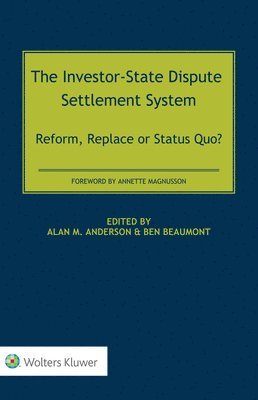
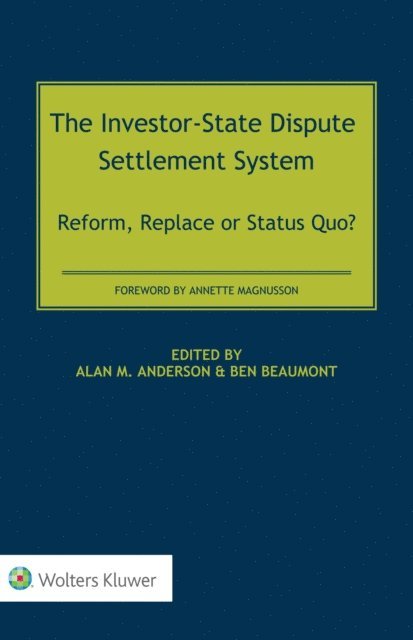
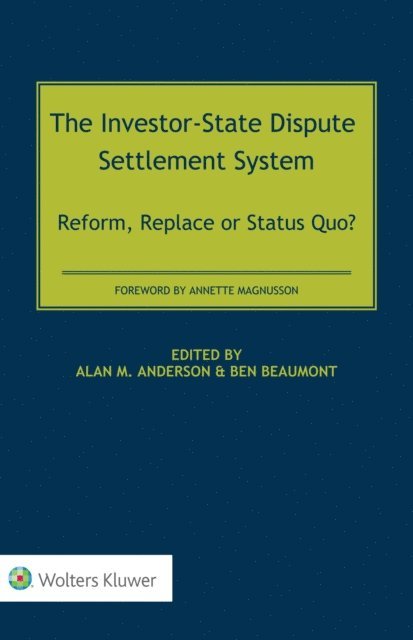
Investor-State disputes are increasing and damage awards are often significant. It is thus no surprise that the investor-State dispute settlement (ISDS) system has come under scrutiny. Perceptions have arisen that ISDS is inconsistent, lacks transparency, and is simply unfair. This book delves into the ongoing worldwide debate and discussions regarding the ISDS system. Drawing contributors from around the world, the authors provide insights on critical topics and address the key question facing the ISDS system and the international community it serves: Should the present ISDS system be reformed, replaced, or simply remain as is?
The contributors represent points of view ranging from academia to practice to governmental entities, addressing such topics as:
the possible consequences of wholesale replacement or elimination of the current ISDS system; mediation as an alternative to resolve ISDS disputes; the creation of a multinational investment court or appellate review mechanism; lack of an early dismissal mechanism to eliminate meritless claims; issues regarding arbitrators, including their appointment and ethical obligations; how investors may retain their right to pursue claims for violations of investment protection following termination of an agreement; a State’s right to assert a counterclaim against an investor-claimant; the role of ISDS in promoting and protecting renewable energy production; the liability of State-controlled entities; the effects and implications of third-party funding; the duty to mitigate damages in the light of excessive damages awards; and improvements and issues relating to post-award enforcement, duration, and cost of ISDS.This book considers the ongoing deliberations and reform measures proposed by UNCITRAL’s Working Group III and provides insights into how several geographic regions and economic cooperation areas have sought to address the question of reform of the ISDS system, including the European Union, the Middle East, and the new United States-Mexico-Canada Agreement.
With its much-needed and deeply informed balancing of investor and State rights and duties, this book will be welcomed by all who practise in the ISDS field, including arbitrators, State governments and non-governmental organizations, regional economic organizations, and international investors.
2 123 kr
Läs direkt efter köp
Investor-State disputes are increasing and damage awards are often significant. It is thus no surprise that the investor-State dispute settlement (ISDS) system has come under scrutiny. Perceptions have arisen that ISDS is inconsistent, lacks transparency, and is simply unfair. This book delves into the ongoing worldwide debate and discussions regarding the ISDS system. Drawing contributors from around the world, the authors provide insights on critical topics and address the key question facing the ISDS system and the international community it serves: Should the present ISDS system be reformed, replaced, or simply remain as is?
The contributors represent points of view ranging from academia to practice to governmental entities, addressing such topics as:
the possible consequences of wholesale replacement or elimination of the current ISDS system; mediation as an alternative to resolve ISDS disputes; the creation of a multinational investment court or appellate review mechanism; lack of an early dismissal mechanism to eliminate meritless claims; issues regarding arbitrators, including their appointment and ethical obligations; how investors may retain their right to pursue claims for violations of investment protection following termination of an agreement; a State’s right to assert a counterclaim against an investor-claimant; the role of ISDS in promoting and protecting renewable energy production; the liability of State-controlled entities; the effects and implications of third-party funding; the duty to mitigate damages in the light of excessive damages awards; and improvements and issues relating to post-award enforcement, duration, and cost of ISDS.This book considers the ongoing deliberations and reform measures proposed by UNCITRAL’s Working Group III and provides insights into how several geographic regions and economic cooperation areas have sought to address the question of reform of the ISDS system, including the European Union, the Middle East, and the new United States-Mexico-Canada Agreement.
With its much-needed and deeply informed balancing of investor and State rights and duties, this book will be welcomed by all who practise in the ISDS field, including arbitrators, State governments and non-governmental organizations, regional economic organizations, and international investors.
2 668 kr
Skickas inom 5-8 vardagar
2 271 kr
Läs direkt efter köp
What makes investor-State dispute settlement (ISDS) as dynamic a field as it is – especially in comparison with international commercial arbitration – is its uncanny ability to engage directly with the most topical and pressing issues of the day, including human rights, regulation of the energy sector, and climate change and the environment more generally. This book provides a deep dive into the reality behind the causes and effects of the expressed concerns regarding ISDS and the extent to which they can and have been addressed by ongoing reform processes at national, regional, and international levels.
Deeply informed insights from leading scholars and practitioners on the status quo and perspectives of ISDS shed clear light on such aspects as the following:
reform instruments adopted at the UNCITRAL Working Group III;
issues surrounding the legitimacy of ISDS;
dispute prevention and amicable settlement mechanisms;
the proposed multilateral investment court;
implications of climate change and energy transition for investment policies and disputes;
recent regional trends in policymaking and perspectives;
the ICSID-UNCITRAL Code of Conduct;
investment protection standards and dispute resolution mechanisms in recent international investment treaties;
viability of the modernized Energy Charter Treaty;
use of artificial intelligence; and
participation of civil society organizations.
As an in-depth analysis of the most recent developments in international investment law and dispute resolution, this book offers a realistic view of the reform processes, thus underlining the necessary legal and institutional measures that will translate into real-life effects in the future. With its help, policymakers and government officials will identify ongoing trends and anticipate risks that require intervention, while practitioners and the broader dispute resolution community will find valuable information about the evolving contours of investment protection treaties and ISDS. For academics and civil society organizations interested in the developments and implications of ISDS, the book provides factual, nuanced, and effective analysis of the relevant issues.
2 271 kr
Läs direkt efter köp
What makes investor-State dispute settlement (ISDS) as dynamic a field as it is – especially in comparison with international commercial arbitration – is its uncanny ability to engage directly with the most topical and pressing issues of the day, including human rights, regulation of the energy sector, and climate change and the environment more generally. This book provides a deep dive into the reality behind the causes and effects of the expressed concerns regarding ISDS and the extent to which they can and have been addressed by ongoing reform processes at national, regional, and international levels.
Deeply informed insights from leading scholars and practitioners on the status quo and perspectives of ISDS shed clear light on such aspects as the following:
reform instruments adopted at the UNCITRAL Working Group III;
issues surrounding the legitimacy of ISDS;
dispute prevention and amicable settlement mechanisms;
the proposed multilateral investment court;
implications of climate change and energy transition for investment policies and disputes;
recent regional trends in policymaking and perspectives;
the ICSID-UNCITRAL Code of Conduct;
investment protection standards and dispute resolution mechanisms in recent international investment treaties;
viability of the modernized Energy Charter Treaty;
use of artificial intelligence; and
participation of civil society organizations.
As an in-depth analysis of the most recent developments in international investment law and dispute resolution, this book offers a realistic view of the reform processes, thus underlining the necessary legal and institutional measures that will translate into real-life effects in the future. With its help, policymakers and government officials will identify ongoing trends and anticipate risks that require intervention, while practitioners and the broader dispute resolution community will find valuable information about the evolving contours of investment protection treaties and ISDS. For academics and civil society organizations interested in the developments and implications of ISDS, the book provides factual, nuanced, and effective analysis of the relevant issues.