Fahira Brodlija – författare
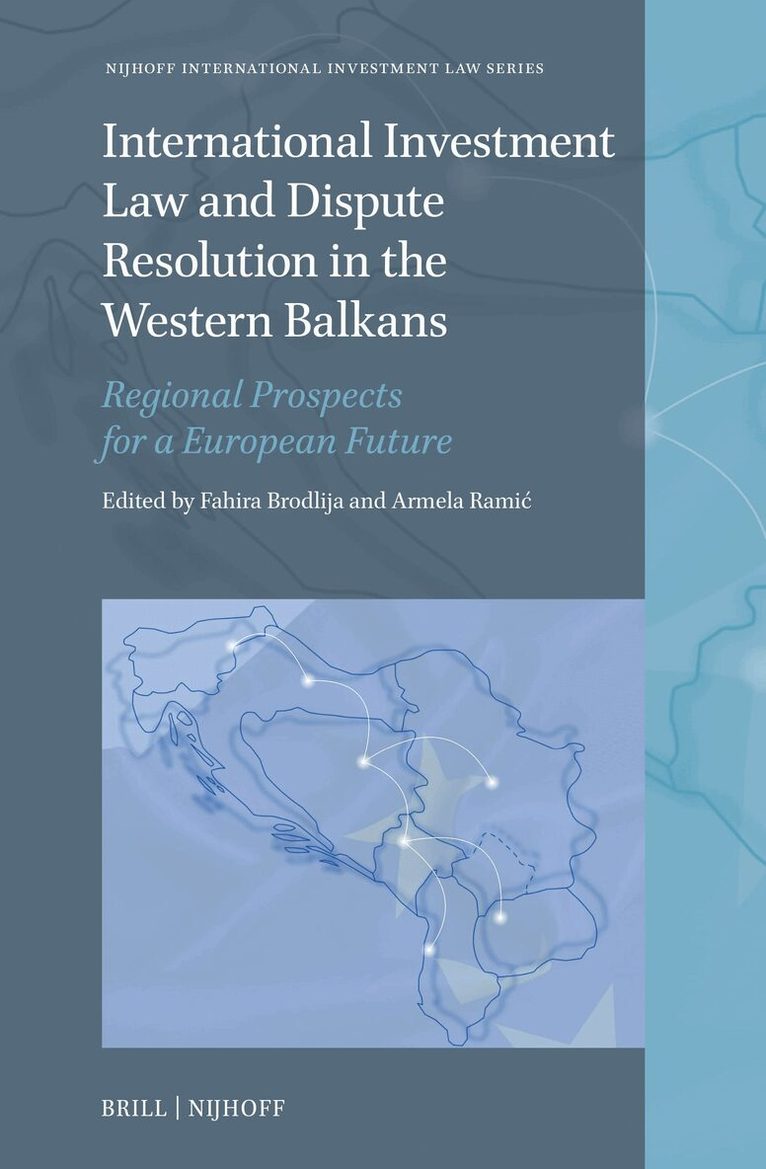
International Investment Law and Dispute Resolution in the Western Balkans
Regional Prospects for a European Future
2 757 kr
Skickas inom 3-6 vardagar
2 655 kr
Läs direkt efter köp
2 447 kr
Skickas inom 5-8 vardagar
2 082 kr
Läs direkt efter köp
In the spirit of Pieter Sanders’s classic Quo Vadis Arbitration? (1999), this far-reaching overview of the state of international arbitration thoroughly assesses the current condition and prospects of arbitration and conciliation with practical, insightful solutions to the new and emerging problems confronting arbitration practice today.
A distinguished group of internationally renowned arbitrators, academics, and lawmakers elucidate the ubiquitous evolution towards increased technical complexity, the need for multi-focal and multi-cultural approaches, and the tension between desirable simplicity and indispensable precision that have come to characterize current arbitral practice and procedure. Among the topics covered are the following:
remote hearings;
reliance on digital technology;
cost of arbitration in a post-COVID world;
extension of the arbitration agreement to non-signatories;
tailoring of ADR techniques to suit the needs of micro, small, and medium-sized enterprises;
jurisdictions emerging as new arbitration hubs, e.g., Delaware, the Caribbean, Scotland;
evolution of a code of conduct for adjudicators in investment disputes; and
the reform of bilateral investment treaties.
As Sanders’s 1999 book did at the time, the chapters identify specific improvements and refinements to the entire system as it has developed over recent decades.
The book will be a go-to resource for the arbitration community worldwide as a stocktaking of current and ongoing trends in international arbitration. It will enthuse the many lawyers, judges, legislators, and businesspeople to whom it is addressed.
2 082 kr
Läs direkt efter köp
In the spirit of Pieter Sanders’s classic Quo Vadis Arbitration? (1999), this far-reaching overview of the state of international arbitration thoroughly assesses the current condition and prospects of arbitration and conciliation with practical, insightful solutions to the new and emerging problems confronting arbitration practice today.
A distinguished group of internationally renowned arbitrators, academics, and lawmakers elucidate the ubiquitous evolution towards increased technical complexity, the need for multi-focal and multi-cultural approaches, and the tension between desirable simplicity and indispensable precision that have come to characterize current arbitral practice and procedure. Among the topics covered are the following:
remote hearings;
reliance on digital technology;
cost of arbitration in a post-COVID world;
extension of the arbitration agreement to non-signatories;
tailoring of ADR techniques to suit the needs of micro, small, and medium-sized enterprises;
jurisdictions emerging as new arbitration hubs, e.g., Delaware, the Caribbean, Scotland;
evolution of a code of conduct for adjudicators in investment disputes; and
the reform of bilateral investment treaties.
As Sanders’s 1999 book did at the time, the chapters identify specific improvements and refinements to the entire system as it has developed over recent decades.
The book will be a go-to resource for the arbitration community worldwide as a stocktaking of current and ongoing trends in international arbitration. It will enthuse the many lawyers, judges, legislators, and businesspeople to whom it is addressed.
2 668 kr
Skickas inom 5-8 vardagar
2 271 kr
Läs direkt efter köp
What makes investor-State dispute settlement (ISDS) as dynamic a field as it is – especially in comparison with international commercial arbitration – is its uncanny ability to engage directly with the most topical and pressing issues of the day, including human rights, regulation of the energy sector, and climate change and the environment more generally. This book provides a deep dive into the reality behind the causes and effects of the expressed concerns regarding ISDS and the extent to which they can and have been addressed by ongoing reform processes at national, regional, and international levels.
Deeply informed insights from leading scholars and practitioners on the status quo and perspectives of ISDS shed clear light on such aspects as the following:
reform instruments adopted at the UNCITRAL Working Group III;
issues surrounding the legitimacy of ISDS;
dispute prevention and amicable settlement mechanisms;
the proposed multilateral investment court;
implications of climate change and energy transition for investment policies and disputes;
recent regional trends in policymaking and perspectives;
the ICSID-UNCITRAL Code of Conduct;
investment protection standards and dispute resolution mechanisms in recent international investment treaties;
viability of the modernized Energy Charter Treaty;
use of artificial intelligence; and
participation of civil society organizations.
As an in-depth analysis of the most recent developments in international investment law and dispute resolution, this book offers a realistic view of the reform processes, thus underlining the necessary legal and institutional measures that will translate into real-life effects in the future. With its help, policymakers and government officials will identify ongoing trends and anticipate risks that require intervention, while practitioners and the broader dispute resolution community will find valuable information about the evolving contours of investment protection treaties and ISDS. For academics and civil society organizations interested in the developments and implications of ISDS, the book provides factual, nuanced, and effective analysis of the relevant issues.
2 271 kr
Läs direkt efter köp
What makes investor-State dispute settlement (ISDS) as dynamic a field as it is – especially in comparison with international commercial arbitration – is its uncanny ability to engage directly with the most topical and pressing issues of the day, including human rights, regulation of the energy sector, and climate change and the environment more generally. This book provides a deep dive into the reality behind the causes and effects of the expressed concerns regarding ISDS and the extent to which they can and have been addressed by ongoing reform processes at national, regional, and international levels.
Deeply informed insights from leading scholars and practitioners on the status quo and perspectives of ISDS shed clear light on such aspects as the following:
reform instruments adopted at the UNCITRAL Working Group III;
issues surrounding the legitimacy of ISDS;
dispute prevention and amicable settlement mechanisms;
the proposed multilateral investment court;
implications of climate change and energy transition for investment policies and disputes;
recent regional trends in policymaking and perspectives;
the ICSID-UNCITRAL Code of Conduct;
investment protection standards and dispute resolution mechanisms in recent international investment treaties;
viability of the modernized Energy Charter Treaty;
use of artificial intelligence; and
participation of civil society organizations.
As an in-depth analysis of the most recent developments in international investment law and dispute resolution, this book offers a realistic view of the reform processes, thus underlining the necessary legal and institutional measures that will translate into real-life effects in the future. With its help, policymakers and government officials will identify ongoing trends and anticipate risks that require intervention, while practitioners and the broader dispute resolution community will find valuable information about the evolving contours of investment protection treaties and ISDS. For academics and civil society organizations interested in the developments and implications of ISDS, the book provides factual, nuanced, and effective analysis of the relevant issues.