Benjamin A. Schupmann – författare
Visar alla böcker från författaren Benjamin A. Schupmann. Handla med fri frakt och snabb leverans.
6 produkter
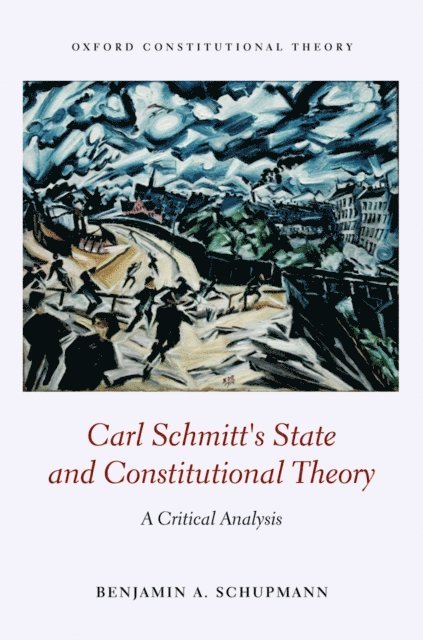
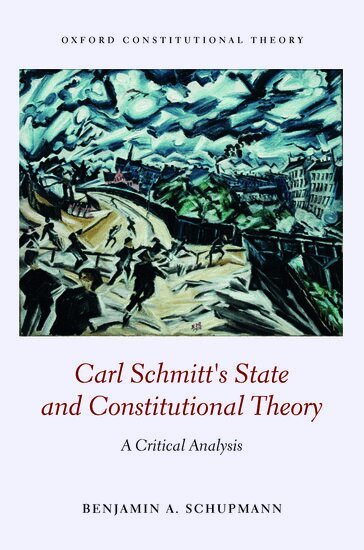
Carl Schmitt's State and Constitutional Theory
A Critical Analysis
E-bok, 2017
1215 kr
Lägg i varukorg
Can a constitutional democracy commit suicide? Can an illiberal antidemocratic party legitimately obtain power through democratic elections and amend liberalism and democracy out of the constitution entirely? In Weimar Germany, these theoretical questions were both practically and existentially …
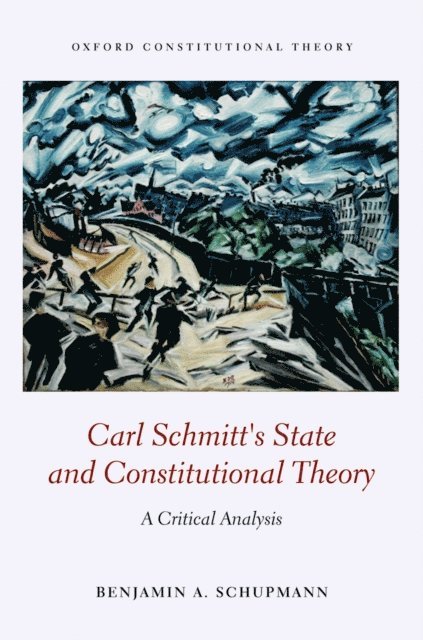
Carl Schmitt's State and Constitutional Theory
A Critical Analysis
E-bok, 2017
1215 kr
Lägg i varukorg
Can a constitutional democracy commit suicide? Can an illiberal antidemocratic party legitimately obtain power through democratic elections and amend liberalism and democracy out of the constitution entirely? In Weimar Germany, these theoretical questions were both practically and existentially …
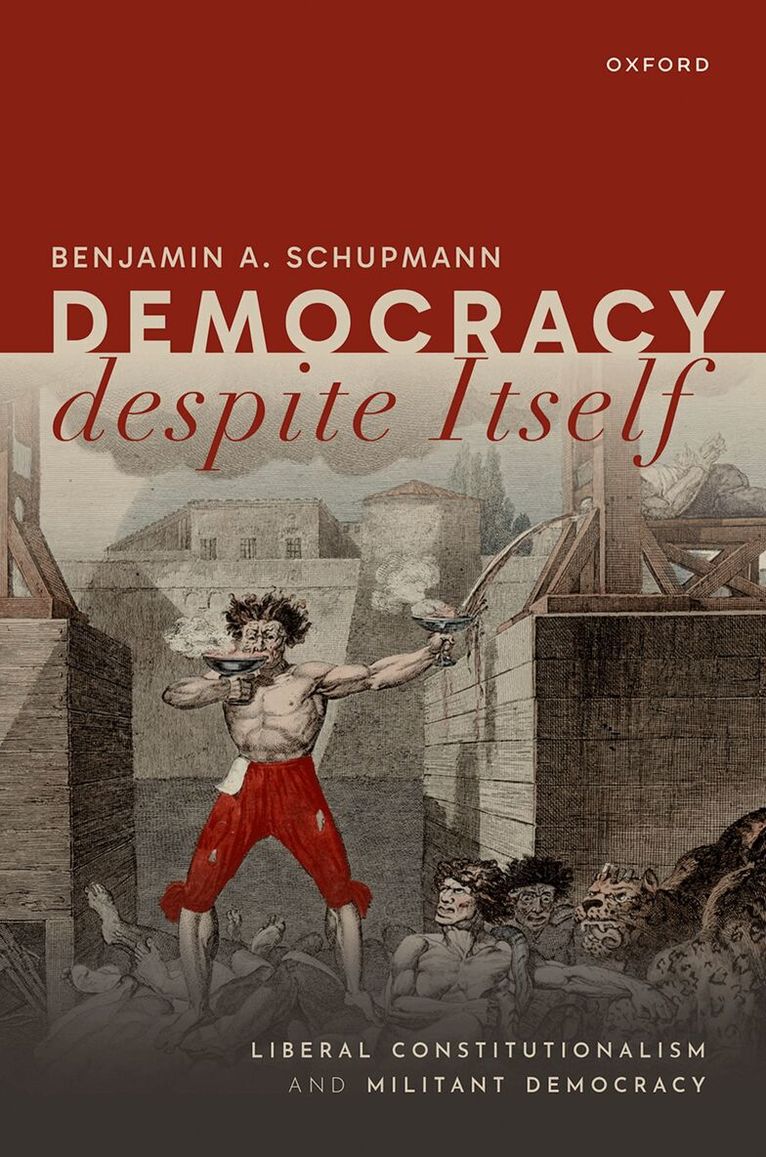
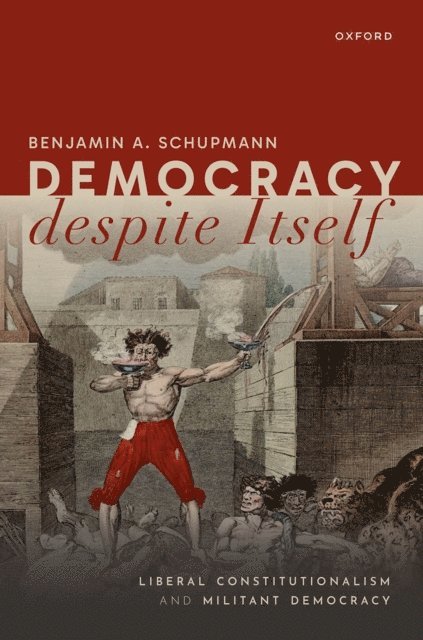
Democracy despite Itself
Liberal Constitutionalism and Militant Democracy
Inbunden, 2024
1618 kr
Lägg i varukorg
Recent developments, including anti-democratic moves by governments in Hungary, India, and Turkey and the rise of populist leaders, demonstrate the threat posed to democratic values by legal revolution and other acts committed within the confines of the system. Militant democracy, a form of …
Democracy despite Itself
Liberal Constitutionalism and Militant Democracy
E-bok, 2024
1265 kr
Lägg i varukorg
Recent developments, including anti-democratic moves by governments in Hungary, India, and Turkey and the rise of populist leaders, demonstrate the threat posed to democratic values by legal revolution and other acts committed within the confines of the system. Militant democracy, a form of …
Democracy despite Itself
Liberal Constitutionalism and Militant Democracy
E-bok, 2024
1265 kr
Lägg i varukorg
Recent developments, including anti-democratic moves by governments in Hungary, India, and Turkey and the rise of populist leaders, demonstrate the threat posed to democratic values by legal revolution and other acts committed within the confines of the system. Militant democracy, a form of …
Carl Schmitt's State and Constitutional Theory
A Critical Analysis
Inbunden, 2017
1705 kr
Lägg i varukorg
Can a constitutional democracy commit suicide? Can an illiberal antidemocratic party legitimately obtain power through democratic elections and amend liberalism and democracy out of the constitution entirely? In Weimar Germany, these theoretical questions were both practically and existentially …