Benjamin Bryce – författare
Boundaries of Ethnicity
German Immigration and the Language of Belonging in Ontario
1 445 kr
Skickas inom 5-8 vardagar
Boundaries of Ethnicity
German Immigration and the Language of Belonging in Ontario
442 kr
Skickas inom 10-15 vardagar
413 kr
Läs direkt efter köp
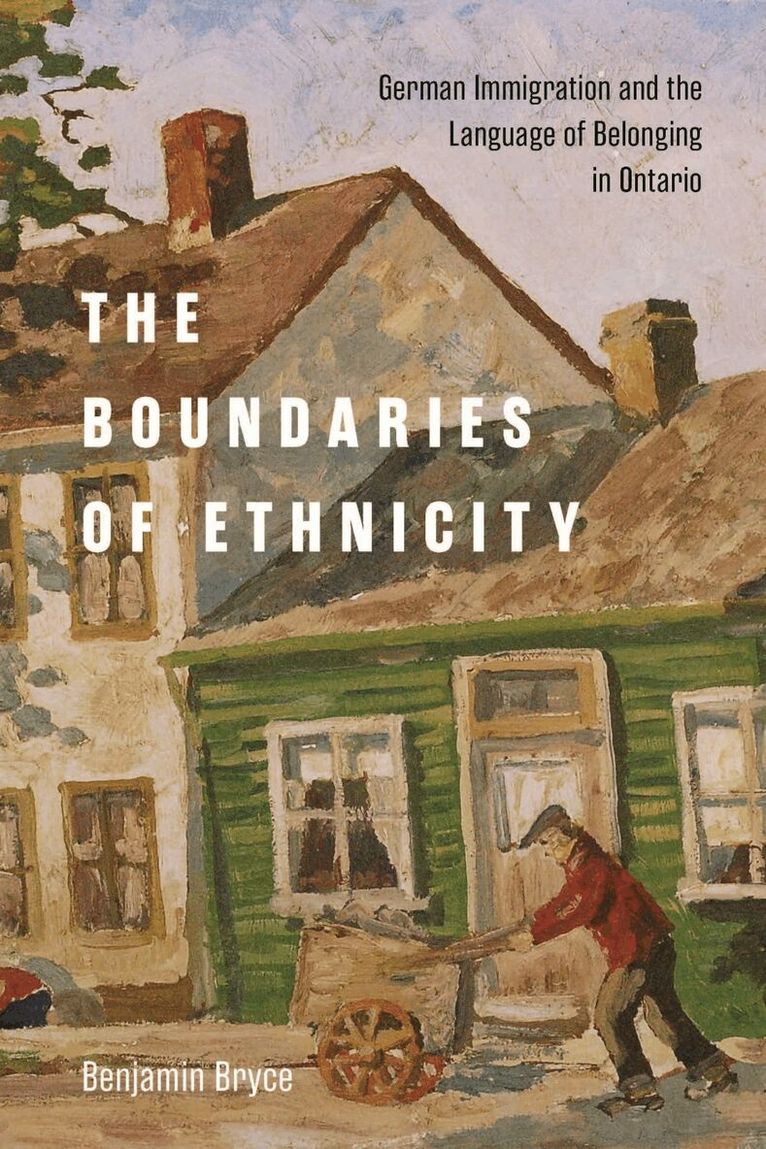
In the late nineteenth and early twentieth centuries, European settlers from diverse backgrounds transformed Ontario. By 1881, German speakers made up almost ten per cent of the province’s population and the German language was spoken in businesses, public schools, churches, and homes. German speakers in Ontario – children, parents, teachers, and religious groups – used their everyday practices and community institutions to claim a space for bilingualism and religious diversity within Canadian society. In The Boundaries of Ethnicity Benjamin Bryce considers what it meant to be German in Ontario between 1880 and 1930. He explores how the children of immigrants acquired and negotiated the German language and how religious communities relied on language to reinforce social networks. For the Germans who make up the core of this study, the distinction between insiders and outsiders was often unclear. Boundaries were crossed as often as they were respected. German ethnicity in this period was fluid, and increasingly interventionist government policies and the dynamics of generational change also shaped the boundaries of ethnicity.German speakers, together with immigrants from other countries and Canadians of different ethnic backgrounds, created a framework that defined relationships between the state, the public sphere, ethnic spaces, family, and religion in Canada that would persist through the twentieth century. The Boundaries of Ethnicity uncovers some of the origins of Canadian multiculturalism and government attempts to manage this diversity.
413 kr
Läs direkt efter köp
In the late nineteenth and early twentieth centuries, European settlers from diverse backgrounds transformed Ontario. By 1881, German speakers made up almost ten per cent of the province’s population and the German language was spoken in businesses, public schools, churches, and homes. German speakers in Ontario – children, parents, teachers, and religious groups – used their everyday practices and community institutions to claim a space for bilingualism and religious diversity within Canadian society. In The Boundaries of Ethnicity Benjamin Bryce considers what it meant to be German in Ontario between 1880 and 1930. He explores how the children of immigrants acquired and negotiated the German language and how religious communities relied on language to reinforce social networks. For the Germans who make up the core of this study, the distinction between insiders and outsiders was often unclear. Boundaries were crossed as often as they were respected. German ethnicity in this period was fluid, and increasingly interventionist government policies and the dynamics of generational change also shaped the boundaries of ethnicity.German speakers, together with immigrants from other countries and Canadians of different ethnic backgrounds, created a framework that defined relationships between the state, the public sphere, ethnic spaces, family, and religion in Canada that would persist through the twentieth century. The Boundaries of Ethnicity uncovers some of the origins of Canadian multiculturalism and government attempts to manage this diversity.
1 336 kr
Läs direkt efter köp
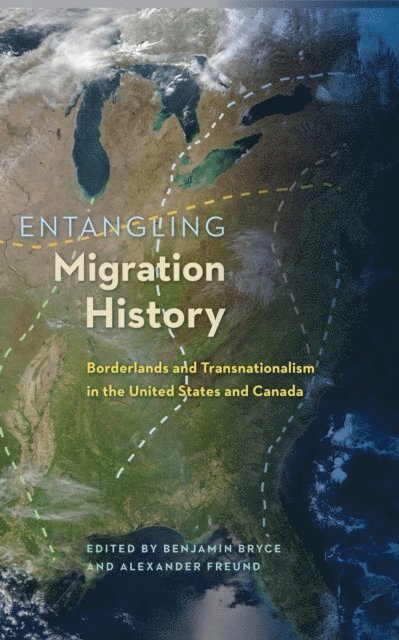
For almost two centuries North America has been a major destination for international migrants, but from the late nineteenth century onward, governments began to regulate borders, set immigration quotas, and define categories of citizenship. To develop a more dimensional approach to migration studies, the contributors to this volume focus on people born in the United States and Canada who migrated to the other country, as well as Japanese, Chinese, German, and Mexican migrants who came to the United States and Canada. These case studies explore how people and ideas transcend geopolitical boundaries. By including local, national, and transnational perspectives, the editors emphasize the value of tracking connections over large spaces and political boundaries.
Entangling Migration History ultimately contends that crucial issues in the United States and Canada, such as labor and economic growth and ideas about the racial or religious makeup of the nation, are shaped by the two countries’ connections to each other and the surrounding world.
865 kr
Skickas inom 10-15 vardagar
865 kr
Skickas inom 5-8 vardagar
678 kr
Skickas inom 5-8 vardagar
708 kr
Läs direkt efter köp
Recasting the Nation in Twentieth-Century Argentina tackles the meaning of "the nation" by looking to the geographical, ideological, and political peripheries of society.
What it means to be Argentine has long consumed writers, political leaders, and many others. For almost two centuries prominent figures have defined national values while looking out from the urban centers of the country and above all Buenos Aires. They have described the nation in terms of urban experience and, secondarily, by surrounding frontiers; they have focused on the country’s European heritage and advanced an entangled vision of race and space. The chapters in this book take a dynamic new approach. While scholars and political leaders have routinely ignored the country’s many peripheries, the Argentine nation cannot be reasonably understood without them. Those on the margins also defined core tenets of the nation.
This volume will be vital reading for those interested in how Latin American societies emerged over the past two centuries and for those curious about how ideas outside of the mainstream come to define national identities.
702 kr
Läs direkt efter köp
Recasting the Nation in Twentieth-Century Argentina tackles the meaning of "the nation" by looking to the geographical, ideological, and political peripheries of society.
What it means to be Argentine has long consumed writers, political leaders, and many others. For almost two centuries prominent figures have defined national values while looking out from the urban centers of the country and above all Buenos Aires. They have described the nation in terms of urban experience and, secondarily, by surrounding frontiers; they have focused on the country’s European heritage and advanced an entangled vision of race and space. The chapters in this book take a dynamic new approach. While scholars and political leaders have routinely ignored the country’s many peripheries, the Argentine nation cannot be reasonably understood without them. Those on the margins also defined core tenets of the nation.
This volume will be vital reading for those interested in how Latin American societies emerged over the past two centuries and for those curious about how ideas outside of the mainstream come to define national identities.
2 008 kr
Skickas inom 10-15 vardagar
607 kr
Skickas inom 10-15 vardagar
1 086 kr
Skickas inom 10-15 vardagar
376 kr
Skickas inom 10-15 vardagar
836 kr
Skickas inom 5-8 vardagar
909 kr
Läs direkt efter köp