Benjamin D. Sommer - Böcker
Visar alla böcker från författaren Benjamin D. Sommer. Handla med fri frakt och snabb leverans.
6 produkter
6 produkter
276 kr
Skickas inom 7-10 vardagar
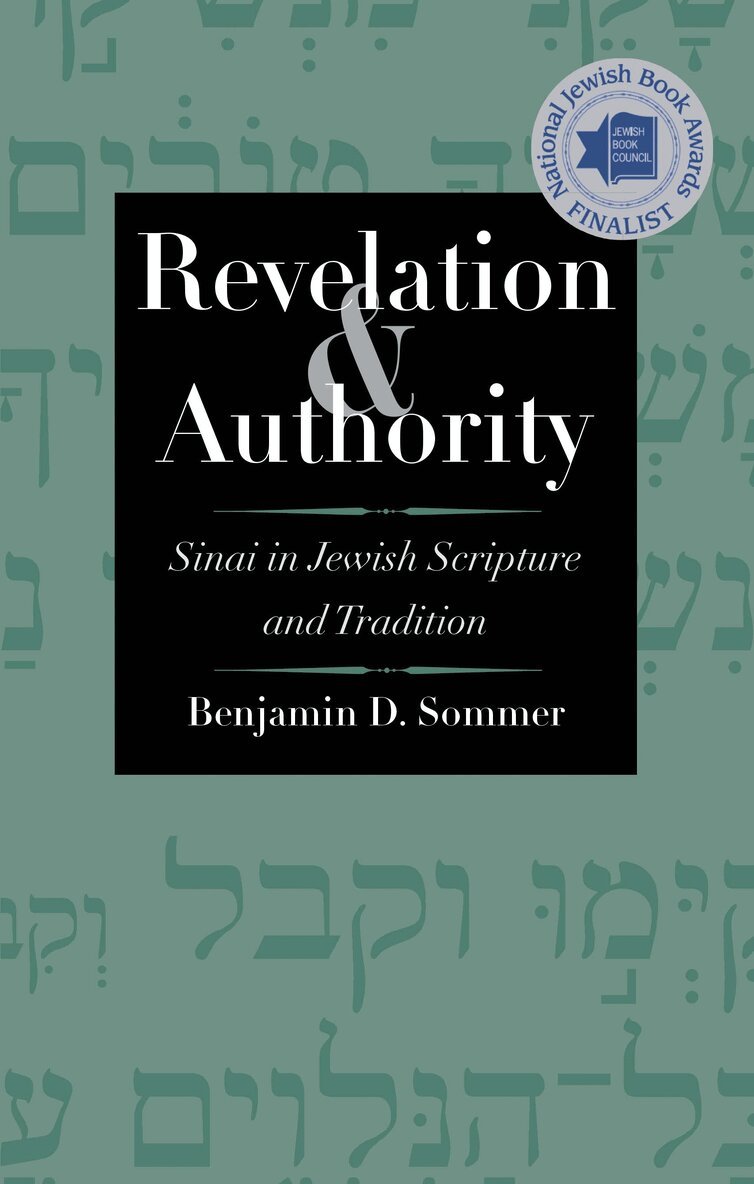
Winner of the 2016 Goldstein-Goren Award for the best book in Jewish ThoughtAt once a study of biblical theology and modern Jewish thought, this volume describes a “participatory theory of revelation” as it addresses the ways biblical authors and contemporary theologians alike understand the process of revelation and hence the authority of the law. Benjamin Sommer maintains that the Pentateuch’s authors intend not only to convey God’s will but to express Israel’s interpretation of and response to that divine will. Thus Sommer’s close readings of biblical texts bolster liberal theologies of modern Judaism, especially those of Abraham Joshua Heschel and Franz Rosenzweig. This bold view of revelation puts a premium on human agency and attests to the grandeur of a God who accomplishes a providential task through the free will of the human subjects under divine authority. Yet, even though the Pentateuch’s authors hold diverse views of revelation, all of them regard the binding authority of the law as sacrosanct. Sommer’s book demonstrates why a law-observant religious Jew can be open to discoveries about the Bible that seem nontraditional or even antireligious.
1 034 kr
Skickas inom 7-10 vardagar
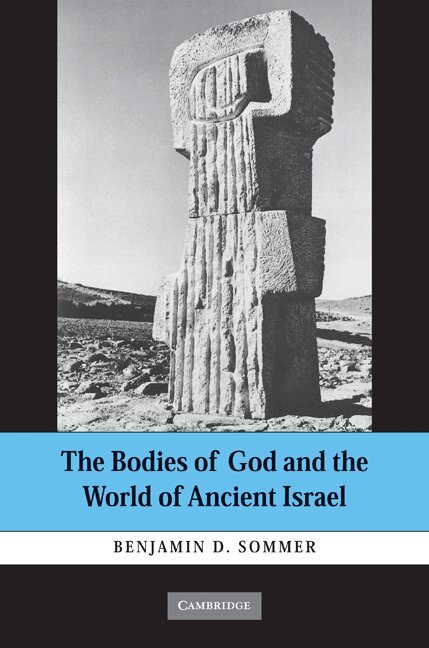
Sommer utilizes a lost ancient Near Eastern perception of divinity according to which a god has more than one body and fluid, unbounded selves. Though the dominant strains of biblical religion rejected it, a monotheistic version of this theological intuition is found in some biblical texts. Later Jewish and Christian thinkers inherited this ancient way of thinking; ideas such as the sefirot in Kabbalah and the trinity in Christianity represent a late version of this theology. This book forces us to rethink the distinction between monotheism and polytheism, as this notion of divine fluidity is found in both polytheistic cultures (Babylonia, Assyria, Canaan) and monotheistic ones (biblical religion, Jewish mysticism, Christianity), whereas it is absent in some polytheistic cultures (classical Greece). The Bodies of God and the World of Ancient Israel has important repercussions not only for biblical scholarship and comparative religion but for Jewish-Christian dialogue.
901 kr
Skickas inom 7-10 vardagar
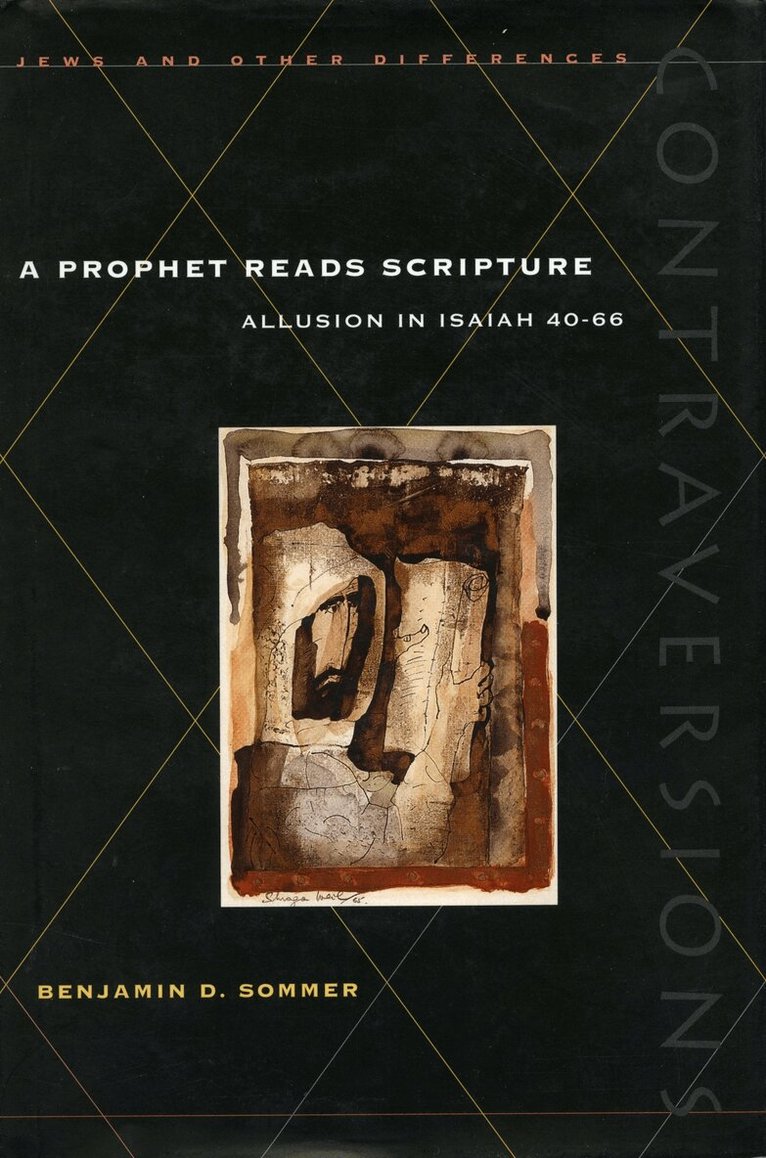
This book examines the use of older biblical texts in Isaiah 40-66, notably the writings attributed to Deutero-Isaiah. Its discussion of allusions, influence, and intertextuality generates significant questions for both biblicists and literary critics: Why do authors allude? How does the presence of older material in a text affect readers? How can critics identify genuine cases of allusion? Are contemporary theories of intertextuality applicable to ancient texts? The author defends the controversial historical questions asked by scholars of inner-biblical exegesis, modifying some of the dominant (and, in some ways, misleading) categories other biblical scholars have created. In sum, the book aims to refine the study of inner-biblical exegesis through an extensive examination of the use of older texts in one corpus.The redactional complexity of the Book of Isaiah has rendered it central to discussions of canon formation and the final shaping of biblical material. The author demonstrates that Deutero-Isaiah situated himself in a wide stream of tradition by no means limited to an Isaianic school, and that his most important literary precursor was not First Isaiah but Jeremiah. This finding necessitates a trenchant reappraisal of recent work on the unity of the Book of Isaiah. Further, the author shows that the strikingly consistent poetics of allusion running throughout all of Isaiah 40-66 testifies to the coherence of those chapters as a single corpus, arguing against multiple authorship.Close readings of the use of borrowed material in Isaiah 40-66 sharpen our appreciation of Deutero-Isaiah's originality and artistry, highlighting his attempts to convince Judean exiles that God had neither abandoned nor failed them. The prophet's heavy dependence on earlier prophets illuminates the changes classical Israelite prophecy underwent in the Babylonian exile. These changes led to the disappearance of prophecy and the rise of exegetical forms of religious expression known from Qumran, early Christianity, and rabbinic Judaism.
914 kr
Skickas inom 10-15 vardagar
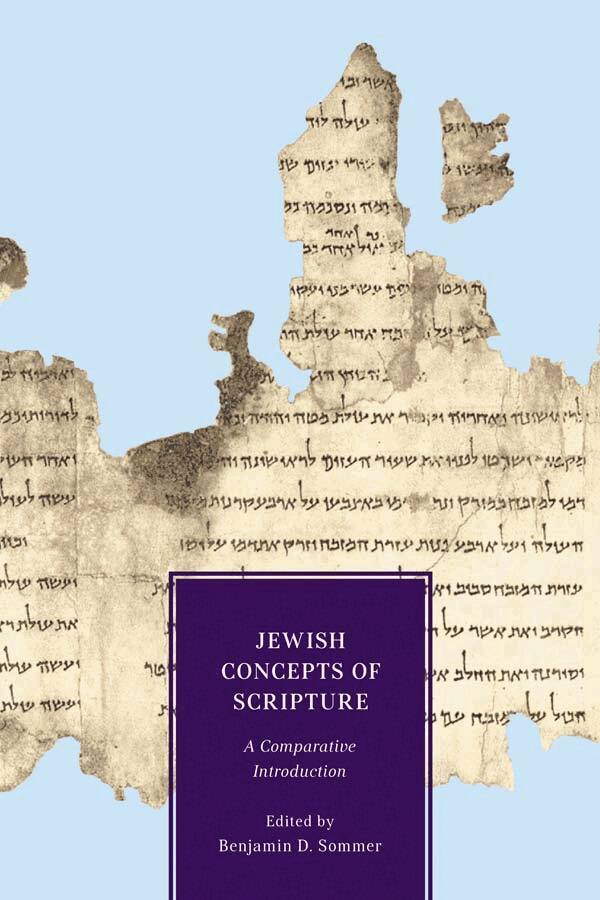
What do Jews think scripture is? How do the People of the Book conceive of the Book of Books? In what ways is it authoritative? Who has the right to interpret it? Is it divinely or humanly written? And have Jews always thought about the Bible in the same way? In seventeen cohesive and rigorously researched essays, this volume traces the way some of the most important Jewish thinkers throughout history have addressed these questions from the rabbinic era through the medieval Islamic world to modern Jewish scholarship. They address why different Jewish thinkers, writers, and communities have turned to the Bible—and what they expect to get from it. Ultimately, argues editor Benjamin D. Sommer, in understanding the ways Jews construct scripture, we begin to understand the ways Jews construct themselves.
401 kr
Skickas inom 7-10 vardagar
What do Jews think scripture is? How do the People of the Book conceive of the Book of Books? In what ways is it authoritative? Who has the right to interpret it? Is it divinely or humanly written? And have Jews always thought about the Bible in the same way? In seventeen cohesive and rigorously researched essays, this volume traces the way some of the most important Jewish thinkers throughout history have addressed these questions from the rabbinic era through the medieval Islamic world to modern Jewish scholarship. They address why different Jewish thinkers, writers, and communities have turned to the Bible—and what they expect to get from it. Ultimately, argues editor Benjamin D. Sommer, in understanding the ways Jews construct scripture, we begin to understand the ways Jews construct themselves.
626 kr
Skickas inom 7-10 vardagar
Sommer utilizes a lost ancient Near Eastern perception of divinity according to which a god has more than one body and fluid, unbounded selves. Though the dominant strains of biblical religion rejected it, a monotheistic version of this theological intuition is found in some biblical texts. Later Jewish and Christian thinkers inherited this ancient way of thinking; ideas such as the sefirot in Kabbalah and the trinity in Christianity represent a late version of this theology. This book forces us to rethink the distinction between monotheism and polytheism, as this notion of divine fluidity is found in both polytheistic cultures (Babylonia, Assyria, Canaan) and monotheistic ones (biblical religion, Jewish mysticism, Christianity), whereas it is absent in some polytheistic cultures (classical Greece). The Bodies of God and the World of Ancient Israel has important repercussions not only for biblical scholarship and comparative religion but for Jewish-Christian dialogue.