Benjamin S. Lambeth – Författare
Visar alla böcker från författaren Benjamin S. Lambeth. Handla med fri frakt och snabb leverans.
8 produkter
8 produkter
528 kr
Skickas inom 10-15 vardagar
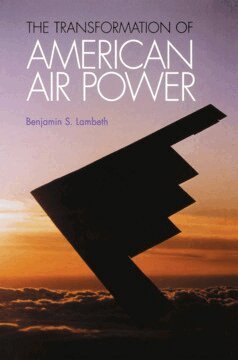
Since the unprecedentedly effective performance of the allied air campaign against Iraq during Operation Desert Storm, the role of American air power in future wars has become a topic of often heated public debate. In this balanced appraisal of air power's newly realized strengths in joint warfare, Benjamin Lambeth, a defense analyst and civilian pilot who has flown in most of the equipment described in this book, explores the extent to which the United States can now rely on air-delivered precision weapons in lieu of ground forces to achieve strategic objectives and minimize American casualties.Beginning with the U.S. experience in Southeast Asia and detailing how failures there set the stage for a sweeping refurbishment of the nation's air warfare capability, Lambeth reviews the recent history of American air power, including its role in the Gulf War and in later conflicts in Bosnia, Kosovo, and Serbia. He examines improvements in areas ranging from hardware development to aircrew skills and organizational adaptability.Lambeth acknowledges that the question of whether air power should operate independently or continue to support land operations is likely to remain contentious. He concludes, however, that air power, its strategic effectiveness proven, can now set the conditions for victory even from the outset of combat if applied to its fullest potential.
242 kr
Tillfälligt slut
Learning from Lebanon
Airpower and Strategy in Israel's 2006 War Against Hezbollah
Häftad, Engelska, 2012
253 kr
Skickas inom 3-6 vardagar
Learning from Lebanon
Airpower and Strategy in Israel's 2006 War against Hezbollah - War College Series
Häftad, Engelska, 2015
191 kr
Skickas inom 5-8 vardagar
Air Force Navy Integration in Strike Warfare
A Role Model for Seamless Joint Service Operatons - War College Series
Häftad, Engelska, 2015
185 kr
Skickas inom 5-8 vardagar
447 kr
Skickas inom 5-8 vardagar
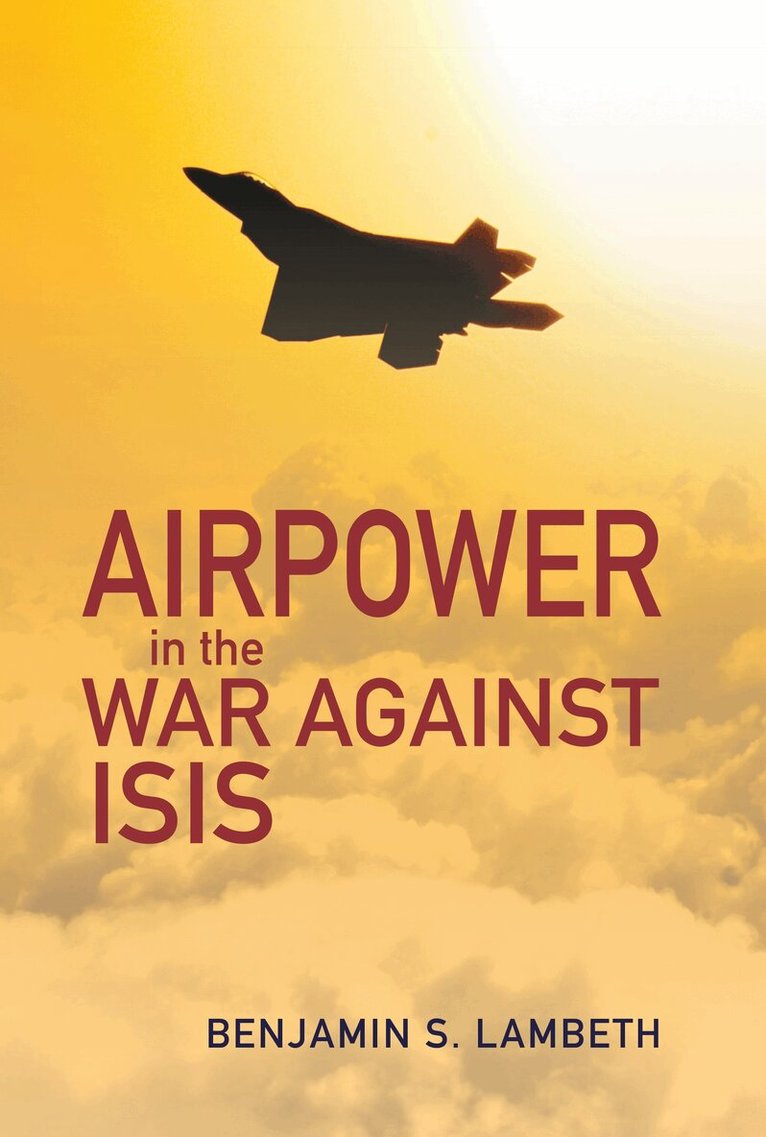
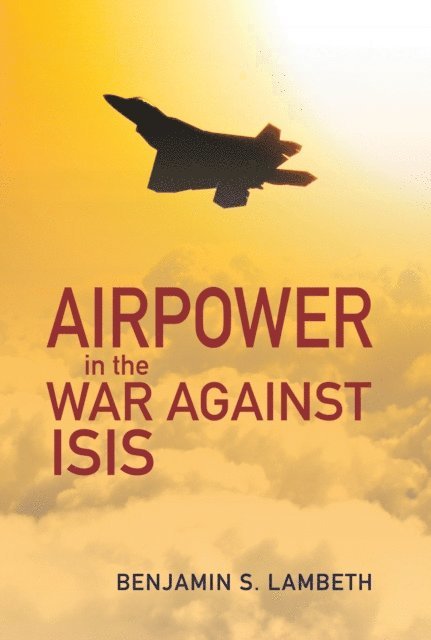
Airpower in the War against ISIS chronicles the planning and conduct of Operation Inherent Resolve by U.S. Central Command (CENTCOM) from August 2014 to mid-2018, with a principal focus on the contributions of U.S. Air Forces Central Command (AFCENT). Benjamin S. Lambeth contends that the war's costly and excessive duration resulted from CENTCOM's inaccurate assessment of the Islamic State in Iraq and Syria (ISIS), determining it was simply a resurrected Iraqi insurgency rather than recognizing it as the emerging proto-state that it actually was. This erroneous decision, Lambeth argues, saw the application of an inappropriate counterinsurgency strategy and use of rules of engagement that imposed needless restrictions on the most effective use of the precision air assets at CENTCOM's disposal. The author, through expert analysis of recent history, forcefully argues that CENTCOM erred badly by not using its ample air assets at the outset not merely for supporting Iraq's initially noncombat-ready ground troops but also in an independent and uncompromising strategic interdiction campaign against ISIS's most vital center-of-gravity targets in Syria from the effort's first moments onward.
538 kr
Skickas inom 5-8 vardagar
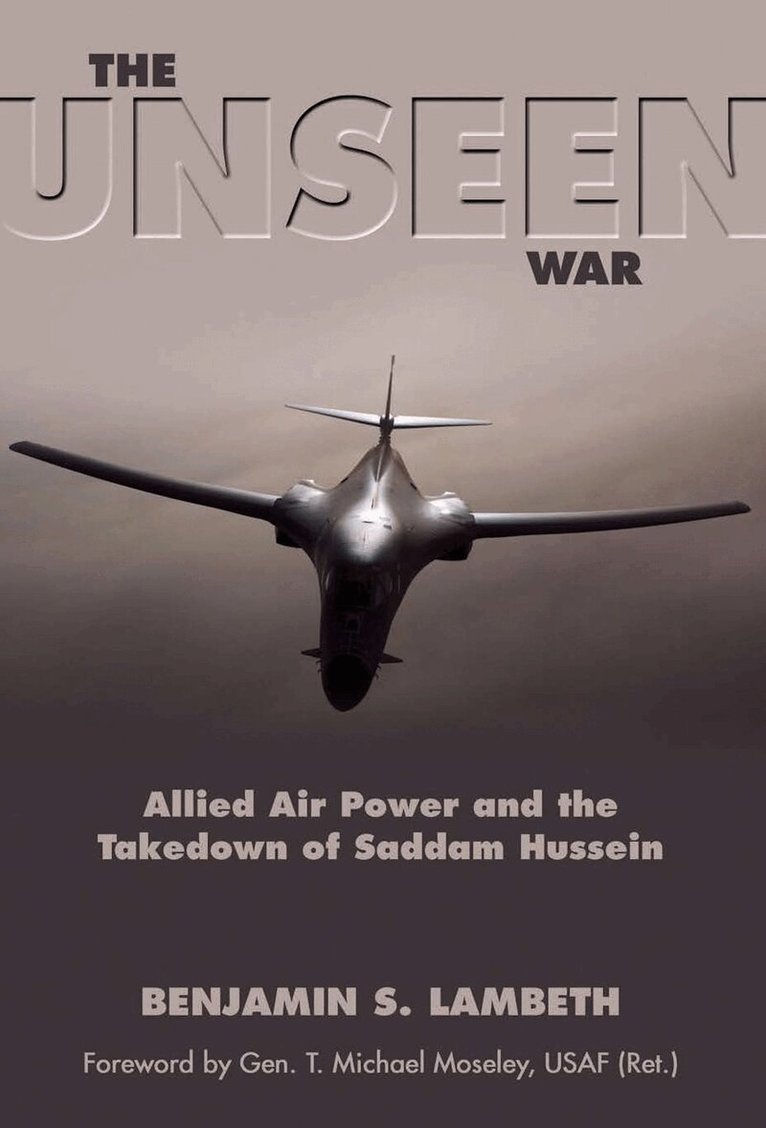
America's second war against Iraq differed notably from its first. Operation Desert Storm was a limited effort by coalition forces to drive out those Iraqi troops who had seized Kuwait six months before. In contrast, the major combat phase of Operation Iraqi Freedom in 2003 was a more ambitious undertaking aimed at decisively ending Saddam Hussein's rule. After several days of intense air strikes against fixed enemy targets, allied air operations began concentrating on Iraqi ground troops. The intended effect was to destroy Iraqi resistance and allow coalition land forces to maneuver without pausing in response to enemy actions. Iraqi tank concentrations were struck with consistently lethal effect, paving the way for an allied entrance into Baghdad that was largely unopposed. Hussein's regime finally collapsed on April 9. Viewed in hindsight, it was the combination of allied air power as an indispensable enabler and the unexpected rapidity of the allied ground advance that allowed coalition forces to overrun Baghdad before Iraq could mount a coherent defense.In achieving this unprecedented level of performance, allied air power was indispensable in setting the conditions for the campaign's end. Freedom from attack and freedom to attack prevailed for allied ground forces. The intended effect of allied air operations was to facilitate the quickest capture of Baghdad without the occurrence of any major head-to-head battles on the ground.This impressive short-term achievement, however, was soon overshadowed by the ensuing insurgency that continued for four years thereafter in Iraq. The mounting costs of that turmoil tended, for a time, to render the campaign's initial successes all but forgotten. Only more recently did the war begin showing signs of reaching an agreeable end when the coalition's commander put into effect a new counterinsurgency strategy in 2007 aimed at providing genuine security for Iraqi citizens.The toppling of Hussein's regime ended the iron rule of an odious dictator who had brutalized his people for more than 30 years. Yet the inadequate resourcing with which that goal was pursued showed that any effective plan for a regime takedown must include due hedging against the campaign's likely aftermath in addition to simply seeing to the needs of major combat. That said, despite the failure of the campaign's planners to underwrite the first need adequately, those who conducted the three-week offensive in pursuit of regime change performed all but flawlessly, thanks in considerable part to the mostly unobserved but crucial enabling contributions of allied air power.
493 kr
Skickas inom 5-8 vardagar
Airpower in the War against ISIS chronicles the planning and conduct of Operation Inherent Resolve by U.S. Central Command (CENTCOM) from August 2014 to mid-2018, with a principal focus on the contributions of U.S. Air Forces Central Command (AFCENT). Benjamin S. Lambeth contends that the war's costly and excessive duration resulted from CENTCOM's inaccurate assessment of the Islamic State in Iraq and Syria (ISIS), determining it was simply a resurrected Iraqi insurgency rather than recognizing it as the emerging proto-state that it actually was. This erroneous decision, Lambeth argues, saw the application of an inappropriate counterinsurgency strategy and use of rules of engagement that imposed needless restrictions on the most effective use of the precision air assets at CENTCOM's disposal. The author, through expert analysis of recent history, forcefully argues that CENTCOM erred badly by not using its ample air assets at the outset not merely for supporting Iraq's initially noncombat-ready ground troops but also in an independent and uncompromising strategic interdiction campaign against ISIS's most vital center-of-gravity targets in Syria from the effort's first moments onward.