Benjamin Zachariah – författare
Visar alla böcker från författaren Benjamin Zachariah. Handla med fri frakt och snabb leverans.
18 produkter
Postcolonial Volk
Inbunden, 2026
274 kr
Lägg i varukorg
Postcolonial theory and its bedfellow, decolonial theory, are the most flourishing products of academia in recent times. Transcending their origins in universities and literary criticism, and clustering around what is coming to be known as 'theory from the Global South', their guiding assumptions …
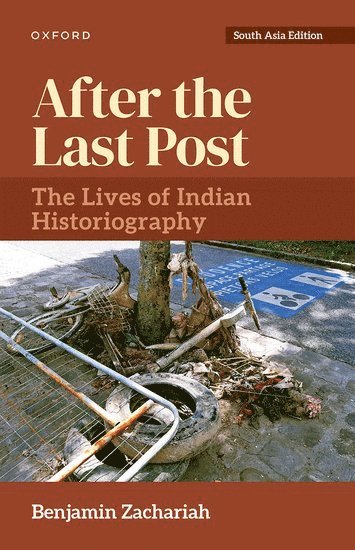
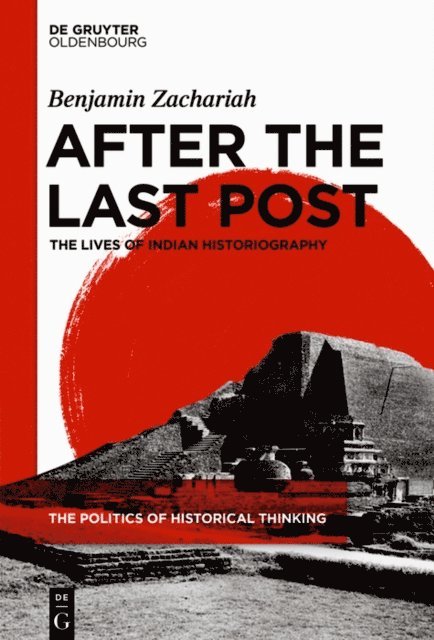
After the Last Post
The Lives of Indian Historiography
Inbunden, 2023
1583 kr
Lägg i varukorg
This book is about the production and consumption of specifically Indian history, framed by concerns with postmodernism and postcolonialism. Several parallel themes crosscut the book's central focus on the discipline of history: its intellectual history, its historiography, and its connection to …
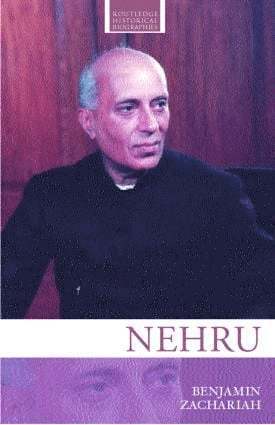
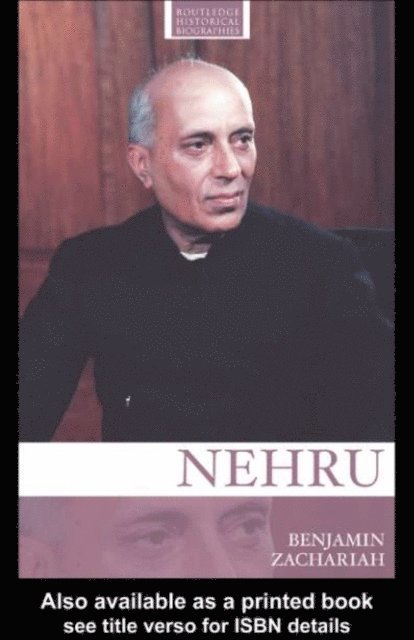
Nehru
Inbunden, 2004
2264 kr
Lägg i varukorg
This engaging new biography dispels many myths surrounding Nehru, and distinguishes between the icon he has become and the politician he actually was. Benjamin Zachariah places Nehru in the context of the issues of his time, including the central theme of nationalism, the impact of Cold War …
Nehru
Häftad, 2004
555 kr
Lägg i varukorg
This engaging new biography dispels many myths surrounding Nehru, and distinguishes between the icon he has become and the politician he actually was. Benjamin Zachariah places Nehru in the context of the issues of his time, including the central theme of nationalism, the impact of Cold War …
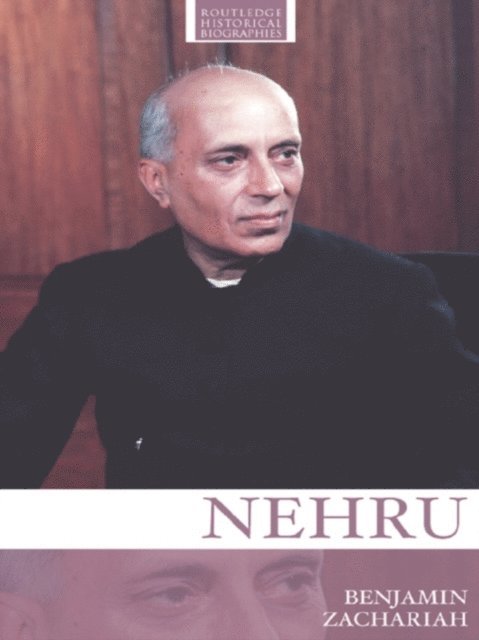
Nehru
E-bok, 2004
702 kr
Lägg i varukorg
This engaging new biography dispels many myths surrounding Nehru, and distinguishes between the icon he has become and the politician he actually was. Benjamin Zachariah places Nehru in the context of the issues of his time, including the central theme of nationalism, the impact of Cold War …
Nehru
E-bok, 2004
717 kr
Lägg i varukorg
This engaging new biography dispels many myths surrounding Nehru, and distinguishes between the icon he has become and the politician he actually was. Benjamin Zachariah places Nehru in the context of the issues of his time, including the central theme of nationalism, the impact of Cold War …
Postcolonial Volk
E-bok, 2026
375 kr
Lägg i varukorg
Postcolonial theory and its bedfellow, decolonial theory, are the most flourishing products of academia in recent times. Transcending their origins in universities and literary criticism, and clustering around what is coming to be known as 'theory from the Global South', their guiding assumptions …
After the Last Post
The Lives of Indian Historiography
Inbunden, 2019
1274 kr
Lägg i varukorg
This book is about the production and consumption of history, themes that have gained in importance since the discipline's attempts to disavow its own authority with the ascendancy of postmodern and postcolonial perspectives. Several parallel themes crosscut the book’s central focus on the …
After the Last Post
The Lives of Indian Historiography
E-bok, 2019
1285 kr
Lägg i varukorg
This book is about the production and consumption of history, themes that have gained in importance since the discipline''s attempts to disavow its own authority with the ascendancy of postmodern and postcolonial perspectives. Several parallel themes crosscut the book’s central focus on the …
After the Last Post
The Lives of Indian Historiography
E-bok, 2019
1285 kr
Lägg i varukorg
This book is about the production and consumption of history, themes that have gained in importance since the discipline''s attempts to disavow its own authority with the ascendancy of postmodern and postcolonial perspectives. Several parallel themes crosscut the book’s central focus on the …
Nation Games
History and Historiographical Imperatives in India
Inbunden, 2020
1551 kr
Lägg i varukorg
This volume examines the tension between the “nation” idea as a necessary language of legitimacy with which to claim liberation, and its role in disciplining people and their identities in India, in the name of national liberation. It is an attempt to open up new lines of thinking, and ways of …
Nation Games
History and Historiographical Imperatives in India
E-bok, 2020
1538 kr
Lägg i varukorg
This volume examines the tension between the “nation” idea as a necessary language of legitimacy with which to claim liberation, and its role in disciplining people and their identities in India, in the name of national liberation. It is an attempt to open up new lines of thinking, and ways of …
Nation Games
History and Historiographical Imperatives in India
E-bok, 2020
1572 kr
Lägg i varukorg
This volume examines the tension between the “nation” idea as a necessary language of legitimacy with which to claim liberation, and its role in disciplining people and their identities in India, in the name of national liberation. It is an attempt to open up new lines of thinking, and ways of …
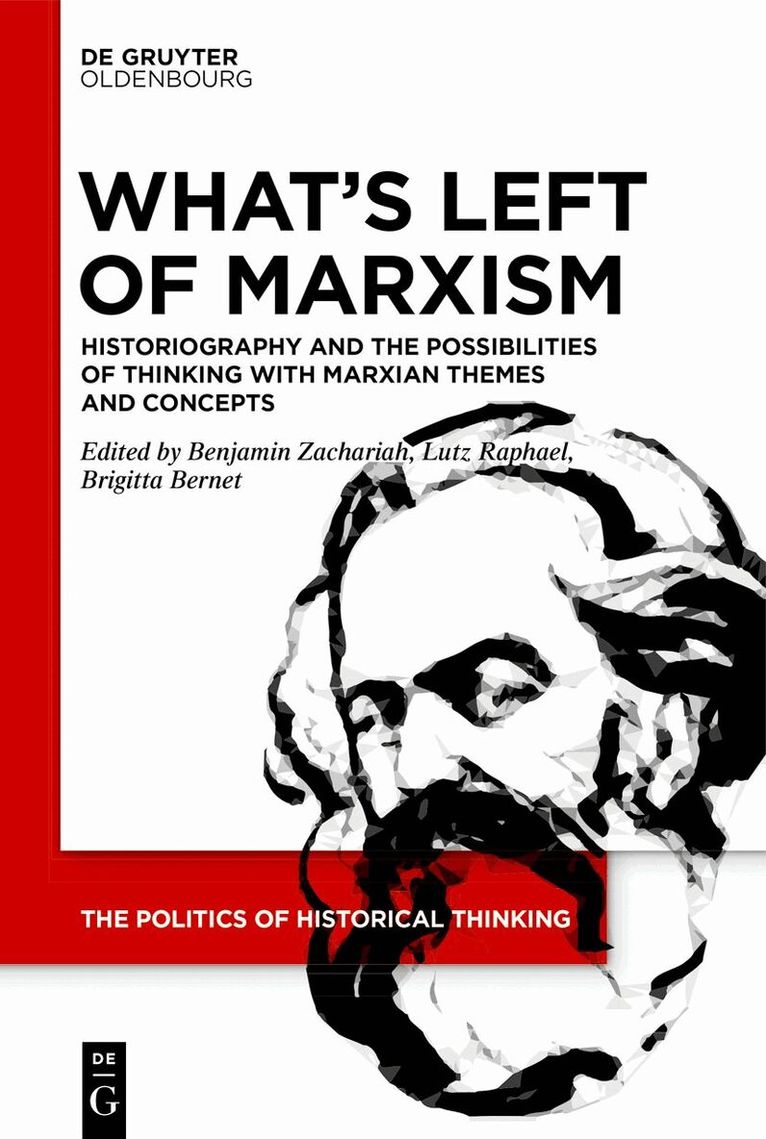
What’s Left of Marxism
Historiography and the Possibilities of Thinking with Marxian Themes and Concepts
Av Benjamin Zachariah, Lutz Raphael m. fl.
Inbunden, 2020
1408 kr
Lägg i varukorg
No detailed description available for "What’s Left of Marxism".
What's Left of Marxism
Historiography and the Possibilities of Thinking with Marxian Themes and Concepts
Av Brigitta Bernet, Lutz Raphael m. fl.
E-bok, 2020
1425 kr
Lägg i varukorg
Have Marxian ideas been relevant or influential in the writing and interpretation of history? What are the Marxist legacies that are now re-emerging in present-day histories? This volume is an attempt at relearning what the “discipline” of history once knew – whether one considered oneself a …
What's Left of Marxism
Historiography and the Possibilities of Thinking with Marxian Themes and Concepts
Av Brigitta Bernet, Lutz Raphael m. fl.
E-bok, 2020
1425 kr
Lägg i varukorg
Have Marxian ideas been relevant or influential in the writing and interpretation of history? What are the Marxist legacies that are now re-emerging in present-day histories? This volume is an attempt at relearning what the “discipline” of history once knew – whether one considered oneself a …
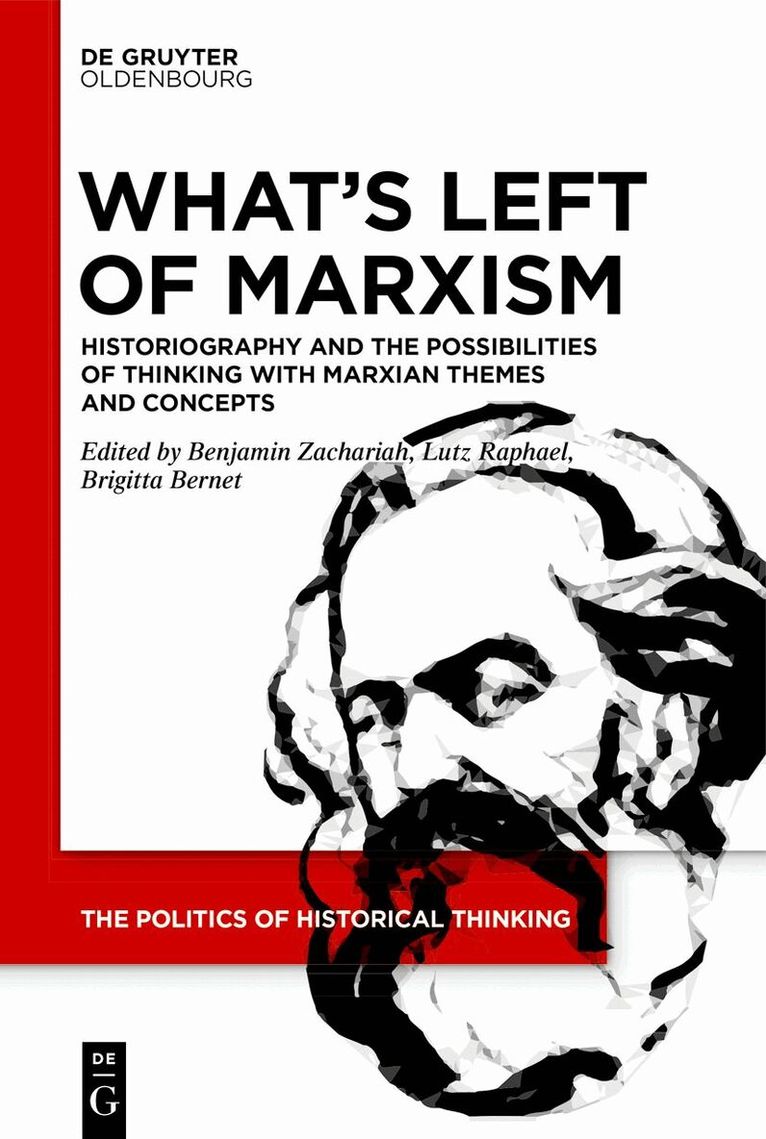
What’s Left of Marxism
Historiography and the Possibilities of Thinking with Marxian Themes and Concepts
Av Benjamin Zachariah, Lutz Raphael m. fl.
Häftad, 2022
309 kr
Lägg i varukorg
Have Marxian ideas been relevant or influential in the writing and interpretation of history? What are the Marxist legacies that are now re-emerging in present-day histories? This volume is an attempt at relearning what the “discipline” of history once knew – whether one considered oneself a …
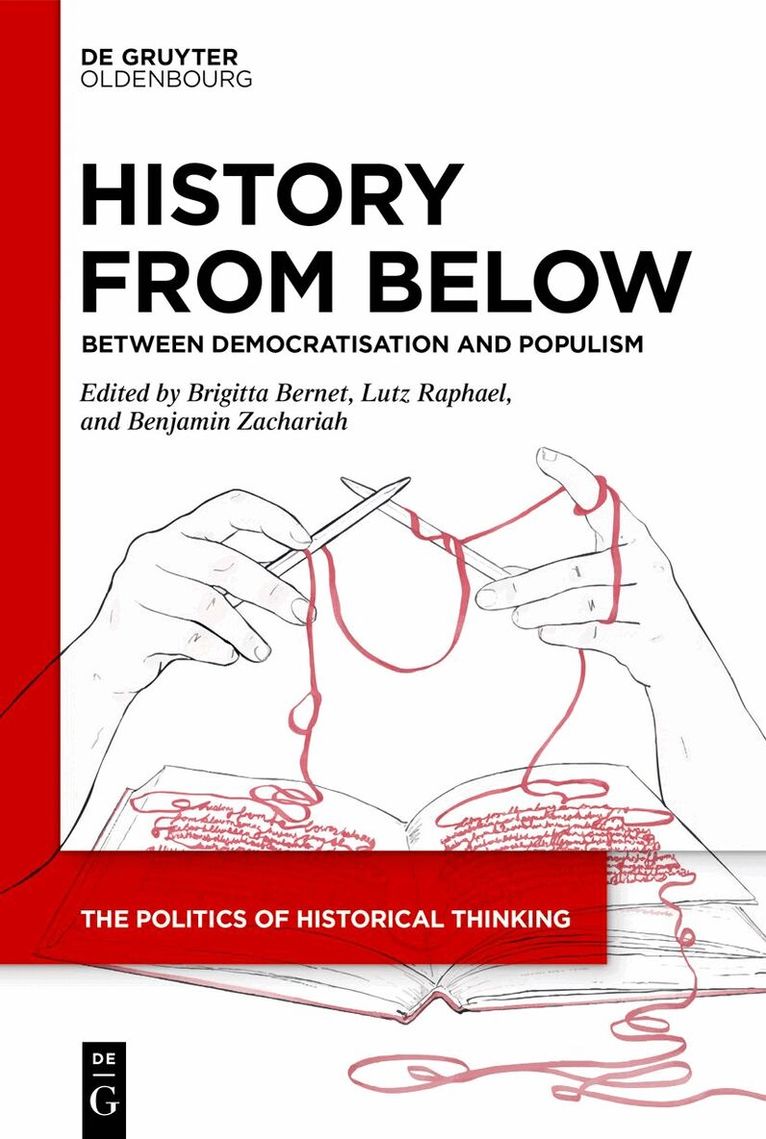
History from Below
Between Democratisation and Populism
Av Brigitta Bernet, Lutz Raphael m. fl.
Inbunden, 2025
1048 kr
Lägg i varukorg
What we know as history from below has long been considered a more democratic form of history-writing and research than forms of history that have counted, sometimes by default, as elite, and therefore by implication elitist. But history from below also has a tendency towards populism: an emphasis …